
Roche Launches 454 Sequencing Assays for High Sensitivity Genetic Variant Detection in Leukemia Samples to Drive Blood Cancer Research Worldwide
23 Apr 2012Roche announced today the launch and immediate availability of the GS GType TET2/CBL/KRAS and the GS GType RUNX1 Primer Sets for comprehensive genetic variation detection in four key human genes using the company’s 454 GS Junior and GS FLX Systems. The sequence-based assays offer a new solution for cancer researchers investigating the human TET2, CBL, KRAS and RUNX1 genes, which are known to be associated with developmental defects, disease progression, and residual disease in a variety of leukemias and myeloid malignancies.
The assays enable deep sequencing of PCR amplicons covering key exon regions, and offer superior sensitivity and time to result compared to traditional Sanger capillary sequencing approaches.
Blood cancers such as leukemia and other myeloproliferative disorders cause rapid, abnormal growth of blood cells and are known to consist of a broad spectrum of subtypes. Currently, a variety of techniques are available to characterize leukemia types, including traditional Sanger capillary sequencing, cytogenetics, and cytomorphology, but are expensive, time-consuming and, in some instances, fail to offer the depth of analysis or sensitivity enabled by next-gen sequencing. Using the GS GType TET2/CBL/KRAS and the GS GType RUNX1 Primer Sets with 454 Sequencing Systems, researchers can detect genetic variants far below the Sanger limit of detection.
The assays, which include primer plates, protocols and dedicated analysis software, have been co-developed with and extensively tested at the MLL Munich Leukemia Laboratory in Munich, Germany (www.mll.com). The GS GType TET2/CBL/KRAS Primer Set is the result of the International Robustness of Next-Generation Sequencing (IRON) study1.
“Blood cancers consist of widely varying subtypes which can be difficult to characterize using traditional approaches,” said Thomas Schinecker, President of 454 Life Sciences, a Roche Company. “We are pleased to offer a solution that leverages the strengths of the GS FLX and GS Junior System to deliver long, high-quality sequencing reads and enables better characterization of genetic variations in leukemia samples.”
The GS GType TET2/CBL/KRAS and the GS GType RUNX1 Primer Sets are the latest additions to the menu of target-specific assays for the GS FLX and GS Junior Systems. Last year, Roche launched the GS GType HLA Primer Sets for high-resolution HLA genotyping. The company plans to continue to expand the menu of assays with future developments in areas of virology, oncology and immunology.
Related products
Request Quote for All Products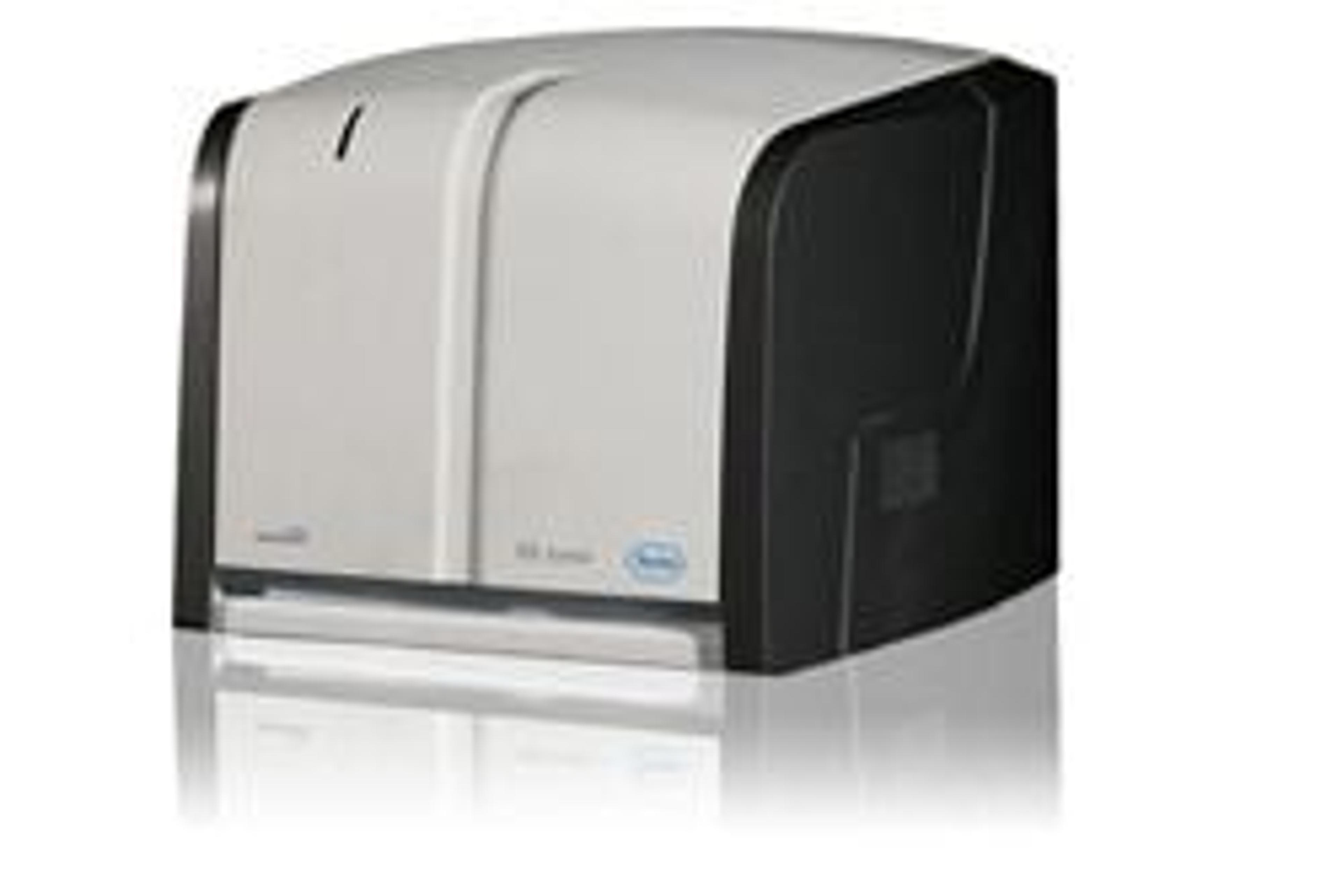
GS Junior System
The power of next-gen sequencing in your hands. The GS Junior System brings the power of 454 Sequencing Systems directly to the laboratory benchtop. Get comprehensive genome coverage with long 400 bp sequencing reads and quickly proceed from DNA to discovery with fast sequencing runs and straightforward data analysis on the attendant computer.GS Junior System Features: Powered by proven technology: Uses GS Junior Titanium chemistry to deliver high-quality, bioinformatics-friendly, long read data Fits in your lab: Small instrument size, along with low entry and operating costs, enables labs with limited budget and infrastructure to take advantage of next gen sequencing Easy to use: Manageable data size allows processing and analysis right on the attendant computer without the need for specialized computing or network infrastructures Point-and-click data analysis: Includes the GS Data Analysis Software for de novo assembly, reference mapping and amplicon variant analysis Applications: Amplicon Sequencing: Targeted sequencing of 10's - 100's of samples and loci Sequence Capture: Targeted sequencing of custom array regions Whole Genome Sequencing: De novo sequencing and resequencing of microbial organisms (bacteria, fungi, viruses) Metagenomics: Characterization of complex environmental samples; pathogen discovery Transcriptome Sequencing: Full-length sequencing and de novo assembly of transcripts
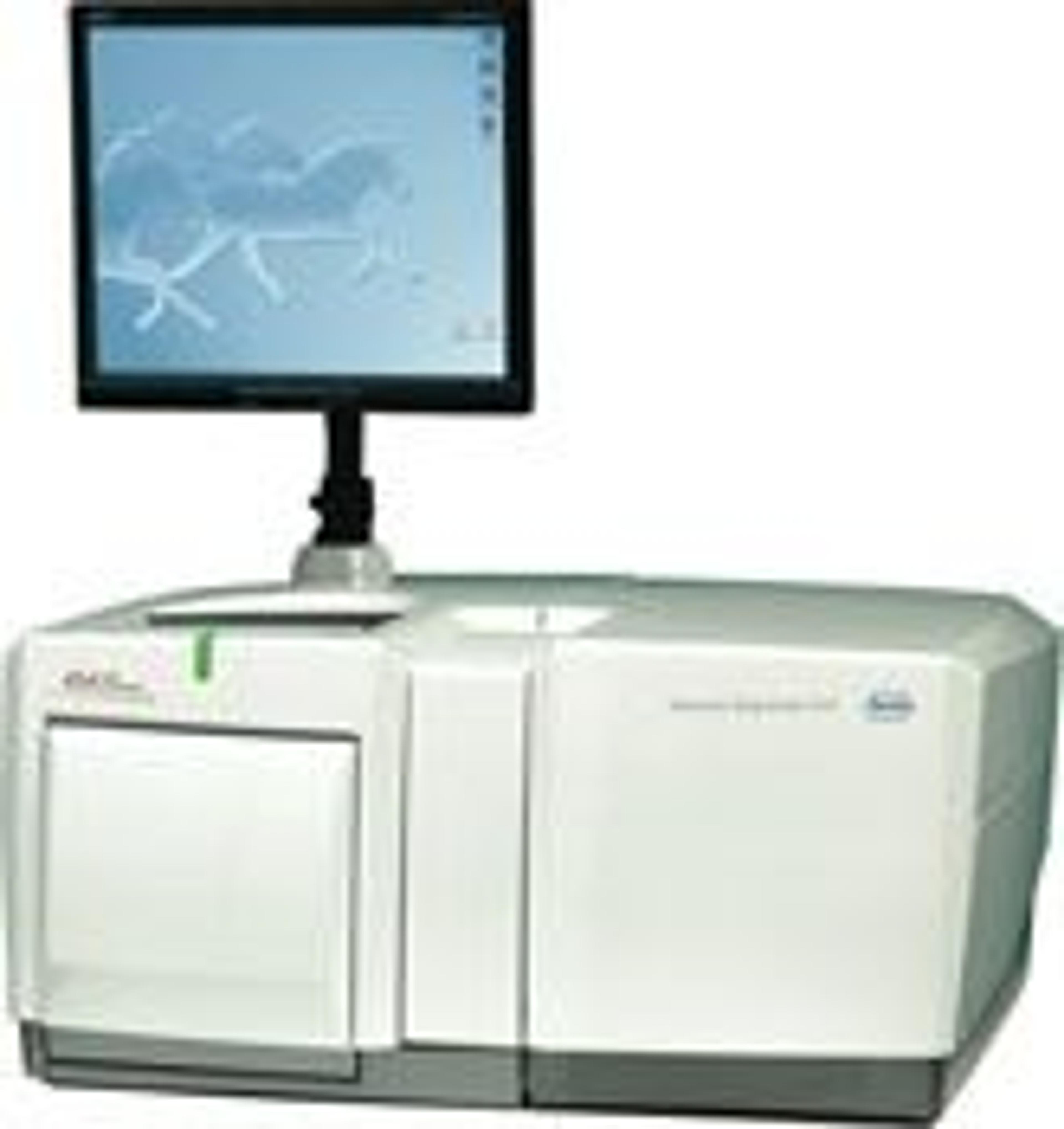
GS FLX+ System
RocheNow delivering sequencing reads up to 1,000 bp in length! The GS FLX+ System features the unique combination of long reads, exceptional accuracy and high-throughput, making the system well suited for larger genomic projects. The GS FLX System has been at the heart of key breakthrough genomic discoveries and over 1,000 peer-reviewed publications to date.Advancements in sequencing chemistry, instrumentation and software offer the latest improvements in GS FLX System performance, with read lengths up to 1 kb. Available as an on-site instrument upgrade or new instrument, the GS FLX+ System is designed for use with both the new long-read Sequencing Kit XL+ and existing Sequencing Kit XLR70.GS FLX+ System Features: True capillary sequencing-like read lengths: Continuous development of the GS FLX Titanium chemistry now offers read lengths up to 1 kb Flexible sequencing formats: Broad selection of gaskets and Multiplex Identifiers (MIDs) enables efficient use of sequencing runs Point-and-click data analysis: Included GS Data Analysis Software for de novo assembly, reference mapping and amplicon variant analysis. Applications: Whole Genome Sequencing: De novo sequencing of large, complex organisms or multiple bacterial genomes in a single run Transcriptome Sequencing: Full-length de novo sequencing and assembly of complex organisms Amplicon Sequencing: High-throughput sequencing of 100s to 1,000s of samples and loci Sequence Capture: Targeted resequencing of whole exomes or large capture regions Metagenomics: Characterization of complex environmental samples; pathogen discovery