Pre-clinical vaccine adjuvant and therapeutics manufacturing

22 Apr 2021

Diane Li
Assistant Editor

Industry news

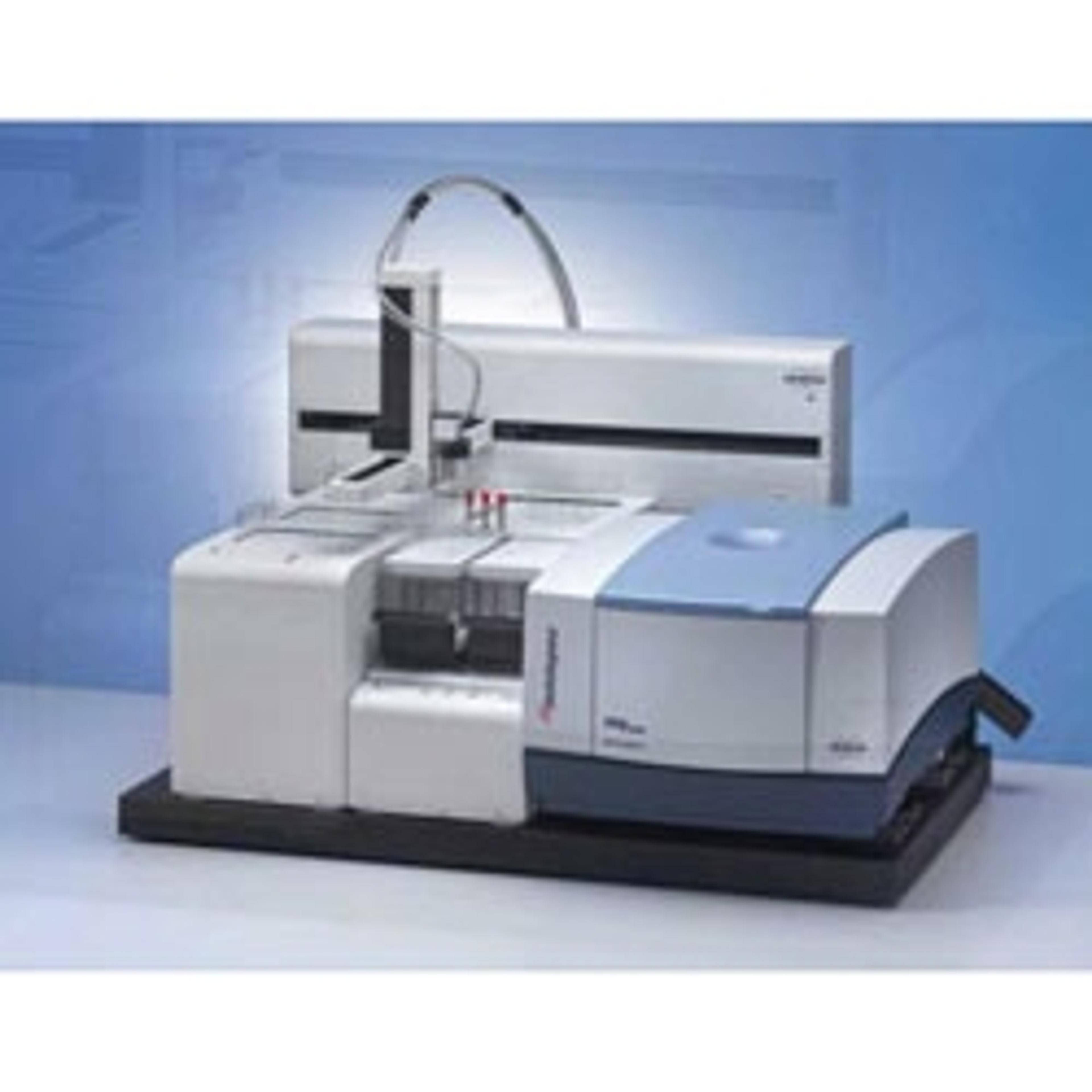
Analytik reports how its Microfluidizer® processors are enabling researchers develop a range of therapeutic formulations including vaccine adjuvants, liposomes and lipid nanoparticles.

By reducing particle size uniformly, Microfluidizers from Analytik are helping a growing number of pharmaceutical companies and Contact Development and Manufacturing Organisations (CDMOs) improve the efficacy, bioavailability, stability and process efficiency of their drugs. Today, Microfluidizer® technology from Analytik is widely viewed as the gold standard for scalable uniform particle size reduction for vaccine adjuvants, dispersions, liposomes and cell disruption manufacturing processes.

James Anderson, product specialist at Analytik commented "Currently we are seeing increased interest in using our Microfluidizer systems particularly for vaccine and therapeutics development targeting treatment of or vaccination against the SARS-CoV-2 Coronavirus and its associated COVID-19 condition. All vaccines and injectable therapeutics need to be sterile - this is achieved by aseptic processing in a sterile environment often followed by sterile filtration of the adjuvant nanoemulsion. Both approaches incur challenges and costs but is vital for the safety and quality of the product. Creating a nanoemulsion with a precise distribution curve and droplet size is challenging but will affect the ease with which the emulsion can be sterile filtered. Beneficially, our high shear processing technology produces precisely controlled particle sizes with a narrow size distribution range which creates nanoemulsions that can be successfully sterile filtered even at high volume throughputs with minimal yield losses. As a result, formulations can be produced at production scale, directly scaled from the lab range of Microfluidizer equipment".

Do you use Analytik products in your lab? Write a review today for your chance to win a $400 Amazon Gift Card>>

Links

Tags

NanotechnologyNanotechnology, or nanotech, is an engineering technique using molecular scale functional systems. Applications of nanotechnology include medicine and medical devices, electronics, air and water purification, food science and energy production.Clinical ChemistryBiochemistry (or clinical chemistry) involves the analysis of bodily fluids using chemical tests. Techniques used include HPLC, chromatography, spectroscopy, mass spectrometry, immunochemical, electrophoresis, turbidometric / spectrophotometric assay, MRI and ISE analysis. Tests are often carried out on plasma or serum but urine (urinalysis) and fecal specimens are also processed.Clinical MicrobiologyMicrobiology is the study of microorganisms including protists, prokaryotes, fungi, and, often, viruses. Microorganisms are a useful research tool as genetic vectors and, in immunology, for antibiotic susceptibility testing, cellular biology and genetics. Microorganisms commonly grow readily in incubators with microbial culture media; this can contain chromogenic supplements to differentiate between cell lines. Estimate your culture’s density of microorganisms with colony counters, or screen and select colonies for desirable clones with automated colony pickers. Additionally, equipment is available to monitor environments for the presence of microbes and identify with microbial identification instruments. Find the best microbiology products in our peer-reviewed product directory: compare products, check customer reviews and receive pricing direct from manufacturers.Clinical TrialsClinical Trials, an essential part of drug discovery process, assess the safety and effectiveness of a new medication or device in the pharmaceutical industry. Clinical Trials are a phased process (Phase 0, Phase I, Phase II, Phase III and Phase IV) which begins after initial preclinical testing.Clinical ChemistryClinical chemistry involves the analysis of bodily fluids, like blood and urine, to diagnose and monitor diseases. Tests in clinical chemistry provide critical information for patient care and treatment decisions. Explore clinical chemistry tools in our peer-reviewed product directory; compare products, check reviews, and get pricing directly from manufacturers.BiotherapeuticsBiotherapeutics are proteins and other compounds (such as nucleic acids) produced by living organisms that have uses as therapeutics or in <i>in vivo</i> diagnostics. The most well-known example of a biotherapeutic product, and the first to be approved for therapeutic use, was recombinant human insulin.Vaccine DevelopmentVaccine development focuses on creating immunizations to protect against infectious diseases. The process involves identifying antigens, developing and testing vaccine efficacy, and ensuring safety through preclinical testing and multiple clinical trial phases. Scientists use various approaches, including weakened or inactivated viruses, protein subunits, or mRNA. Advanced platforms and rapid diagnostic tools aid in vaccine research and testing. Explore vaccine development solutions in our peer-reviewed product directory; compare products, read reviews, and get pricing directly from manufacturers. TherapeuticsTherapeutics are treatments designed to alleviate or cure diseases. These include pharmaceuticals, biologics, and gene therapies, which work by targeting specific disease mechanisms. Advances in personalized medicine and biologics offer new hope for patients with conditions that were previously difficult to treat. Browse our peer-reviewed product directory to find therapeutic solutions for various diseases; compare products, check user reviews, and get pricing directly from manufacturers.NanoparticlesNanoparticles are between 1-100nm in size. Nanoparticles can be used for a wide variety of applications including biomedical, catalysis and electronics.
Pre-clinical vaccine adjuvant and therapeutics manufacturing