
NewsSeparations
PlasmaQuant® MS — All-Digital Detection of Signals over 10 Orders of Magnitude with ADD10
13 Aug 2015
Lois Manton-O'Byrne, PhD
Executive Editor
Product news
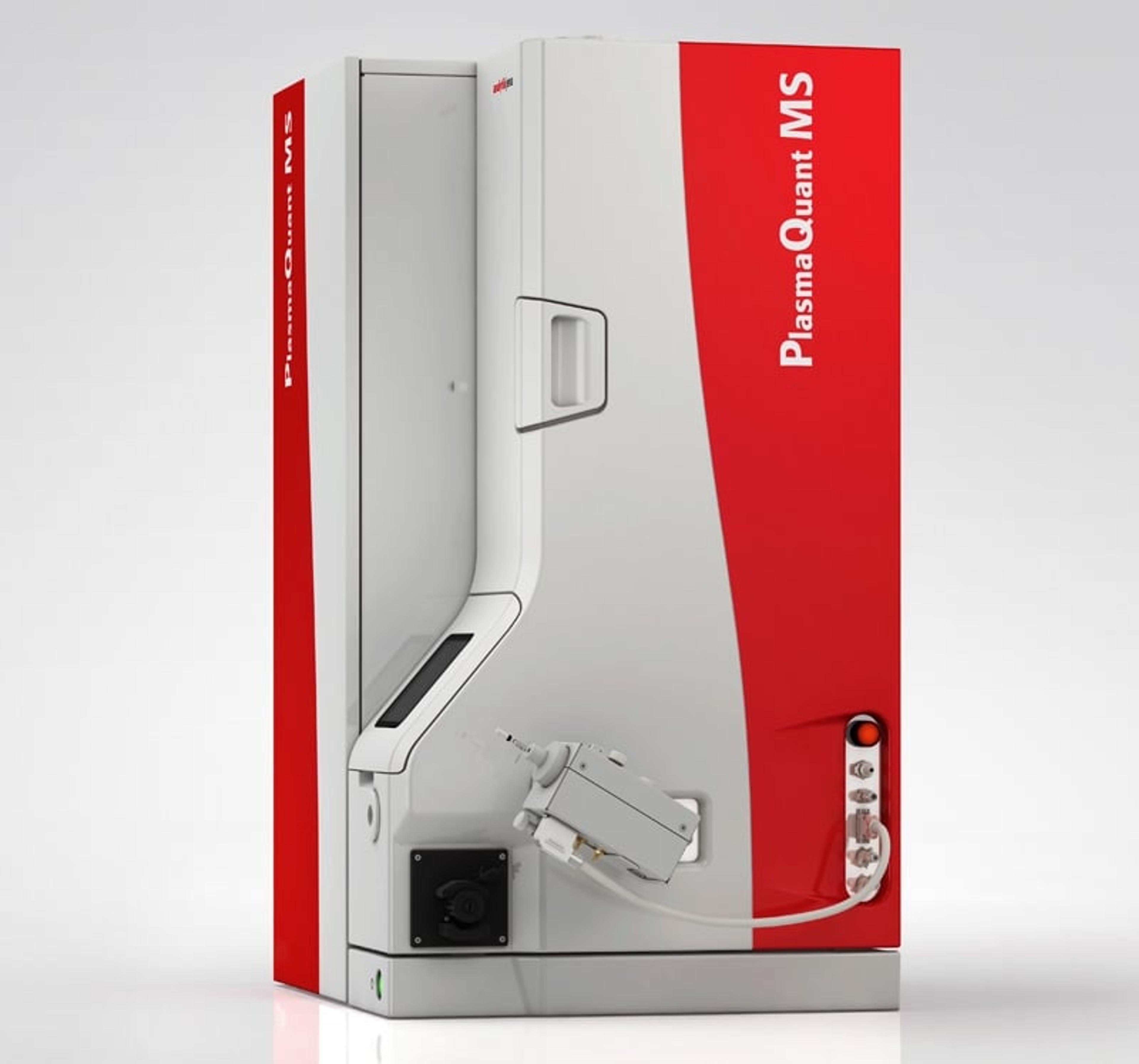
The newly developed mass spectrometer with inductively coupled plasma from Analytik Jena, PlasmaQuant® MS, provides ADD10 — the all-digital detection technology covering 10 orders of magnitude linear dynamic range.
Equipped with advanced control technology, the ADD10 automatically dilutes signals up to 4 orders of magnitude electronically. This guarantees optimum signal detection independent from the concentration level of an element in the sample. The ADD10 thus emphasizes the flexible and user-friendly concept of PlasmaQuant® MS systems. In addition to that, this technology enables a previously unattained detector lifetime, thereby improving the efficiency of the system in daily laboratory use.
- All-digital detection over 10 orders of magnitude
- Automatic attenuation of strong signals depending on the element concentration
- User friendly operation and simple optimization
- No recalibration of factors, no cross-calibration required
- Extended detector lifetime by advanced control technology
Related products
Request Quote for All Products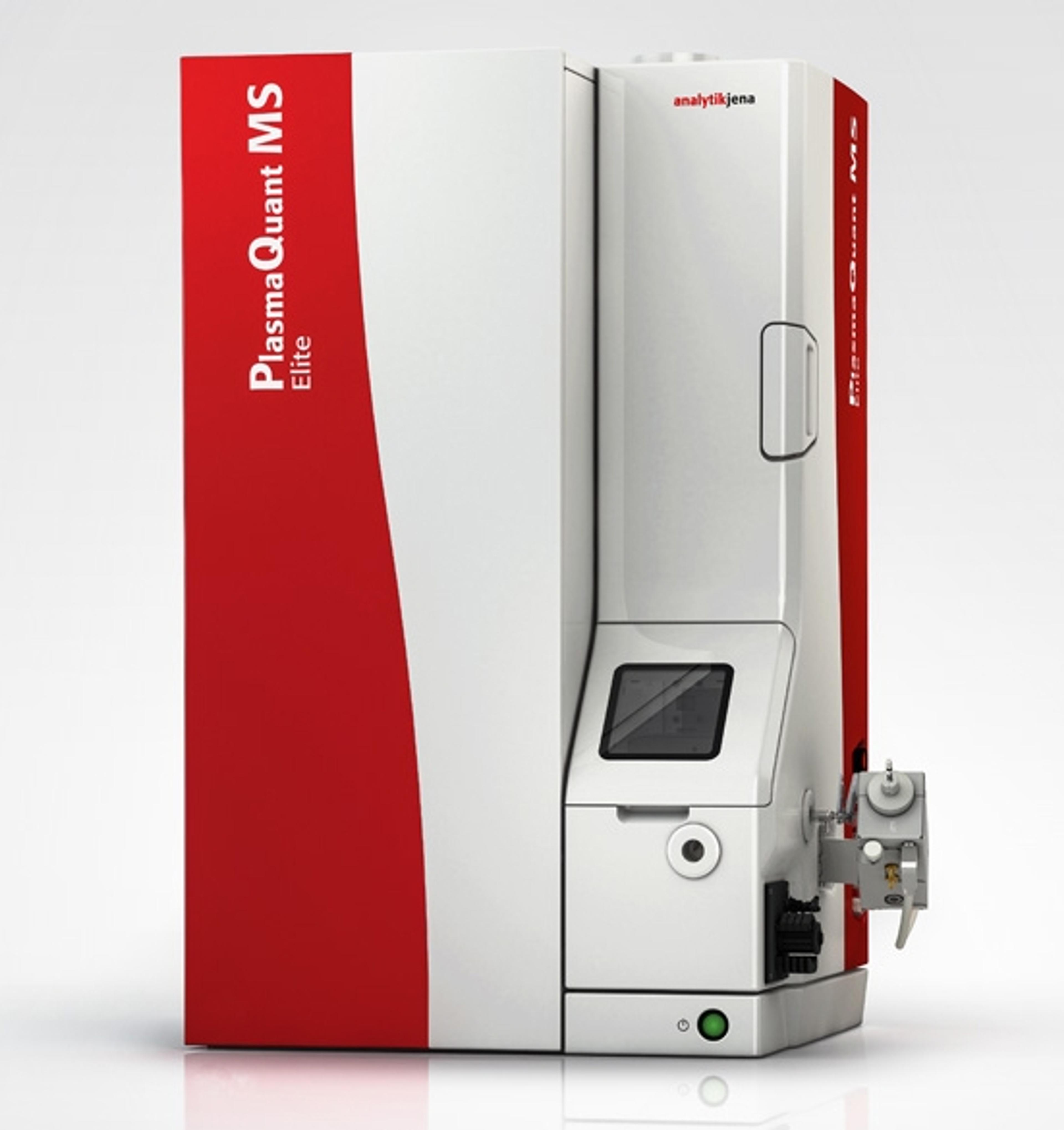
Links
Tags
LC-MSLC-MS (liquid chromatography-mass spectrometry) systems and equipment are used for separation and quantitative analysis of complex mixtures, combining liquid chromatography and mass spectrometry. Quantify proteins, contaminants, pesticides or screen for drug metabolites with a high level of sensitivity. LC-MS systems and equipment include reverse phase, normal phase and specialized columns integrated with various MS detectors such as time-of-flight (TOF), quadrupole, orbitrap or ion trap mass analyzers. LC-MS/MS instruments equipped with a qTOF or triple quadrupole analyzer give greater sensitivity and resolving power to your analysis. Find the best LC-MS equipment in our peer-reviewed product directory: compare products, check customer reviews and receive pricing direct from manufacturers.GC-MS GC-MS (gas chromatography-mass spectrometry) instruments and equipment are used to separate, quantify and identify mixtures of small and volatile compounds, such as polycyclic aromatics, fatty acids and alcohols. Often used in drug detection, forensic investigation and environmental analysis for pesticides and contaminants, GC-MS is a powerful addition to your lab’s analytical capabilities. GC-MS/MS instruments equipped with a qTOF or triple quadrupole analyzers can give greater sensitivity and resolution to your analysis. Find the best GC-MS instruments and equipment in our peer-reviewed product directory: compare products, check customer reviews and receive pricing direct from manufacturers.ICP-MSInductively Coupled Plasma Mass Spectrometry (ICP-MS) is a powerful analytical technique used to determine the concentrations of elements and their isotopes in a variety of samples, including water, soil, and biological tissues. It involves ionizing elements in the samples with extremely high-temperature Argon (Ar) plasma and then using a mass spectrometer to measure the number of ions based on their mass-to-charge ratio (m/z). Explore ICP-MS systems in our peer-reviewed product directory; compare products, check reviews, and get pricing directly from manufacturers.Elemental AnalysisElemental analysis involves determining the elemental composition of a sample, often used in environmental, pharmaceutical, and material sciences. Techniques like ICP-MS, X-ray fluorescence, and atomic absorption spectroscopy allow precise quantification of elements such as metals and nonmetals in complex matrices. Browse our peer-reviewed product directory to find the best elemental analysis tools, compare products, check reviews, and get pricing directly from manufacturers.Sample ConcentrationSample concentration involves the removal of solvents from samples using technologies such as centrifugal evaporation, lyophilization and rotary evaporation.Calibration