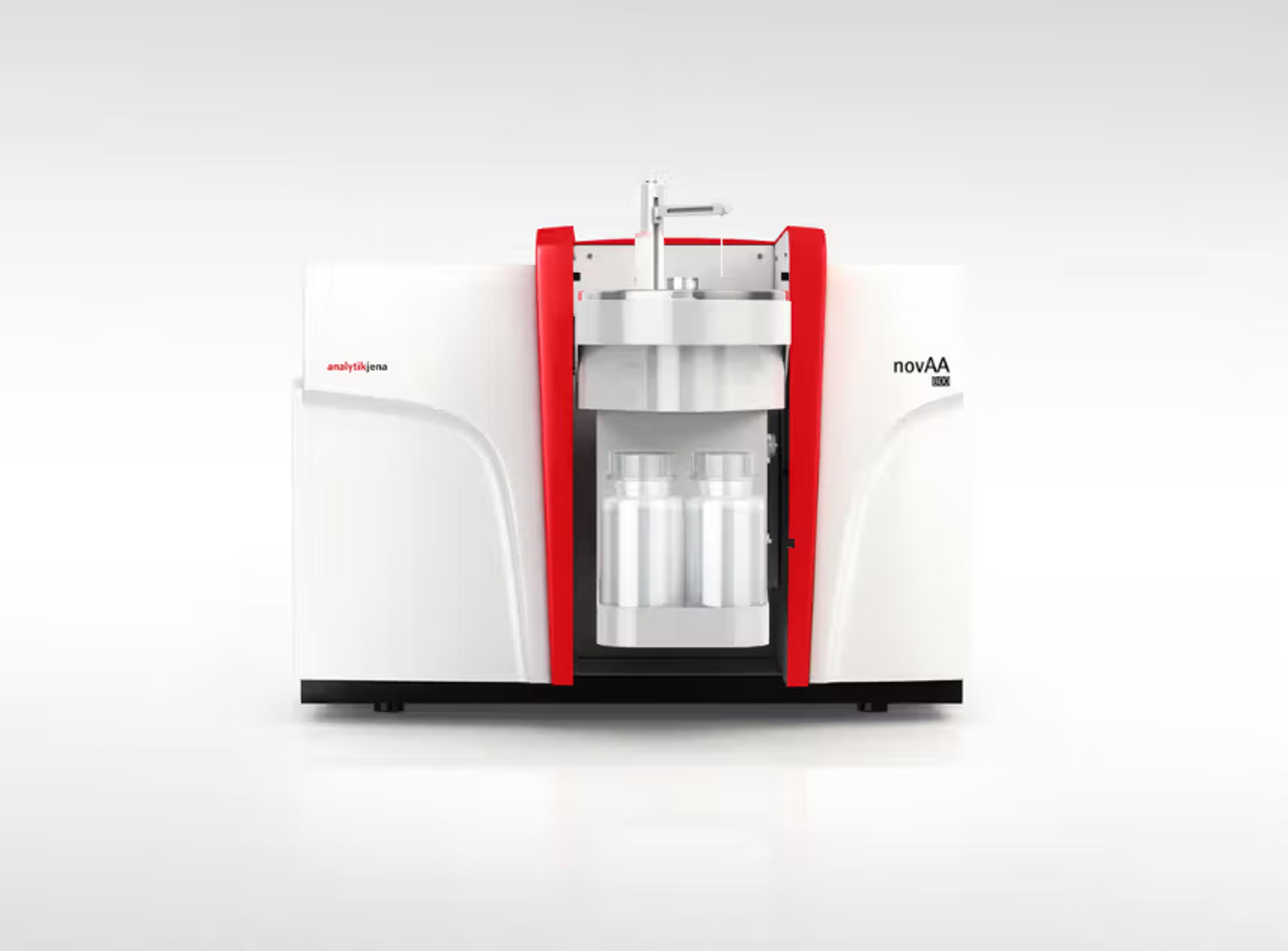
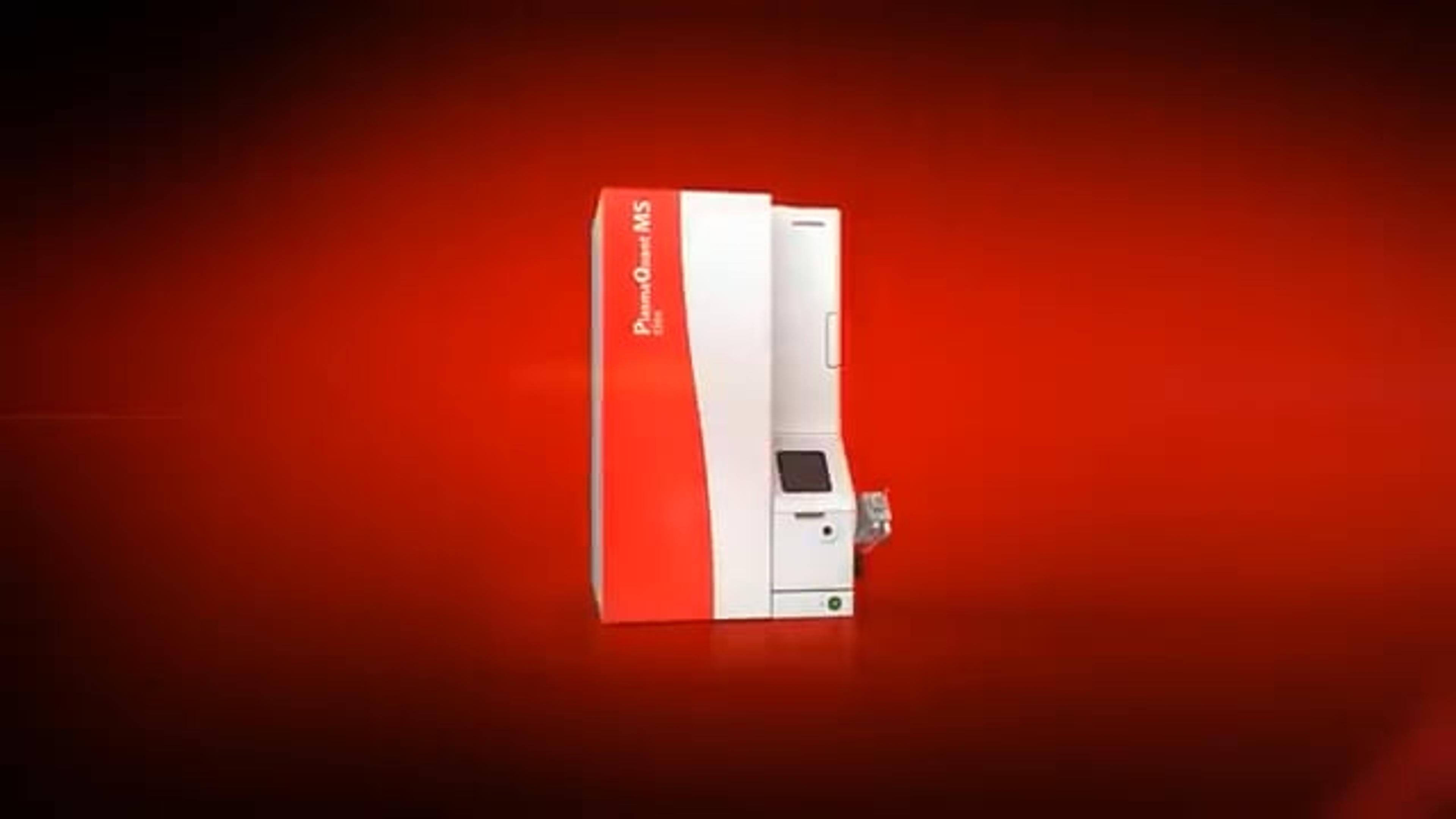
PlasmaQuant MS
ICP-MS Tailored to Your Requirements
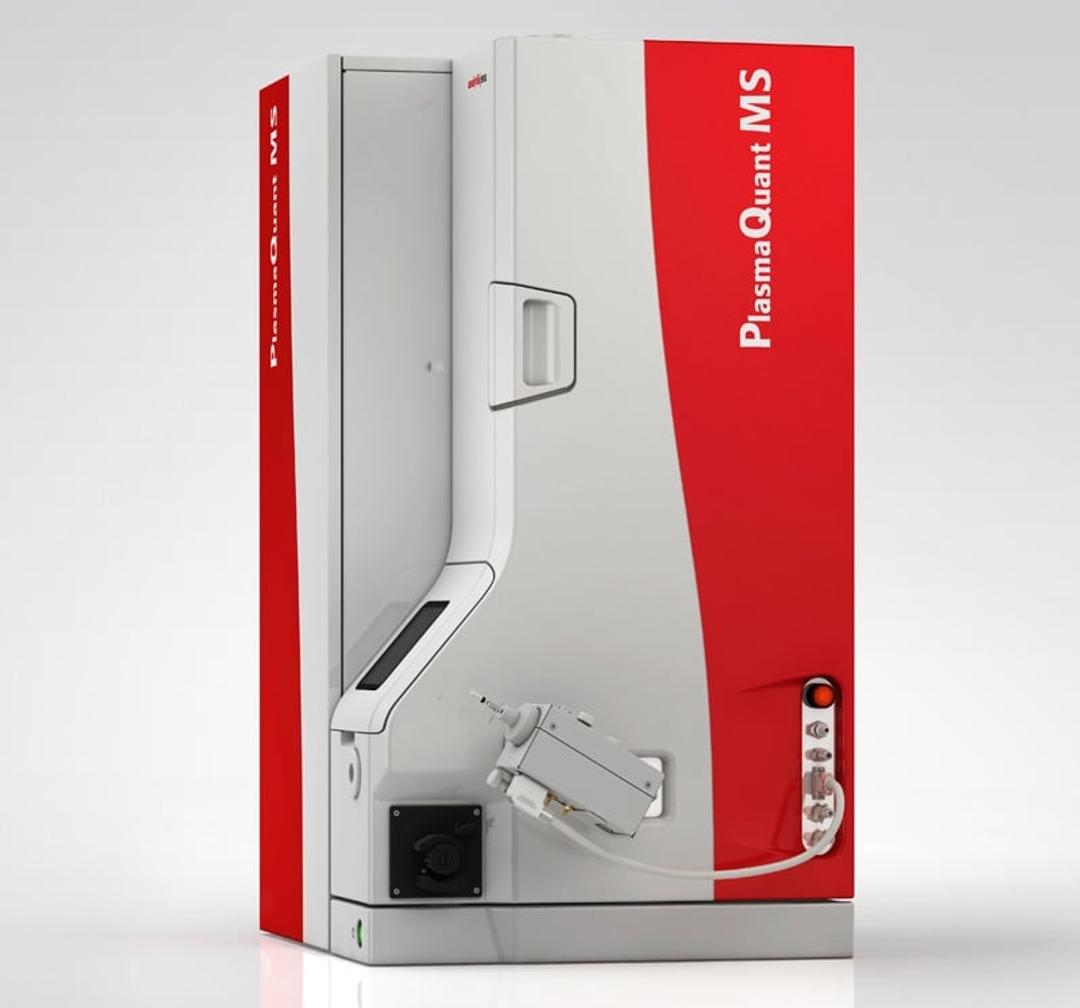
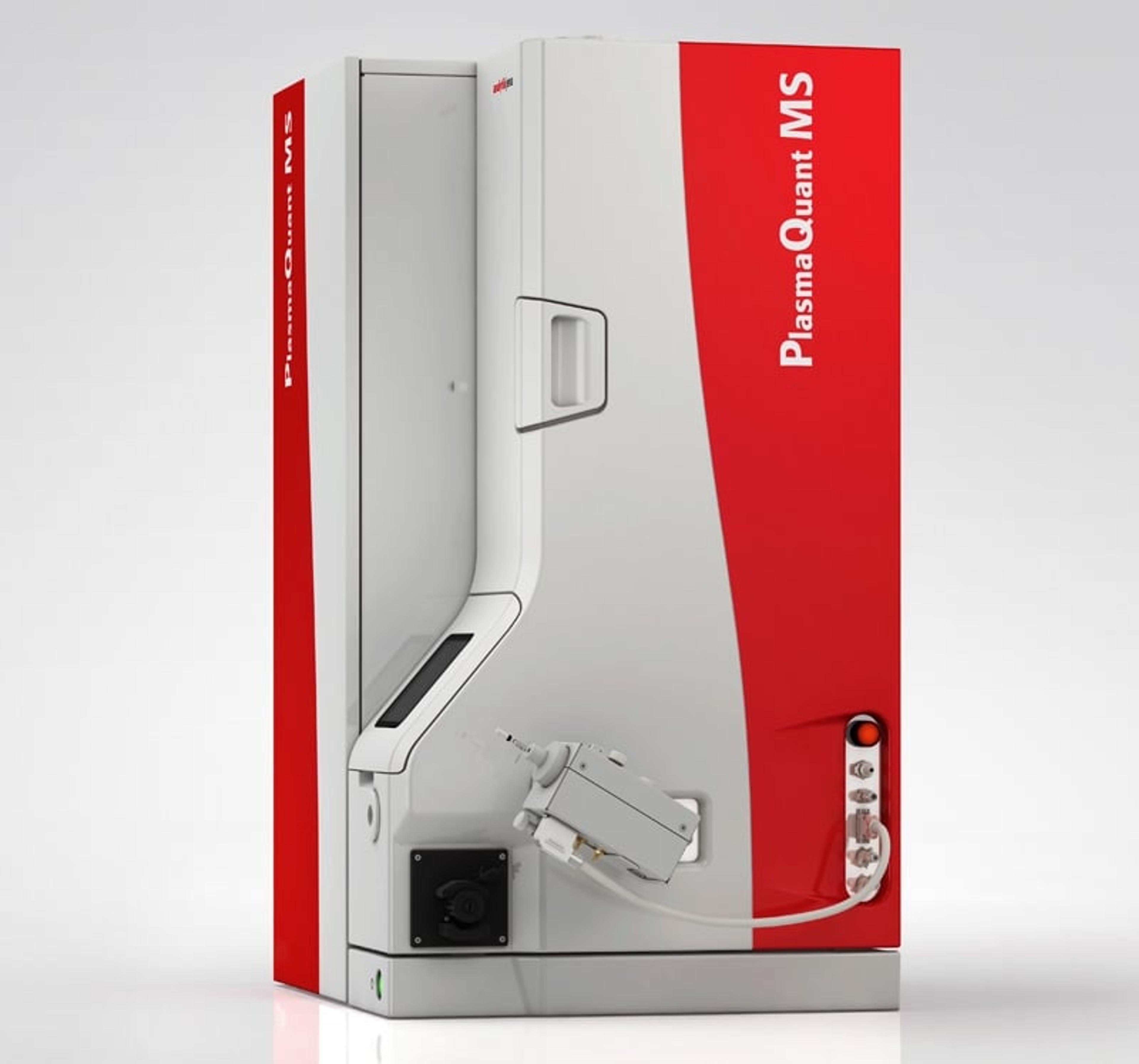
PlasmaQuant MS
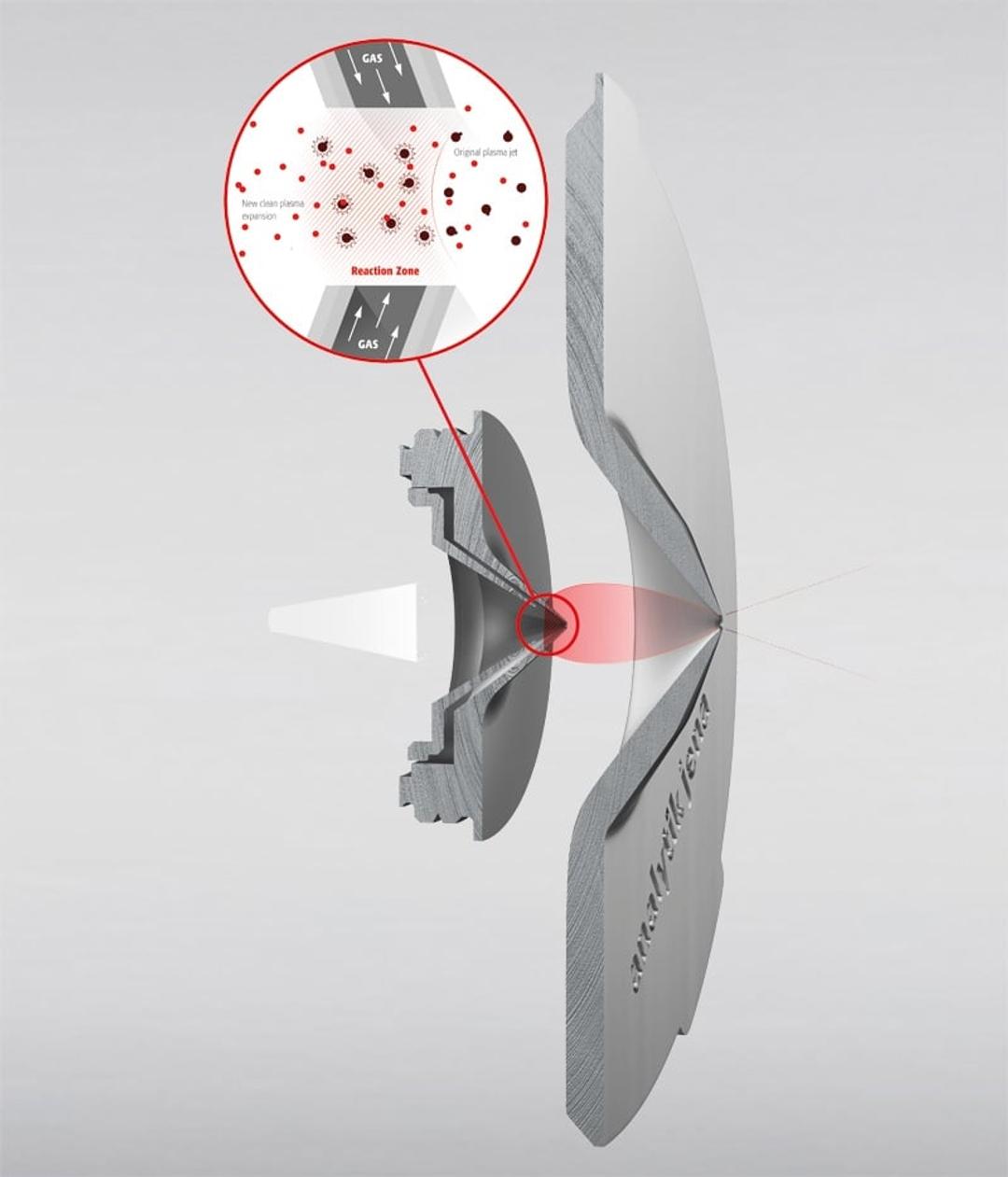
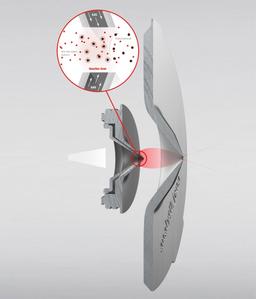
Interference management system




Receive your quote directly from the manufacturer.
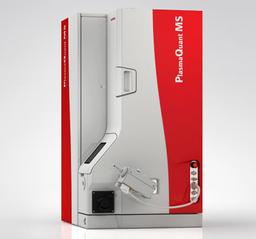
With the PlasmaQuant MS series, Analytik Jena offers ICP-MS that exceed all expectations in terms of reliability, precision and throughput and fulfill all requirements for sample handling, robustness and compliance.
PlasmaQuant MS: The system for the robust and sensitive characterization of high-matrix samples in environmental applications such as the analysis of seawater, soils and sludges and industrial applications such as waste incineration or the analysis of high-matrix samples in the metals and mining industry.
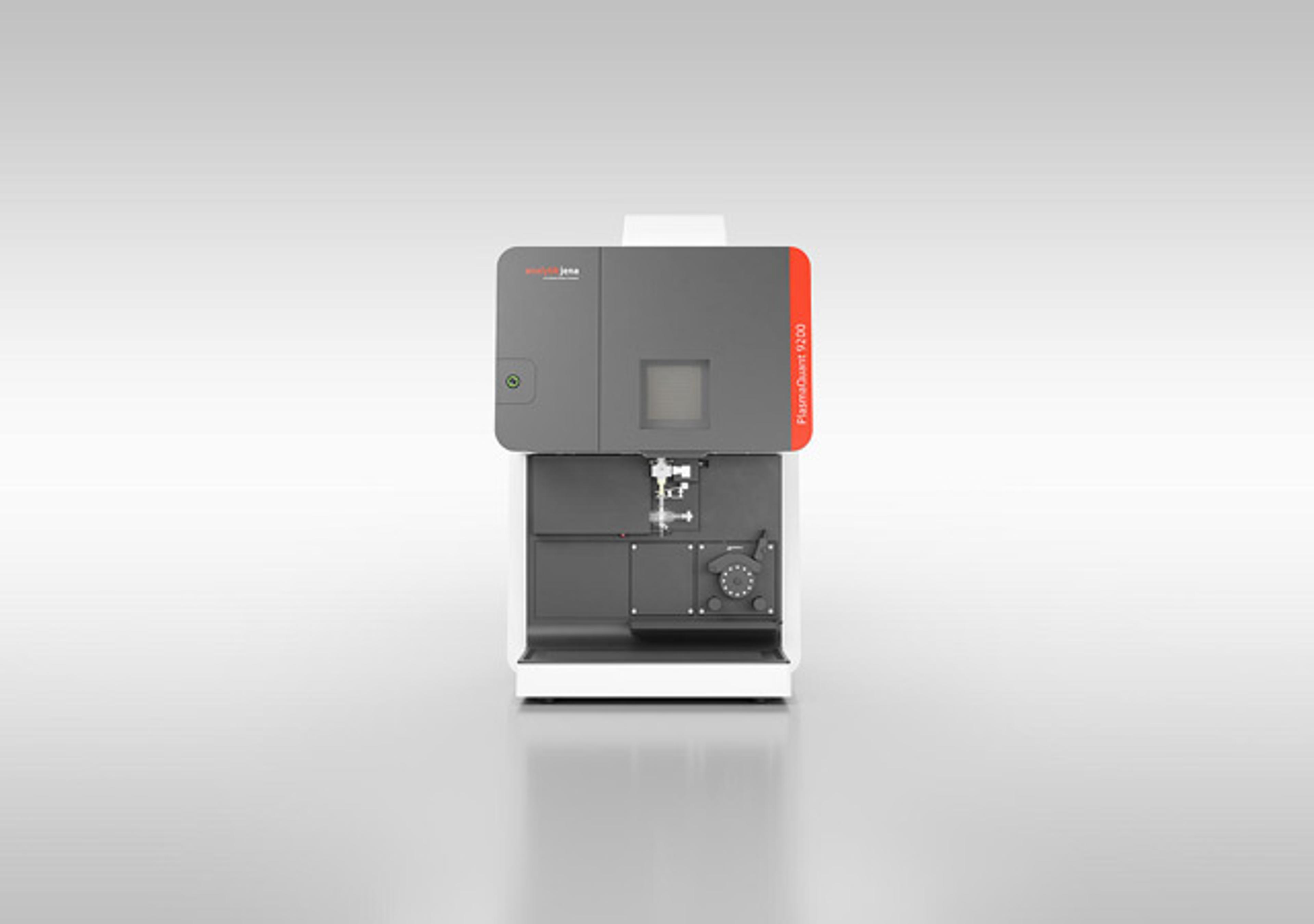
PlasmaQuant MS Q: The PlasmaQuant MS Q is the efficient, high-throughput analysis solution for quality control and environmental monitoring labs. Improve your analysis workflow for all kinds of routine applications e.g. analysis with moderate matrix concentration such as drinking or surface water, Cr species identification in consumer goods, analysis of digested food and agricultural samples (in combination with HPLC ideal for arsenic species separation) and many more.
Various upgrade options and accessories enable you to customize the ICP-MS systems of the PlasmaQuant MS series even further to certain applications.

Determining trace elements in blood serum and plasma
The determination of trace elements in human samples is a crucial method in medical diagnostics, commonly analyzing whole blood, serum, plasma, and urine for various elements. Essential trace elements like copper, zinc, selenium, and iodine serve as biomarkers for diagnosing diseases, while toxic elements such as lead, chromium, cadmium, nickel, and mercury are monitored for occupational exposure. Inductively coupled plasma-mass spectrometry (ICP-MS) is preferred for its multi-element capability, high sensitivity, and efficiency. According to EU regulation (EU) 2017/746 on in vitro diagnostic medical devices (IVDR), medical laboratories must use certified kits for these analyses, with in-house developed tests permitted only when no certified kit is available. AnalytikJena discusses using a CE and IVDR-ready kit for trace element analysis in serum and plasma by ICP-MS/MS with the PlasmaQuant MS ICP-MS, demonstrating its effectiveness in accurately determining low elemental concentrations with minimal sample preparation.
Measuring toxic elements in workplace filter dusts according to EN 14385 using ICP-MS
In this application note, Analytik Jena demonstrates the robust and sensitive determination of metal and metalloid profiles in four certified reference materials with the PlasmaQuant MS Q, showing its exemplary capability for routine analysis of filter dusts in emission testing labs.
Speed Up Your Work – High-throughput Analysis of Drinking Water with ICP-MS
In this application note, find out how the PlasmaQuant® MS enables fast and precise high-throughput analysis of 21 elements in drinking water according to U.S. EPA 200.8.
Determination of Arsenic Species in Beverages by HPLC-ICP-MS
This application note describes a gradient method for the PQ LC HPLC system developed to separate five arsenic species with special attention to well separated chromatographic signals in shortest time. To test the method‘s applicability for real samples, commercially available apple juice and orange juice samples were analyzed.
Multi-Element Analysis of Biological Materials by ICP-MS Using Alkali Dilution
The fast, multi-element capability and wide dynamic range of Inductively Coupled Plasma – Mass Spectrometry (ICP-MS), makes it the technique of choice when it comes to elemental analysis of biological materials including urine, whole blood, plasma and serum. This application note describes a study that demonstrates that alkali dilution of biological materials of a clinical nature is an effective sample preparation procedure for multi-element analysis by ICP-MS.

Iron Isotope Ratios in Human Whole Blood by PlasmaQuant MS
Fe isotopic analysis by ICP-MS is a real analytical challenge because of the numerous and severe isobaric and polyatomic interferences on the four stable isotopes. This study combines the techniques of cool plasma and collision/reaction cell to completely eliminate polyatomic interferences and achieve the necessary precision and accuracy in the determination of Fe isotopes to distinguish between male and female whole blood samples.
Preparing Biological Samples for Elemental Analysis by ICP-MS
This article discusses the comparison of three sample preparation techniques for the analysis of biological solutions, with an emphasis on whole blood. The study involved preparing and analyzing various plasma, serum, urine and whole blood control standards, and determining the concentration of various elements in each matrix from a single, external calibration.

Monitoring Drinking Water Quality with the PlasmaQuant® MS
Fresh drinking water is needed for life as well as being a valuable source of vital minerals for health. ICP-MS has become the technique of choice for the monitoring of drinking waters. This application note demonstrates that the PlasmaQuant® MS provides fast and accurate analysis for monitoring the quality of drinking water. The advancement of sample introduction accessories reduces analysis times to less than 1.5 minutes while iCRC technology eliminates problematic interferences quickly and without compromise.
Ultra-Trace Determination of Mercury in Environmental Waters using the PlasmaQuant® MS
Mercury is a neurotoxin which rapidly bioaccumulates, leading it to be considered as one of the top ten chemicals of public health concern by the World Health Organization. Recent regulations set out in the EU Water Framework Directive define the maximum allowable concentration (MAC) for mercury as 0.05 µg/L. This application note describes how the PlasmaQuant® MS can be optimized for detection of these ultra-trace levels of mercury.
Determination of Trace Elements and Isotope Ratios in Borated Cooling Water of a Nuclear Power Plant
Nuclear power plants are an important and efficient source of electrical energy, and many modern plants use a pressurized water reactor (PWR) due to their improved safety and self-regulating capability. In PWRs, the coolant water is also used as a moderator by letting the neutrons undergo multiple collisions with light hydrogen atoms in the water, losing speed in the process. Boron is often added to the reactor coolant as a neutron absorber to control the nuclear reactivity in the primary reactor. Controlling the pH of the coolant is crucial in maintaining the system and prolonging the life of the fuel rod cladding. This application note demonstrates the analysis of a sample of borated cooling water using ICP-MS.
The PlasmaQuant MS
The PlasmaQuant MS from Analytik Jena is a high-sensitivity ICP-MS system designed for both routine and advanced elemental analysis. Discover how by combining innovative ion optics, powerful interference removal technology, and an all-digital detection system, it delivers exceptional detection limits, accurate isotopic analysis, and reliable multi-element measurements from ultratrace to major concentrations.
Enhanced ICP-MS Analysis Tailored to a Range of Applications
In this video, learn about the PlasmaQuant MS series from Analytik Jena, designed with the modern laboratory in mind to provide faster and more sensitive ICP-MS analysis, for applications from food analysis to biopharma.
This interview was filmed as part of our coverage of Pittcon 2019 - see other video highlights here >>

How Analytik Jena's technologies safeguard the circular economy of valuable metals
Dwindling resources and increasing demand for valuable metals illustrates the importance of the technologies used to assist in ensuring a sustainable circular economy

11 New Lab Technologies that Stole the Spotlight at Pittcon 2019
SelectScience editors report on the new technology taking the limelight at the 2019 Pittcon conference & expo - the conference’s 70th year running
Top 10 Mass Spectrometry Downloads for Clinical Scientists
Discover the application notes, scientific posters and compendiums being downloaded daily by clinical scientists
The Latest Applications of Mass Spectrometry
Prepare for the American Society for Mass Spectrometry(ASMS) Annual Meeting by discovering the many applications of mass spectrometry – from pesticide detection to imaging for cancer therapy

11 Methods to Ensure Food Safety
Discover the latest news, videos and downloads from the SelectScience® library