New resources to advance your COVID-19 research

Discover the latest technologies and techniques to aid research into the biology, detection, and prevention of SARS-CoV-2 infection

16 Feb 2021

Diane Li
Assistant Editor

Editorial article

COVID-19: A new generation of research

As a leading digital science publisher, SelectScience is committed to playing its part in the global effort to tackle COVID-19 by promoting communication, knowledge share, and technology solutions. As part of our new special feature, COVID-19: A new generation of research, we've pulled together a selection of top new resources to support research into the biology, detection, and prevention of SARS-CoV-2 infection.

Gain insight into why symptoms are so varied, learn how to detect and tackle new variants, explore the link between cytokine research syndrome and severe infection outcomes, watch relevant webinars, explore top COVID-19 research news, and more.

Arvind Kothandaraman

EXPERT INSIGHT: How to tackle the emerging COVID-19 variants

Learn more about SARS-CoV-2 mutations and how to manage the associated challenges using PerkinElmer’s tools, in this interview with specialty diagnostics leader Arvind Kothandaraman.
Read Article

Glycosylation of the receptor binding domain of COVID-19 virus spike protein

GLYCOSYLATION: Find the best recombinant Spike RBD proteins for your research

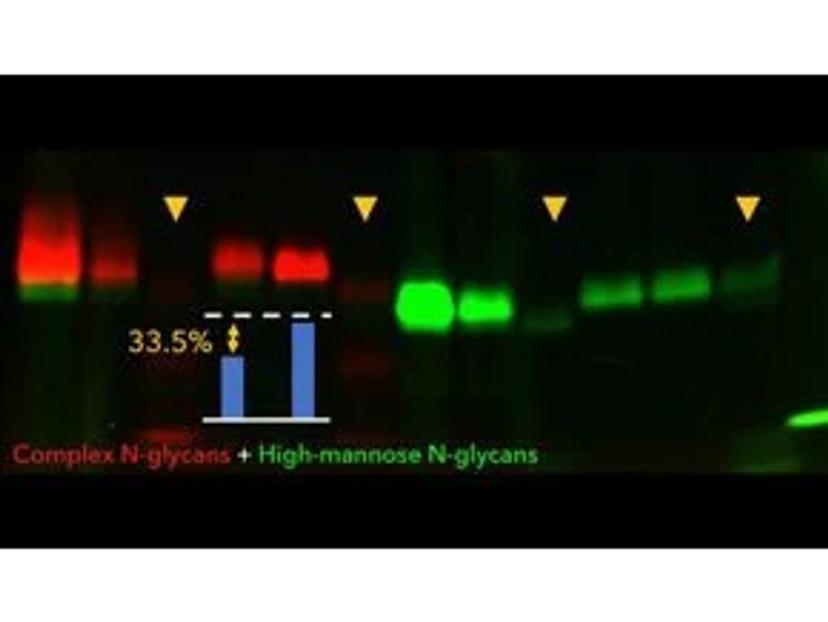
Find out how Bio-Techne uses direct fluorescent glycan labeling (DFGL) probing to discover major differences in the glycosylation of the SARS-CoV-2 Spike RBD protein expressed in four different key cell lines.
Download Method

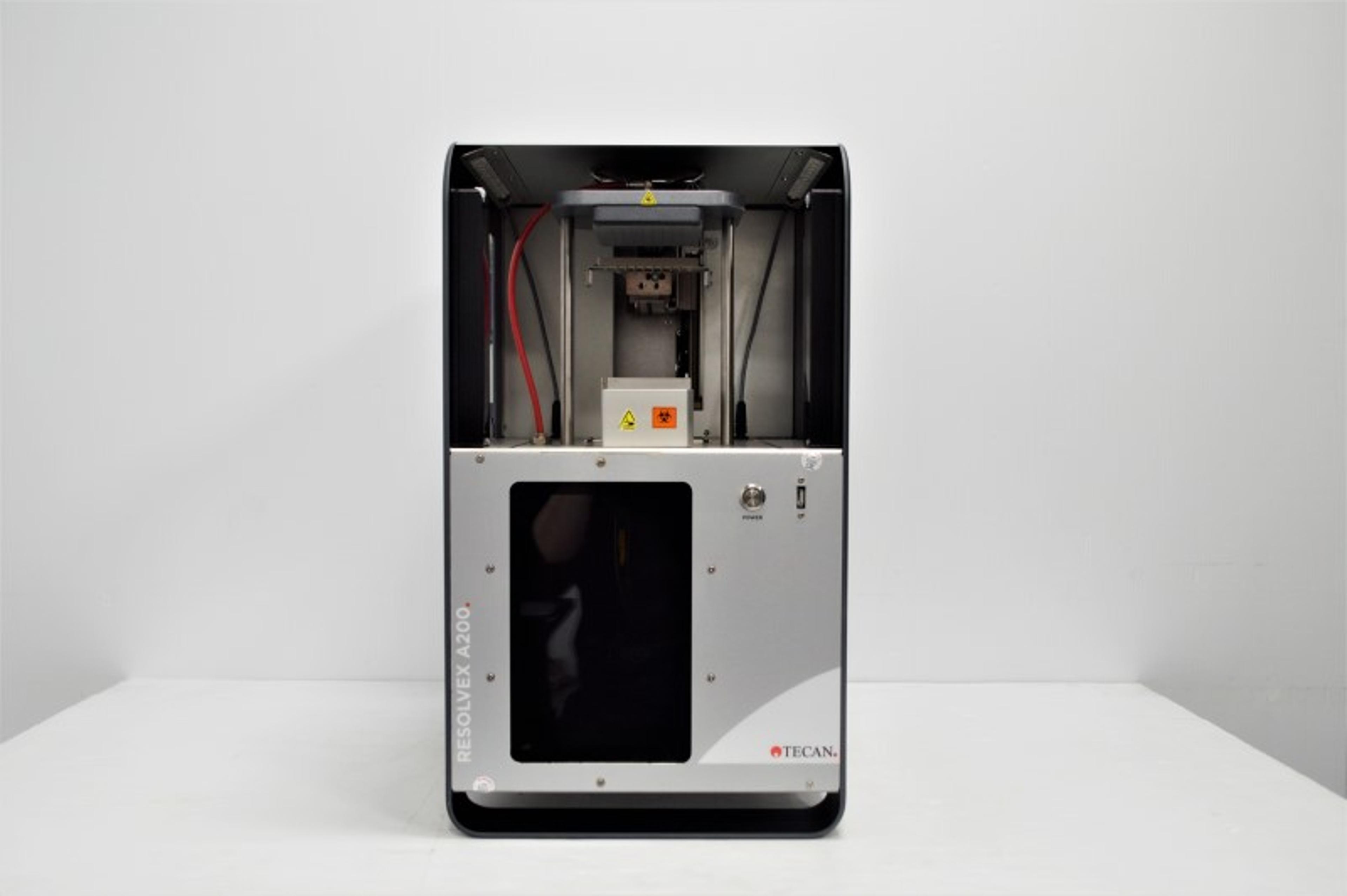
High throughput silica membrane-based viral RNA extraction using positive pressure

VIRAL RNA: Automation for high-throughput purification

Meet the high demand for viral RNA isolation with Tecan's Resolvex A200 workstation, designed to handle 96 samples an hour with high-throughput extraction, rapid processing of silica membrane extraction plates under positive pressure and reduced hands-on time.
Download Method

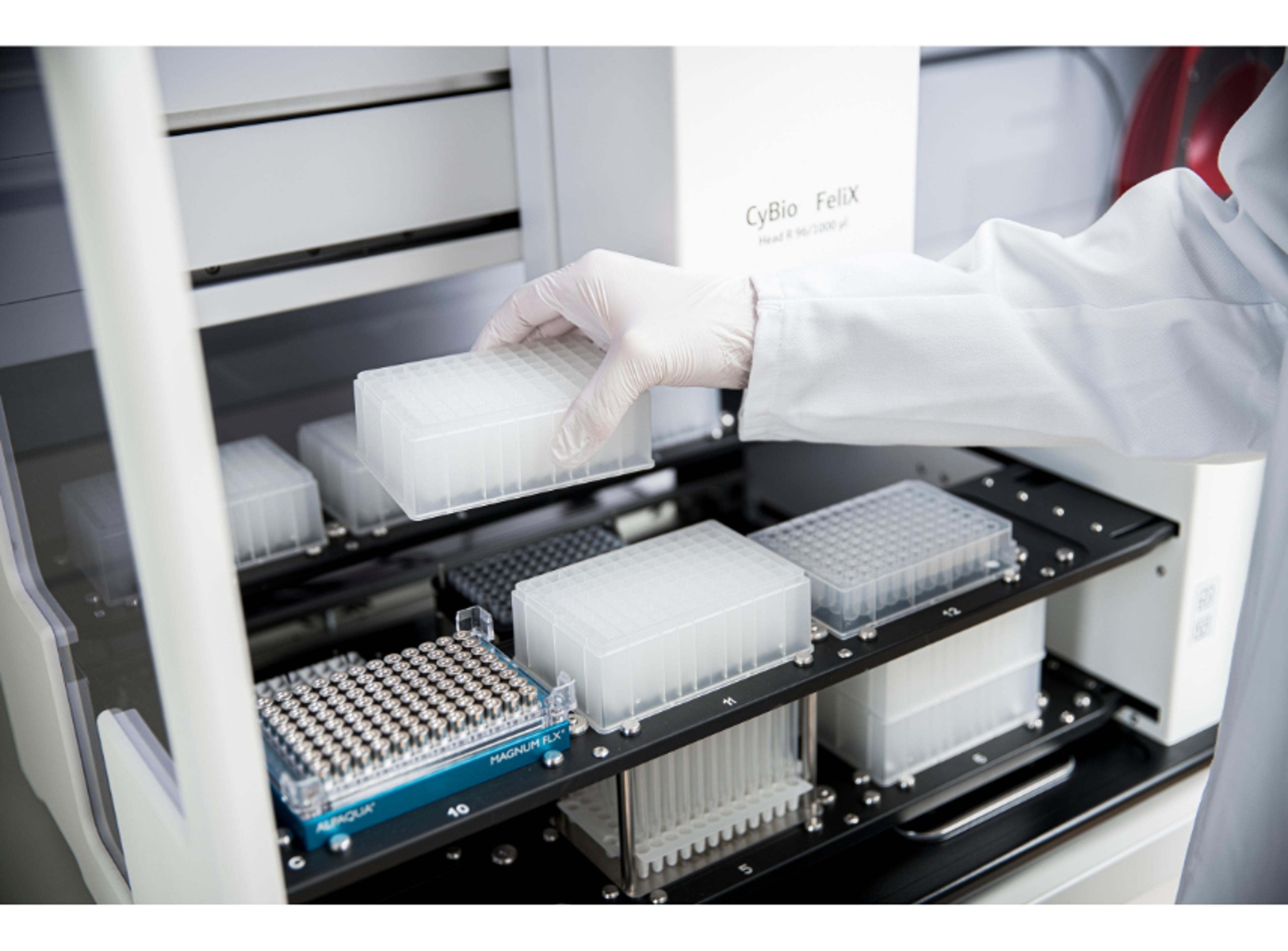
Automated, high-throughput plasmid DNA isolation from bacteria cells

PLASMID DNA: Automated high-throughput isolation from pathogens

Isolating plasmid DNA is an essential technique that can prove challenging when high throughput is needed. Here, Analytik Jena shares an automated, multiwell-based extraction method for high-quality plasmid DNA isolation.
Download Method

Aberrant cytokine activity in the host immune response to COVID-19 leads to cytokine release syndrome

CYTOKINE RELEASE SYNDROME: An underlying factor of COVID-19 deaths

Discover how Bio-Plex Pro Cytokine Assays from Bio-Rad can help explore the link between cytokine release syndrome (CRS) and severe COVID-19 outcomes, including acute respiratory distress syndrome and death.
Download Method

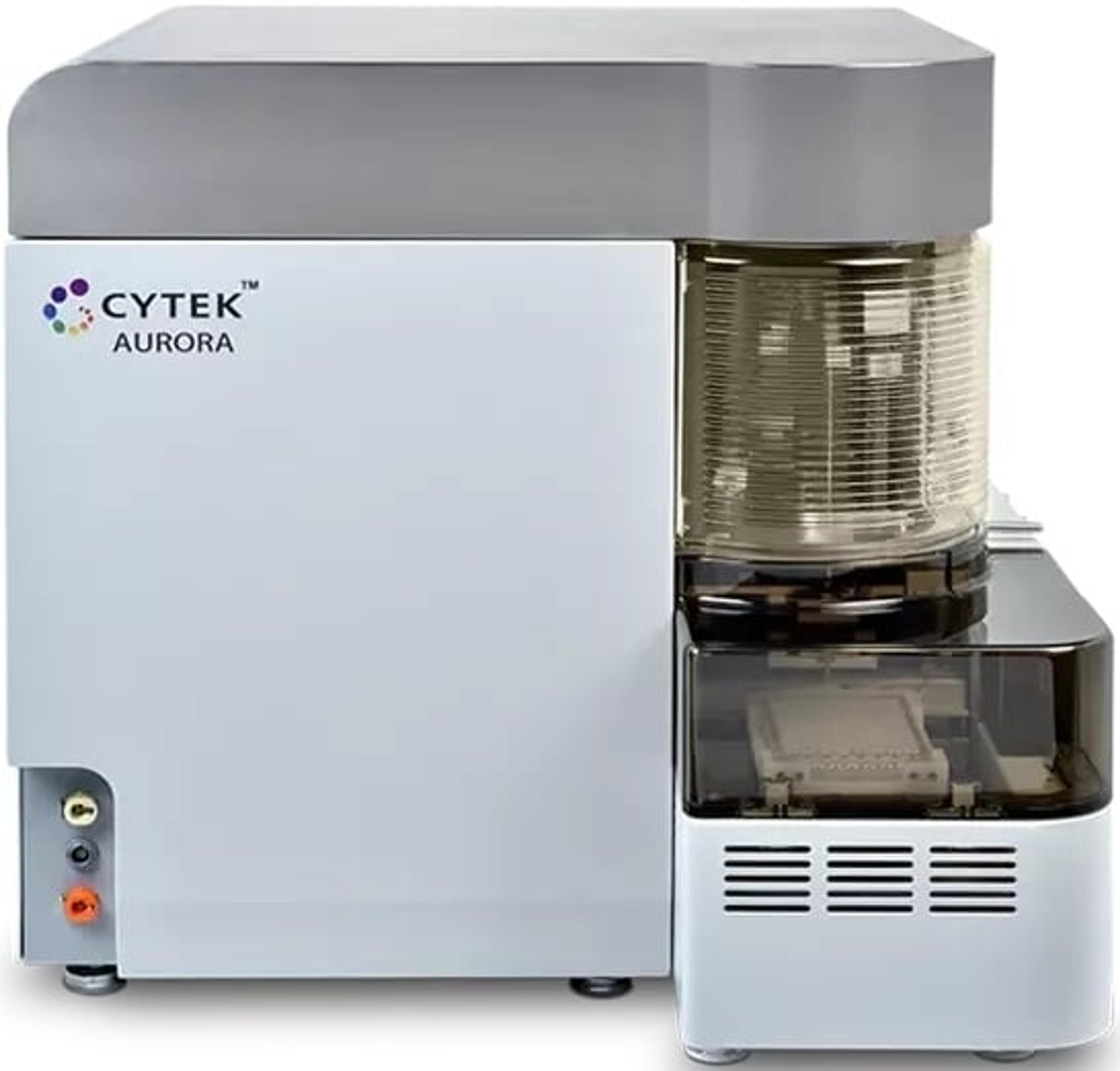
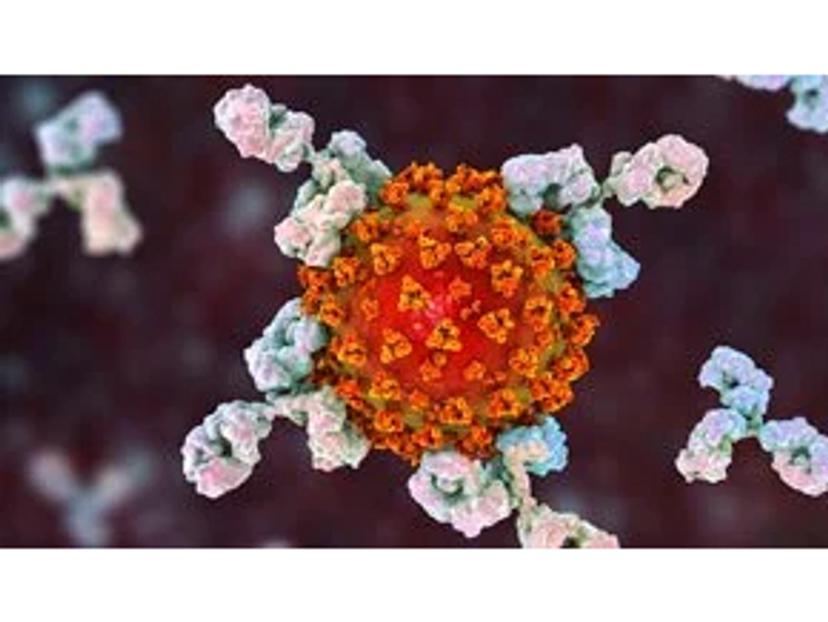
Applying panel design principles to investigate COVID-19 immune response with the Cytek Aurora

IMMUNE RESPONSE: Why do symptoms vary so much?

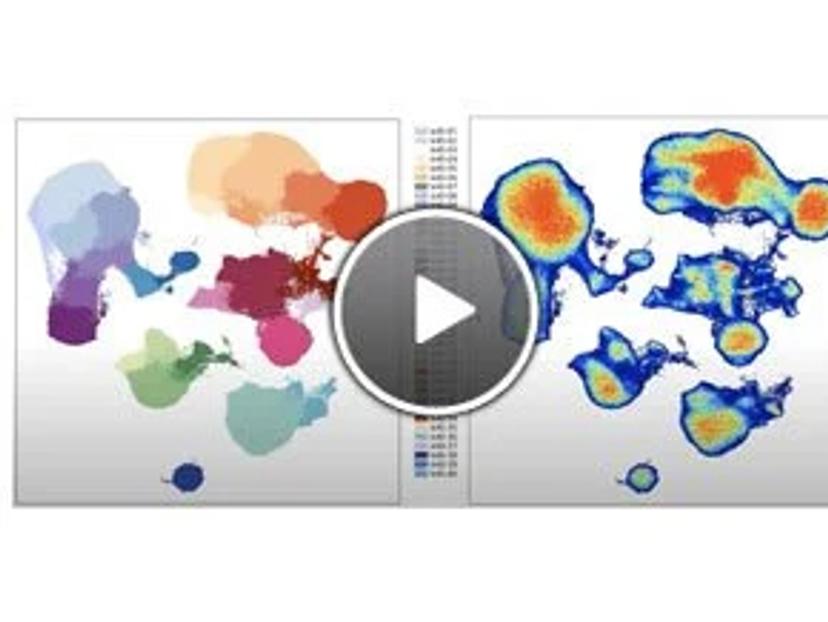
Discover how researchers are creating a clearer picture of the COVID-19 immune response with the Cytek Aurora from Cytek Biosciences, capable of high-throughput and highly complex single-cell analysis.
Watch Video

PCR VS ANTIBODY TESTS: Handling COVID-19 samples safely

PCR VS ANTIBODY TESTS: Handling COVID-19 samples safely

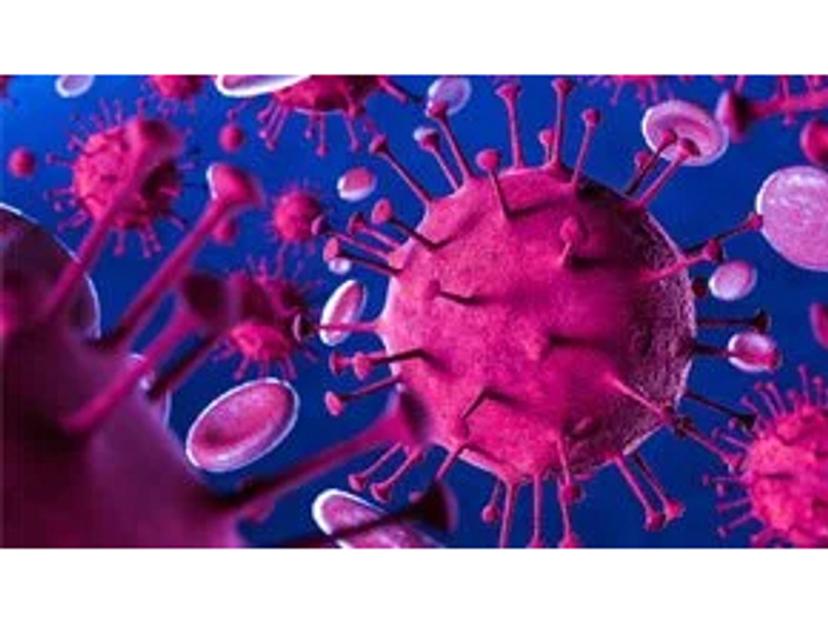
Explore the difference between viral & antibody tests for COVID-19 detection, and learn about the pivotal role of biological safety cabinets for safe handling of biohazards, with this poster from Esco Technologies.
Download Poster

Automated, high-throughput plasmid DNA isolation from bacteria cells

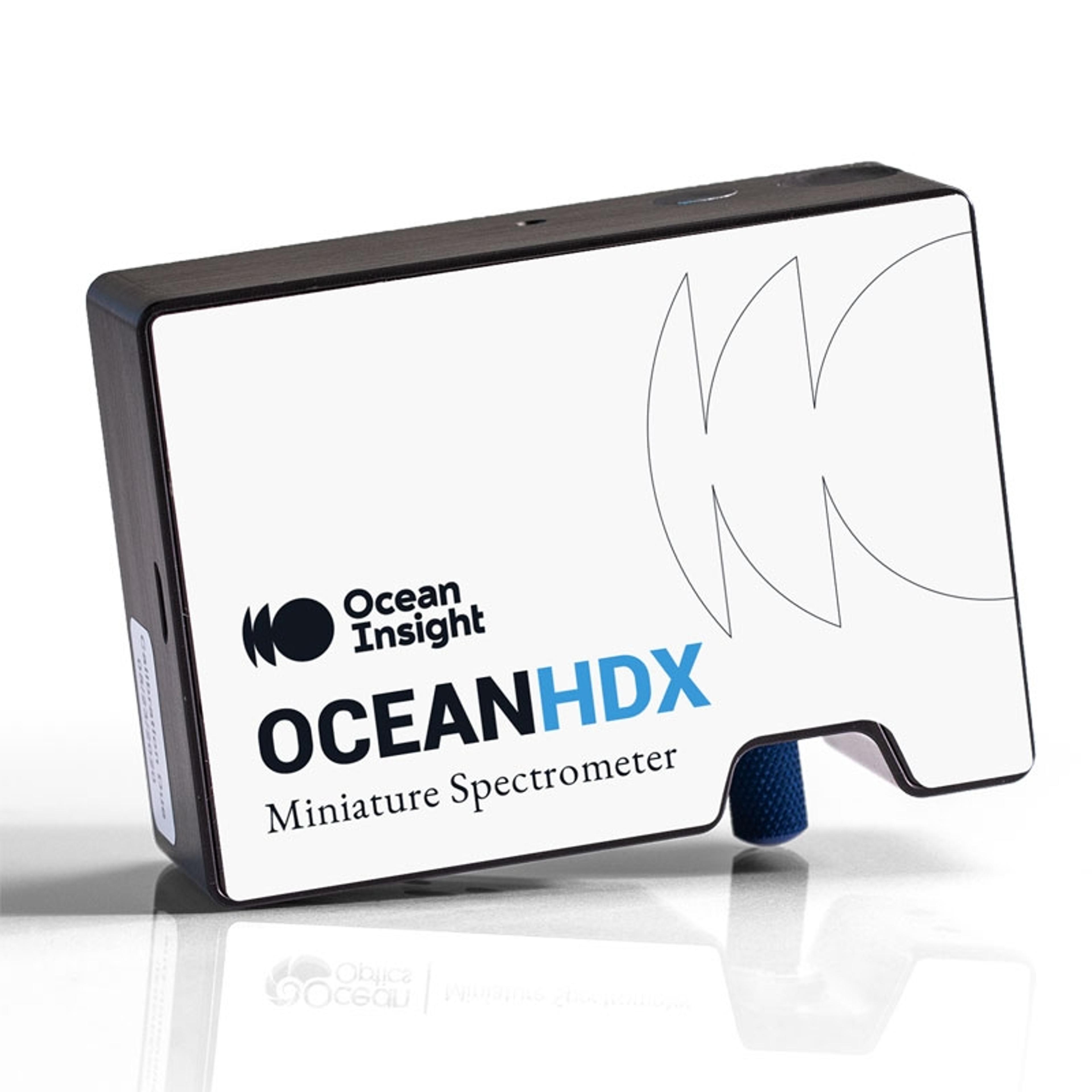
SPECTROSCOPY GOES VIRAL: Emerging tools for rapid trace-level detection

With viral detection increasingly important, Ocean Insight explores the cutting-edge optical sensing tools available for rapid viral screening for COVID-19 via Raman, PCR, and fluorescence techniques.
Download Method

Automated, high-throughput plasmid DNA isolation from bacteria cells

GENETIC VACCINES: Accelerating R&D with advanced analytics

COVID-19 has biopharma racing to develop and adapt vaccines, particularly in light of emerging strains. Learn how SCIEX has been enabling genetic vaccine research and development to meet these reduced timelines.

Download eBook

More exclusive interviews and articles:

Watch experts on video:

Check out these webinars:

Your recommendations:

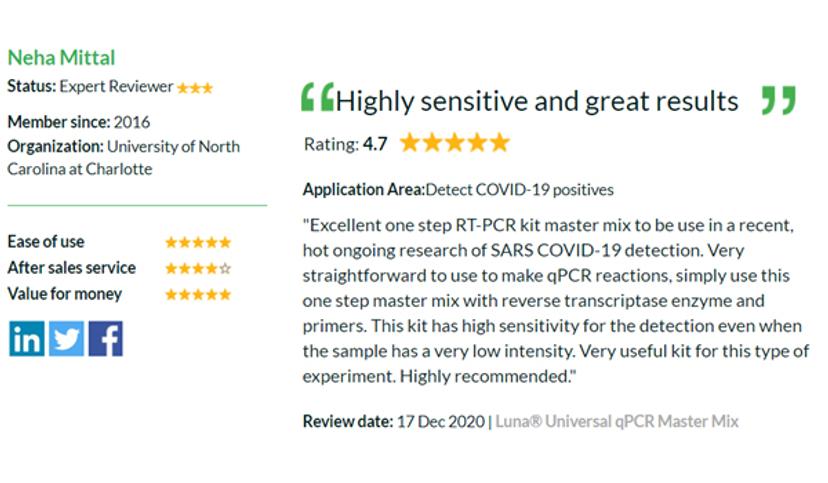
Take a look at what other researchers and scientists are saying about the latest equipment and technologies in COVID-19. Here, Dr. Neha Mittal, UNC Charlotte, shares her opinion on the Luna Universal qPCR Master Mix:
Neha Mittal Luna Universal qPCR

Find more news and resources in our COVID-19 Special Feature>>
Links

Tags

Fluorescence SpectroscopyFluorometers and spectrofluorometers (also called fluorescence spectrometers) are used to measure the intensity and wavelength of fluorescent light emitted from a sample after excitation by illumination. Spectrofluorometers utilize monochromators to select the desired wavelengths, whereas filter fluorometers employ a set of filters. Spectrofluorometers for measuring steady-state fluorescence and lifetime fluorescence (or time-resolved fluorescence) are available, as well as fluorescence microscopes and microplate readers. Find the best fluorescence spectroscopy products in our peer-reviewed product directory: compare products, check customer reviews and receive pricing direct from manufacturers.Raman SpectroscopyRaman spectroscopy is used to discern the vibrational and rotational states of molecules and hence the chemical composition of a sample by measuring the inelastic scattering of monochromatic light. Explore a range of Raman spectrometers, including handheld/portable Raman spectrometers for QC/QA labs and in situ spectrometers for processes. Conduct Raman imaging for microanalysis of mixed samples using a Raman microscope. Raman spectrographs are also available. Find the best Raman spectroscopy products in our peer-reviewed product directory: compare products, check customer reviews and receive pricing direct from manufacturers.AntibodiesAntibodies are used in techniques such as confocal and fluorescence microscopy, flow cytometry, ELISA, ELISPOT, immunohistochemistry, western blotting and immunopreciptation. Select specific antigen reactivity, high specific affinity, low non-specific binding, monoclonal or polyclonal, primary or secondary antibodies and associated conjugates such as an enzyme or dye for visualization.Combinatorial ChemistryCombinatorial chemistry, also known as combichem, is a technique used in drug discovery to create libraries of structurally related compounds. A library is generated by synthesis with a chemical reactor system or by computer-based modeling of compound combinations. When undertaking combinatorial chemistry consider reagents, buffers, resins and standards.GlycobiologyGlycobiology encompasses research into the biological functions, synthesis and structures of glycans, including glycoproteins, glycolipids, proteoglycans and free oligosaccharides. Mass spectrometers and their software are commonly used in the study of glycobiology, along with structure predicting tools, chromatography and NMR.PCR and Thermal CyclingPolymerase chain reaction (PCR) kits and thermal cyclers are used for the in vitro amplification of DNA permitting subsequent analysis and experimental procedures. Explore a range of high-quality polymerase, primers and nucleotides or simplify your workflow with a PCR mastermix. Find reverse transcription PCR (RT-PCR) and cDNA synthesis kits for RNA products and libraries. Quantitatively measure the amplification of DNA with real-time PCR (qPCR) and droplet digital PCR (ddPCR) kits and systems, and discover automated PCR setup solutions to increase throughput. Alternative DNA amplification methods also include recombinase polymerase amplification (RPA) kits. Find the best PCR kits and thermal cyclers and purification equipment in our peer-reviewed product directory: compare products, check customer reviews and receive pricing direct from manufacturers.Data AnalysisData analysis hardware and software is available to make data processing straight-forward yet powerful. Data software can be used for math and stats, technical graphing and image analysis. In addition, software is available for specific data analysis of electrophoresis, densitometry, ELISA and DNA sequencing.ImmunologyImmunological techniques measure and characterize immune responses. Immunology kits and analysis systems often use techniques such as ELISA, radioimmunoassay (RIA) and immunodiffusion assays, Immunohistochemistry, and flow cytometry. Immunologists use equipment such as flow Cytometers, plate readers, plate washers and fluorescent microscopes.Cellular PathologyCellular Pathology deals with the microscopic analysis of tissue samples and cells. Sample preparation and processing includes fixation, staining, sectioning and slide mounting, using equipment such microtomes and cryostats. In choosing immunohistochemistry and immunocytochemistry kits, consider chromogens, staining method, antibodies, microscopes and imaging.DNA / RNA Extraction and PurificationPurified DNA and RNA are required for numerous downstream molecular biology applications. Consequently, the importance of high-quality DNA/RNA extraction and purification equipment cannot be underestimated. Many purification kits are available and are typically optimized for nucleic acid type and source, including plasmid DNA, genomic DNA, mRNA, RNA and viral nucleic acid purification kits. Automated extraction and purification of nucleic acids can be implemented with magnetic bead separator instruments or high-throughput purification workstations. Find the best DNA/RNA extraction and purification equipment in our peer-reviewed product directory: compare products, check customer reviews and receive pricing direct from manufacturers.Biopharmaceutical AdvancesBiopharmaceutical advances follow the development of pharmaceuticals derived from biotechnology, also known as biotechnology medicines. Biopharmaceuticals may be produced from cell lines, plants, or microbial cells. Important considerations of biopharmaceutical use include application, cost, production process and purification.Clinical TrialsClinical Trials, an essential part of drug discovery process, assess the safety and effectiveness of a new medication or device in the pharmaceutical industry. Clinical Trials are a phased process (Phase 0, Phase I, Phase II, Phase III and Phase IV) which begins after initial preclinical testing.Clinical ChemistryBiochemistry (or clinical chemistry) involves the analysis of bodily fluids using chemical tests. Techniques used include HPLC, chromatography, spectroscopy, mass spectrometry, immunochemical, electrophoresis, turbidometric / spectrophotometric assay, MRI and ISE analysis. Tests are often carried out on plasma or serum but urine (urinalysis) and fecal specimens are also processed.Clinical GeneticsMolecular Genetics covers the analysis of hereditary genetic disease and chromosomal abnormalities. Genetics can be analysed using DNA, RNA, and protein microarrays, PCR, RT PCR and DNA sequencing. Genetic equipment includes genetic workstations, thermal cyclers, cooling blocks and electrophoresis products. Diagnostic kits are used for DNA / RNA extraction and purification.Clinical MicrobiologyMicrobiology is the study of microorganisms including protists, prokaryotes, fungi, and, often, viruses. Microorganisms are a useful research tool as genetic vectors and, in immunology, for antibiotic susceptibility testing, cellular biology and genetics. Microorganisms commonly grow readily in incubators with microbial culture media; this can contain chromogenic supplements to differentiate between cell lines. Estimate your culture’s density of microorganisms with colony counters, or screen and select colonies for desirable clones with automated colony pickers. Additionally, equipment is available to monitor environments for the presence of microbes and identify with microbial identification instruments. Find the best microbiology products in our peer-reviewed product directory: compare products, check customer reviews and receive pricing direct from manufacturers.