New Mass Detector for HPLC, GC, SFC and More

5 Sept 2011
Roger Wayman
Administrator / Office Personnel

Product news

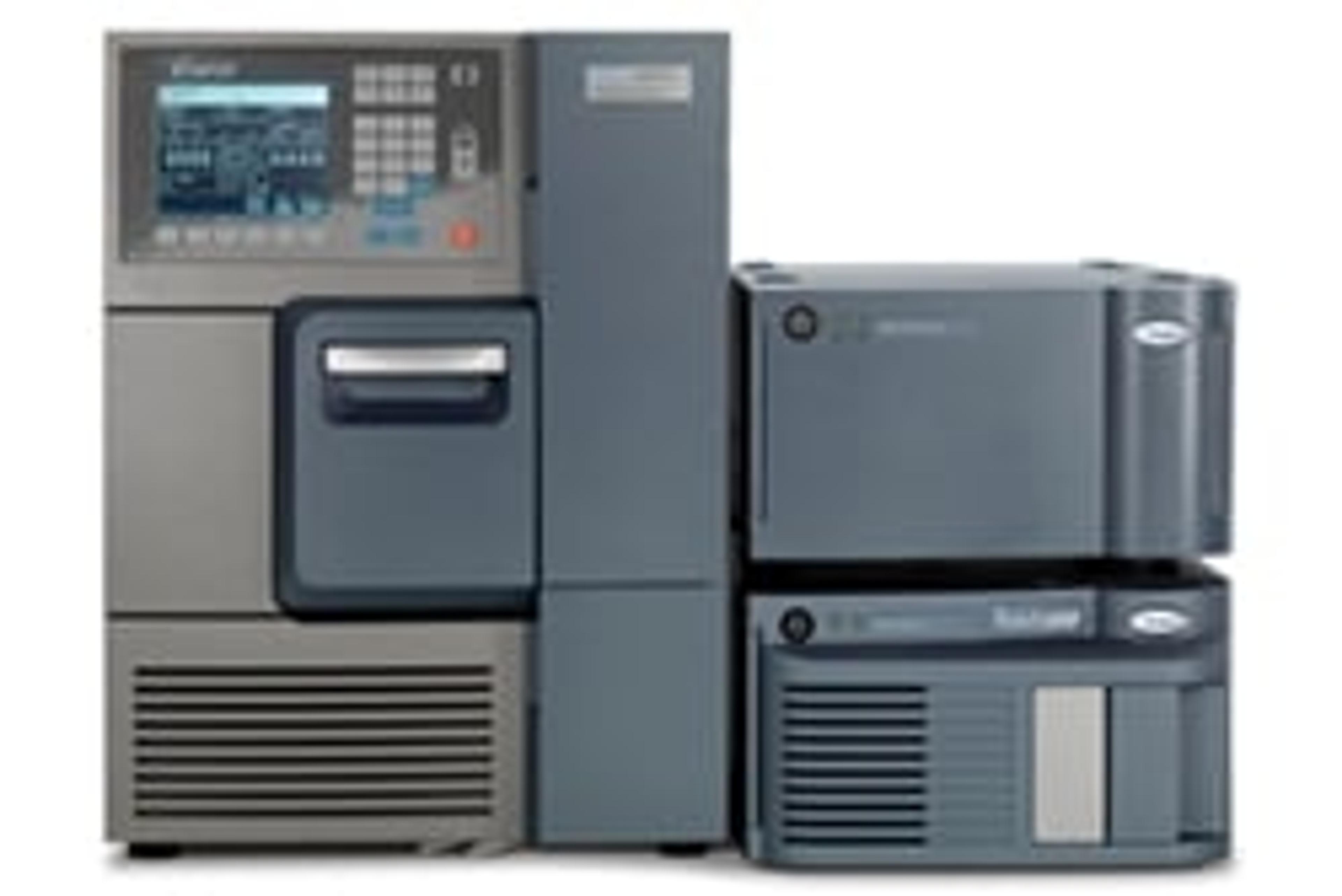
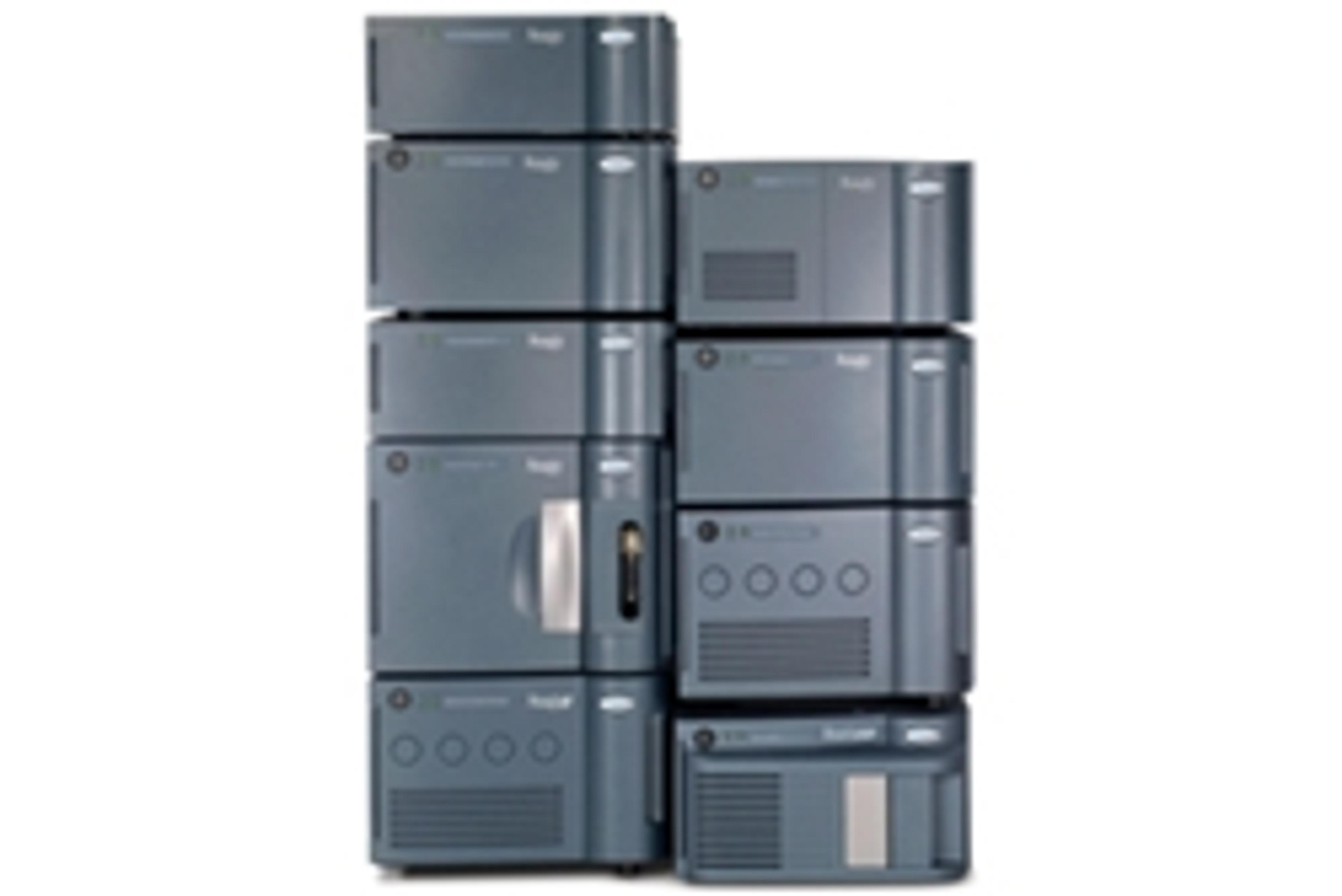
Waters Corporation has introduced the Waters® SQ Detector 2, a new single quadrupole mass detector. Building on Waters' knowledge in robust quadrupole mass detection and open access technology, the SQ Detector 2 draws on recent advancements to produce a detector which is easy to use and compatible with a broad range of chromatographic techniques. Integrated with Waters' chromatographic technologies, the SQ Detector 2 allows users to take advantage of robust, reproducible data from a wide range of experiments available in a single quadrupole mass detector.

"Today's increasing demand for more information from a sample means that traditional chromatography detection methods often fall short," said Ed Sprake, Senior Product Manager for the Waters Division. "Waters is answering this challenge with our new SQ Detector 2, combining ease of use with proven robustness and versatility. The result is a detector designed to make routine work easier with the flexibility to help scientists address any analytical challenges as they arise."

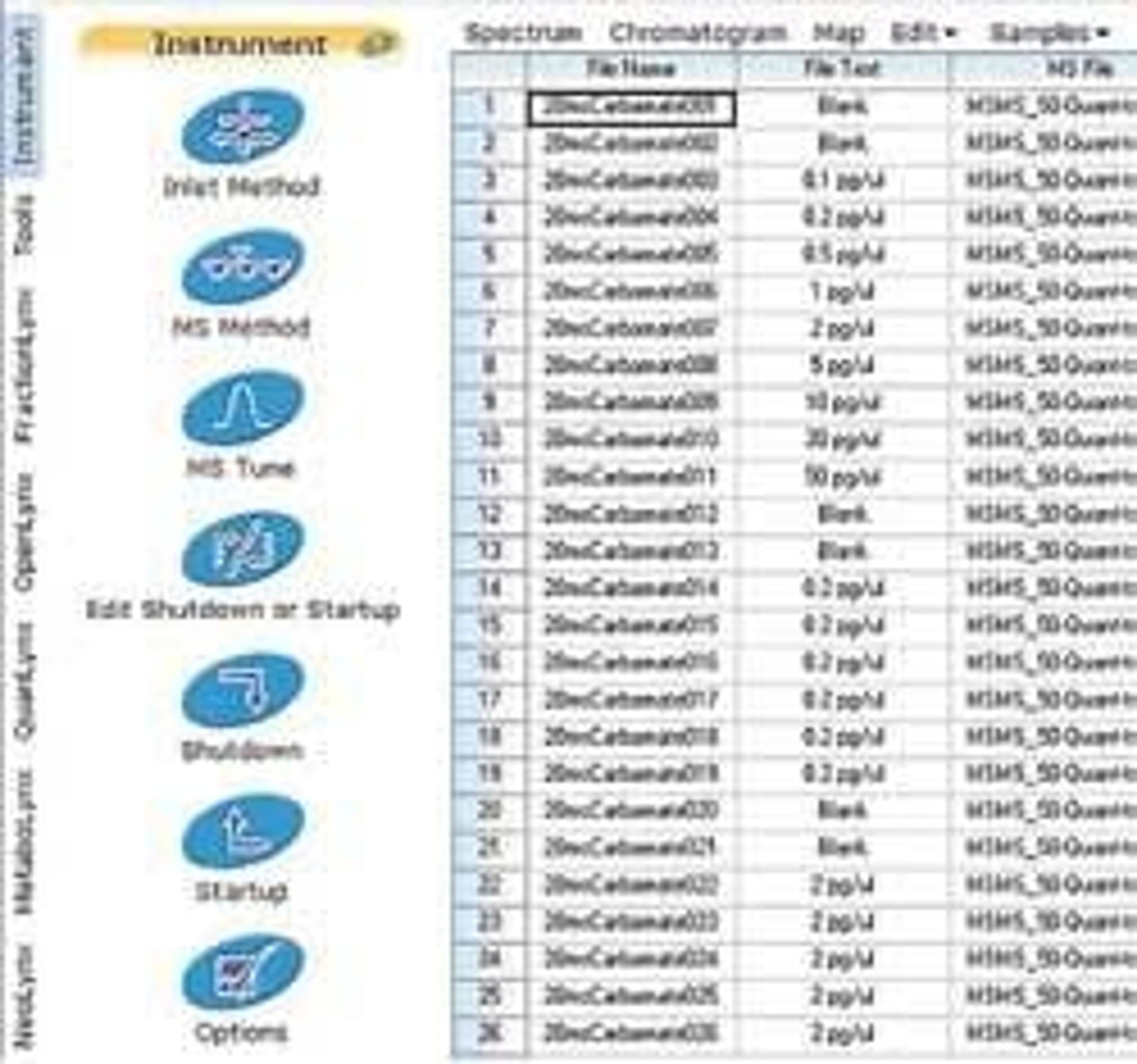
The SQ Detector 2 features MassLynx Application Managers to provide scientists with complete workflow solutions and the easy reporting of results. This promotes consistency of data processing and formatting of results leading to greater laboratory efficiency, accelerated laboratory workflows and a quicker return on investment.

The SQ Detector 2 incorporates several proprietary technologies, including ZSpray and IntelliStart. Combined with Waters' chemistries, chromatography, informatics and service platforms, the SQ Detector 2 is engineered to produce consistent, high quality results and maximize system uptime.

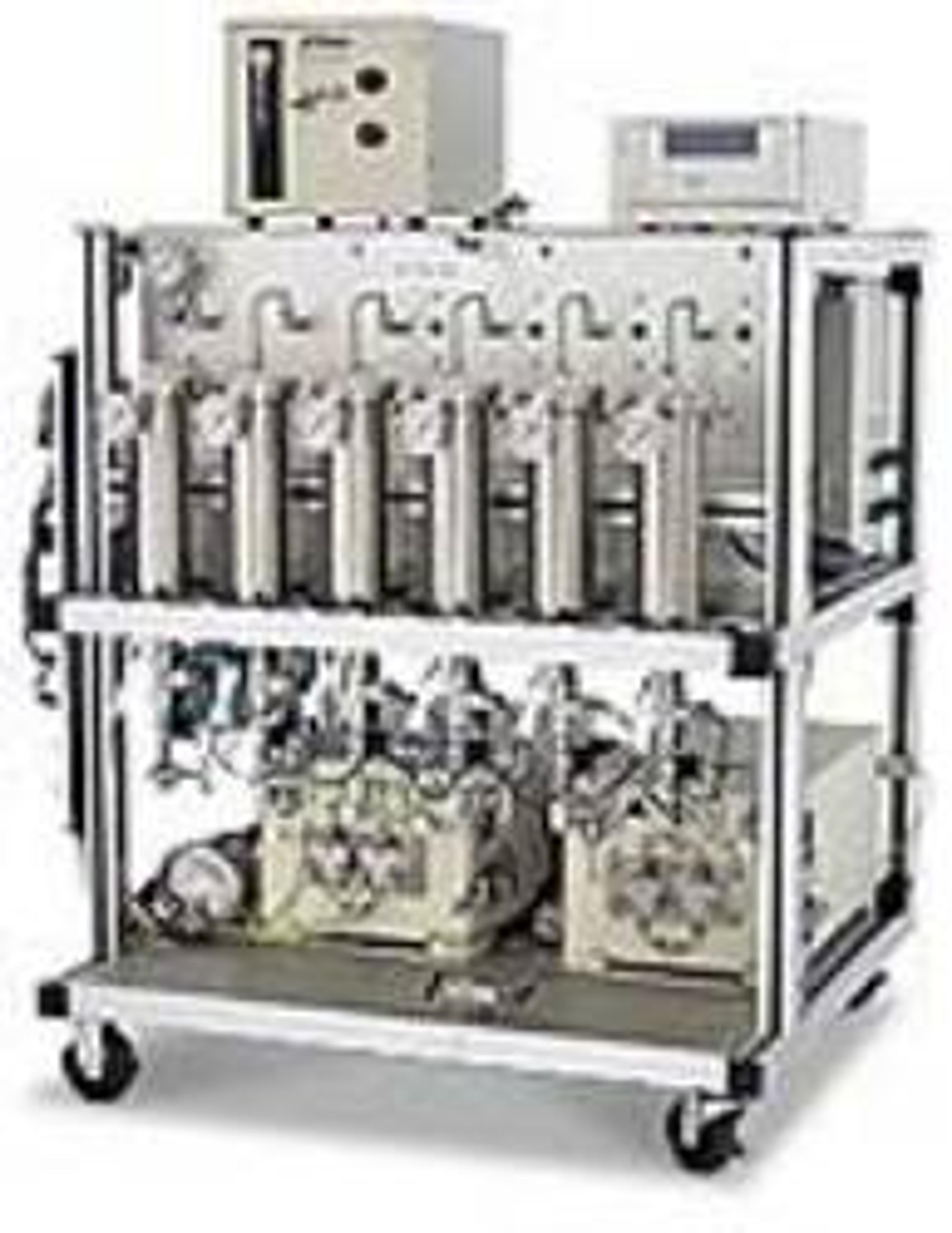
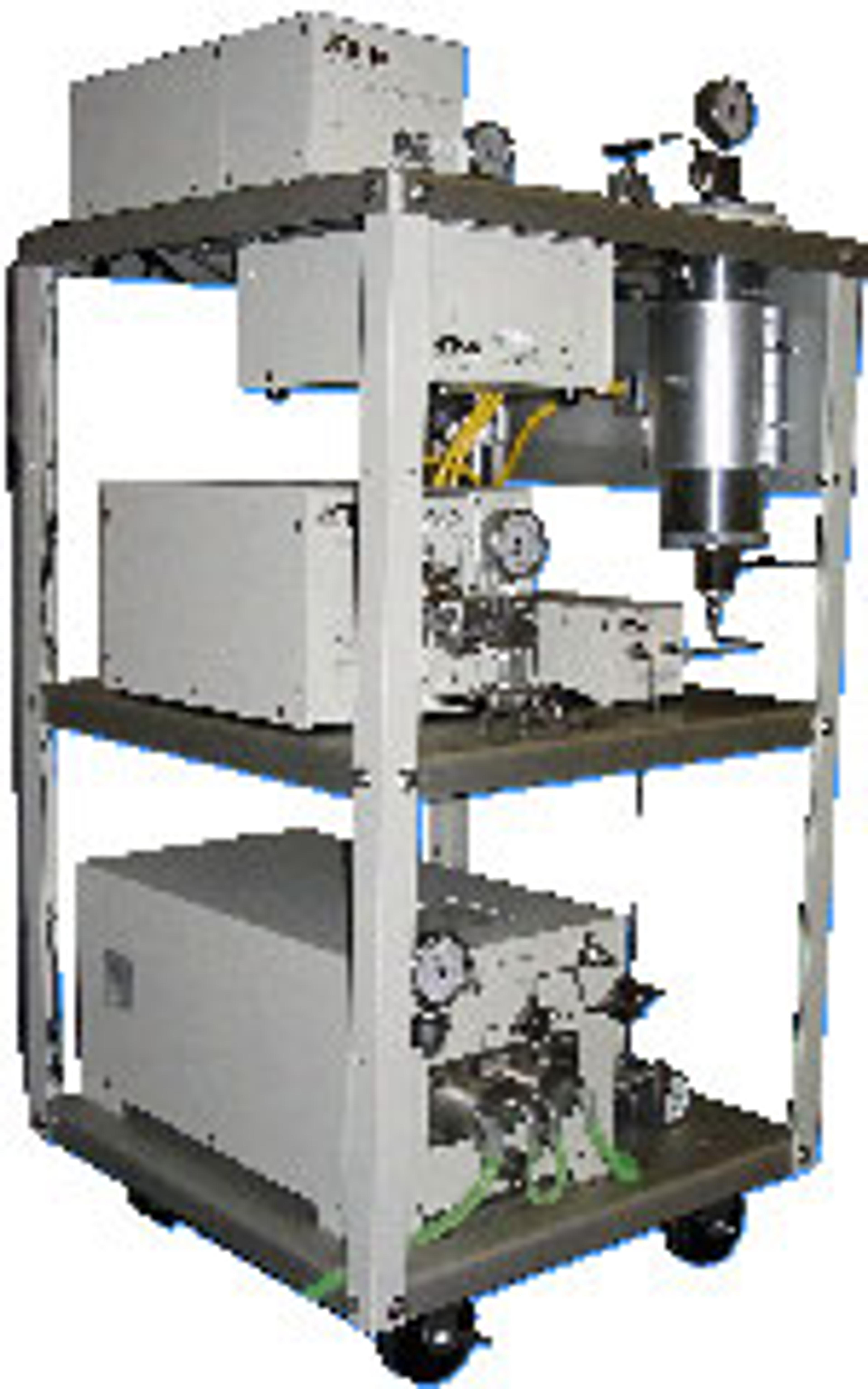
The SQ Detector 2 is also designed to partner a wide range of chromatography, including UPLC®, UPSFC, HPLC, GC, as well as preparative scale HPLC and SFC. This leads to increased sample capacity, flexibility in workflow and lab efficiency.

The SQ Detector 2 offers additional versatility through the Universal Ion Source architecture, as featured throughout Waters' line of mass spectrometers. The Universal Ion Source provides users with the flexibility to analyze a wide range of compounds on a single platform, delivering maximum productivity and efficiency.
Furthermore, the SQ Detector 2 is fully compatible with Waters' Atmospheric Solids Analysis Probe (ASAP) which allows the rapid and direct analysis of a wide range of solid and liquid samples with no chromatography and minimal sample prep.
Links

Tags

Gas ChromatographyGas chromatography (GC) is an analytical technique used to separate and quantitate mixtures of small and volatile compounds. Gas chromatographs or GC systems include components such as GC columns, detectors, pumps and autosamplers. Choose from packed or capillary GC columns, flame ionization (FID), photoionization (PID) electron capture detectors and selective or non-selective detectors. Find the best gas chromatographs in our peer-reviewed product directory: compare products, check customer reviews and receive pricing direct from manufacturers.UHPLC and HPLCHigh performance liquid chromatography (HPLC) and ultra high performance liquid chromatography (UHPLC), also known as UPLC, are analytical techniques used to separate, identify and quantitate components of complex mixtures including biological samples such as proteins and lipids as well as chemical mixtures of pesticides, drugs and oils. Both techniques are liquid chromatographic methods but differ by operating pressures (HPLC < 6000 psi < UHPLC ). Components of HPLC and UHPLC systems include columns, detectors, pumps, autosamplers and column heaters. Explore a range of UHPLC and HPLC columns for your specific sample needs including reverse phase, normal phase, ion exchange, HILIC, ion exclusion and size exclusion columns. For more specialized HPLC, explore FPLC, countercurrent LC and simulated moving bed systems. Find the best UHPLC and HPLC equipment in our peer reviewed product directory: compare products, check customer reviews and receive pricing direct from manufacturers.Sample PreparationSample preparation can improve the quality and speed of separation techniques. Products to assist sample preparation include filtration equipment, evaporators, membranes and sieves.Mass SpectrometryMass spectrometry (MS) is a powerful analytical technique used to identify and quantify molecules based on the mass-to-charge ratio of gas-phase ions. It provides detailed information about the structure, composition, and properties of compounds and is widely used across fields such as environmental monitoring, materials science, drug discovery and development, food and beverage testing, and wider chemical research. Key MS techniques include tandem mass spectrometry (MS/MS), liquid chromatography–mass spectrometry (LS-MS) and inductively coupled plasma (ICP-MS). Choosing from these wide range of techniques and technologies can be a daunting task, so keep up to date with scientific applications, performance expectations, and customer reviews here all in one place. Visit our product directory to receive quotes direct from the manufacturer. Preparative ChromatographyPreparative chromatography equipment is used for purification purposes, separating and collecting compounds eluted from a mixture which can then be subsequently used for further purposes. This can be done in large quantities or small. Preparative chromatography systems are usually low to medium pressure liquid chromatographs that are semi-automated. Explore a range of preparative columns and fraction collectors. Find the best preparative chromatography equipment in our peer-reviewed product directory: compare products, check customer reviews and receive pricing direct from manufacturers.Supercritical Fluid ChromatographySupercritical Fluid Chromatography (SFC) is used for the rapid separation and analysis of complex mixtures. SFC systems require injectors, pumps, columns, ovens and detectors. The SFC retention method uses a supercritical fluid, usually CO2. There are a number of different SFC detector types including UV / VIs, ECD, mass spectrometry and fluorescence.