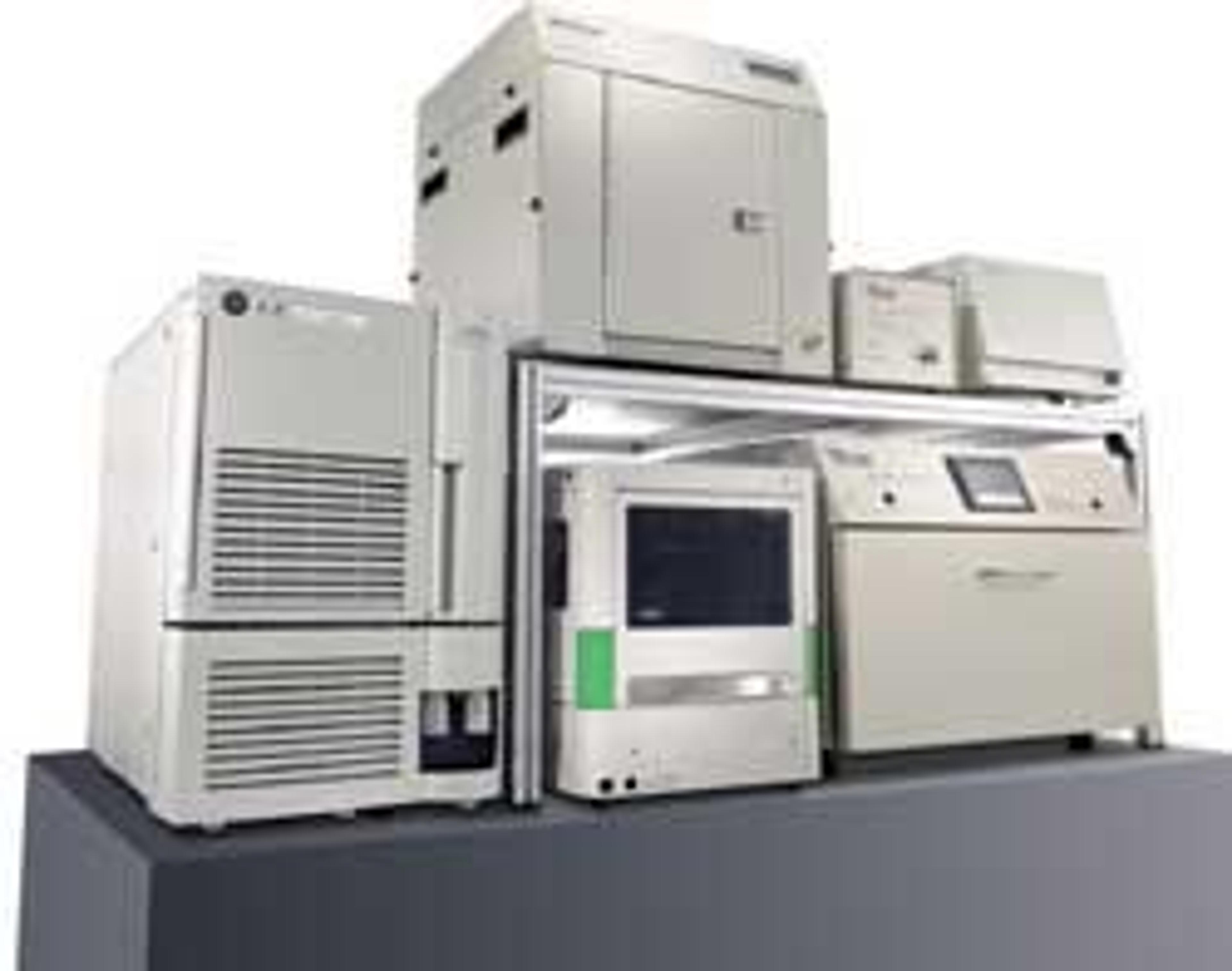
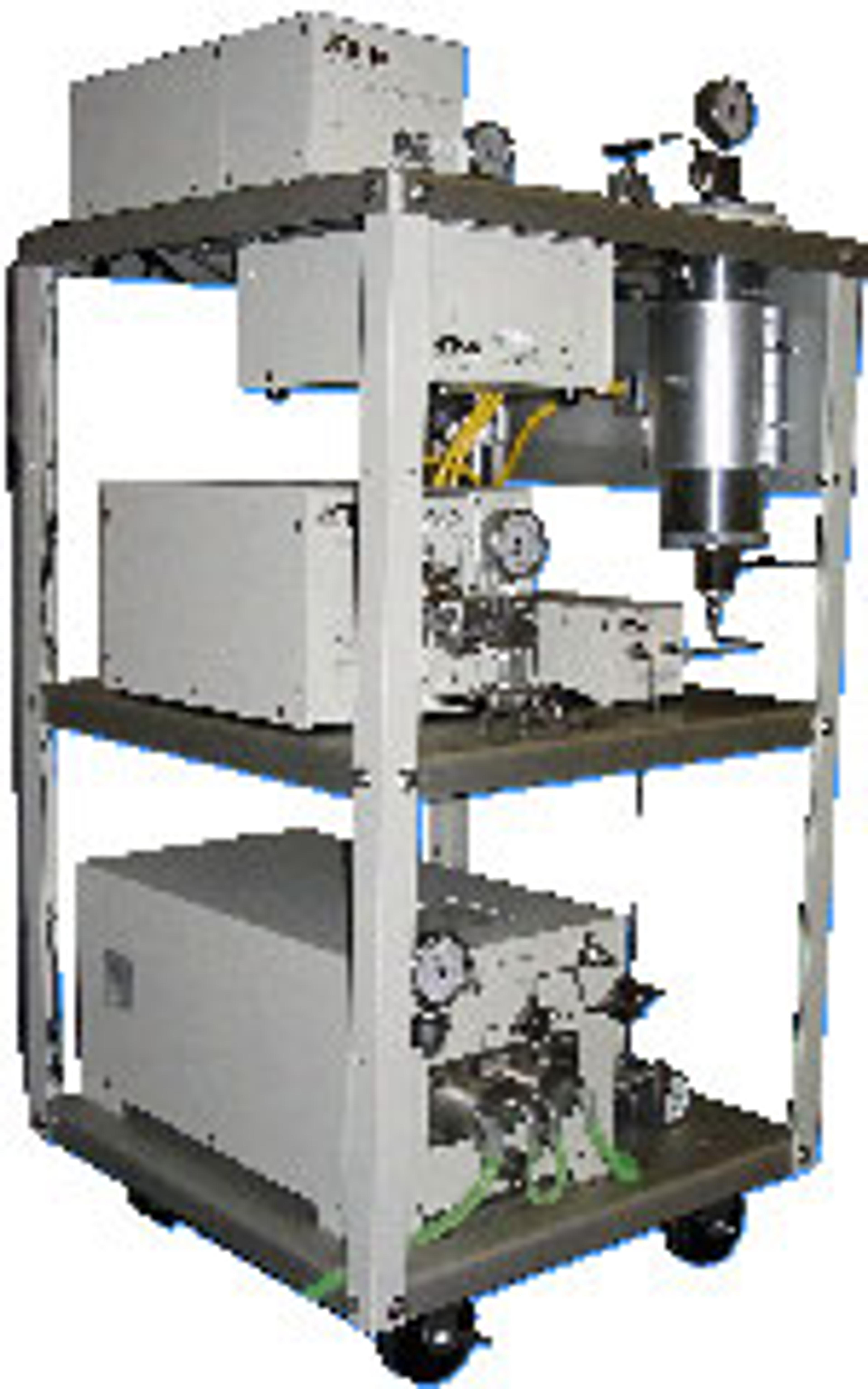
Supercritical Fluid Extraction System
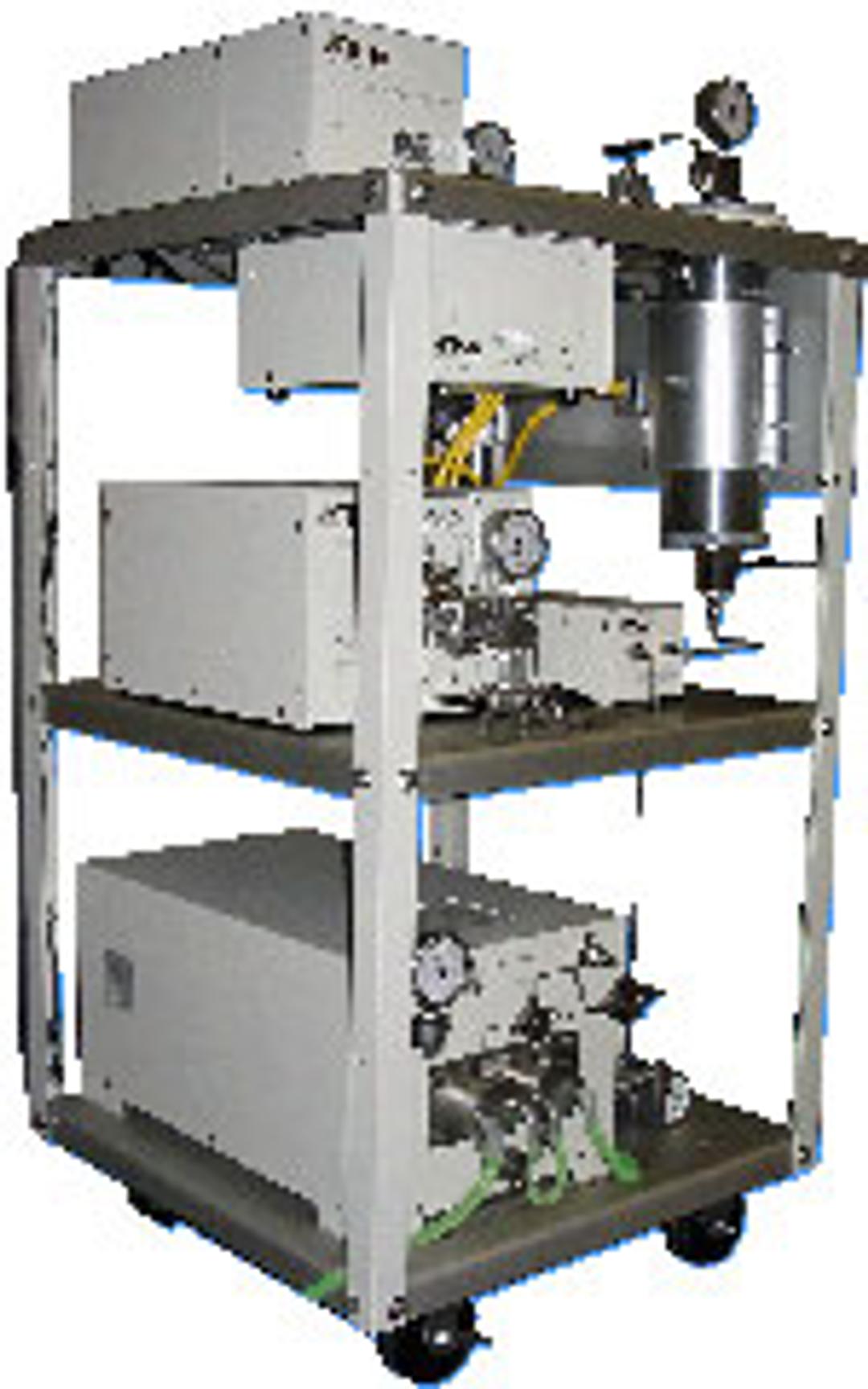
Supercritical fluid extraction is widely used in natural products, foods and flavors, pharmaceuticals, nutraceuticals, polymers, chemicals, and parts cleaning industries. The laboratory SFE scale sytems from Thar starts from 100mL up to 10L. Models can include co-solvent pump, fractionation and recycling. SFE, utilizing CO2 instead of solvent-based or other existing technologies, has several advantages. Advantages of super…

The supplier does not provide quotations for this product through SelectScience. You can search for similar products in our Product Directory.
Supercritical fluid extraction is widely used in natural products, foods and flavors, pharmaceuticals, nutraceuticals, polymers, chemicals, and parts cleaning industries.
The laboratory SFE scale sytems from Thar starts from 100mL up to 10L. Models can include co-solvent pump, fractionation and recycling.
SFE, utilizing CO2 instead of solvent-based or other existing technologies, has several advantages. Advantages of supercritical fluids SFE
- reduced organic solvent usage and disposal
- liquid CO2 is inexpensive
- reduced solvent removal time and energy
- higher throughput: lower viscosity and higher mass transfer coefficient
- faster equilibration, especially with chiral phases
- more gentle on stationary phases

Facilitating Chiral Method Development Using UPSFC/MS
Chirality plays a critical role in drug profiles because enantiomers can have vastly different biological/pharmacological/toxicological properties. Chiral analysis is typically addressed in the early stage of drug discovery. Due to its superior resolving power and high speed, SFC has gained a strong foothold in the chiral analysis arena. Furthermore, SFC eliminates the use of toxic solvents typically associated with normal phase LC chiral analysis, such as hexane and chloroform.
The use of MS detection was demonstrated to facilitate chiral UPSFC method development. Taking advantage of the specificity of MS detection, a mixture of two enantiomers with different molecular masses was screened simultaneously. By examining the XICs combined with a prior knowledge of the compound mass, the compound identity was easily determined. The throughput for chiral method development was, therefore, improved two-fold, compared to a traditional SFC-UV approach. The ACQUITY UPSFC/MS System is ideal for laboratories pursuing high throughput enantioselective analyses, enantiomeric excess determination in a complex mixture or matrix, and impurity profiling.