
New LED Modules Allow You to Detect Single or Multiple Fluorescent DNA and Proteins
24 Nov 2010Syngene introduces its new plug and play LED lighting modules, which fit all new G:BOX and Dyversity imagers. These modules make it easy and cost- effective to enable these imagers to detect single or multiple fluorescent DNA and proteins.
The easy to fit, innovative LED lighting modules each contain a single wavelength LED light and a specific filter. They can be clipped by laboratory staff into the side of the lighting gantries which can be installed inside the darkroom of any new G:BOX or Dyversity imaging system, making imaging any commercial fluorescent DNA and protein dyes the simplest of tasks.
There are nine new Syngene LED lighting modules in blue, green, red, infrared and far infrared available as single or multiplex units. Each unit can illuminate an area of 10cm x 15cm and different LED modules can be fitted simultaneously so users can choose to increase the intensity of one light source or use multiple different LEDs with different wavelengths, enabling complex multiplexing of
coloured Westerns, for example. Since the multiplex LED lighting modules are low energy, they will not heat up precious samples and means they can be used for longer captures if required without damaging DNA and proteins.
Laura Sullivan, Syngene’s Divisional Manager stated: “The increase in the use of coloured fluorescent DNA and protein dyes has led to a search for robust, practical lighting for exciting different coloured dyes simultaneously.”
Laura added: “This is an incredibly complex task, but by drawing on our 25 years of imaging expertise, we have risen to the challenge and are proud to introduce an affordable solution with our range of LED lighting modules. These units, which will more than meet the demands of sophisticated fluorescence detection today, and for many years to come, are a must for any lab considering multiplex imaging.”
Related products
Request Quote for All Products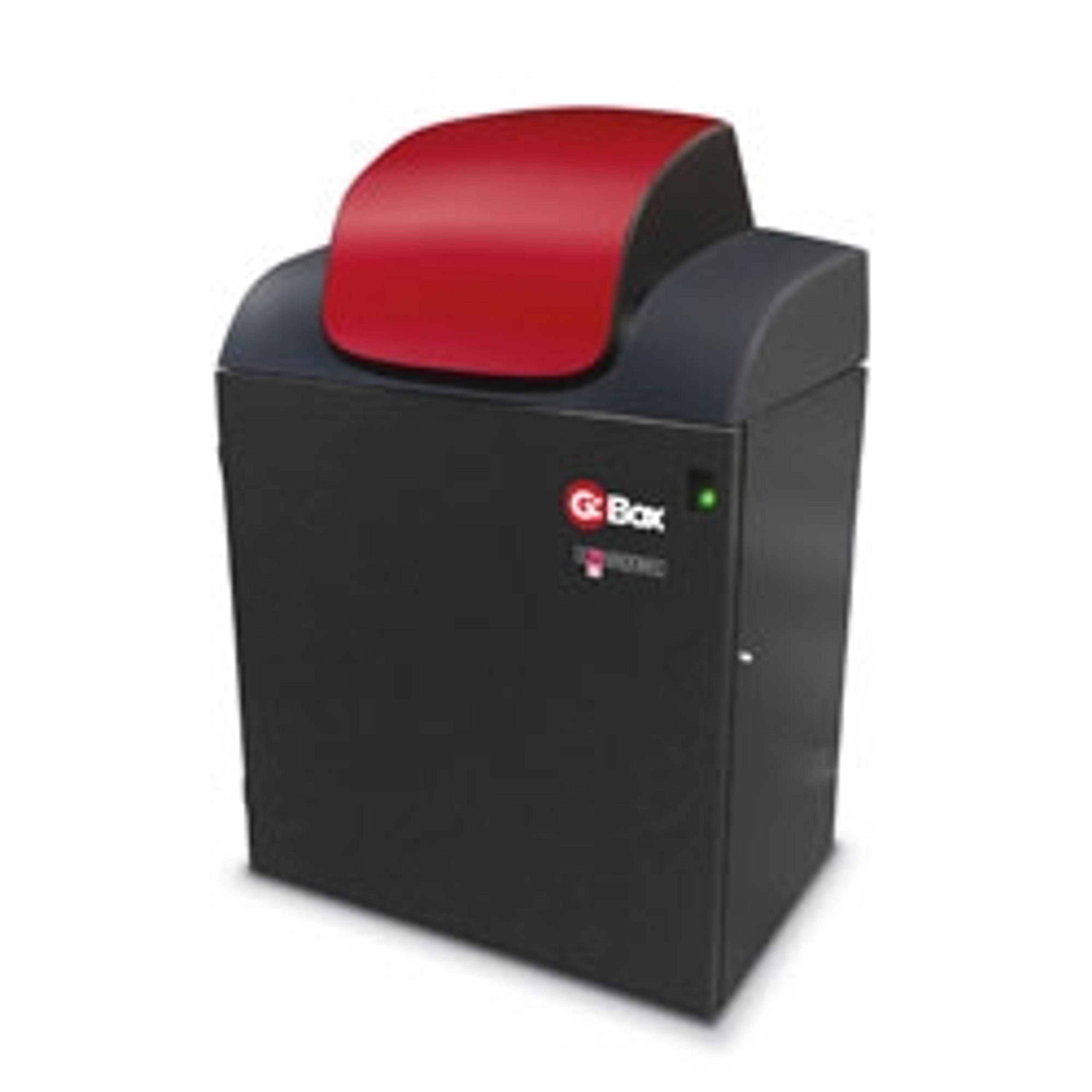
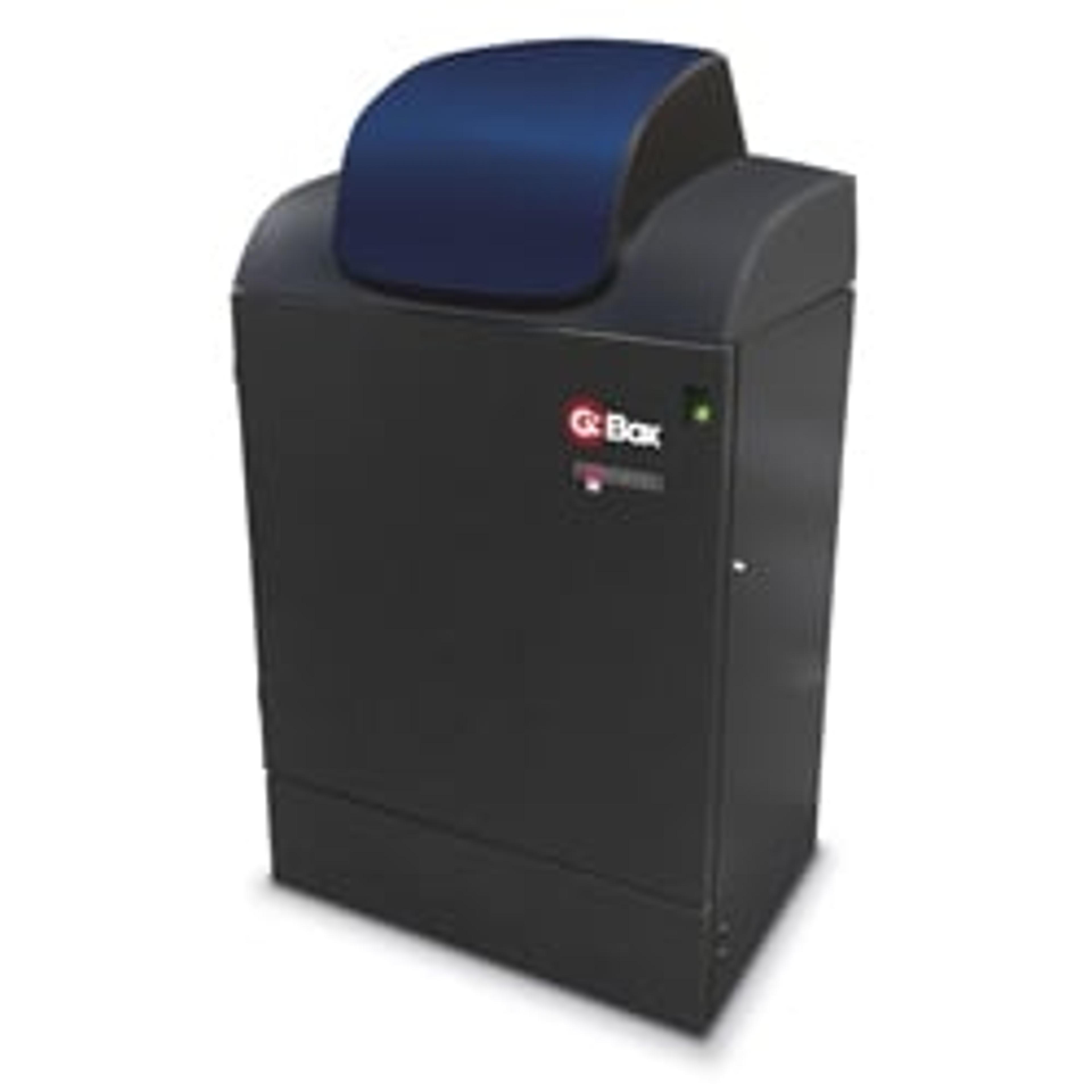
G:BOX Chemi XX9
SyngeneG:BOX Chemi XX9 gel imaging system has a high resolution camera for imaging multiple sample types and sizes, from fluorescence 1D to 2D gels to chemiluminescent blots. Your lab’s imaging system shouldn’t control how you detect proteins on Western blots. Chemiluminescence is great if you want sensitive detection of picogram or femtogram amounts, while fluorescence lets you quantify and detect multiple different proteins on one blot.