
National Heart and Lung Institute Uses G:BOX Chemi HR16 Imager To Help Identify Proteins Associated with Heart Disease
30 Oct 2007Syngene, a world-leading manufacturer of image analysis solutions, is pleased to announce that the G:BOX Chemi HR16, its innovative imaging system, is being used at major UK research centre, the National Heart & Lung Institute (NHLI), to assist in identifying proteins associated with cardio-myopathy.
Researchers at the NHLI are using the G:BOX Chemi HR16 system fitted with a 9-position filter wheel to visualise 1D gels of proteins stained with Pro-Q® Diamond, SYPRO® Ruby and Pro-Q® Emerald (Invitrogen). These images are then being analysed with GeneTools, Syngene’s market leading software to quantify the amounts of phosphorylated and glycosylated proteins present in diseased human and mouse heart tissues. The results of this research could ultimately help to determine which proteins are associated with different cardiac diseases.
Dr Clare Gallon, a Research Associate in Cardiac Medicine at the NHLI said: ”We routinely use the G:BOX Chemi HR16 many times a day for imaging a variety of fluorescently stained proteins from cellular heart extracts. The system provides excellent sensitivity allowing us to see even very small amounts of expressed proteins, and using the GeneTools software, image analysis is rapid, making it easy for us to obtain accurate results immediately.”
“We are so pleased with the performance of the G:BOX Chemi HR16 that we have had a Qdot filter fitted to extend the system’s future application range to imaging different coloured Qdot labelled proteins on single Western blots,” added Dr Gallon.
Laura Sullivan, Syngene’s Divisional Manager stated: “The G:BOX Chemi HR16 is one of our newer imaging systems so we are delighted it is being regularly used at such an internationally respected centre. The National Heart and Lung Institute is well known for producing high quality research and it is a ringing endorsement of the system’s excellent performance to see the G:BOX Chemi HR16 becoming an integral part of critical studies to identify proteins associated with heart disease.”
Related products
Request Quote for All Products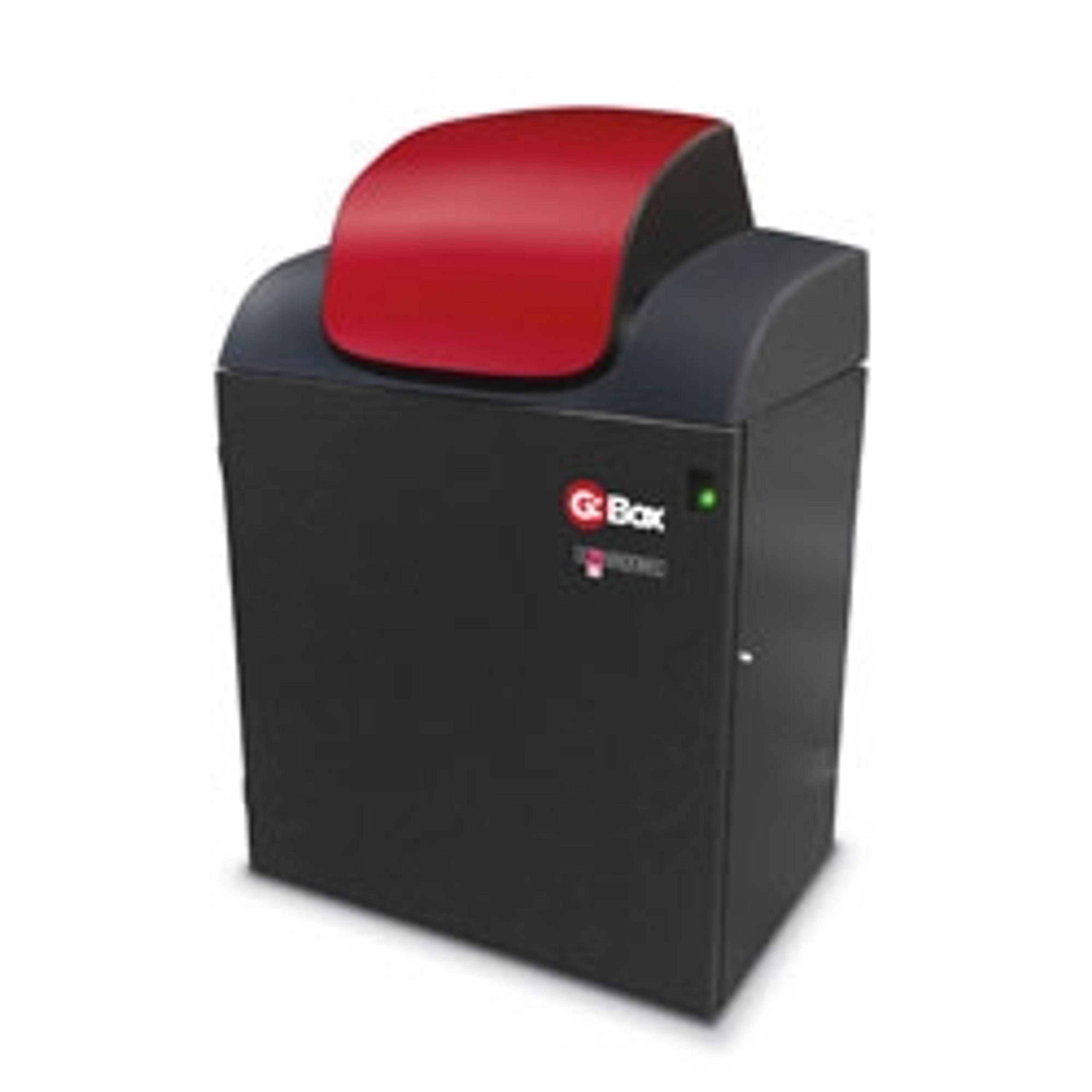
GeneTools
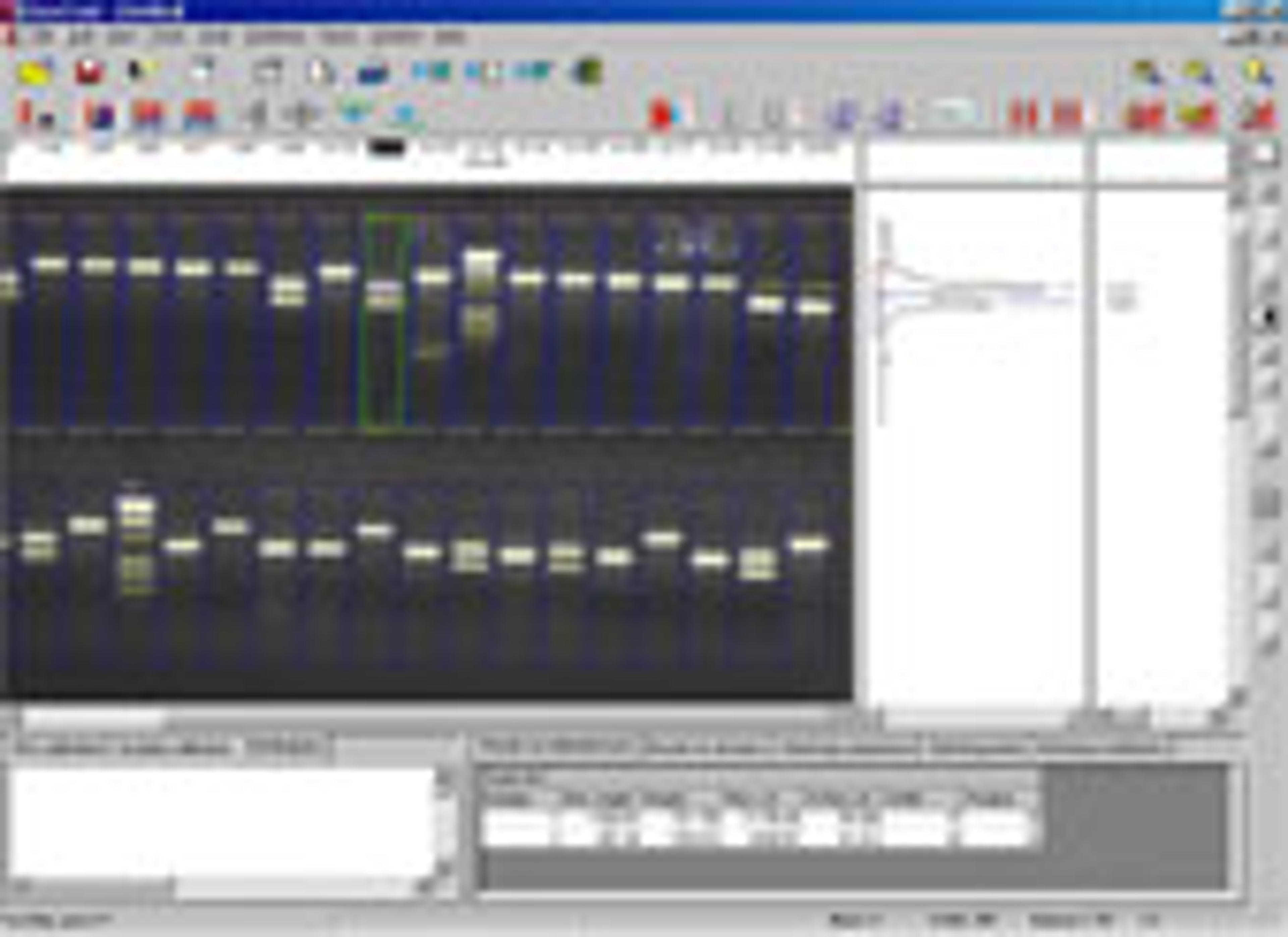
SyngeneSyngene GeneTools - Advanced 1D gel analysis Syngene GeneTools is an advanced 1D gel and 2D spot blot analysis software for use with any gel documentation system. The Syngene GeneTools highly automated software can rapidly analyse a gel from loading an image to output of results in a matter of seconds. With an extensive and flexible array of options you can handle a range of media including gels, plates, films and blots, making Syngene GeneTools one of the most versatile packages of its type. For speed, accuracy and ease of use Syngene GeneTools is a must for any gel documentation system. All Syngene systems come complete with GeneTools. Syngene GeneTools offers you: Automatic lane and band detection with automatic corrections for track distortion and "smiling" bands Automatic analysis of multi-tier gels Wide choice of background subtraction methods Extensive calibration options (Rf, MW, BP and mass) with standards library High throughput screening analysis functions Band matching for lane relationship comparisons with dendrogram generation Extensive results output including to Word and Excel Track profile comparison Integral image browser Adherence to Good Laboratory Practice at every stage including reporting Macros to speed analysis