Immuno-oncology: Explore the future of cancer therapy
Discover the latest resources and innovative tools driving immuno-oncology research forward
30 Nov 2021

As part of our Immuno-Oncology Special Feature, we have collated a selection of top new resources to support and advance your work in this field. In this highlights article, discover the latest developments in cancer research and immunology, including the use of spatial phenotypic signatures as biomarkers, anti-cancer drug screening, and much more:
Hot topics in immuno-oncology:
- Take control of your workflow for advanced bioinformatics
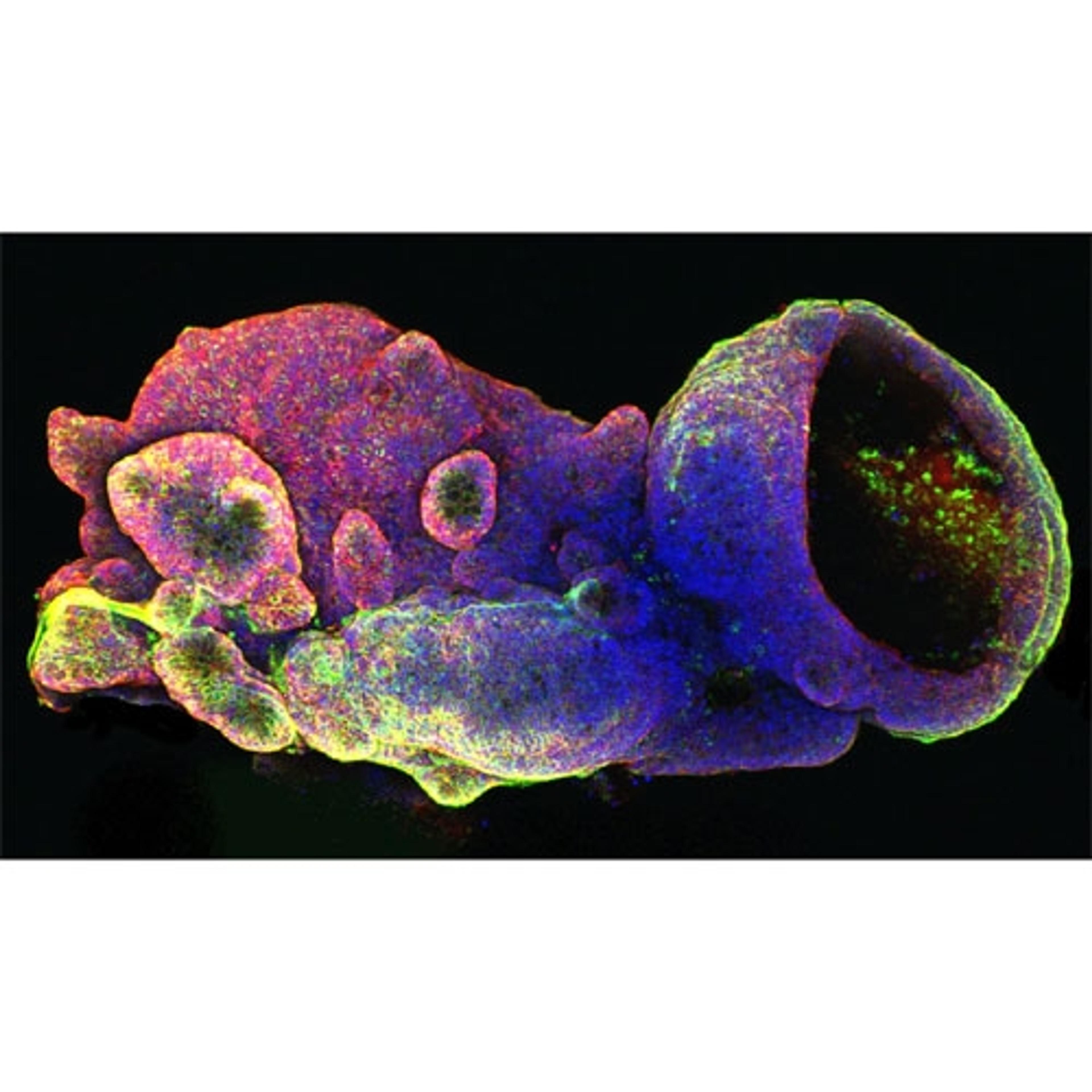
Discover how your lab can gain complete control of sample preparation and staining, imaging, and analysis with Epredia's workflow solution for automated tissue microarraying. - Phenotypic signatures as novel biomarkers
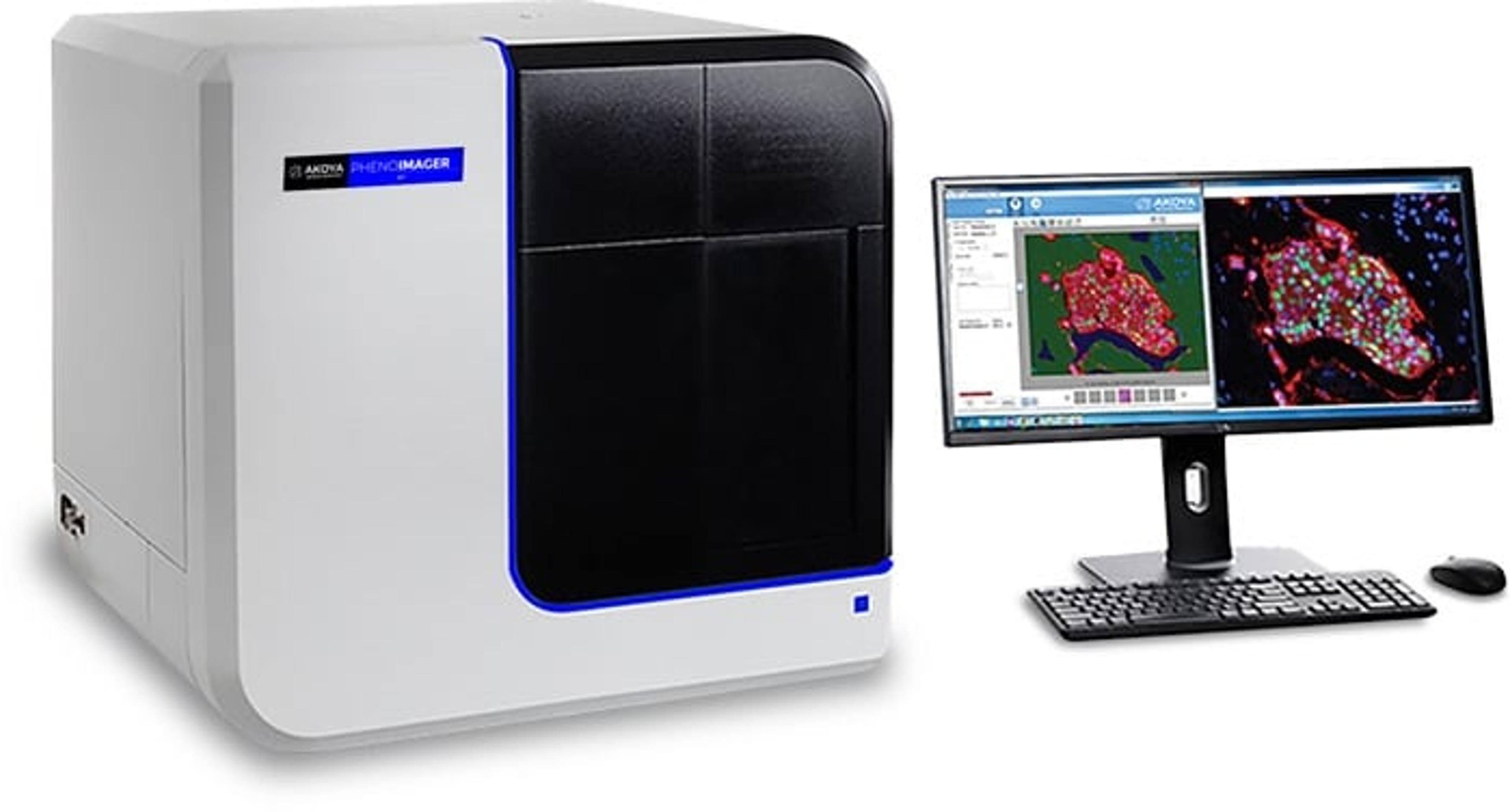
Explore the promise of spatial phenotypic signatures for characterizing solid tumors and immune cell function and predicting immunotherapy response and disease outcome, in this whitepaper from Akoya Biosciences. - The human leukocyte antigen (HLA) complex
In this whitepaper, PromoCell describes the HLA complex, its role in the immune system, and its relevance to cancer immunotherapy. Download now to explore a comprehensive overview of the HLA complex. - Advantages of multiplexing with Bio-Plex Assays
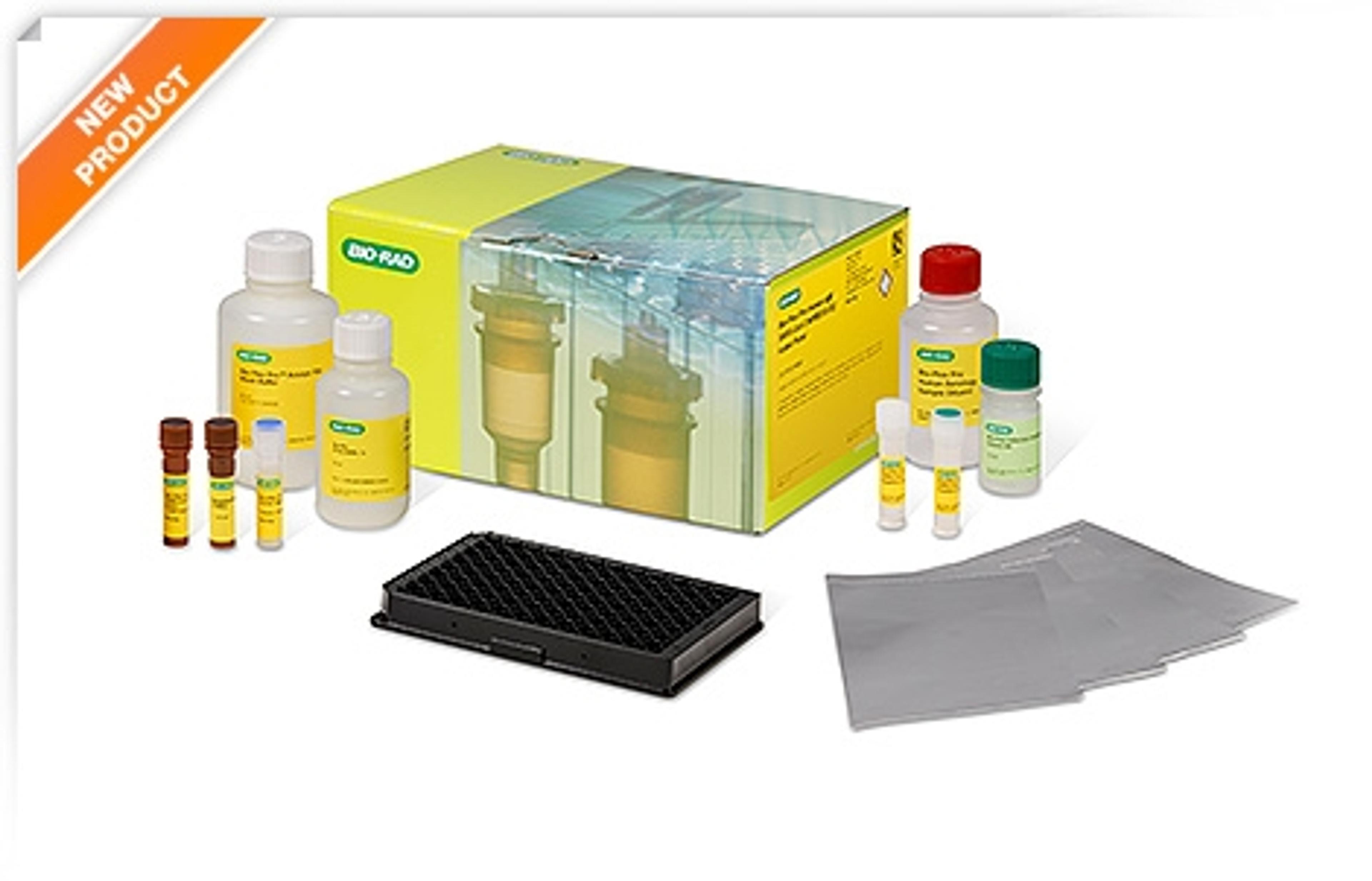
Watch this video to learn more about Bio-Rad’s SMARTS approach to assay development and explore the benefits of using Bio-Plex Pro Assays in your immunoassay research. - Enabling drug synergy and drug dose response assays
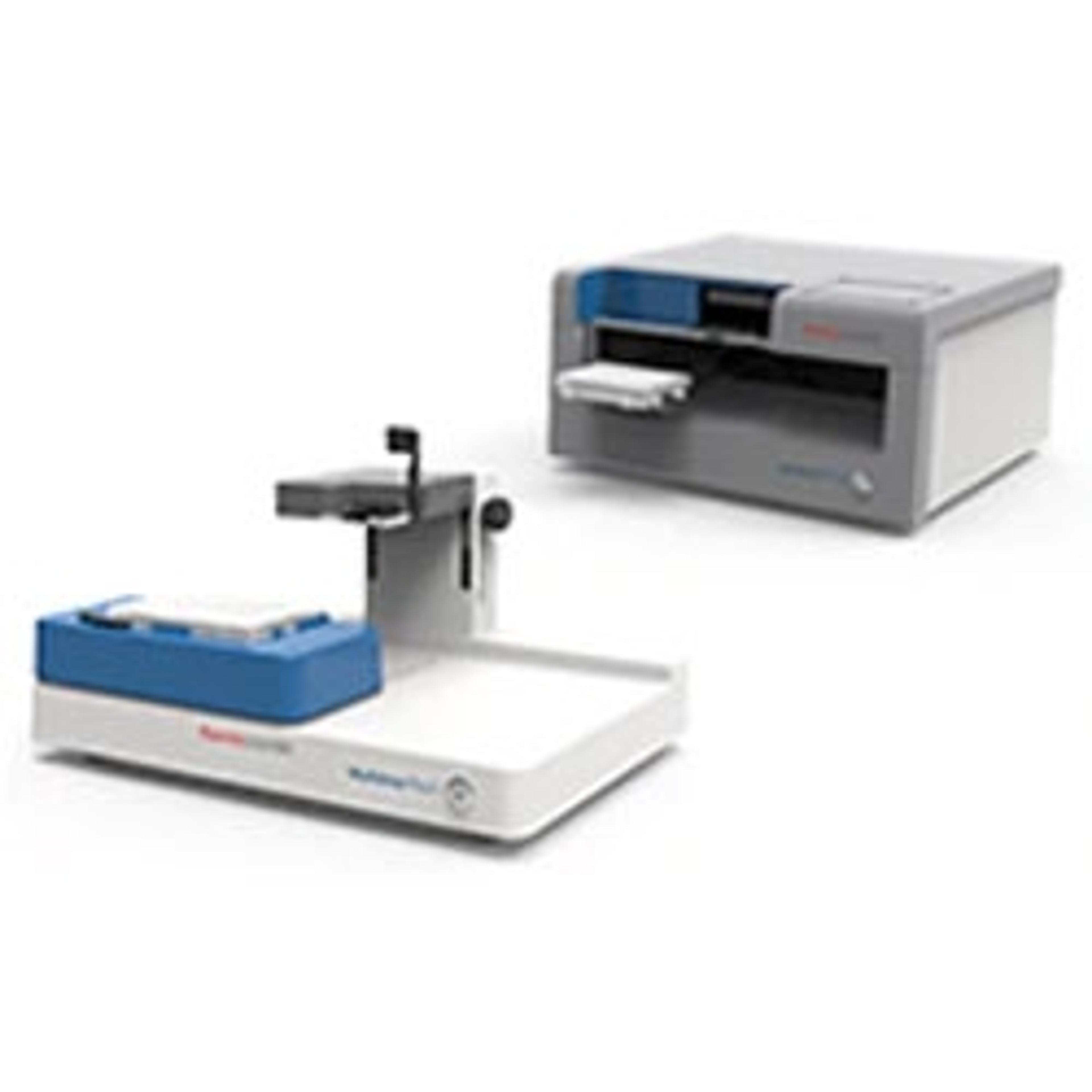
Download this application note from Thermo Fisher Scientific to discover the right dispensing solutions for drug combination and drug screening for your lab.
Plus, watch our free SelectScience® Webinar Series on demand and explore our selection of the biggest news stories in immuno-oncology:
Article: How autoantibodies could enable better stratification of patients with rheumatoid arthritis
Article: Unraveling the mysteries of cancer cell metabolism
Application eBook: Enhance immuno-oncology research with knockout cell lines
Application eBook: Insightful solutions for biologics drug discovery with a focus on monoclonal antibodies
Video: Unlock the value in your FFPE samples
Top immuno-oncology product reviews
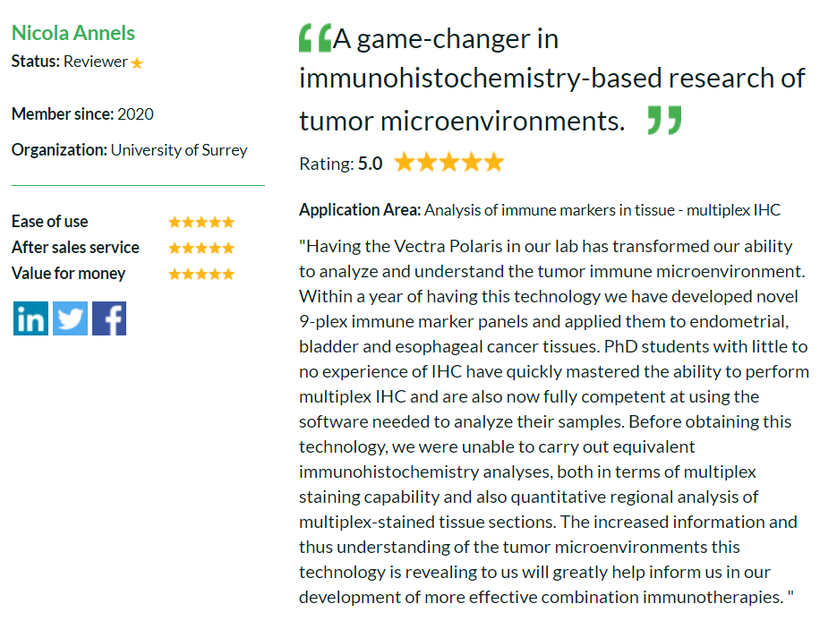
Read reviews left by scientists to help you choose the best instruments for your lab, or share your opinion to help your peers by writing your own review today. Read one of our top immuno-oncology product reviews for the Vectra® Polaris™ Automated Quantitative Pathology Imaging System by Akoya Biosciences and help make your next buying decision easier:
Explore scientific innovation on The Scientists’ Channel
Discover leading scientists on video:
- Dr. Komal Kumar Javarappa – Profiling of the immune system of multiple myeloma patients at diagnosis and after treatment using mass cytometry by time-of-flight (CyTOF)
- Dr. Genevieve Boland – Multi-modality approach to predicting and monitoring immunotherapy response and resistance
- Dr. Chris Halbrook – Targeting metabolism to treat pancreatic cancer