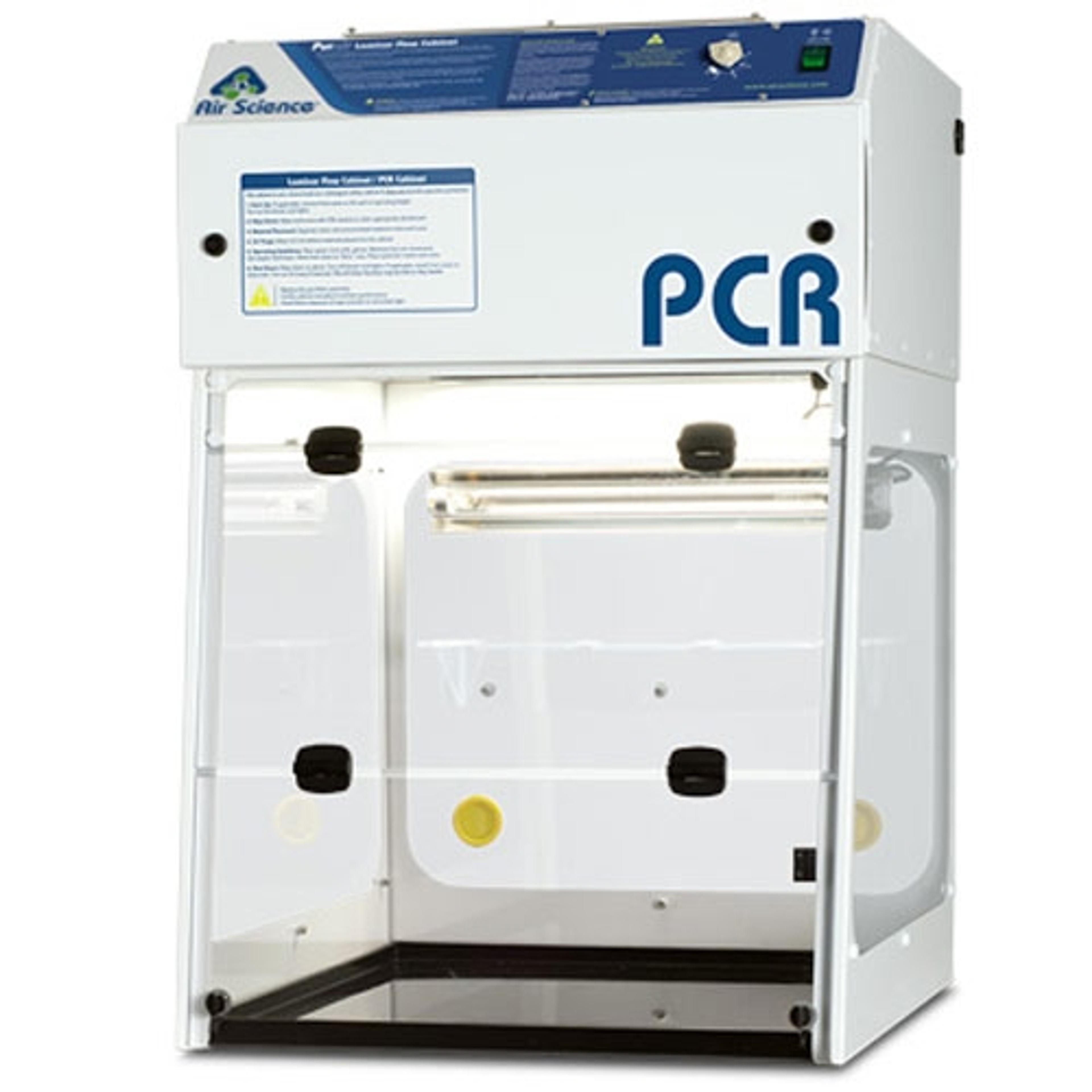
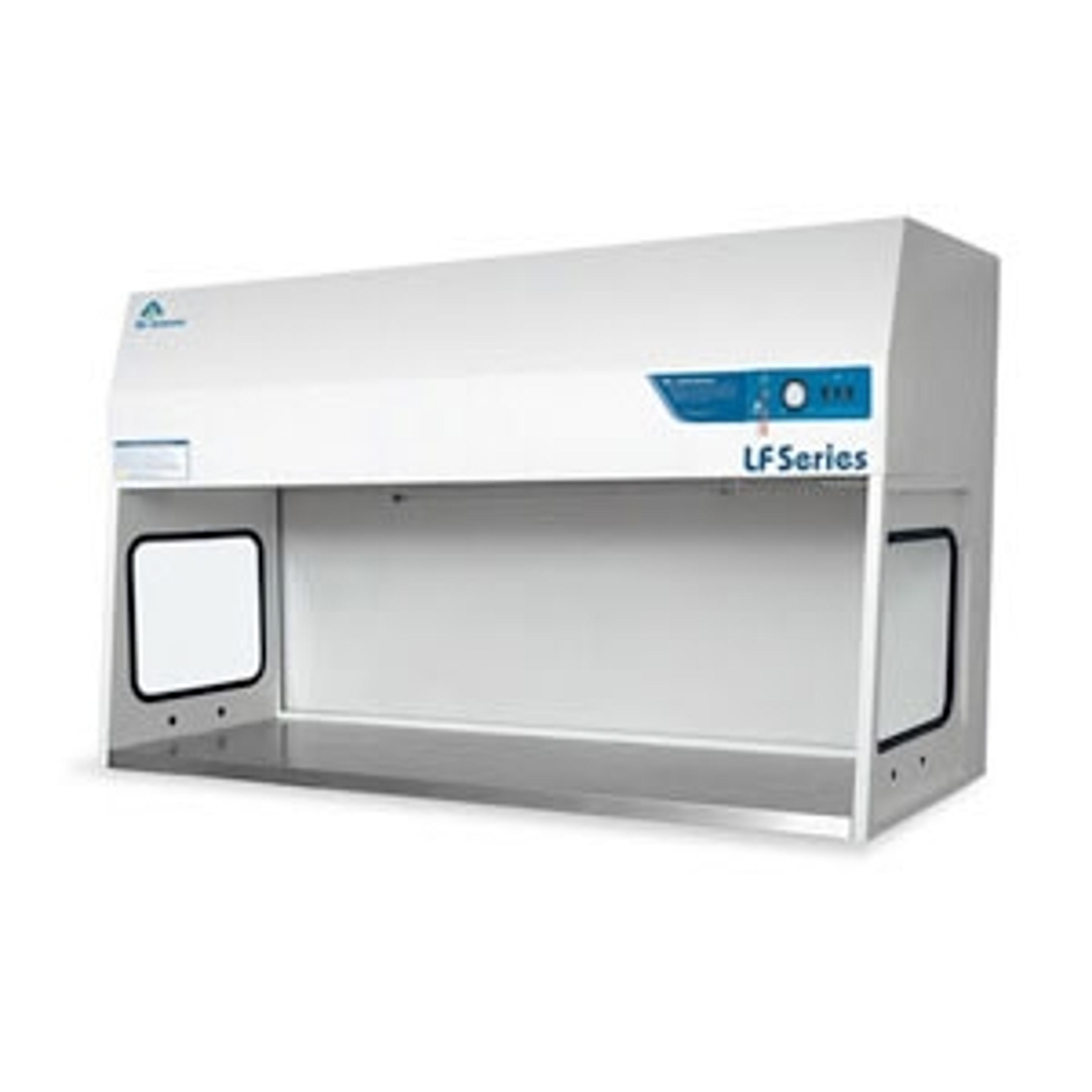
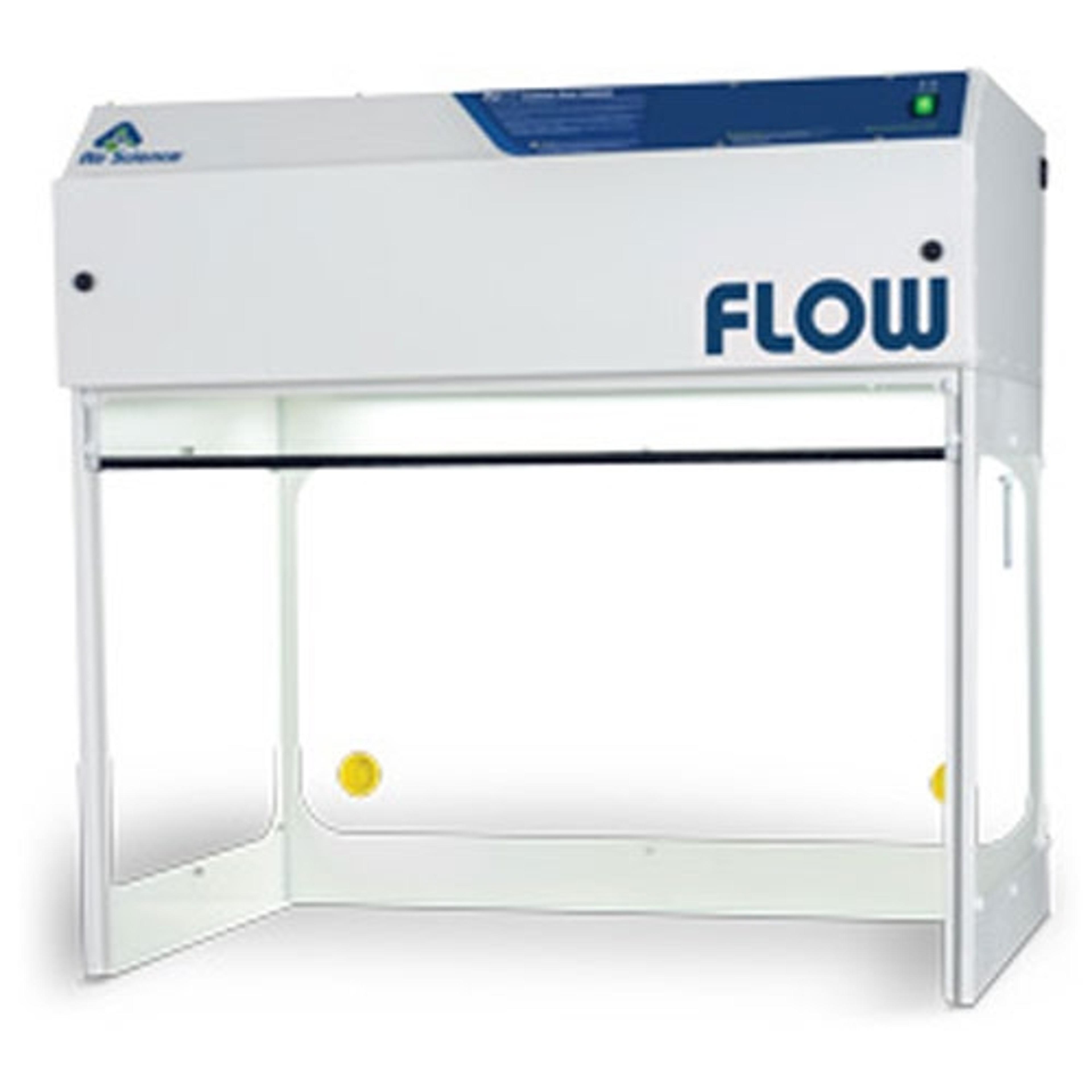
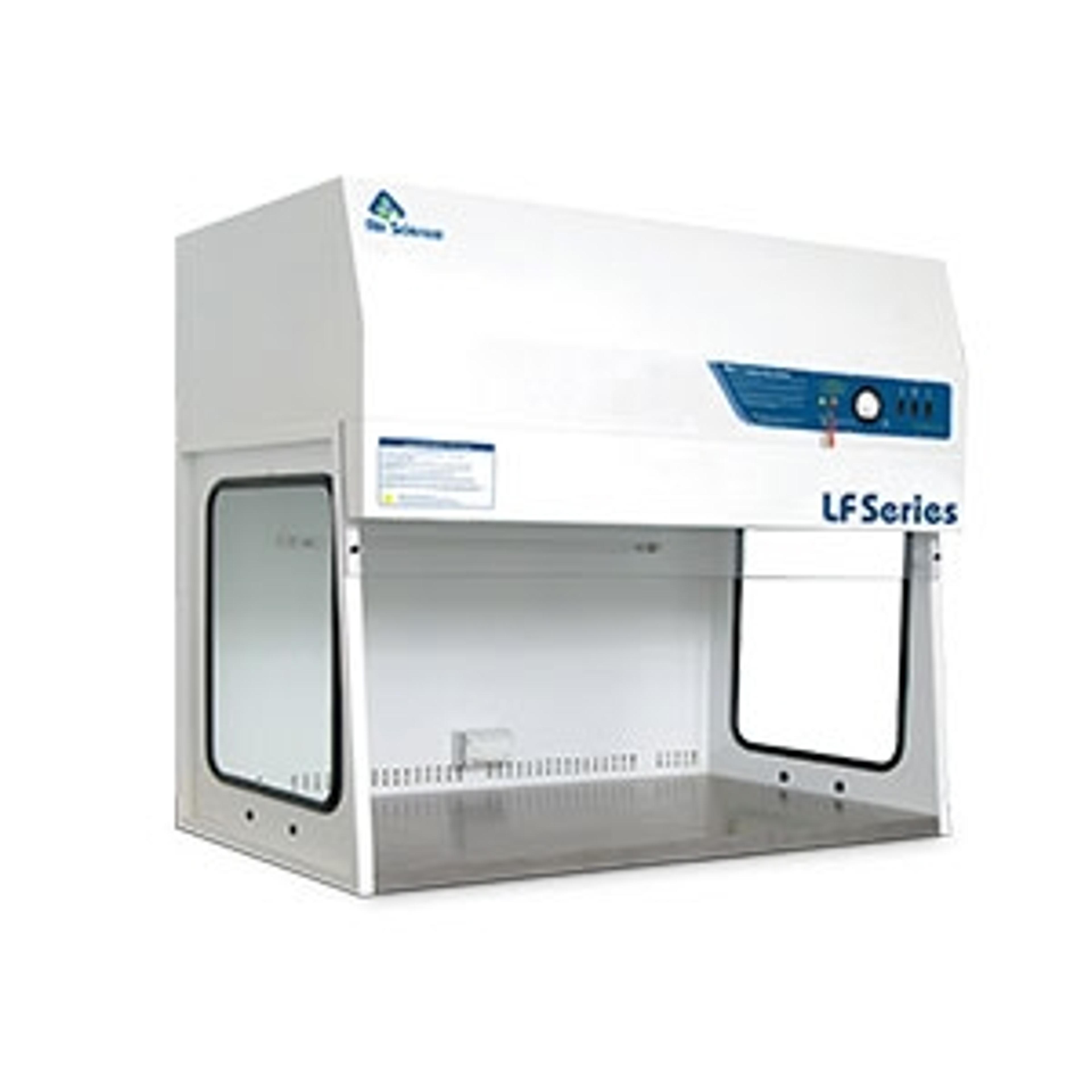
How HEPA/ULPA Filters Expand Applications for Purair Laminar Flow Hoods
27 Apr 2017
Laminar Flow HoodHEPA and ULPA filters are a standard in many industries for work that requires an environment free of biological contaminants.
Comprised of a dense mat of randomly-arranged fibers, both HEPA and ULPA filters work in the same way. HEPA filters are 99.99% efficient for trapping particulates down to 0.3 μm, and ULPA filters provide 99.999% efficiency for particle sizes between 0.1 to 0.3 μm.
Laminar Flow Hoods: Addressing Challenges to HEPA/ULPA Filtration
The highest quality filtration media cannot overcome a poorly designed laminar flow hood that does little to support and optimize the filter's purpose. Some air filtration units present limitations including:
- Costly HEPA/ULPA filters become too quickly obstructed by large particulates and require frequent replacement
- Insufficient or uneven airflow through the filter results in limited air filtration capabilities
- Inability to properly monitor current particulate density causes premature filter replacement timelines
How Do Air Science's Vertical and Horizontal Laminar Flow Cabinets Address These Issues?
Problem: Costly HEPA/ULPA filters become too quickly obstructed by large particulates and require frequent replacement
Air Science's Solution: Each Air Science laminar flow cabinet includes an electrostatic pre-filter for trapping larger particulates that can accelerate the saturation of HEPA/ULPA filters. Pre-filters are easy to replace even while the cabinet is operating. Using pre-filters extends HEPA/ULPA filter life and maintains filter efficiency.
Problem: Insufficient air flow through the filter results in limited air filtration capabilities
Air Science's Solution: Purair Laminar Flow Cabinets maintain a 70-90 fpm (0.35-0.45 m/s) airflow velocity, measured 6"/150 mm from the filter with a uniformity of +/- 20% across the filter face.
Problem: Inability to properly monitor filter's current particulate density causes improper filter replacement timing
Air Science's Solution: All Air Science laminar flow cabinets have a factory-installed pressure gauge to confirm filter performance. This gauge accurately measures airflow pressure through the filter and minimizes the potential for insufficient filtration.
Find more information on Purair laminar flow cabinets, applications and uses. Purchase HEPA/ULPA replacement filters directly through Filtco Filters or find a range of replacement carbon filters designed to fit most global manufacturers' models.