
High Sensitive Troponin Test May Help Doctors More Accurately Diagnose Heart Attacks in Women
3 Sept 2013
Abbott announced today promising preliminary results from a study presented at the ESC Congress 2013, suggesting that its high sensitive troponin test may help doctors improve the diagnosis and prognosis of patients presenting with symptoms of a heart attack.1 The test could be particularly beneficial for women, who may have different presenting symptoms and are often under-diagnosed.
The study, which is being conducted by researchers at the University of Edinburgh, is evaluating Abbott's ARCHITECT STAT High Sensitive Troponin-I (hsTnI) test, which received CE Mark in January 2013.
Cardiac troponin, a protein found in the heart muscle, is considered the preferred biomarker to identify suspected heart attacks, because it can detect injury to the heart. Abbott's hsTnI test can measure very low levels of this protein, which is especially important for women, who often have lower levels of troponin than men.
Researchers shared data from the first 1,126 patients of the study presenting with symptoms of a heart attack. Early findings demonstrate that women have lower peak levels of troponin than men, contributing to the under-diagnosis and therefore under-treatment of heart attacks for women.
"Whilst men and women are just as likely to present to the emergency department with chest pain, currently men are twice as likely to be diagnosed with a heart attack. By using the Abbott high sensitive troponin test and different diagnostic thresholds for men and women, the frequency of diagnosis of heart attacks in women increased and was comparable to men," said Dr. Nicholas Mills, one of the key study authors and cardiologist, University of Edinburgh. "The findings of our study, when completed, could change the way we diagnose heart attacks in women, potentially reducing inequalities in the treatment and outcomes, and enabling everyone to receive the best care."
When completed in 2016, this study will include more than 25,000 patients across 10 centers in Scotland, making it one of the largest studies to evaluate the impact of high sensitive troponin tests on patient care. The study was funded by a special project grant from the British Heart Foundation with Abbott providing the ARCHITECT STAT hsTnI assay.
"While Abbott's high sensitive troponin test benefits both men and women with earlier detection of heart attacks, the potential to increase the diagnosis among women is especially important," said John Frels, PhD, divisional vice president, Diagnostics Research, Abbott. "This is the first time we have seen a test that can provide this kind of detailed information to doctors and has the potential to aid doctors with improving the odds of survival for women with heart attacks."
The ARCHITECT STAT hsTnI assay is commercially available in several countries in Europe, as well as Canada, Australia, New Zealand, and Brazil and runs on Abbott's fully automated ARCHITECT family of analyzers. The test is currently for research-use only in the United States.
Women and Cardiovascular Disease
The most common heart attack symptoms in women is some type of pain, pressure or discomfort in the chest. Out of the 16.5 million cardiovascular deaths that occur globally each year, half are among women. In fact, heart attacks and strokes are responsible for twice as many deaths in women as all cancers combined. One study shows that women younger than 55 who had a heart attack were more likely to be misdiagnosed than men of the same age.
1. Anoop S, Mills, N, Griffiths M, et. al. High-sensitivity cardiac troponin and the underdiagnosis of myocardial infarction in women. Study presented at the ESC Congress 2013, September 4, 2013.
Related products
Request Quote for All Products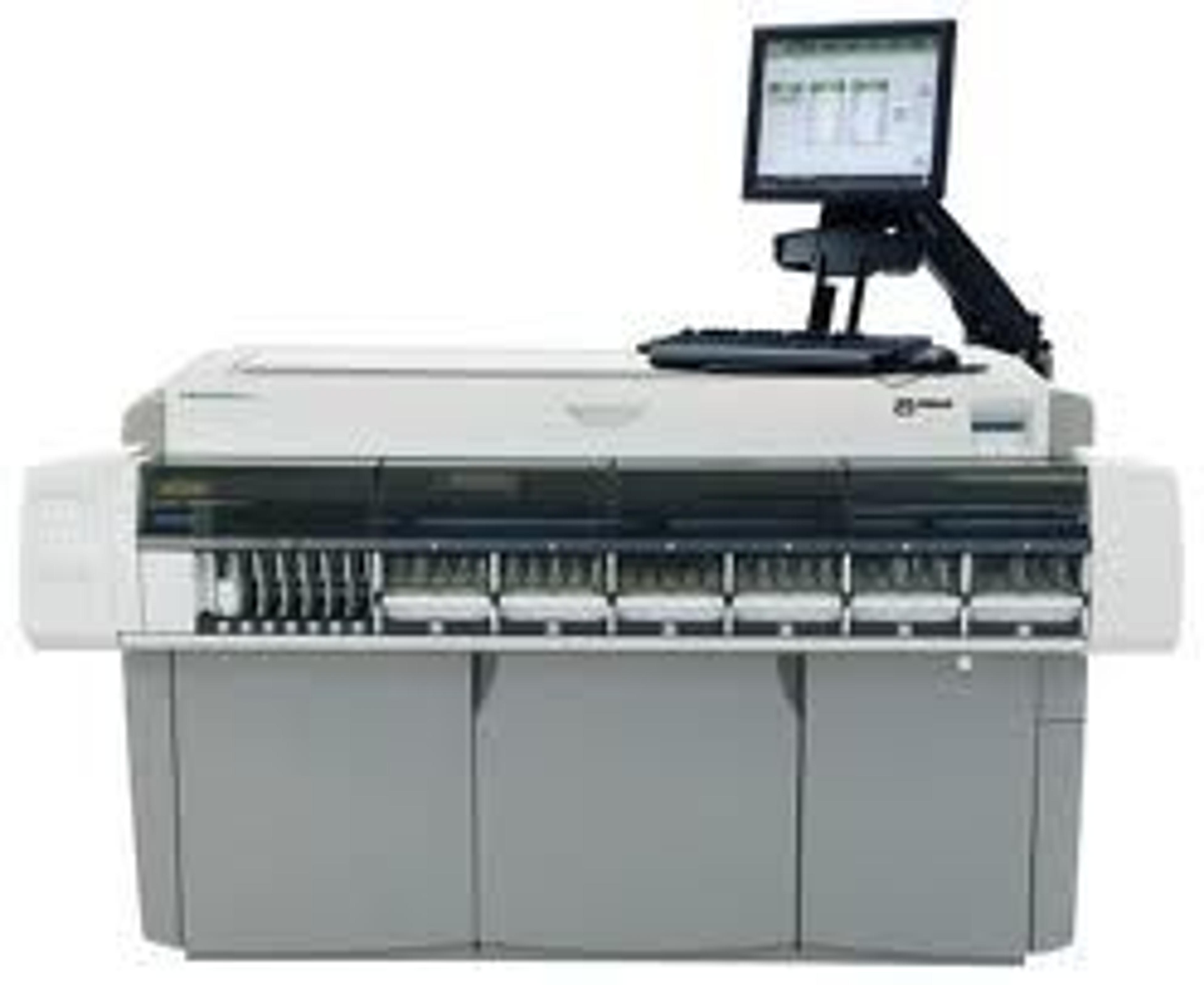
ARCHITECT c16000 Clinical Chemistry Analyzer
AbbottARCHITECT c16000 can be integrated with the ARCHITECT i2000SR to consolidate clinical chemistry and immunoassay on one platform. True Family Commonality Seamless transfer from system to system • Equivalent results across all ARCHITECT c Systems • Identical technology, reagents and assay protocols •Identical software that is intuitive to operate •Universal ARCHITECT sample carrier Integration Without Compromise A unique approach to consolidation • SmartWash technology ensures no clinically significant sample tube to tube carryover (less than 0.1 ppm) •Robotic Sample Handler (RSH) eliminates bottlenecks and prioritizes urgent requests •Immediate STAT processing for fast and consistent turnaround time •Up to 65 refrigerated reagent positions plus patented ISE (Na+, K+, and Cl-) •215 sample load capacity including 35 priority positions •Continuous sample access •Throughput of up to 1,800 clinical chemistry tests per hour Enhanced System and Assay Dynamics The latest in immunochemistry technology •FlexRate methodology extends linearities and avoids repeats •Integrated Chip Technology (ICT) delivers ISE (Na+, K+, and Cl-) analysis with minimal maintenance, low sample volume (15 uL), and within run precision of 1% or less •Liquid level sensing combined with pressure differential technology for enhanced bubble and clot detection monitors sample integrity
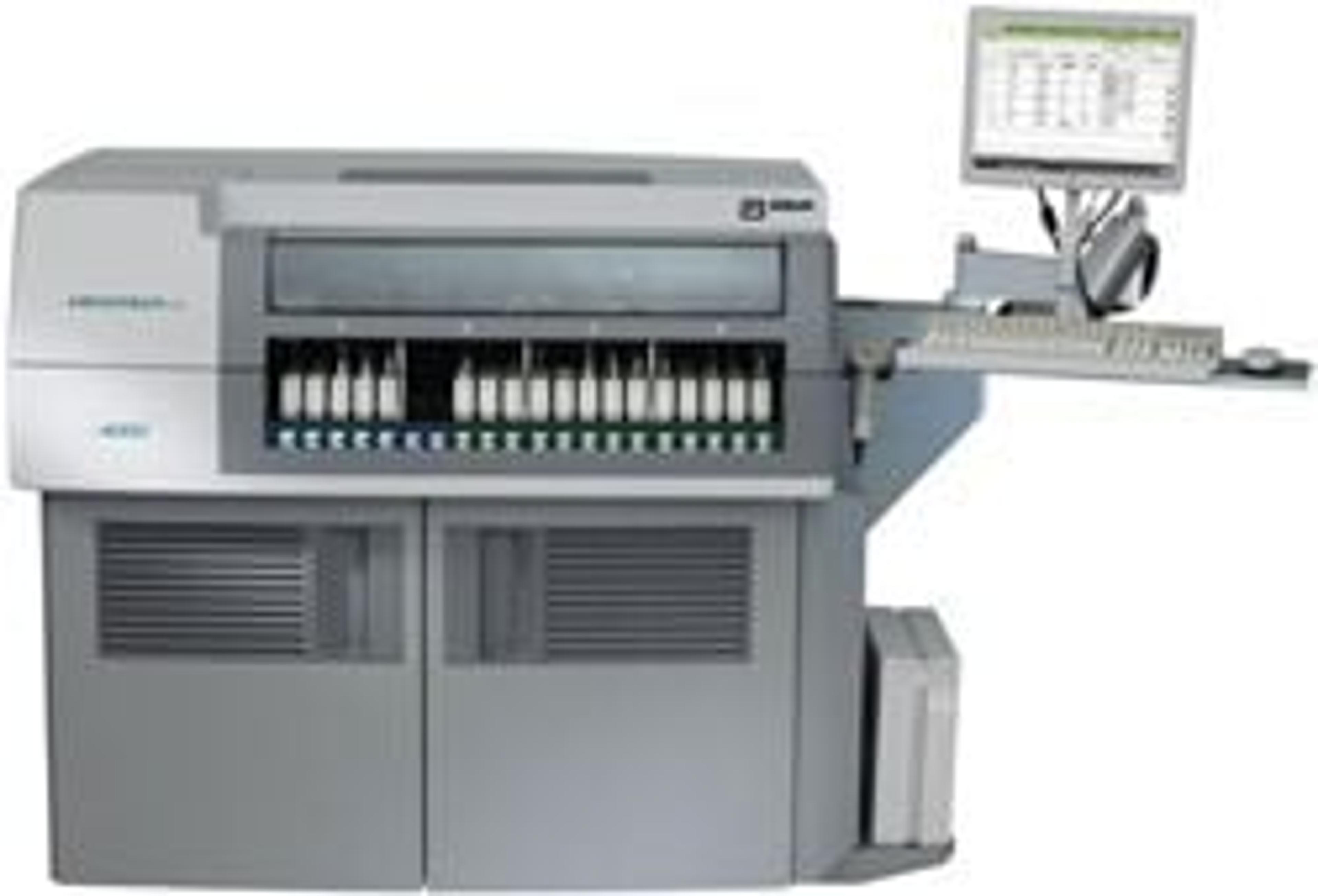
ARCHITECT c4000 Clinical Chemistry Analyzer
AbbottARCHITECT c4000 can be integrated with the ARCHITECT i1000SR to consolidate clinical chemistry and immunoassay on one platform. The new ARCHITECT ci4100 helps your laboratory make a greater impact on quality health care. By integrating immunoassay and chemistry testing on a single platform along with advanced technologies like CHEMIFLEX and FlexRate, the ARCHITECT ci4100 can offer your laboratory the same robust science larger volume labs employ. See how the ARCHITECT ci4100 can increase your lab's performance by contacting your Abbott representative.
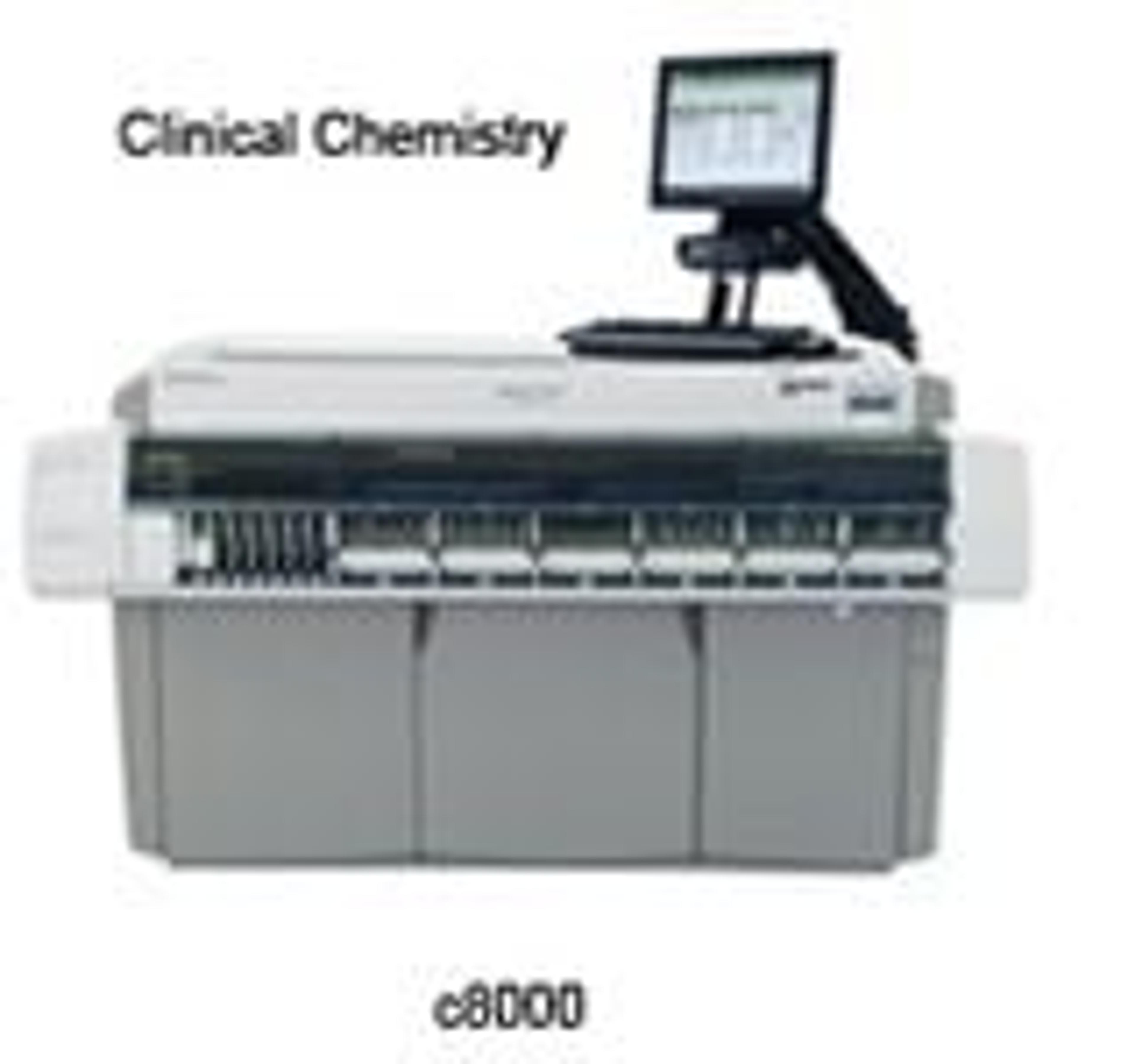
ARCHITECT c8000 Clinical Chemistry Analyzer
AbbottARCHITECT c8000 can be integrated with the ARCHITECT i2000SR to consolidate complex workloads of clinical chemistry and immunoassay testing on to one efficient platform. Our innovative integration solution for clinical chemistry testing helps you: •Report STAT results quickly using dedicated positions on a three-dimensional sample handler •Reduce repeats and reruns with FlexRate technology that extends linear ranges of enzymatic assays •Standardize processes through equivalent patient results and common consumables across all ARCHITECT c Systems •Improve workflow efficiency with a large load up capacity for samples and refrigerated reagents See how the ARCHITECT c8000 can increase your lab's performance by contacting your Abbott representative.