
Genome Institute of Singapore and Roche NimbleGen: Tracking the Evolutionary Path of the novel H1N1 Influenza A
27 May 2009The recent outbreak of the flu virus, the new strain of Influenza A (nH1N1), has rapidly spread around the world. Many experts are concerned for the evolutionary track of this new strain and whether it will mutate or re-assort with other influenza strains to potentially produce a more deadly strain, as the world experienced with the 1918 strain.
To identify these mutations and re-assortments, a team at the Genome Institute of Singapore has developed a novel “generic” Polymerase Chain Reaction (PCR) approach that can amplify the full genome of any influenza A virus; followed by NimbleGen microarray-based hybridization sequencing, that allows a rapid turn around for entire genomes (as many as 36 a day with one chip reader device) in about 24 hours.
This new method can use the same RNA material that is left over from traditional PCR based diagnostics and can recognize any novel strain of Influenza in the first pass. This will enable a faster development of diagnostics for any possible new variant; it also can rapidly determine if the strain of DNA changed to become even more dangerous e.g. in terms of drug resistance.
Working in close collaboration with scientists from Roche NimbleGen, and utilizing the flexibility that the NimbleGen platform offers, the first arrays were designed, manufactured, and shipped to Singapore just 4 days after the project was started. The custom-developed high-density microarray contains probes which can reveal the complete sequence of the flu virus from patient samples (nasal swabs/nasal pharyngeal wash). This will enable detection of any single base mutations in the regions of the genome, which is important for drug susceptibility. Where virus re-assortment has occurred, it will be able to identify which strain of Influenza A it has recombined with, as well as the genomic location of the re-assortment to better understand and track the evolutionary path and variants of the virus.
Dr. Christopher Wong, Chief Scientific Officer for Biomarker Development at the GIS said, “This new approach takes advantage of our novel PCR technology, developed for detecting a wide range of pathogens. This should greatly simplify the process of sequencing novel viruses.”
Dr. Gerd Maass, CEO of Roche NimbleGen, stated: “With the development of this new system, the entire project team hopes to better and more quickly track this new flu variant and keep the world informed of how the virus is evolving.”
GIS Executive Director Prof Edison Liu added, "The significance of this tracking process can be better appreciated in that it provides vital information that can be used to prevent or combat a pandemic.”
A similar approach using NimbleGen arrays was used successfully during the SARS outbreak in 2003 to understand the infectious source and to globally monitor the SARS virus.
Related products
Request Quote for All ProductsNimbleGen HD2 Catalog Tiling Arrays
RocheSource: UCSC Build: HG18, NCBI 36 Probe Length: 60mer Median Probe Spacing: 1169bp Platform: HD2 Probes per Array: 2,100,000 Feature Size: 13μm x 13μm Array Dimensions: 62mm x 14mm Overall Slide Dimensions: 1" x 3" (25 x 75mm) Recommended Storage: Store arrays desiccated at room temperature.
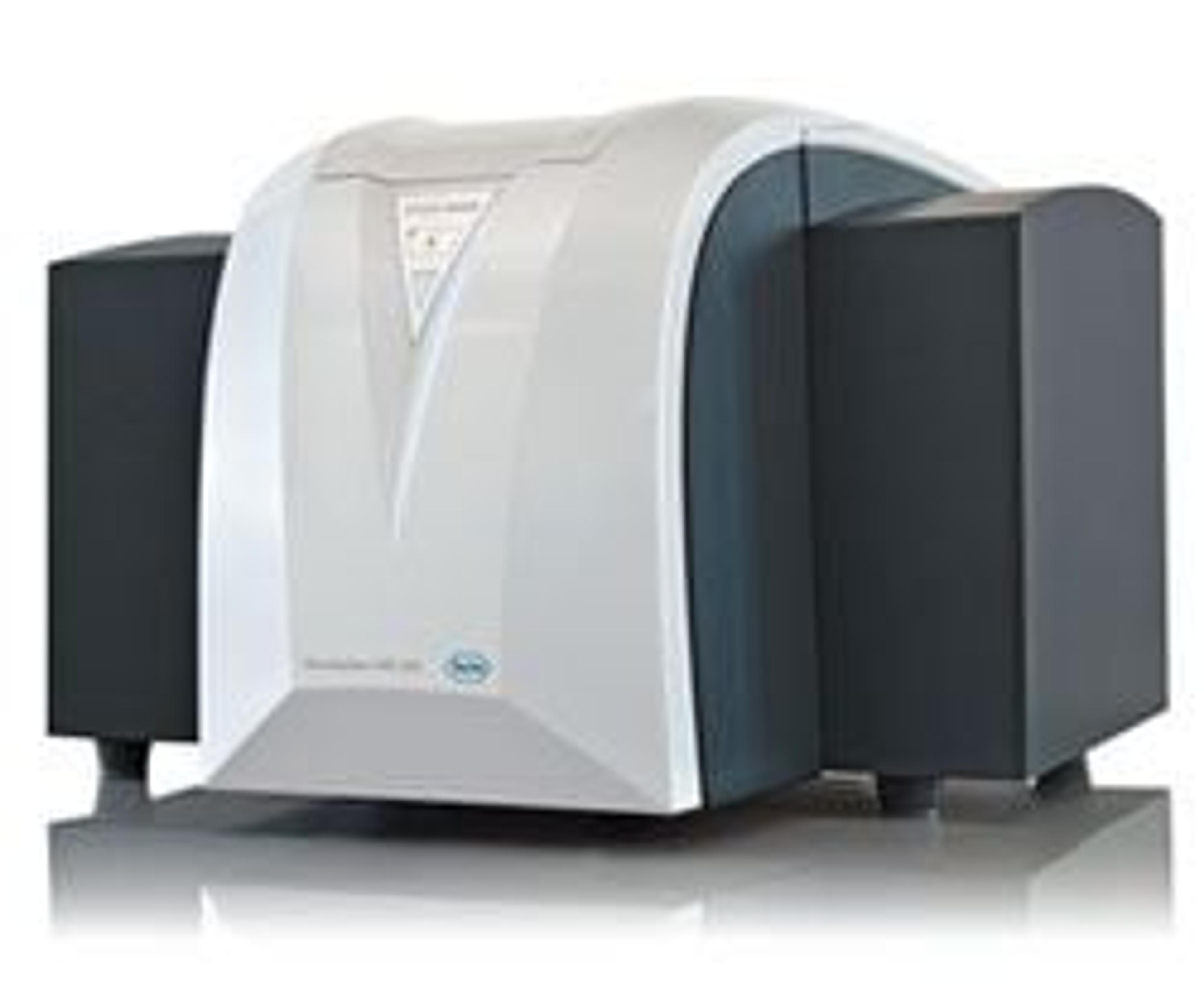
NimbleGen MS 200 Microarray Scanner
RocheThe NimbleGen MS 200 Microarray Scanner is the first scanner optimized to unleash the full potential and capture the complete picture from NimbleGen DNA microarrays. The MS 200 offers 2 micron resolution and heightened sensitivity to achieve high data quality and confident results from high-density NimbleGen microarrays of today and tomorrow. Critical to the the workflow, NimbleScan and SignalMap software are included to analyze and view the high-quality data from the MS 200. High-throughput genomics research is now possible with the MS 200’s automated features, which are specifically designed for the NimbleGen microarray workflow. Advanced features such as a 48-slide autoloader, integrated barcode reader, autofocus, and auto gain combine to offer walkaway automation, allowing you to focus on your science. The MS 200’s high-resolution, high sensitivity and high-throughput capabilities are an integral part of the microarray workflow and unleash the full potential of NimbleGen high-density genomics platforms.

NimbleGen SeqCap EZ Library Kits
RocheSeqCap EZ Library is a solution-based capture method that enables enrichment of the whole exome or customer regions of interest in a single test tube. Built upon an optimized design algorithm, SeqCap EZ Library sets a new standard for a simple single-step enrichment method.