
Protein nanocrystallography with electron-counting detectors
Tuesday, October 27 at 14:00 GMT | 15:00 CET | 10:00 EDT | 07:00 PDT
Protein nanocrystals present a considerable challenge for macromolecular crystallography. Their small size can make them difficult to identify, while the limited number of unit cells produces much weaker Bragg scattering for a given flux.
Join Dr. Marcus Gallagher-Jones, Senior Electron Microscopy Structural Biologist at the Rosalind Franklin Institute, as he explores how electron diffraction techniques are being used to determine structures from protein nanocrystals. Dr. Gallagher-Jones will present recent structures and explain MicroED and SerialED workflows, comparing their detector requirements and showing how advanced electron-counting detectors and energy filtering can support useful signal collection at the low electron flux required for radiation-sensitive biological specimens.
Certificate of attendance
If you attend the live webinar, you will automatically receive a certificate of attendance, including a learning outcomes summary, for continuing education purposes.
If you view the on-demand webinar, you can request a certificate of attendance by emailing editor@selectscience.net.
Webinar details
Cost: Free to attend
Location: Online
Duration: 60 minutes
Registration is required to secure your place. If you register but can’t attend live, you will receive a link to the on‑demand recording once it becomes available.
Speakers


Who should attend?
- Researchers working in structural biology, MicroED, electron diffraction, cryo-EM, protein crystallography, TEM, detector development, and biological electron microscopy.
Featured products
Request Quote for All Products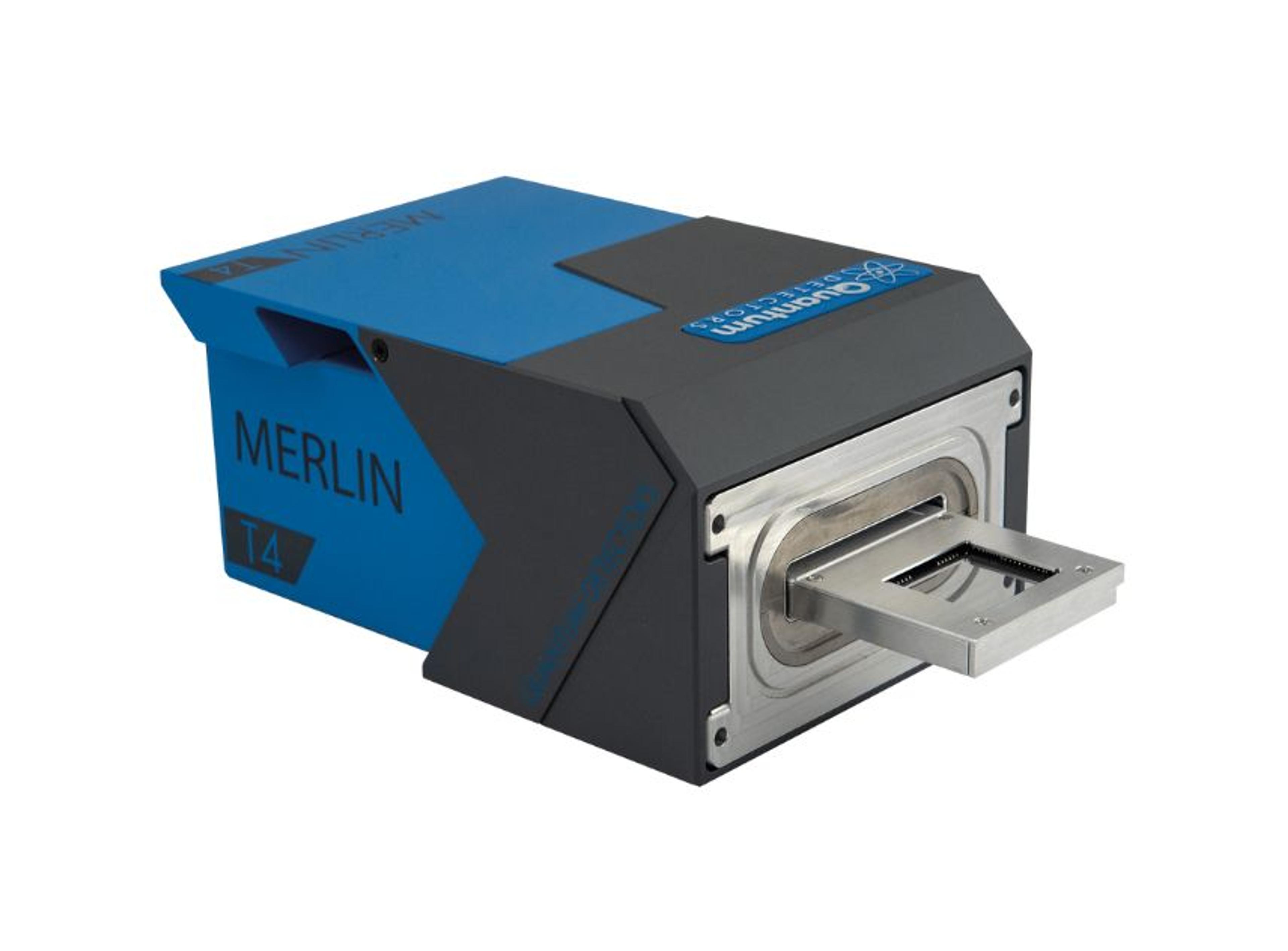
Merlin T4
Quantum DetectorsMerlin T4 is a cutting-edge hybrid pixel detector engineered for ultrafast applications in STEMs. Ideal for 4D-STEM, ultrafast diffraction, and ultrafast TEM imaging of dynamic processes from all types of samples, including beam-sensitive materials.
What will this webinar cover?
- Why protein nanocrystals are challenging for conventional macromolecular crystallography and how electron diffraction can collect structural information from extremely small crystals.
- How MicroED and SerialED can be used for routine protein nanocrystallography, including the workflows used to collect these data.
- Why sensitive electron-counting detection and energy filtering are important for weak diffraction signals and low electron flux.
- How detector requirements differ between MicroED and SerialED, with examples of recent structures determined from protein nanocrystals.