

Master EV profiling with Leprechaun – A case study from North Texas Eye Research Institute
Thursday, September 17 at 16:00 BST | 17:00 CEST | 11:00 EDT | 08:00 PDT
Extracellular vesicle (EV) profiling is critical to the understanding and diagnosis of many diseases. While essential, it is limited by traditional methods that require EV isolation, provide only one piece of the characterization puzzle, or process samples one at a time. Leprechaun is the ultimate tool for EV characterization that provides EV size, titer, and surface marker or cargo profiling from a single assay with maximum 25 µL of sample. It can work with samples direct from crude, such as biofluid or cell culture media.
Join this SelectScience® webinar for an overview of Leprechaun and see how North Texas Eye Research Institute (NTERI) uses it to profile EVs directly from tears, saliva and cultured cells. Learn how Leprechaun is critical to NTERIs mission of discovering, developing, and delivering novel therapies for the treatment of corneal trauma and diseases.
Certificate of attendance
If you attend the live webinar, you will automatically receive a certificate of attendance, including a learning outcomes summary, for continuing education purposes.
If you view the on-demand webinar, you can request a certificate of attendance by emailing editor@selectscience.net.
Webinar details
Cost: Free to attend
Location: Online
Duration: 60 minutes
Registration is required to secure your place. If you register but can’t attend live, you will receive a link to the on‑demand recording once it becomes available.
Speakers

Featured products
Request Quote for All Products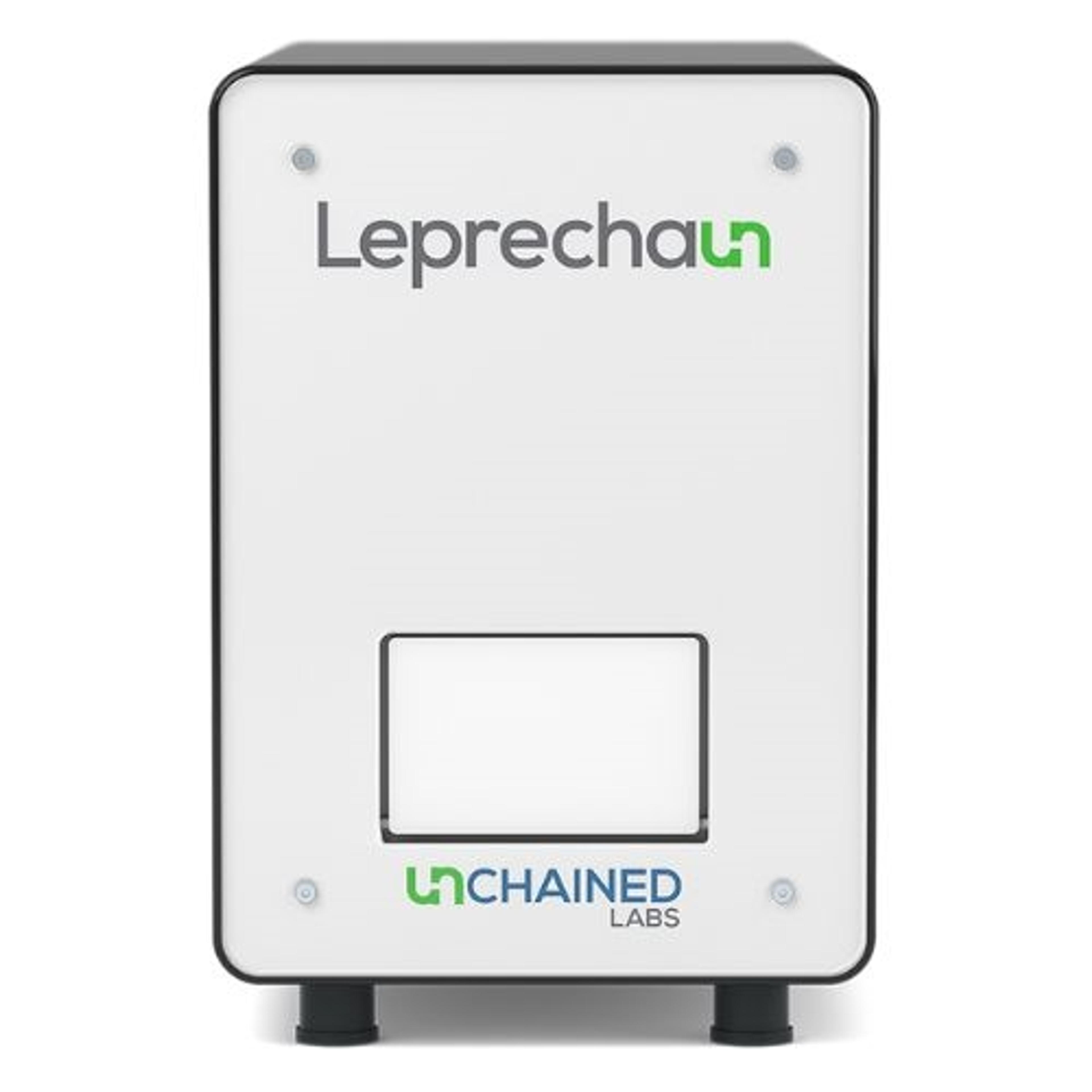
What will this webinar cover?
Join the webinar to get answers to these questions:
- How does Leprechaun enable comprehensive EV size, titer, and surface marker or cargo profiling in a single assay?
- In what ways does Leprechaun overcome the limitations of traditional EV isolation and single-parameter methods?
- How can EVs be profiled directly from crude samples such as biofluids or cell culture media?
- How is NTERI using Leprechaun to analyze EVs from tears, saliva, and cultured cells?
- Why is EV profiling with Leprechaun critical to advancing therapies for corneal trauma and diseases?