What LC‑UV/MS can reveal about GLP‑1 impurities
Monday, September 28 at 16:00 BST | 17:00 CEST | 11:00 EDT | 08:00 PDT
A single analytical technique rarely tells the whole story. For scientists working with GLP-1 analogs, building a complete impurity profile can be challenging, particularly when relying on one source of analytical information alone. Combining complementary datasets can provide deeper insight into impurity composition, helping teams make more confident decisions throughout development and quality control.
In this SelectScience® webinar, join Dr. Duanduan Han, Senior Scientist at Waters Corporation as she explores how LC-UV/MS workflows can provide complementary analytical insights for comprehensive impurity profiling. Learn how combining ultraviolet (UV) and mass spectrometry (MS) detection can enhance impurity detection and characterization while supporting robust, reliable analytical methods.
Dr. Han’s expertise spans LC-MS method development, impurity profiling, and raw material screening for GLP-1 therapeutics and other biopharmaceutical modalities. She will share practical strategies for improving confidence in impurity profiles and generating high-quality data to support GLP-1 development and quality control
Certificate of attendance
If you attend the live webinar, you will automatically receive a certificate of attendance, including a learning outcomes summary, for continuing education purposes.
If you view the on-demand webinar, you can request a certificate of attendance by emailing editor@selectscience.net.
Webinar details
Cost: Free to attend
Location: Online
Duration: 60 minutes
Registration is required to secure your place. If you register but can’t attend live, you will receive a link to the on‑demand recording once it becomes available.
Speakers


Who should attend?
- Analytical development, LC-MS, CMC, and QC scientists working in pharmaceutical and biotechnology organizations developing or manufacturing GLP-1 and other therapeutic peptides.
Featured products
Request Quote for All Products
ACQUITY Premier System
WatersAlong with the reliability, ruggedness, high quality, and configuration flexibility you expect from the ACQUITY™ UPLC™ PLUS Series, the Waters™ ACQUITY Premier System delivers a step change in chromatographic performance, lab efficiency, and risk control.
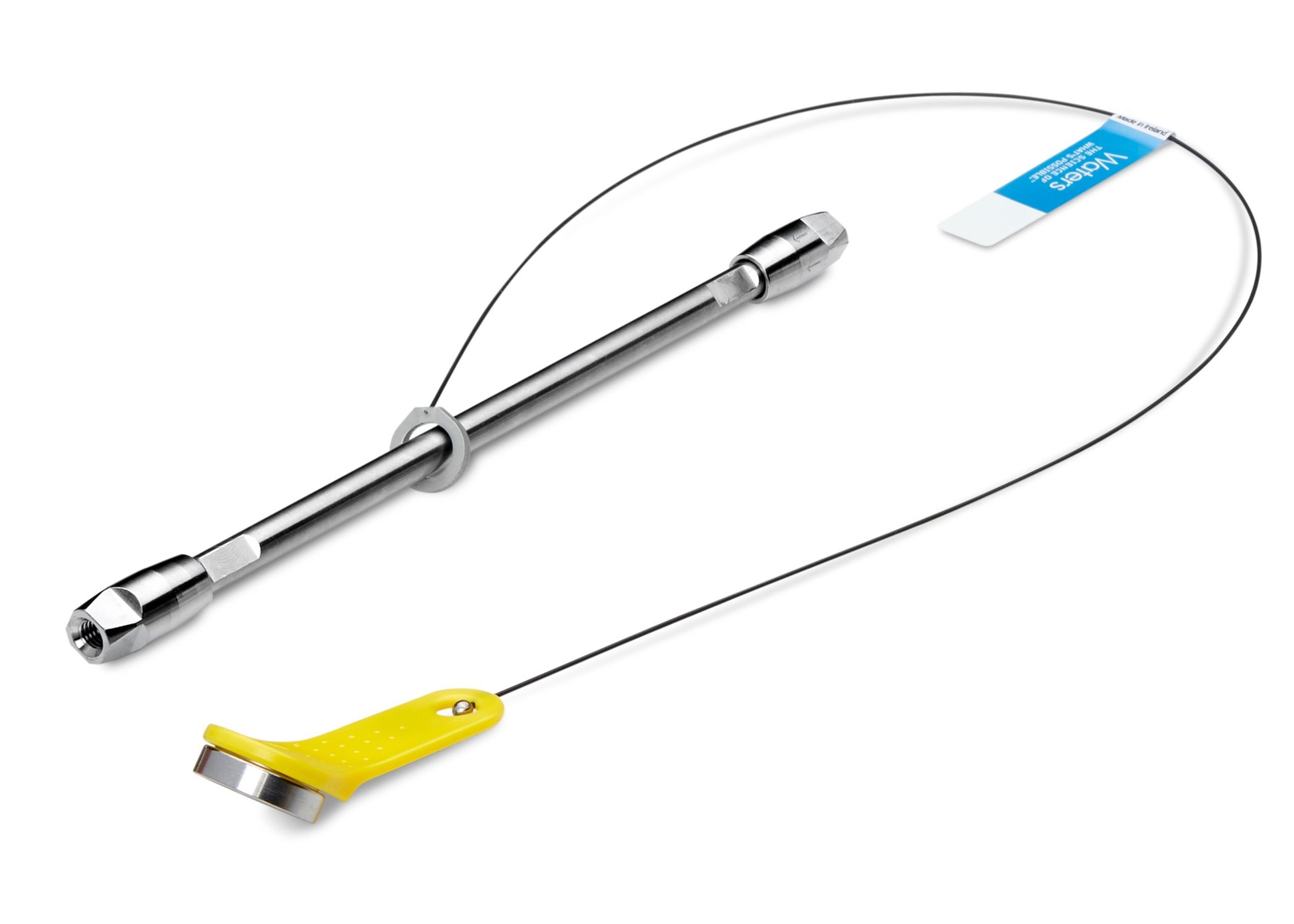
ACQUITY Premier Columns
WatersACQUITY Premier Columns with MaxPeak High-Performance Surface (HPS) technology reduce analyte/surface interactions.
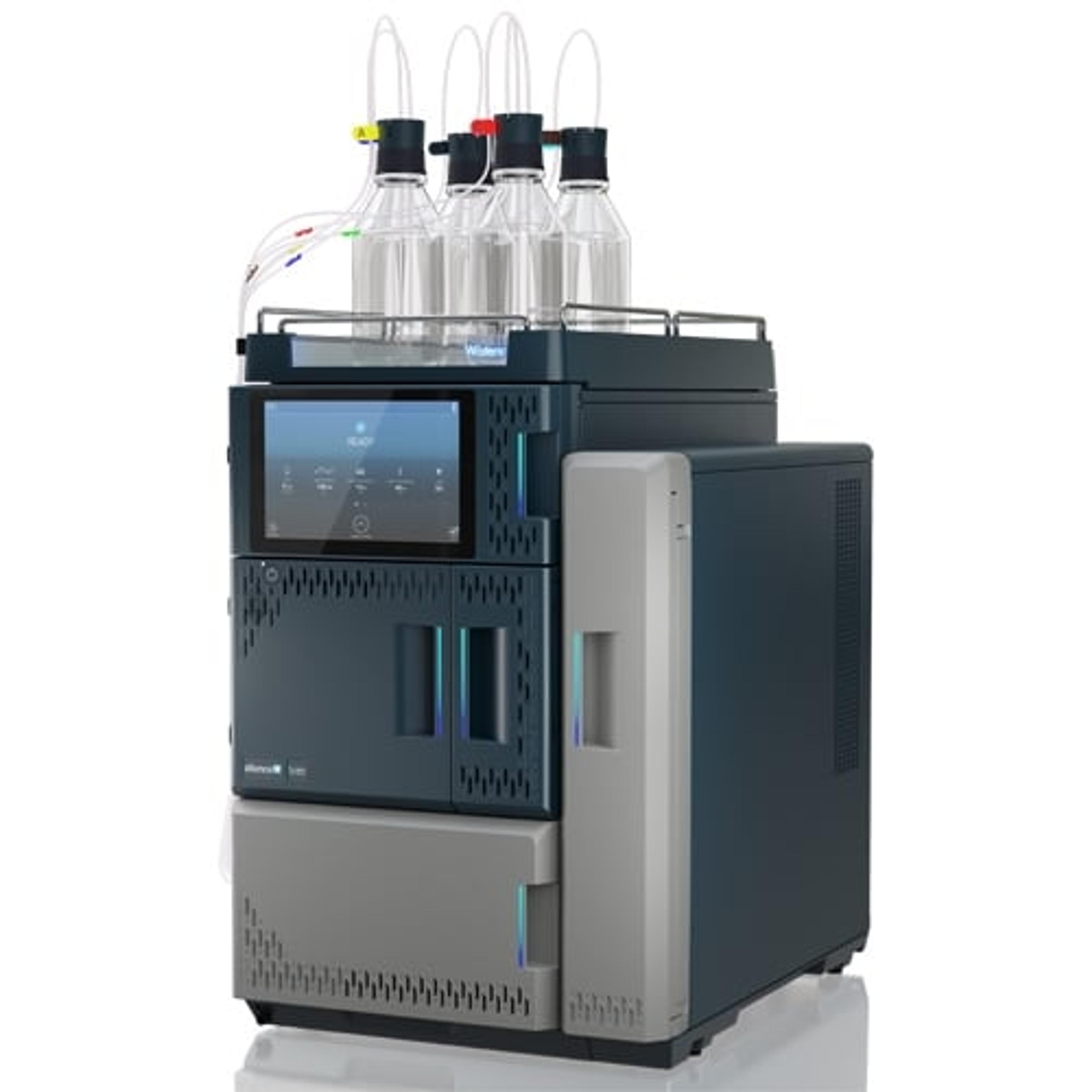
Alliance iS HPLC System
WatersDesigned to meet the everyday challenges facing pharmaceutical quality control (QC) labs, the Alliance™ iS HPLC System delivers a new era of intuitive simplicity by reducing errors with innovative system intelligence, enhancing productivity with safeguards to ensure system performance, and maximizing system uptime.
What will this webinar cover?
- How to leverage orthogonal mass information to detect impurities that may be overlooked by UV-based detection and gain data-driven insights on forced degradation impurities
- How to apply multiple separation modes (RPLC and HILIC) to utilize complementary selectivity to increase confidence in impurity resolution and raw material screening
- How to accelerate informed decision-making through LC-UV/MS workflow to streamline impurity profiling and monitoring and enhance laboratory productivity
Join the webinar to get answers to these questions:
- How can orthogonal mass information reveal GLP-1 impurities missed by UV-only detection?
- How do RPLC and HILIC provide complementary selectivity for impurity resolution?
- What LC-UV/MS workflows best support comprehensive impurity profiling?
- How can LC-UV/MS data improve forced degradation and raw material screening decisions?
- How does integrating UV and MS detection enhance productivity and method robustness in GLP-1 analysis?