Accelerate GLP-1 impurity profiling with Analytical Quality by Design (AQbD)
Tuesday, July 21 at 15:00 BST | 16:00 CEST | 10:00 EDT | 07:00 PDT
The rapid rise of glucagon‑like peptide‑1 receptor agonists (GLP‑1 RAs) has transformed the peptide therapeutics landscape, driven by their success in diabetes and obesity treatment and expanding potential across metabolic and cardiovascular diseases. As demand accelerates, biopharma QC teams face increasing pressure to perform high‑confidence GLP‑1 RA impurity profiling. These complex peptides require robust, well‑characterized analytical methods to ensure product quality, support regulatory expectations, and maintain lifecycle control.
Discover in this SelectScience webinar with Pawel Bigos, Senior Scientist, Waters Corporation, how a case study using Exenatide, a GLP‑1 RA used in type 2 diabetes therapy, uncovered 20 impurity peaks through a streamlined, risk‑based approach for developing lifecycle‑ready liquid chromatography (LC) methods. Bigos will demonstrate how applying analytical quality‑by‑design (AQbD) risk assessments, Design of Experiments (DoE), and Method Operable Design Regions (MODRs) enables deeper method understanding.
Bigos will also explore peak‑tracking strategies, orthogonal mass detection, Pareto analysis, and resolution mapping, which together provide a blueprint for high‑confidence impurity profiling in complex peptide therapeutics.
Certificate of attendance
If you attend the live webinar, you will automatically receive a certificate of attendance, including a learning outcomes summary, for continuing education purposes.
If you view the on-demand webinar, you can request a certificate of attendance by emailing editor@selectscience.net.
Webinar details
- Cost: Free to attend
- Location: Online
- Duration: 60 minutes
Registration is required to secure your place. If you register but can’t attend live, you will receive a link to the on‑demand recording once it becomes available.
Speakers


Who should attend?
- Professionals in biopharmaceuticals
- Quality control professionals
- Quality assurance professionals
- GLP-1 researchers
Featured products
Request Quote for All Products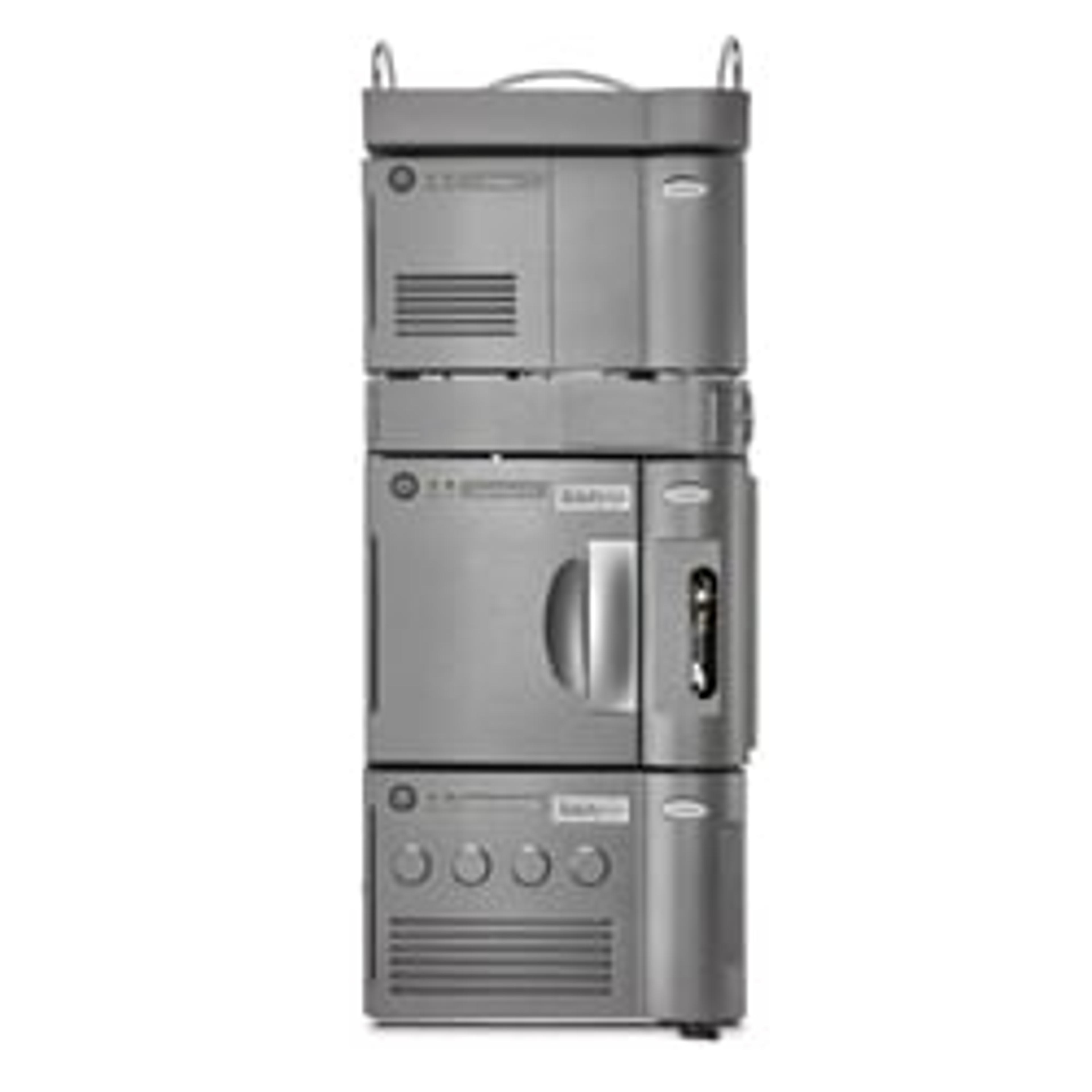
ACQUITY Premier System
WatersAlong with the reliability, ruggedness, high quality, and configuration flexibility you expect from the ACQUITY™ UPLC™ PLUS Series, the Waters™ ACQUITY Premier System delivers a step change in chromatographic performance, lab efficiency, and risk control.
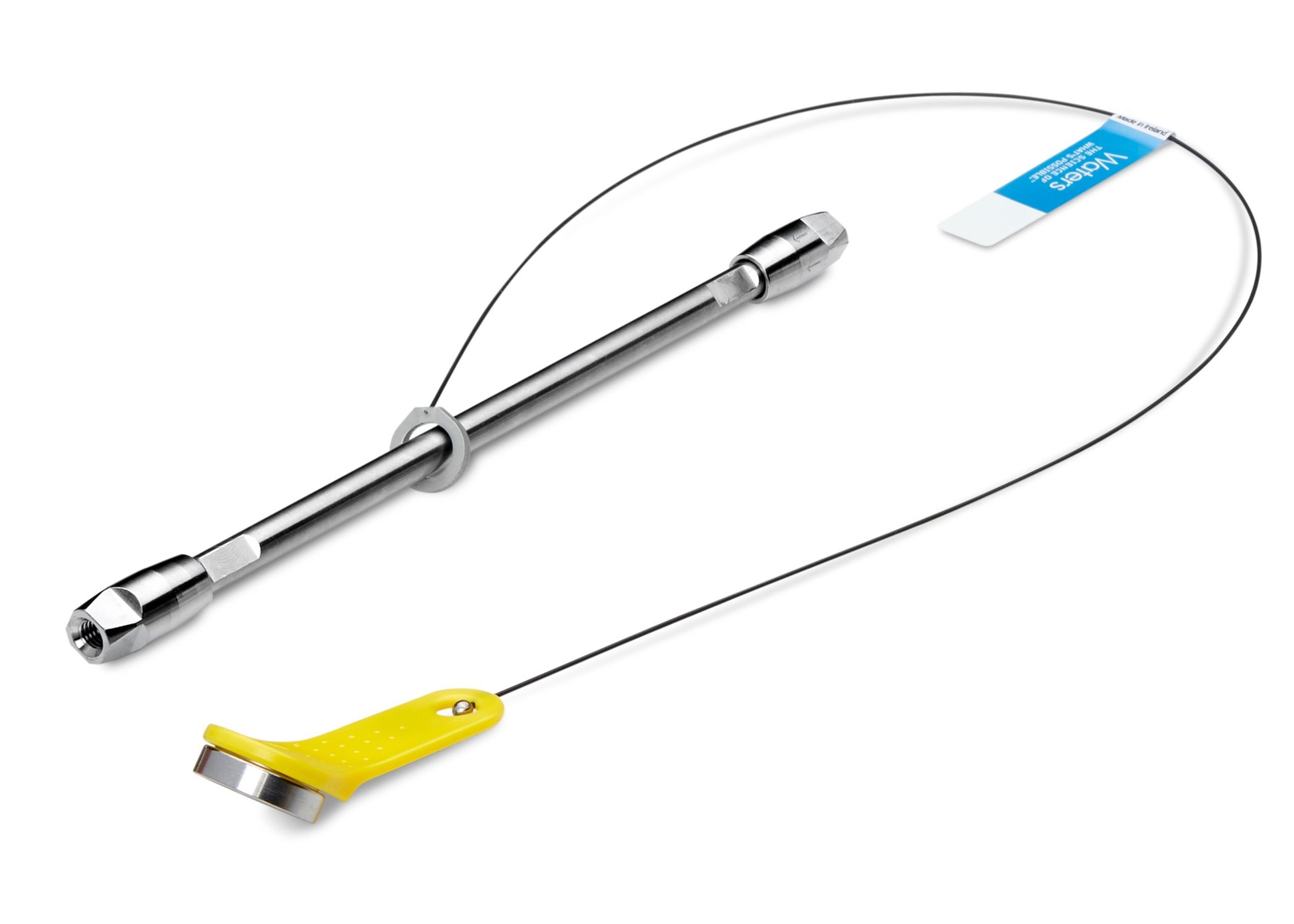
ACQUITY Premier Columns
WatersACQUITY Premier Columns with MaxPeak High-Performance Surface (HPS) technology reduce analyte/surface interactions.
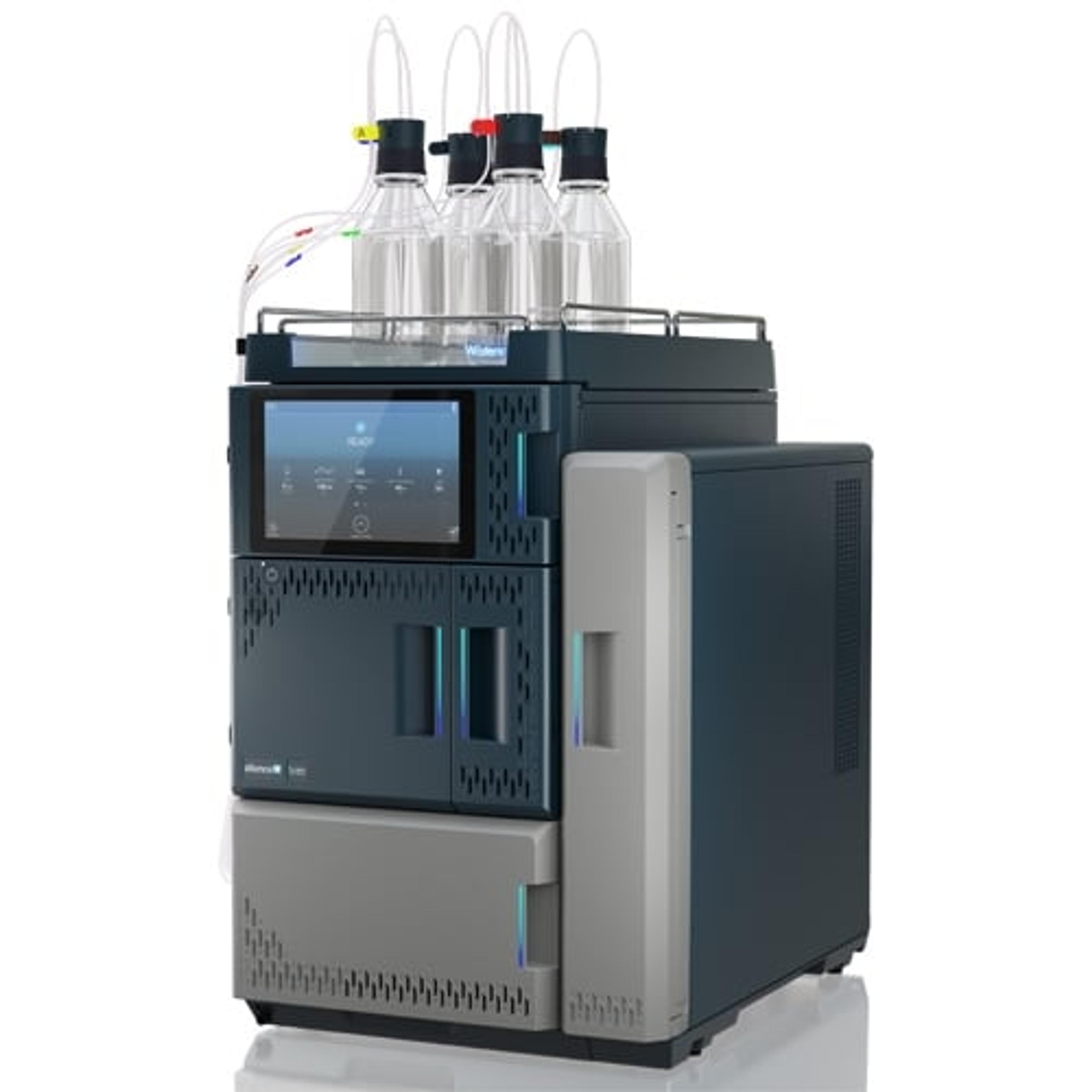
Alliance iS HPLC System
WatersDesigned to meet the everyday challenges facing pharmaceutical quality control (QC) labs, the Alliance™ iS HPLC System delivers a new era of intuitive simplicity by reducing errors with innovative system intelligence, enhancing productivity with safeguards to ensure system performance, and maximizing system uptime.
What will this webinar cover?
- How to apply AQbD principles to GLP-1 impurity method development by using risk assessments and DoE to systematically build robust, lifecycle-ready methods.
- Strategies for identifying and resolving complex peptide impurities using orthogonal mass detection, Pareto analysis, and data-driven optimization tools to improve peak tracking and separation performance.
- How to develop scalable, reproducible methods for routine testing by establishing method design spaces and transferring optimized methods across UPLC and HPLC platforms.
Join the webinar to get answers to these questions:
- How can AQbD principles and risk assessments be applied to develop robust GLP-1 RA impurity methods?
- How does DoE help to systematically optimize GLP-1 impurity profiling?
- What strategies improve the identification and resolution of complex peptide impurities?
- How can orthogonal mass detection and Pareto analysis enhance peak tracking and separation?
- How do you establish method design spaces to transfer optimized methods across UPLC and HPLC platforms for routine testing?