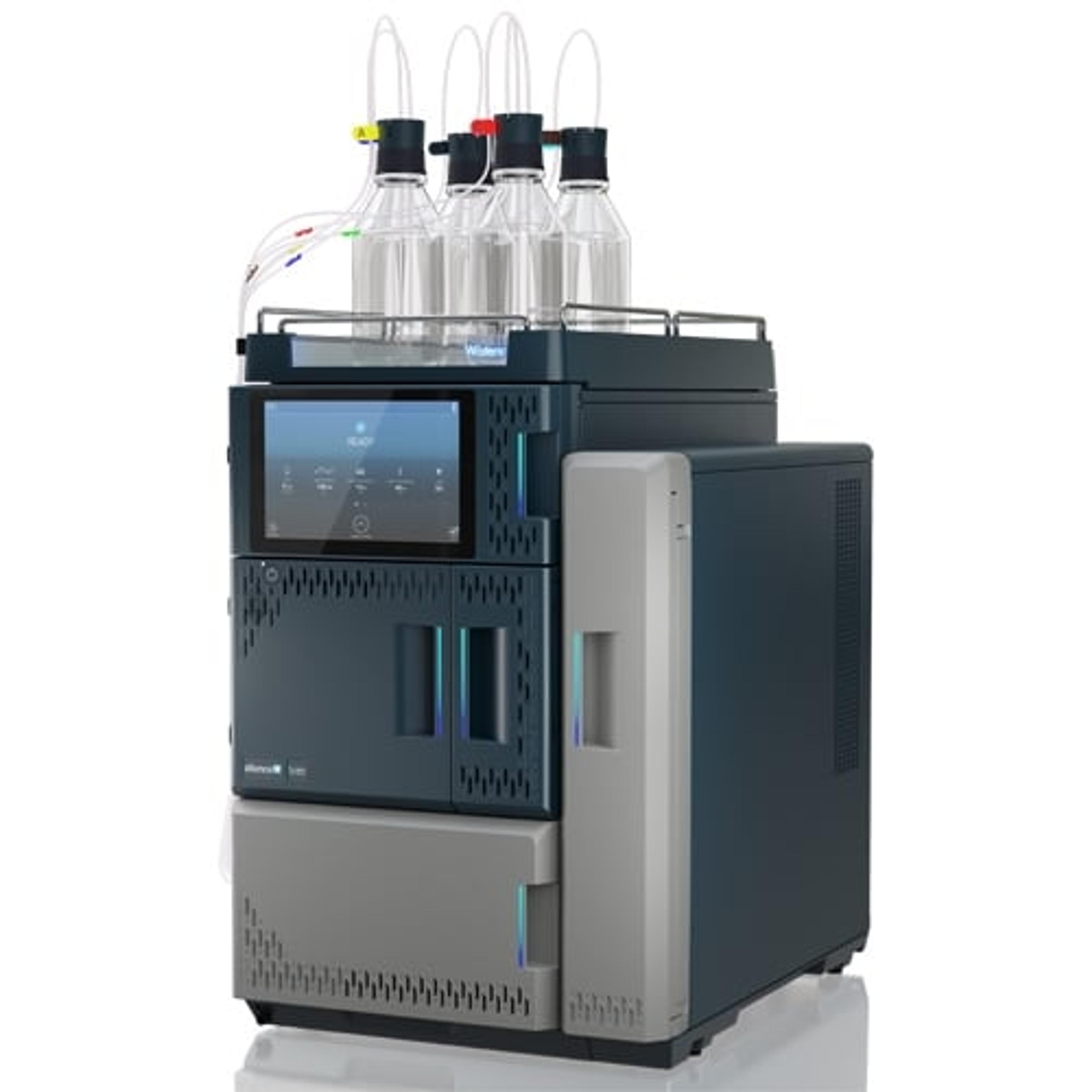
Alliance iS HPLC System
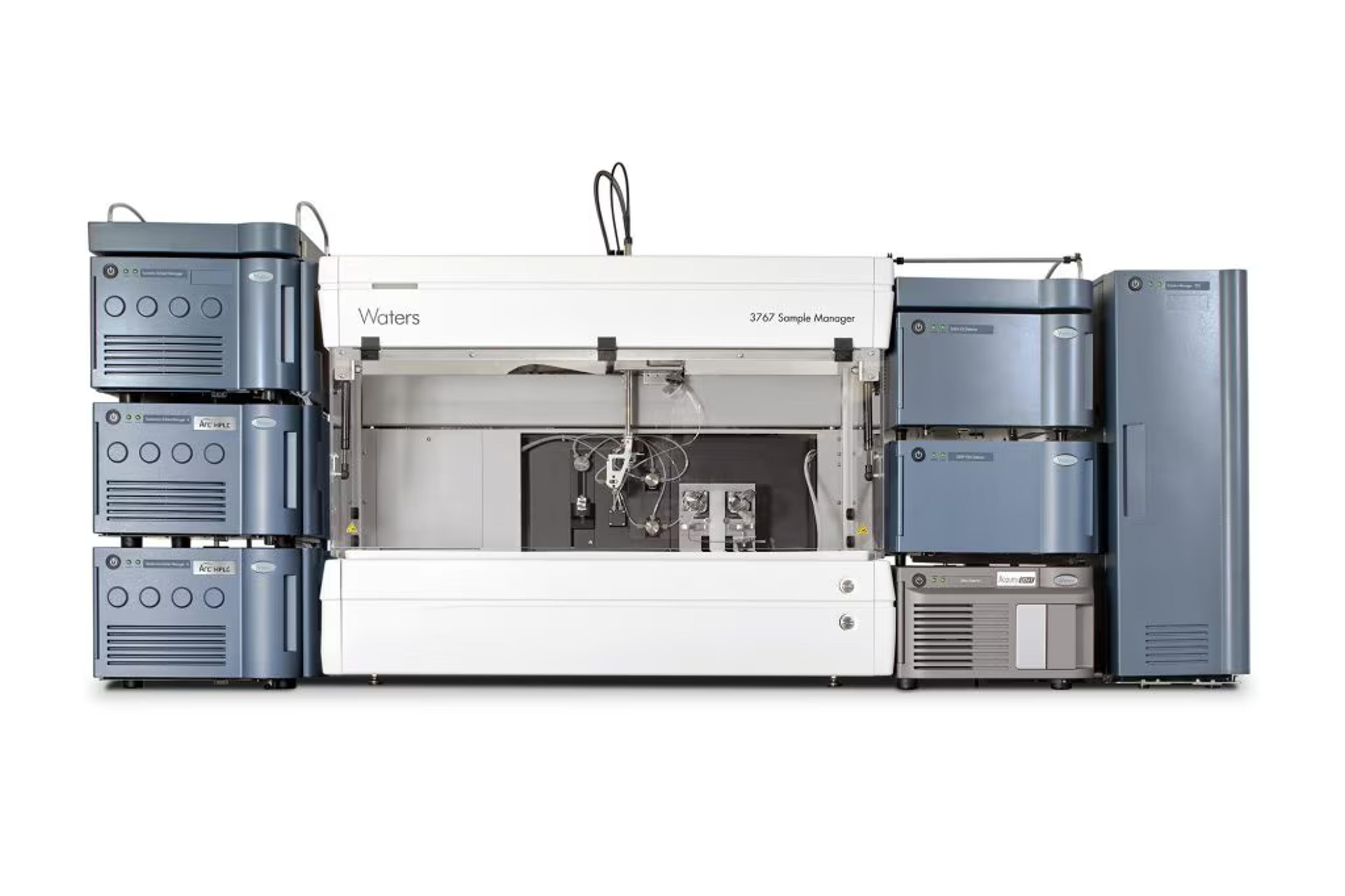
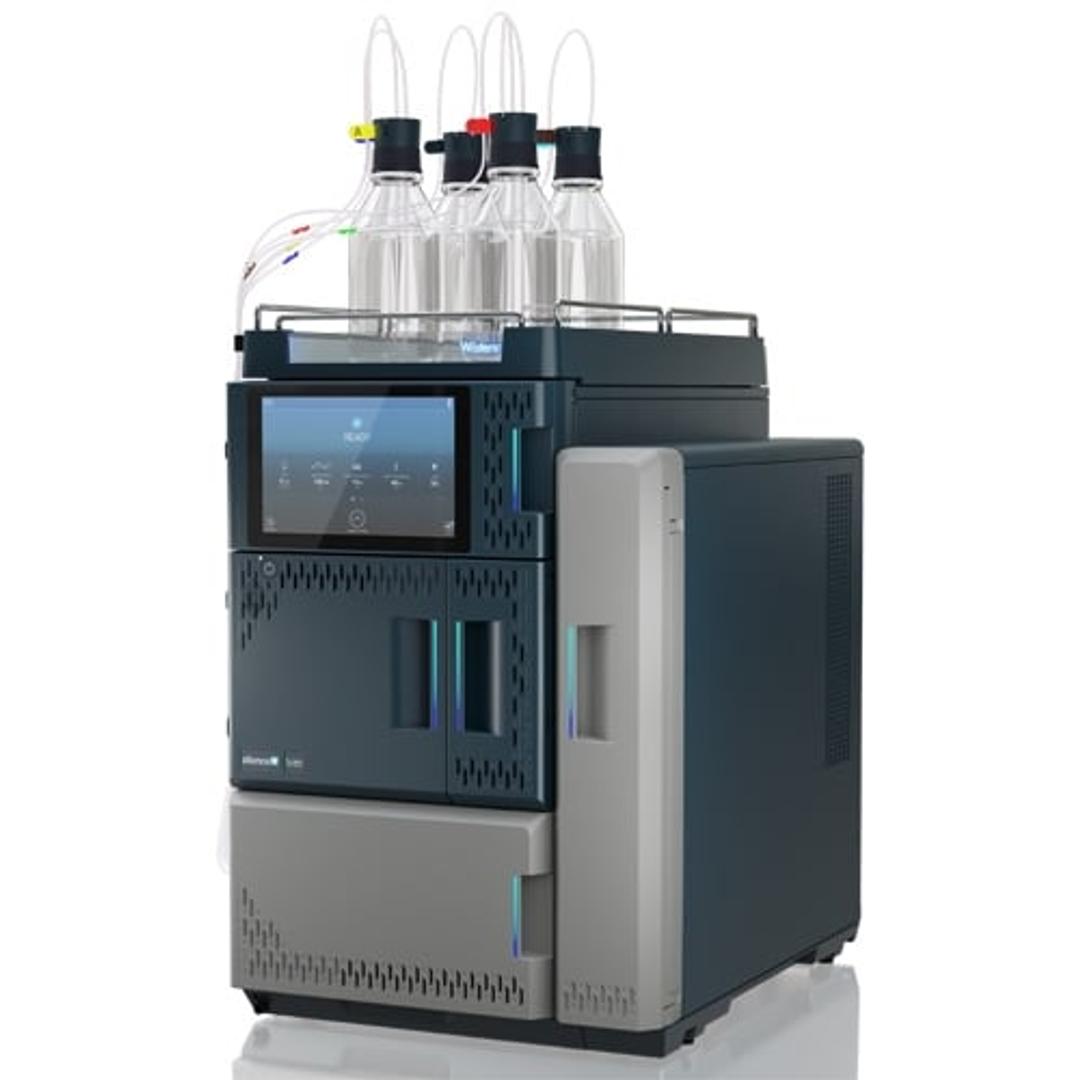
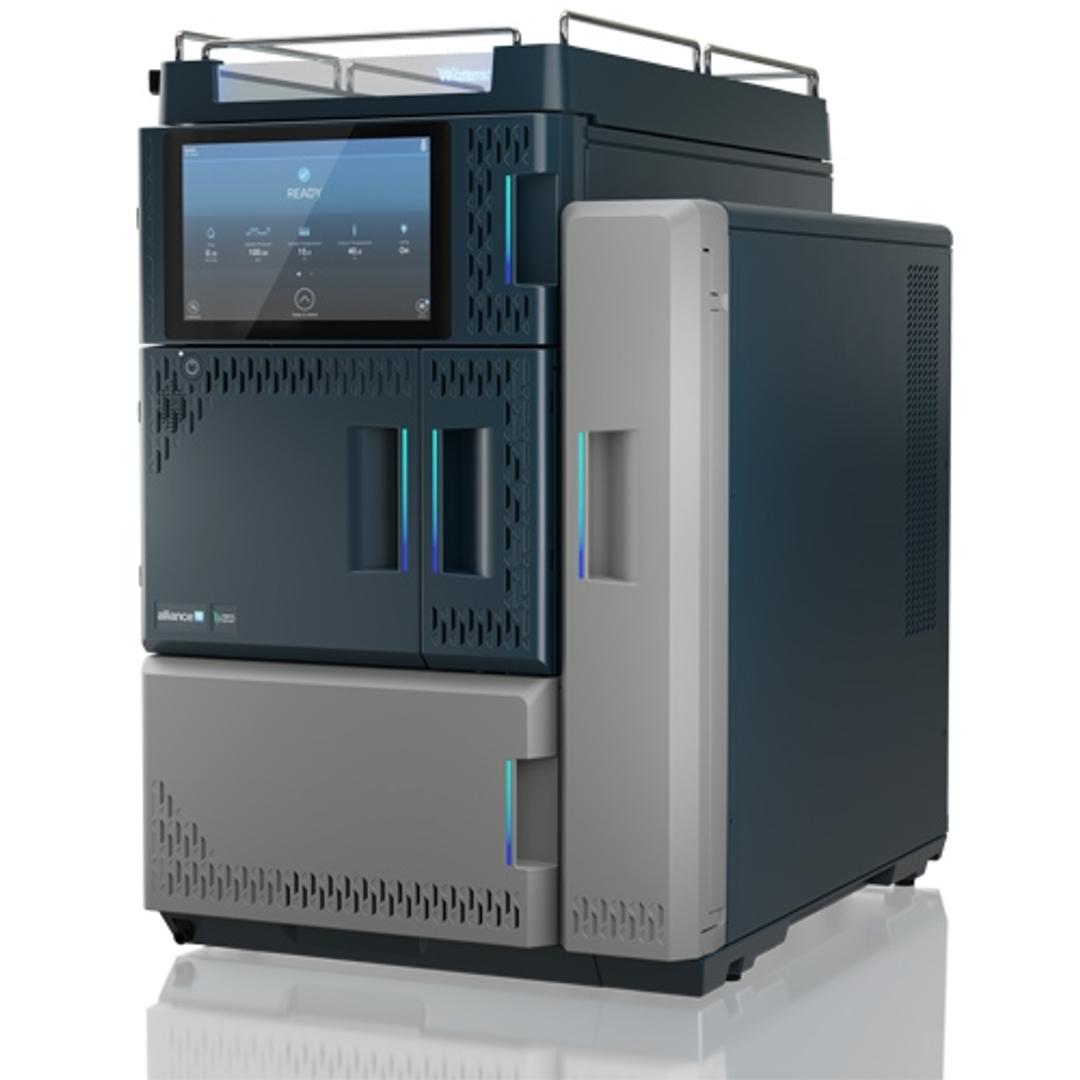
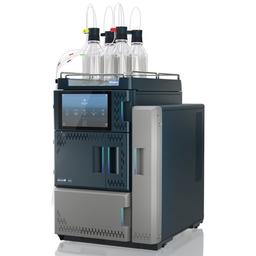
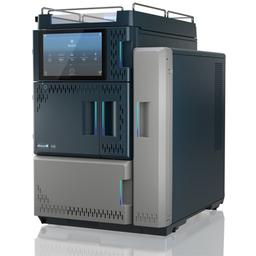
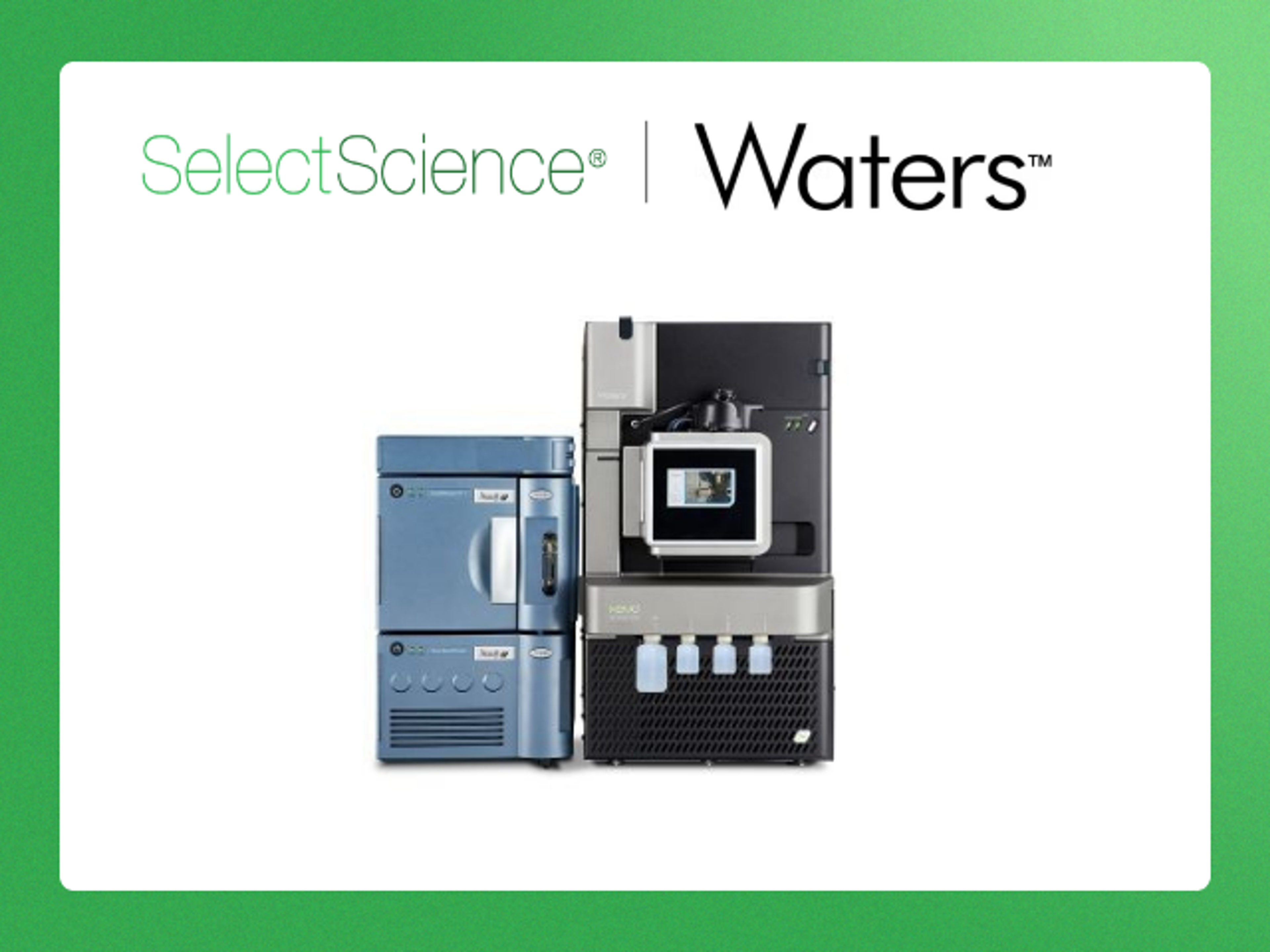
Designed to meet the everyday challenges facing pharmaceutical quality control (QC) labs, the Alliance™ iS HPLC System delivers a new era of intuitive simplicity by reducing errors with innovative system intelligence, enhancing productivity with safeguards to ensure system performance, and maximizing system uptime.

Place your order directly with the manufacturer.
The Alliance iS HPLC System has unique features and functionality, including tool-free fittings, an interactive touchscreen display, guided troubleshooting, and more, to support the needs of your busy lab.
- Reduce human error with hardware and intuitive touchscreen tools that stop unacceptable runs before they can occur
- Secure your data integrity and maximize system uptime with guided operational tools that ensure proper system preparation
- Amplify your lab’s ROI with automated system health monitoring that quickly communicates system status and streamlines decision making
- Reduce unexpected system downtime with guided troubleshooting and maintenance and enhanced component serviceability, all available on the instrument touchscreen
- Count on repeatable global method performance with improved thermal stability, hardware compatibility with legacy methods, and intelligent method translator tools
Brochures

Alliance iS HPLC System
Here, Waters presents the Alliance iS HPLC System. Pharmaceutical Quality Control (QC) labs face relentless demand to do more with less amid higher staff turnover, growing levels of sample complexity, and the drive to reduce errors. With regulatory scrutiny and faster time to market fueling these intense demands, the need for simplicity has never been greater. Waters understands the challenges you face and is ready to deliver a true ally for your laboratory. With capabilities developed specifically for the QC laboratory, the Alliance™ iS HPLC System will quickly become your favorite ally.
Achieving method modernization with the new liquid chromatographic gradient allowances provided by USP General Chapter <621> Chromatography and the Alliance iS HPLC System
The extent to which the various parameters of a chromatographic test may be adjusted without fundamentally modifying the pharmacopeial analytical procedures is defined in U.S. Pharmacopeia (USP) General Chapter <621> Chromatography. In this application note, Waters combines the gradient method adjustments described in this chapter with the Alliance™ iS HPLC System to achieve both column dimension and system modernization for the USP monograph separation of antiviral drug, abacavir sulfate.
Method migration of the USP ibuprofen assay and organic impurities method to an Alliance iS HPLC System
Method migration, or moving a method from one high-performance liquid chromatography (HPLC) system to another, is routine practice in many regulated laboratories, where there may be a variety of HPLC systems from different vendors and different models in a single lab. However, moving a method across systems can be challenging as differences between instrument designs may lead to chromatographic changes that can impact critical results. Alternatively, lack of familiarity with proper set up or operation of a system can also lead to poor results and may be much harder for the end user to identify. The Alliance iS HPLC System aims to make method migration more straightforward with improved usability features that limit analyst error and improve system reliability while maintaining chromatographic and quantitative performance. In this application note from Waters, a United States Pharmacopeia (USP) monograph method for the analysis of Ibuprofen and related impurities is replicated on two legacy HPLC systems and subsequently migrated to the Alliance iS HPLC System. Results are analyzed and compared, with all three systems demonstrating comparable results while meeting the USP system suitability requirements.
Improved chlorhexidine carryover performance using the Alliance iS HPLC System
Carryover is an all-too-common problem for many users of High Performance Liquid Chromatography (HPLC) systems. There are multiple forms of carryover, including volumetric, or carryover as a result of void volumes in the flow path, and adsorptive carryover, where sample “sticks” or adsorbs to surfaces of the flow path. If a method suffers from carryover, it is important to know which form of carryover it is so that you can most effectively eliminate the source of the carryover. In many cases, methods may display both volumetric and adsorptive carryover. In this application note, Waters evaluates carryover of chlorhexidine on a variety of HPLC systems across various vendors. In addition, mitigation strategies, namely implementation of needle wash and/or extending washing are explored as well.
Simultaneous determination of naphazoline hydrochloride and pheniramine maleate along with their related compounds by high performance liquid chromatography on an Alliance iS HPLC System
In this application note, Waters developed a liquid chromatographic method for simultaneous determination of two active ingredients - naphazoline hydrochloride and pheniramine maleate ophthalmic, along with their related compounds. The method achieved complete separation of analytes within 20 minutes, in a single run at a temperature of 40 °C and a flow rate of 2.0 mL min−1, using an XSelect™ CSH C18 Column. A comprehensive evaluation of system suitability, range, accuracy (recovery), intraday and interday precisions was performed as a part of this study. The method was also found to be linear in the range of 80 to 120% with respect to the API concentration in a working concentration, displaying a correlation coefficient (R2 ) greater than 0.997. As a practical application, the method was successfully used for the routine analysis of commercially available ophthalmic and nasal solutions, without significant interference from the excipients.
Hydrophilic interaction liquid chromatography (HILIC) method migration part 1: From legacy HPLC systems to the Alliance iS HPLC System
In this application note, Waters helps illustrate a successful hydrophilic interaction liquid chromatography (HILIC) method migration from legacy HPLC systems found across industries to the Alliance iS HPLC System. Due to differences in HPLC instrument designs, HILIC method migration could be challenging since results could potentially be impacted. A well-designed system like Alliance iS HPLC System, helps overcome those challenges to allow for seamless migration. For this study, the United States Pharmacopeia (USP) monograph for cetirizine hydrochloride assay and organic impurities were analyzed on two legacy HPLC systems and migrated to the Alliance iS HPLC System. All three systems met suitability requirements and demonstrated comparable results.
Accelerate GLP-1 impurity profiling with Analytical Quality by Design (AQbD)
Tuesday, July 21 at 15:00 BST | 16:00 CEST | 10:00 EDT | 07:00 PDT
The rapid rise of glucagon‑like peptide‑1 receptor agonists (GLP‑1 RAs) has transformed the peptide therapeutics landscape, driven by their success in diabetes and obesity treatment and expanding potential across metabolic and cardiovascular diseases. As demand accelerates, biopharma QC teams face increasing pressure to perform high‑confidence GLP‑1 RA impurity profiling. These complex peptides require robust, well‑characterized analytical methods to ensure product quality, support regulatory expectations, and maintain lifecycle control.
Discover in this SelectScience webinar with Pawel Bigos, Senior Scientist, Waters Corporation, how a case study using Exenatide, a GLP‑1 RA used in type 2 diabetes therapy, uncovered 20 impurity peaks through a streamlined, risk‑based approach for developing lifecycle‑ready liquid chromatography (LC) methods. Bigos will demonstrate how applying analytical quality‑by‑design (AQbD) risk assessments, Design of Experiments (DoE), and Method Operable Design Regions (MODRs) enables deeper method understanding.
Bigos will also explore peak‑tracking strategies, orthogonal mass detection, Pareto analysis, and resolution mapping, which together provide a blueprint for high‑confidence impurity profiling in complex peptide therapeutics.
Certificate of attendance
If you attend the live webinar, you will automatically receive a certificate of attendance, including a learning outcomes summary, for continuing education purposes.
If you view the on-demand webinar, you can request a certificate of attendance by emailing editor@selectscience.net.
Webinar details
- Cost: Free to attend
- Location: Online
- Duration: 60 minutes
Registration is required to secure your place. If you register but can’t attend live, you will receive a link to the on‑demand recording once it becomes available.
What LC‑UV/MS can reveal about GLP‑1 impurities
Monday, September 28 at 16:00 BST | 17:00 CEST | 11:00 EDT | 08:00 PDT
A single analytical technique rarely tells the whole story. For scientists working with GLP-1 analogs, building a complete impurity profile can be challenging, particularly when relying on one source of analytical information alone. Combining complementary datasets can provide deeper insight into impurity composition, helping teams make more confident decisions throughout development and quality control.
In this SelectScience® webinar, join Dr. Duanduan Han, Senior Scientist at Waters Corporation as she explores how LC-UV/MS workflows can provide complementary analytical insights for comprehensive impurity profiling. Learn how combining ultraviolet (UV) and mass spectrometry (MS) detection can enhance impurity detection and characterization while supporting robust, reliable analytical methods.
Dr. Han’s expertise spans LC-MS method development, impurity profiling, and raw material screening for GLP-1 therapeutics and other biopharmaceutical modalities. She will share practical strategies for improving confidence in impurity profiles and generating high-quality data to support GLP-1 development and quality control
Certificate of attendance
If you attend the live webinar, you will automatically receive a certificate of attendance, including a learning outcomes summary, for continuing education purposes.
If you view the on-demand webinar, you can request a certificate of attendance by emailing editor@selectscience.net.
Webinar details
Cost: Free to attend
Location: Online
Duration: 60 minutes
Registration is required to secure your place. If you register but can’t attend live, you will receive a link to the on‑demand recording once it becomes available.
TechTalk: GLP-1 & GIP under the lens: HRMS strategies for synthetic peptide profiling
Friday, October 2 at 15:00 BST | 16:00 CEST | 10:00 EDT | 07:00 PDT
Synthetic peptides like GLP-1 analogs (e.g., semaglutide, tirzepatide) present analytical challenges due to complex modifications and potential degradation products. High resolution accurate mass spectrometry (HRMS) offers the sensitivity, resolution, and mass accuracy needed for confident sequence confirmation and impurity profiling.
In this Tech Talk, attendees will discover how integrated workflows from high-throughput screening using the INTACT Mass App to detailed degradation characterization with UNIFI streamline synthetic peptide analysis, support quality attribute monitoring, and ensure regulatory compliance.
Certificate of attendance
If you attend the live TechTalk, you will automatically receive a certificate of attendance, including a learning outcomes summary, for continuing education purposes. If you view the on-demand TechTalk, you can request a certificate of attendance by emailing editor@selectscience.net.
TechTalk details
- Cost: Free to attend
- Location: Online
- Duration: 20 minutes
Registration is required to secure your place. If you register but can’t attend live, you will receive a link to the on-demand recording once it becomes available.
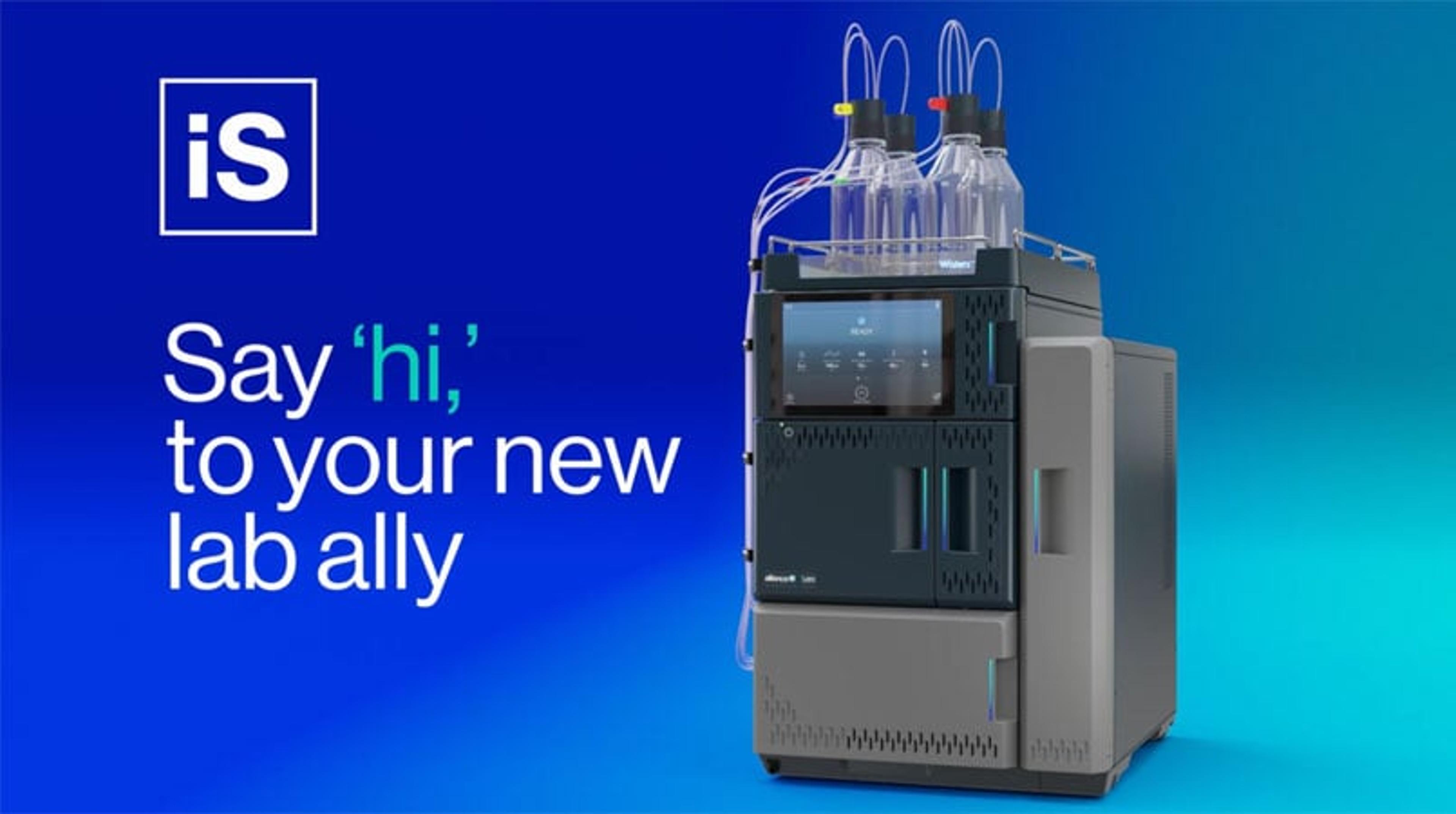
Meet your new lab ally: The Alliance iS HPLC System
In this video, Waters presents the Alliance™ iS HPLC System. Designed to meet the everyday challenges facing pharmaceutical quality control (QC) labs, the Alliance iS HPLC System delivers a new era of intuitive simplicity by reducing errors with innovative system intelligence, enhancing productivity with safeguards to ensure system performance, and maximizing system uptime.
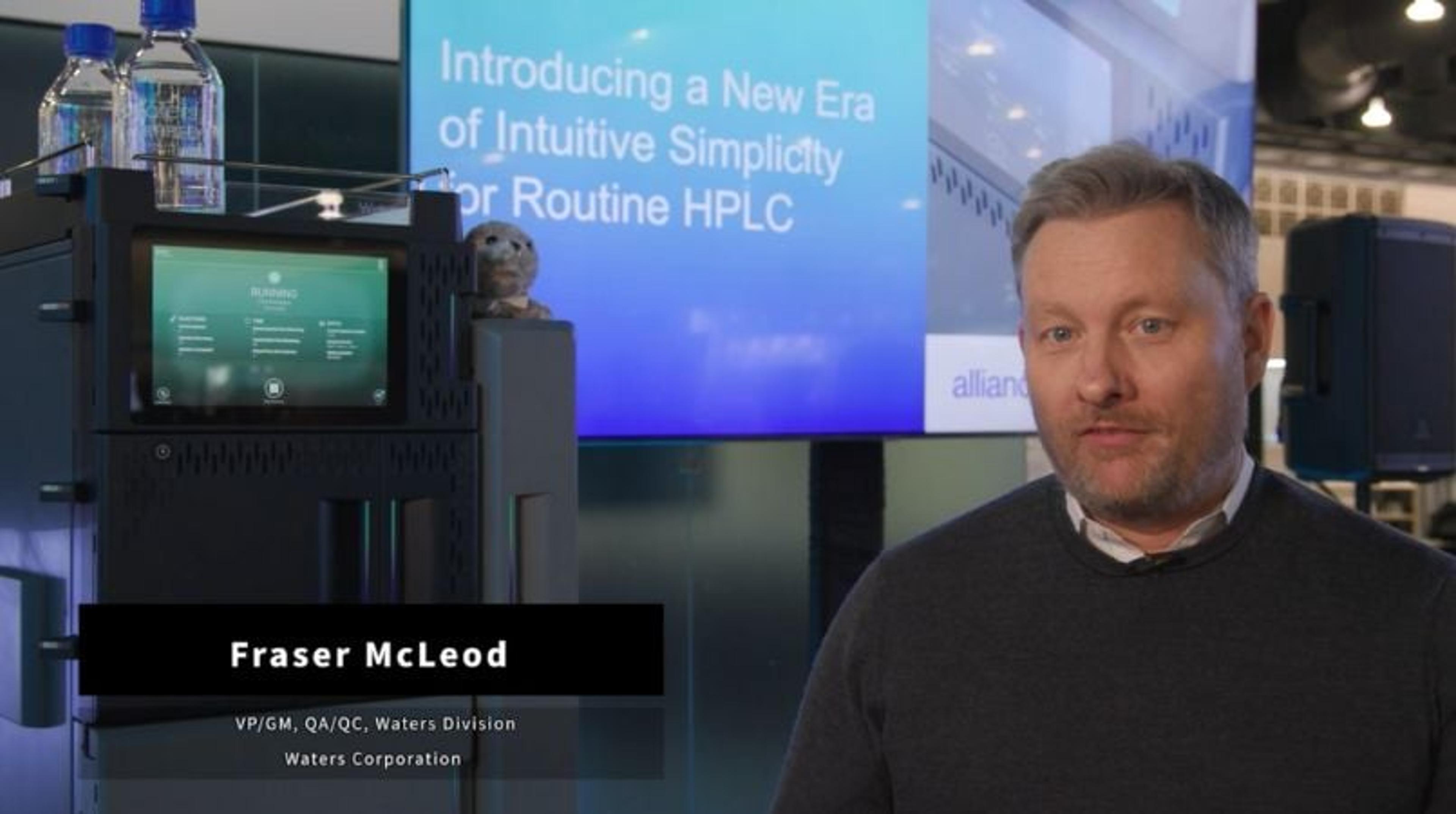
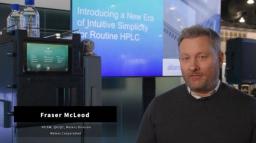
Introducing a new era of intuitive simplicity for routine HPLC
In this video, Fraser McLeod, Waters Corporation, introduces the new Alliance™ iS HPLC System, and explains how it was designed to meet the everyday challenges facing pharmaceutical quality control (QC) labs. The Alliance iS HPLC System delivers a new era of intuitive simplicity by reducing errors with innovative system intelligence, enhancing productivity with safeguards to ensure system performance, and maximizing system uptime.
Introducing the Alliance iS HPLC System
In this video, Eric Fotheringham, Waters Corporation, introduces the Alliance™ iS HPLC System, the latest generation of routine use HPLC systems.