
Diagnostic excellence in the use of GI pathogen panels
Wednesday, July 15 at 16:00 BST | 17:00 CEST | 11:00 EDT | 08:00 PDT
With the expanding range of gastrointestinal (GI) diagnostic options, selecting the right test has become increasingly complex. In this SelectScience® webinar, hosted in collaboration with Danaher company, Cepheid, explores how principles of diagnostic excellence and stewardship can guide optimal use of GI pathogen panels.
Through a combination of clinical and laboratory perspectives, speakers will discuss practical strategies for improving test selection, interpretation, and clinical impact. They will also highlight key challenges such as co-detection, distinguishing colonization from infection, and aligning testing approaches with clinical context.
Attendees will gain actionable insights to enhance diagnostic accuracy and support better patient care.
Certificate of attendance
If you attend the live webinar, you will automatically receive a certificate of attendance, including a learning outcomes summary, for continuing education purposes.
If you view the on-demand webinar, you can request a certificate of attendance by emailing editor@selectscience.net.
Webinar details
- Cost: Free to attend
- Location: Online
- Duration: 60 minutes
Registration is required to secure your place. If you register but can’t attend live, you will receive a link to the on‑demand recording once it becomes available.
Speakers



Featured products
Request Quote for All Products
GeneXpert System
CepheidCepheid's GeneXpert system family combines speed, accuracy, and simplicity to deliver PCR results anywhere testing is needed. The system automates sample preparation, PCR amplification, and detection using self-contained GeneXpert test cartridges.
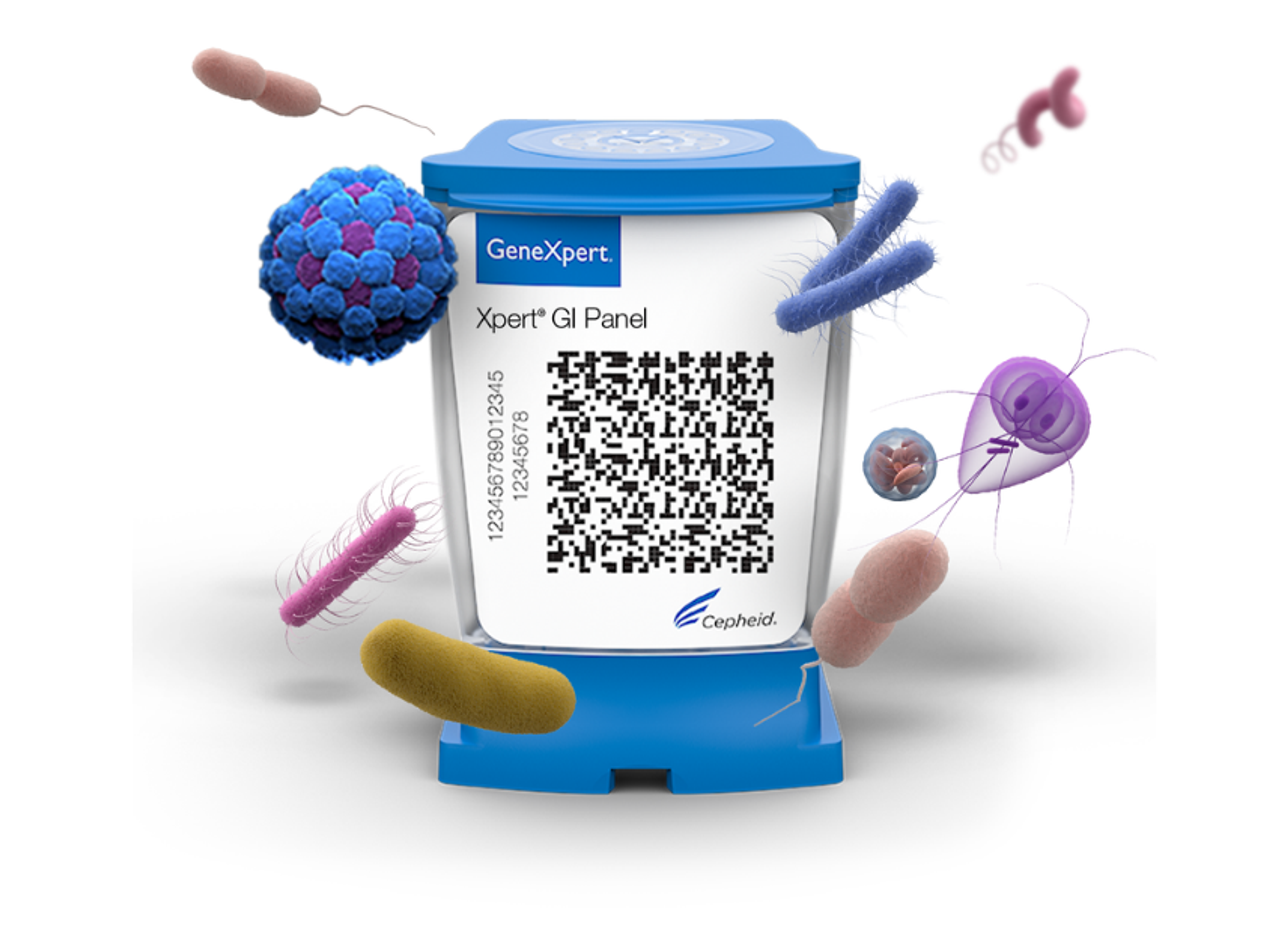
Xpert® GI Panel
CepheidThe Xpert® GI Panel provides fast, accurate detection of multiple bacterial, viral, and parasitic pathogens with results in about 74 minutes. Its streamlined, <1‑minute hands‑on workflow delivers actionable information to support confident clinical decisions across care settings.
What will this webinar cover?
Key learning objectives:
- Apply principles of appropriate test selection and interpretation, including pre-test probability, predictive values, and clinical context to choose the right test and improve diagnostic accuracy.
- Explore system-based strategies to drive diagnostic excellence including practical workflow and diagnostic stewardship interventions (order sets, decision support, reporting practices) to optimize test utilization and clinical actionability.
- Differentiate GI testing strategies (syndromic panels vs targeted assays) and recognize their strengths and limitations.