

Battery centric workflows for next-generation battery developments
Tuesday, July 28 at 16:00 BST | 17:00 CEST | 11:00 EDT | 08:00 PDT
Want to know how to design battery-centric workflows, handle air-sensitive samples, and connect glovebox, FE-SEM, and XRM?
The development of high-energy-density chemistries, recycling methodologies, and the optimization of lithium-ion systems rely on characterization methods to provide a feedback loop between microstructure, processing, and electrochemical behavior.
In this SelectScience® webinar, we will examine how today’s microscopy workflows address battery research, including Li- and Na-based solid-state batteries. You will learn how to design 'battery-centric' workflows that connect destructive and non-destructive methods to specific research questions, including:
- What is the microstructure of an electrode, including its 3D nanoscale architecture, and how is that linked to electrochemical performance?
- How are components and microstructures arranged and aligned inside an assembled battery, and how do they evolve during cycling?
- How can battery and electrode microstructures be assessed coherently across different length scales?
- How can battery recycling be optimized from the efficient characterization of black mass powder in multiple dimensions?
The first part of this webinar will focus on handling air-sensitive materials using air-free transfer workflows that bridge glovebox environments with multiple electron microscopy modalities, enabling investigation of microstructure, while preserving the native state as much as possible.
The second part will highlight X-ray microscopes (XRM) as a non-destructive, minimal-preparation technique for 3D multiscale characterization of intact cells and complex samples such as black mass from recycling processes.
The overall focus will be on research-driven case studies and practical workflow strategies, illustrating how combined destructive and non-destructive microscopy approaches can provide deeper insight into battery behavior, degradation, and lifetime for the battery circular economy.
Certificate of attendance
If you attend the live webinar, you will automatically receive a certificate of attendance, including a learning outcomes summary, for continuing education purposes. If you view the on-demand webinar, you can request a certificate of attendance by emailing editor@selectscience.net.
Webinar details
- Cost: Free to attend
- Location: Online
- Duration: 60 minutes
Registration is required to secure your place. If you register but can’t attend live, you will receive a link to the on‑demand recording once it becomes available.
Speakers



Who should attend?
- Materials researchers in academia and industry
- Those interested in battery research, microscopy in general, especially FE-SEMs and XRMs, and correlative / connected microscopy
- Those working in an R&D lab or multi-user lab, postdocs, principal investigators, professors, lecturers, engineers, technicians, and lab managers
- Users of electron and X-ray microscopes
Featured products
Request Quote for All Products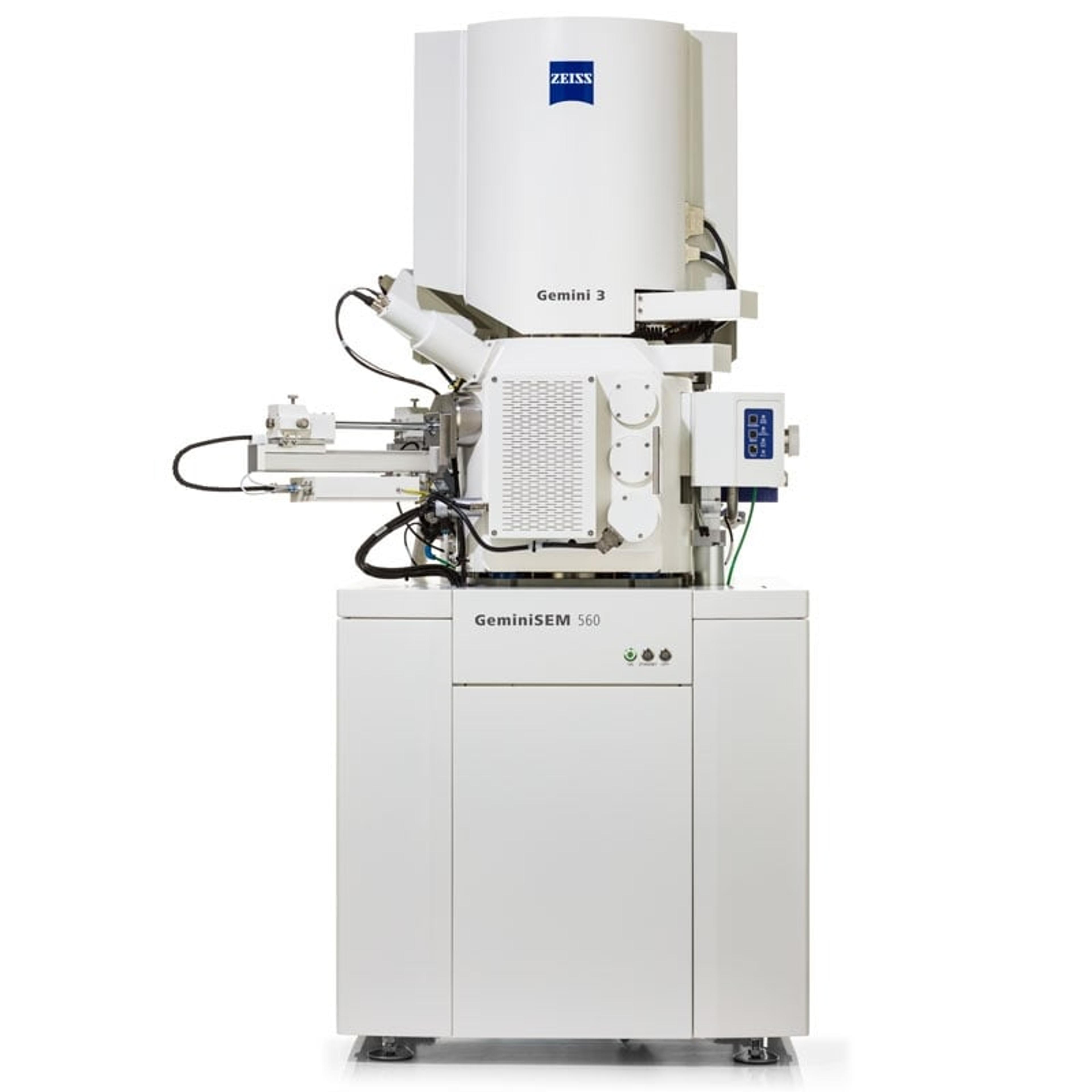
ZEISS GeminiSEM Family
ZEISS Research Microscopy SolutionsFor Your Highest Demands in Sub-nanometer Imaging, Analytics and Sample Flexibility
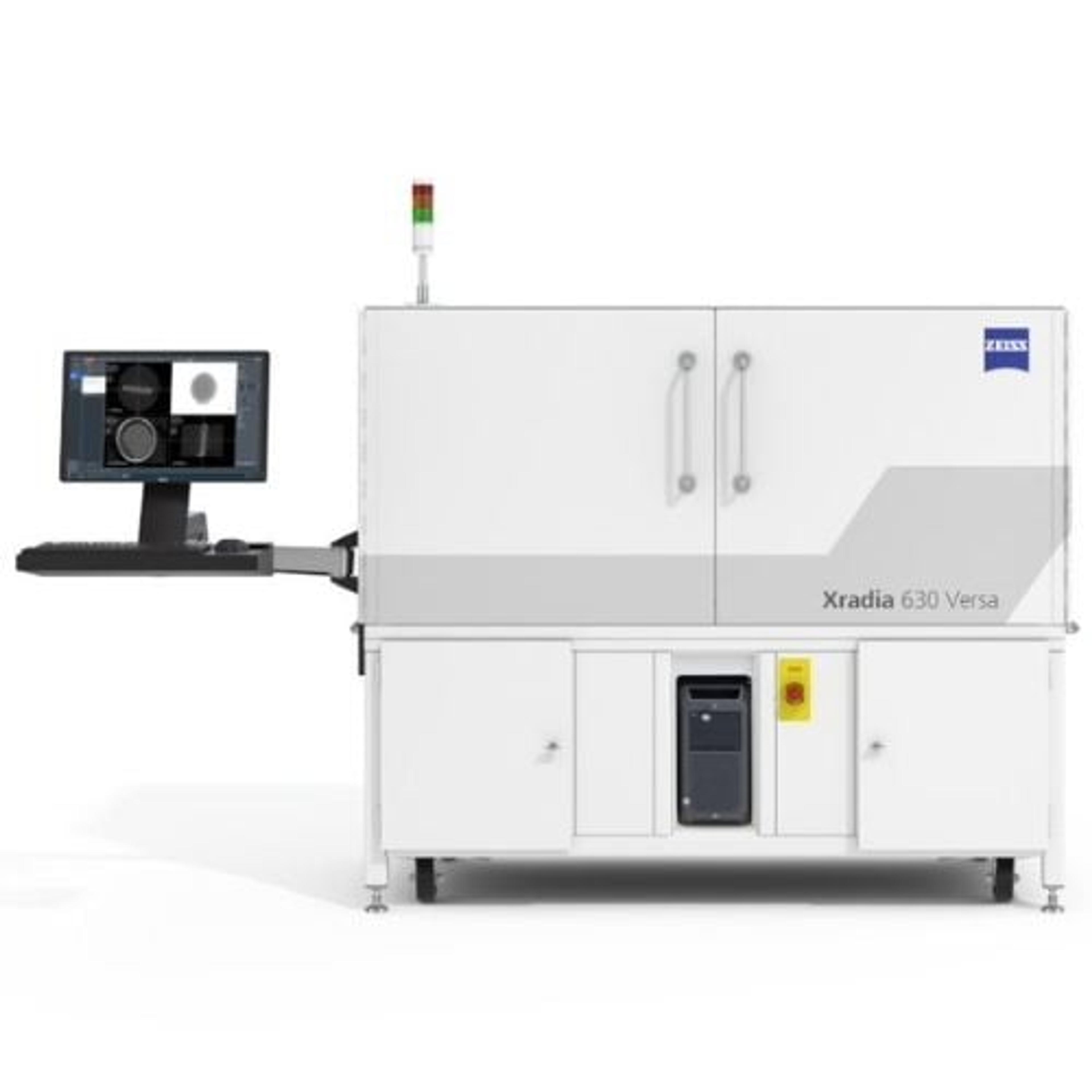
ZEISS Xradia Versa X-ray Microscopes
ZEISS Research Microscopy SolutionsDiscover More with Non-destructive 3D X-ray Imaging at Submicron Resolution
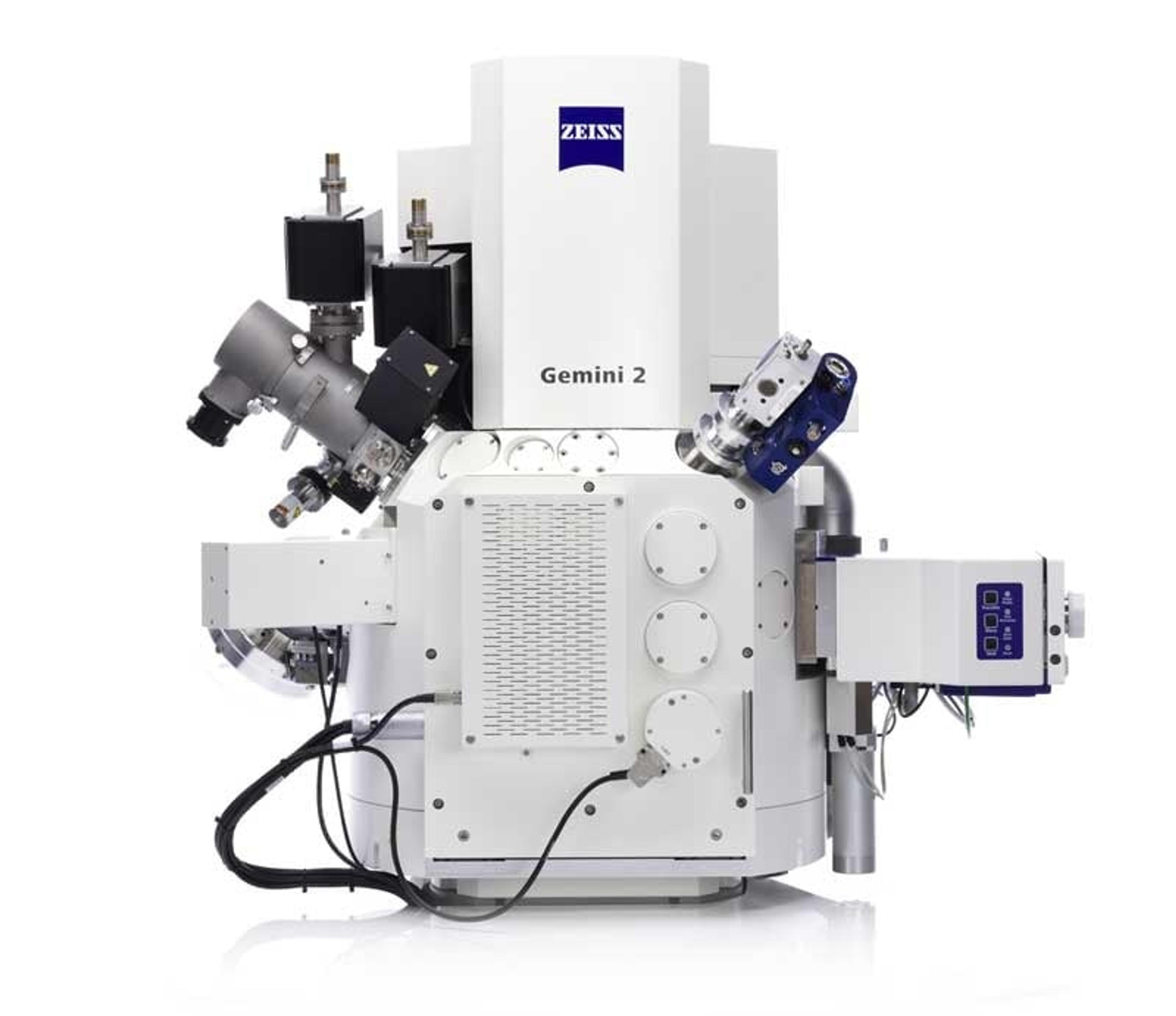
ZEISS Crossbeam Family
ZEISS Research Microscopy SolutionsWithin ZEISS Crossbeam Family you have the choice between Crossbeam 340 or Crossbeam 550. Exploit the variable pressure capabilities of Crossbeam 340. Or use Crossbeam 550 for your most demanding characterizations and choose the chamber size, standard or large, that best suits your samples.
What will this webinar cover?
Key learning objectives:
- Discover 4 battery-centric workflows, from non-destructive to destructive approaches
- Learn how to handle air-sensitive materials connecting glovebox and FE-SEM (field emission scanning electron microscopes)
- Explore XRM as a non-destructive technique for 3D multiscale characterization of a range of battery materials from intact cells to recyclable black mass