Breaking through the barriers to scalable 3D biology

Wednesday, October 28 at 10:00 GMT | 11:00 CET | 06:00 EDT | 03:00 PDT
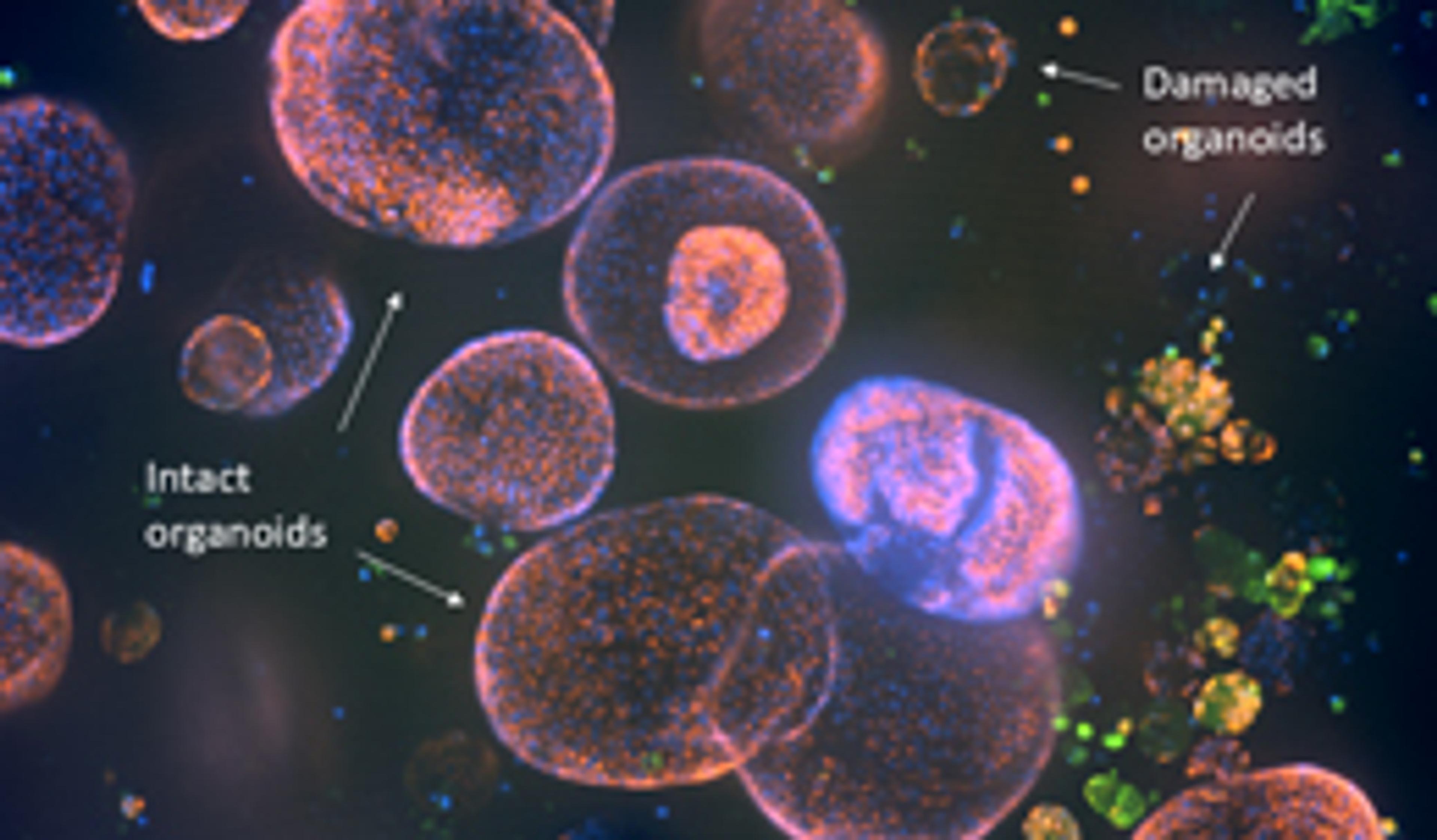
Three-dimensional (3D) cell models are delivering more predictive insights for drug discovery and disease research than ever before, but many laboratories still struggle to translate promising organoid studies into scalable, routine workflows. As the demand for biologically relevant models continues to grow, researchers must find ways to improve reproducibility, streamline complex workflows, and generate robust data without sacrificing throughput.
In this SelectScience® webinar, Dr. Emma Robertson of Molecular Devices® will share practical strategies for overcoming these challenges, drawing on more than 20 years of experience across cell biology, organoid workflows, high-content imaging, and laboratory automation.
Discover how advances in automation and AI-powered cell culture technologies can help improve consistency, increase scalability, and reduce workflow complexity in 3D biology applications. The session will also explore approaches to optimized characterization that can accelerate the generation of meaningful biological data and actionable scientific insights.
Whether you are looking to expand your use of organoids, improve workflow reproducibility, or generate more predictive data for drug discovery and disease research, this webinar will provide valuable guidance for building more efficient, scalable, and insight-driven 3D biology workflows.
Certificate of attendance
If you attend the live webinar, you will automatically receive a certificate of attendance, including a learning outcomes summary, for continuing education purposes.
If you view the on-demand webinar, you can request a certificate of attendance by emailing editor@selectscience.net.
Webinar details
Cost: Free to attend
Location: Online
Duration: 60 minutes
Registration is required to secure your place. If you register but can’t attend live, you will receive a link to the on‑demand recording once it becomes available.
Speakers
Who should attend?
- Scientists and researchers working in pharmaceutical and biotechnology organizations.
- Drug discovery and translational research teams exploring or implementing organoids and other advanced 3D cell models.
- Cell biology, disease modeling, and assay development scientists.
- High-content screening and cellular analysis specialists.
- Laboratory managers seeking to improve the scalability, reproducibility, and efficiency of 3D biology workflows.
Featured products
Request Quote for All Products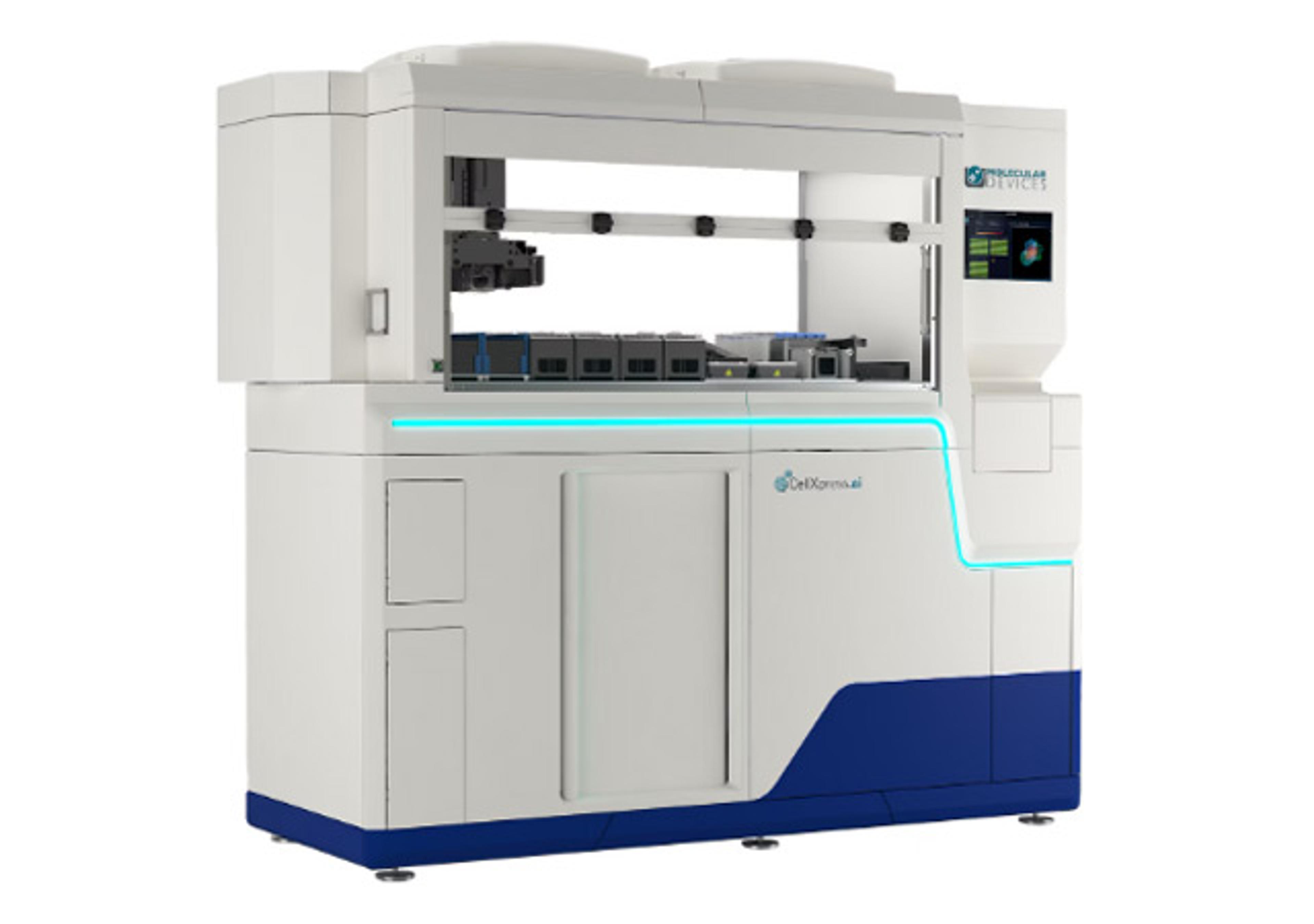
CellXpress.ai Automated Cell Culture System
Molecular Devices®The CellXpress.ai™ Automated Cell Culture System is an AI-driven cell culture innovation hub that gives your team total control over demanding cell culture feeding and passaging schedules—eliminating time in the lab while maintaining a 24/7 schedule for growing and scaling multiple stem cell lines, spheroids, or organoids.
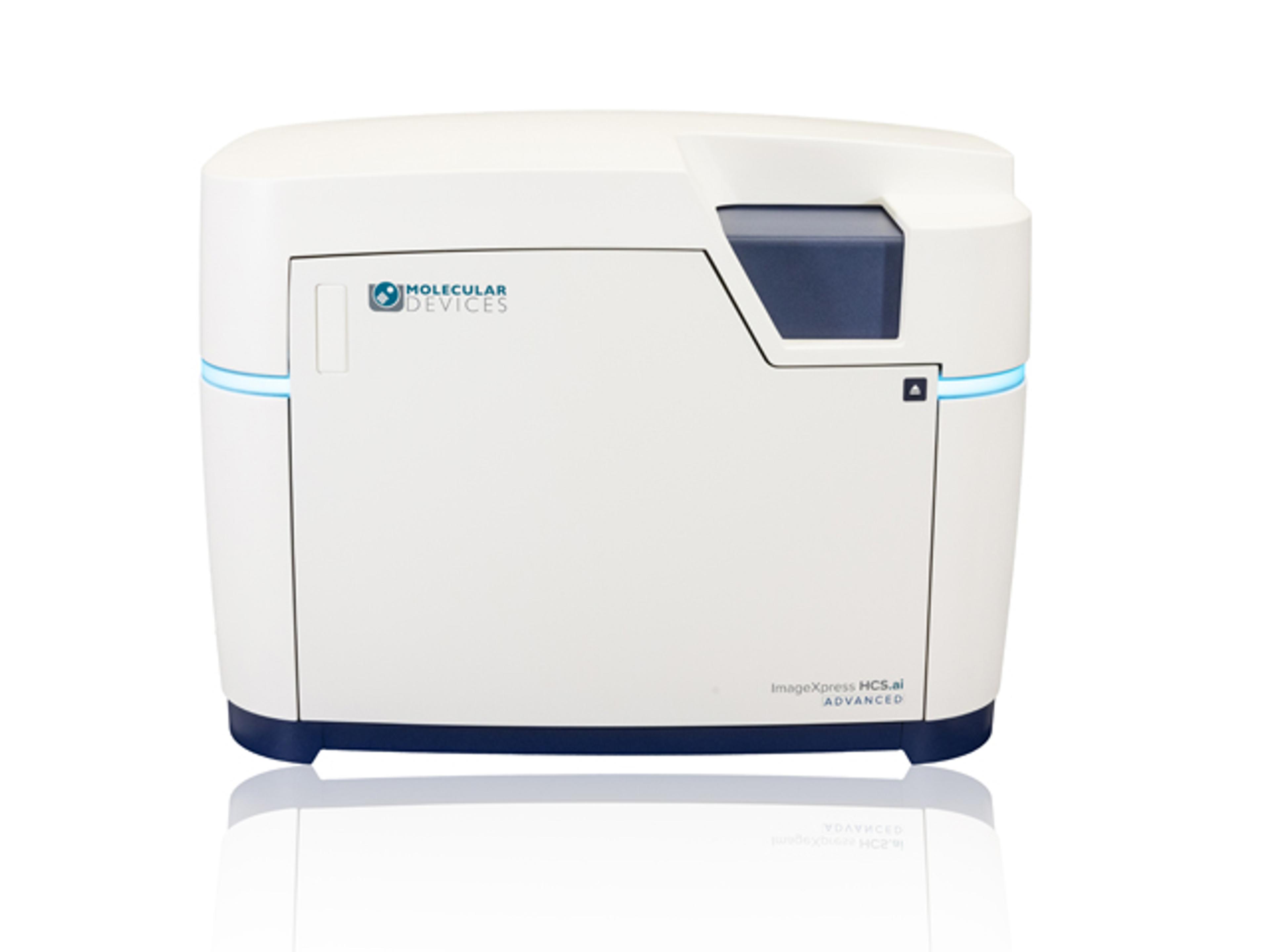
ImageXpress HCS.ai High-Content Screening System
Molecular Devices®A fast, intuitive and versatile system delivering deeper insights for every lab
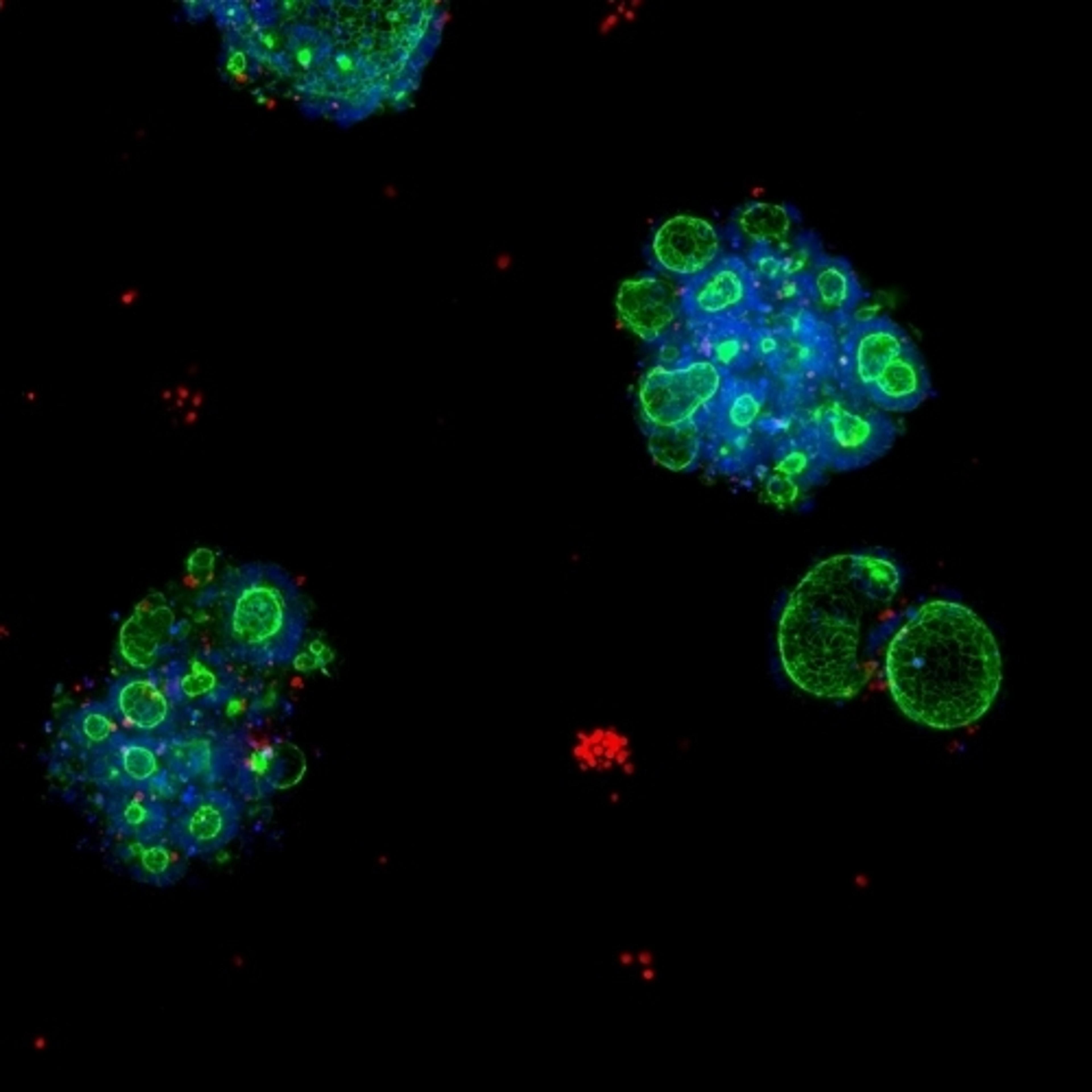
3D Ready Organoid Expansion Service
Molecular Devices®Unique service that enables you to expand your own organoid lines to a scale large enough to suit your individual requirements. Generate more than six million assay-ready, reproducible organoid models to support your compound screening, cell model creation, or other applications.
What will this webinar cover?
- How to scale production of organoids and other 3D cell models to support robust experimentation and screening.
- Strategies for improving reproducibility and consistency through automation, standardized workflows, and AI-assisted cell culture approaches.
- Approaches for reducing workflow complexity and manual laboratory effort when implementing and expanding 3D biology programs.
- How complementary characterization approaches, including imaging and microplate reader-based assays, can accelerate the generation of meaningful biological insights from 3D models.
Join the webinar to get answers to these questions:
- How can organoid and 3D cell model production be scaled for screening?
- How can automation improve reproducibility and consistency?
- How can AI-assisted cell culture support robust 3D biology workflows?
- How can workflow complexity and manual laboratory effort be reduced?
- How can imaging and microplate reader assays generate meaningful biological insights?