Improving biopharmaceutical quality control with multi-attribute method workflows
1 Jun 2026This video explores how multi-attribute method (MAM) workflows are improving biopharmaceutical quality control by enabling deeper insight into therapeutic molecules and potential changes affecting safety, efficacy, and stability. The MAM solution from Agilent Technologies, combines advanced software, high-resolution mass spectrometry, and integrated workflows to simplify analysis and reduce training requirements. Features such as automated peak detection and clear data interpretation support faster, more confident decision-making, helping laboratories adopt MAM technologies across global QC environments.
About the company

Agilent Technologies
Agilent is a leader in life sciences, diagnostics, and applied chemical markets.
The company provides laboratories worldwide with instruments, services, consumables, applications, and expertise enabling customers to gain the insights they seek. Agilent’s expertise, innovative technology solutions, and trusted collaboration gives them the highest confidence in our solutions.
Video transcript
Show transcript
At a company like Agilent, we want to be problem solvers for our customers. We want to be able to clear the way and allow them to do the work they need to do.
MAM, or multi-attribute method, is about understanding what are possible changes that can occur on these therapeutics that have the potential to impact efficacy, safety, and stability.
Biotherapeutics are just becoming more complicated. You have to increase the level of the analytical techniques that you're using.
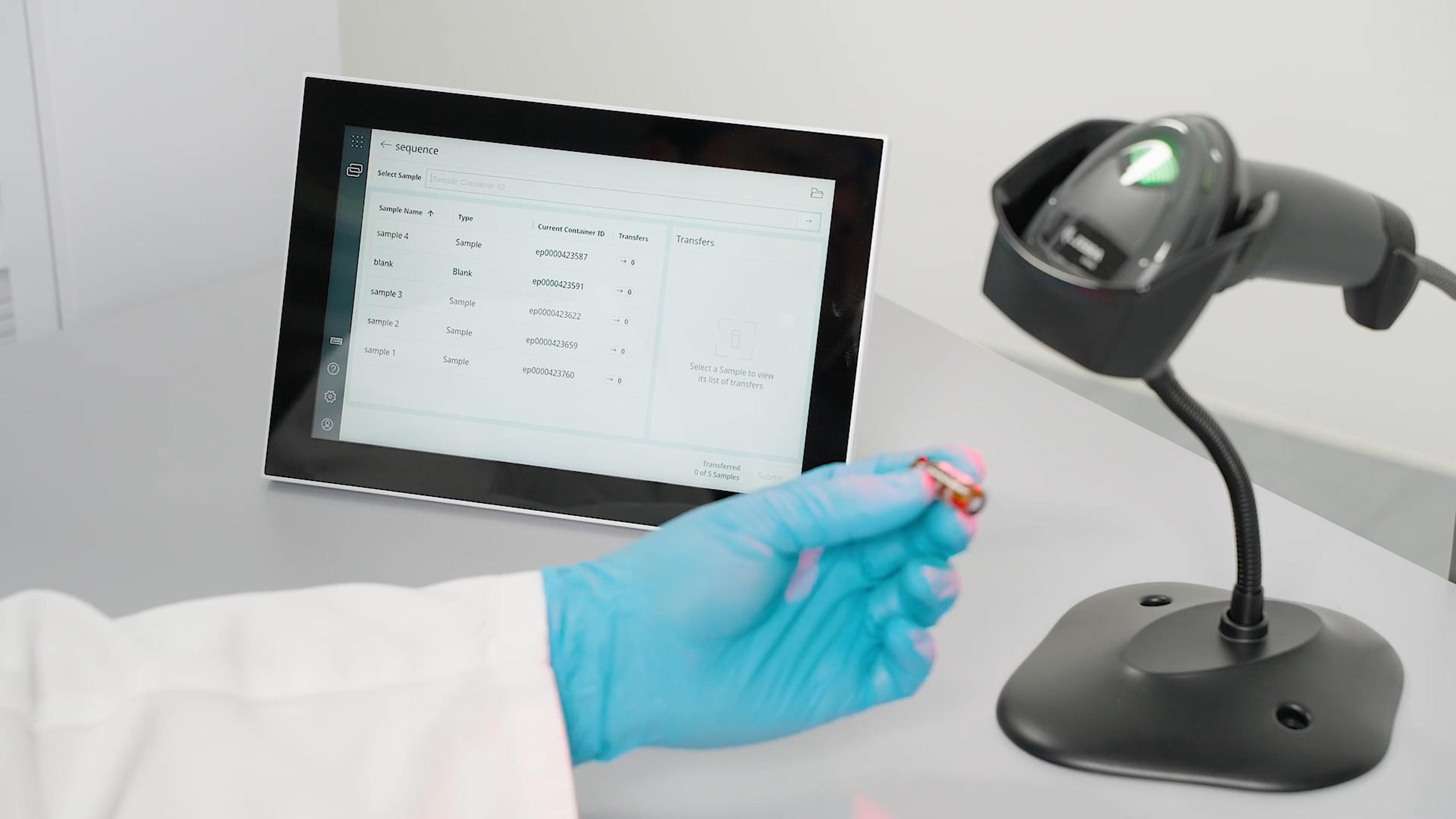
In a QC department, they need to be able to take that assay and have it run around the world with a wide variety of people operating this. So we listened to our customers when we were designing the software. We wanted it to be easy to use and a guided workflow that lowers the training requirements.
MAM solutions that have really good data packages, like the Agilent MAM solution, really can drive that forward. The other thing is the software is designed in such a way that it's clear what the data means, and it's also super clear what to do next. The software is, in my experience to date, the best software that exists for a MAM solution.
I think a major strength will be the new peak detection and how it reliably returns new features, new peaks, new differences between the data sets that are real and not false.
The new peak detection is a really important part of the method, not only for monitoring potential impurities, but also for monitoring potential changes to the actual molecule itself.
So Agilent did not just make a software for MAM analysis. We provide a system performance check standard, biocompatible HPLC, columns, a new TOF, service, support, and expertise.
Agilent intentionally built the right teams to support the customer. Their willingness to engage and help us as the customer work through the implementation of those products and processes has been great.
The TOF will tell you with very high accuracy what those peptides are. It gives you the appropriate sensitivity, but it's not so complex that the data that's being produced becomes intimidating to the analyst.
We're hoping that this allows this technology to take hold in a lot of different labs. We feel that the ease of use and the access to the data will allow people to come to conclusions faster and more confidently.
This gives me more confidence in that data that's being collected, which I think is phenomenal.