Fusion 3 and Kube Plate Sealing Systems from LGC Genomics
5 Mar 2014Watch this video to learn about the Fusion 3 ™ and Kube plate sealing systems from LGC Genomics, respectively designed for permanent and temporary sealing. Discover how the features of the Fusion 3 ™ system enable increased throughput.
About the company

LGC Diagnostics & Genomics - Rapid Genomics Genotyping Solutions
LGC Clinical Diagnostics & Genomics
At LGC Diagnostics & Genomics, we drive scientific progress by making our trusted life science solutions both simpler and more innovative.
Partnering with our customers to provide a portfolio of cutting-edge life science tools that diagnose, treat and feed our growing population, delivering on our core mission of Science for a Safer World.
Rapid Genomics Genotyping Solutions
Mission-critical DNA extraction, genotyping and next generation sequencing (NGS) products and services that generate actionable data for commercial breeding programs.
Enable confident, data-driven breeding decisions with Rapid Genomics’ DNA extraction, genotyping and next-generation sequencing solutions. Our technologies support the generation of high-quality, reproducible genomic data across plant and animal applications, helping breeding programs accelerate trait discovery, selection and commercialisation.
A trusted, end-to-end partner for genotyping solutions, delivering robust raw materials, assays and services that scale from development through to long-term quality-controlled supply.
Related products
Request Quote for All Products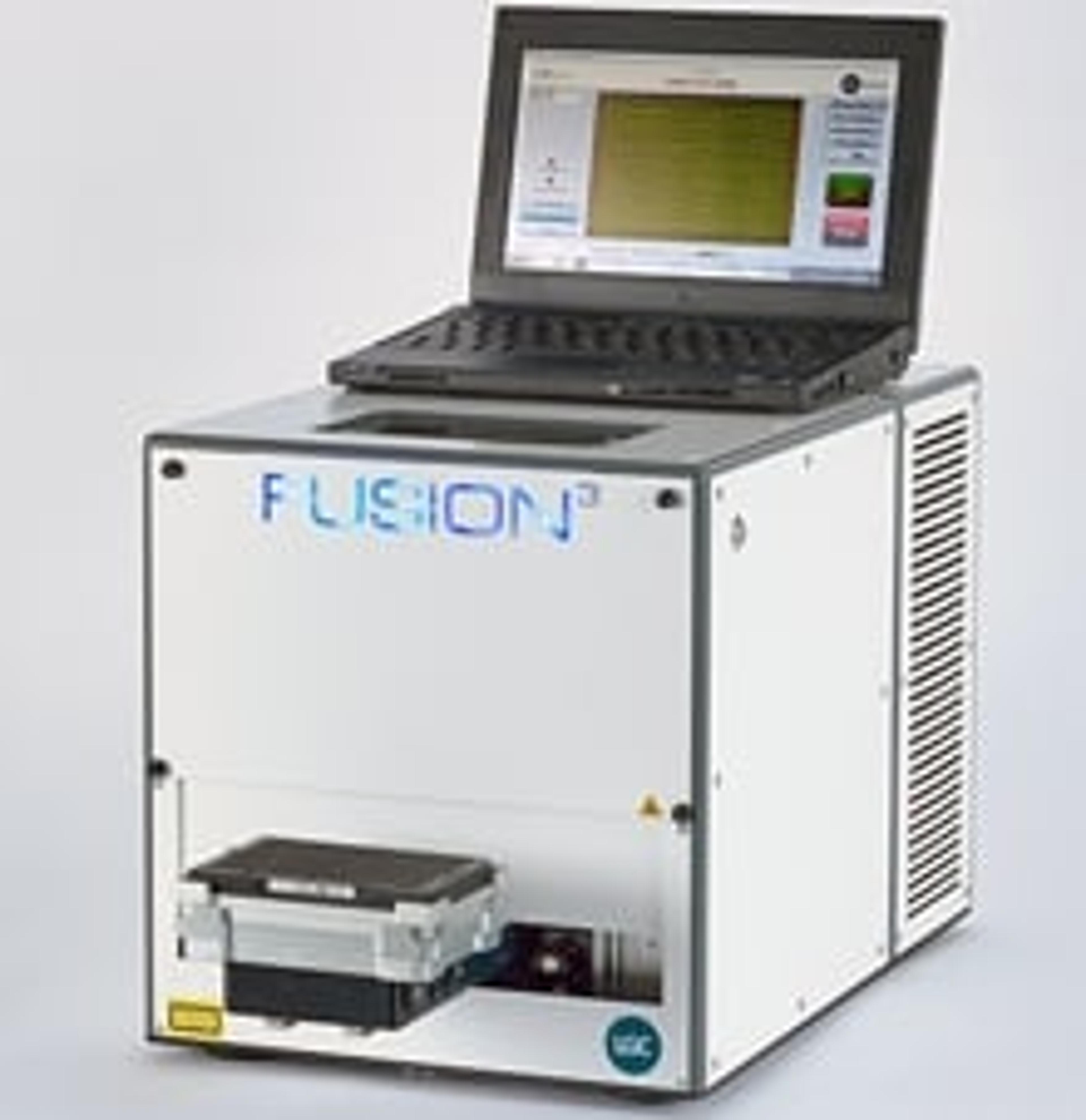
Fusion3™
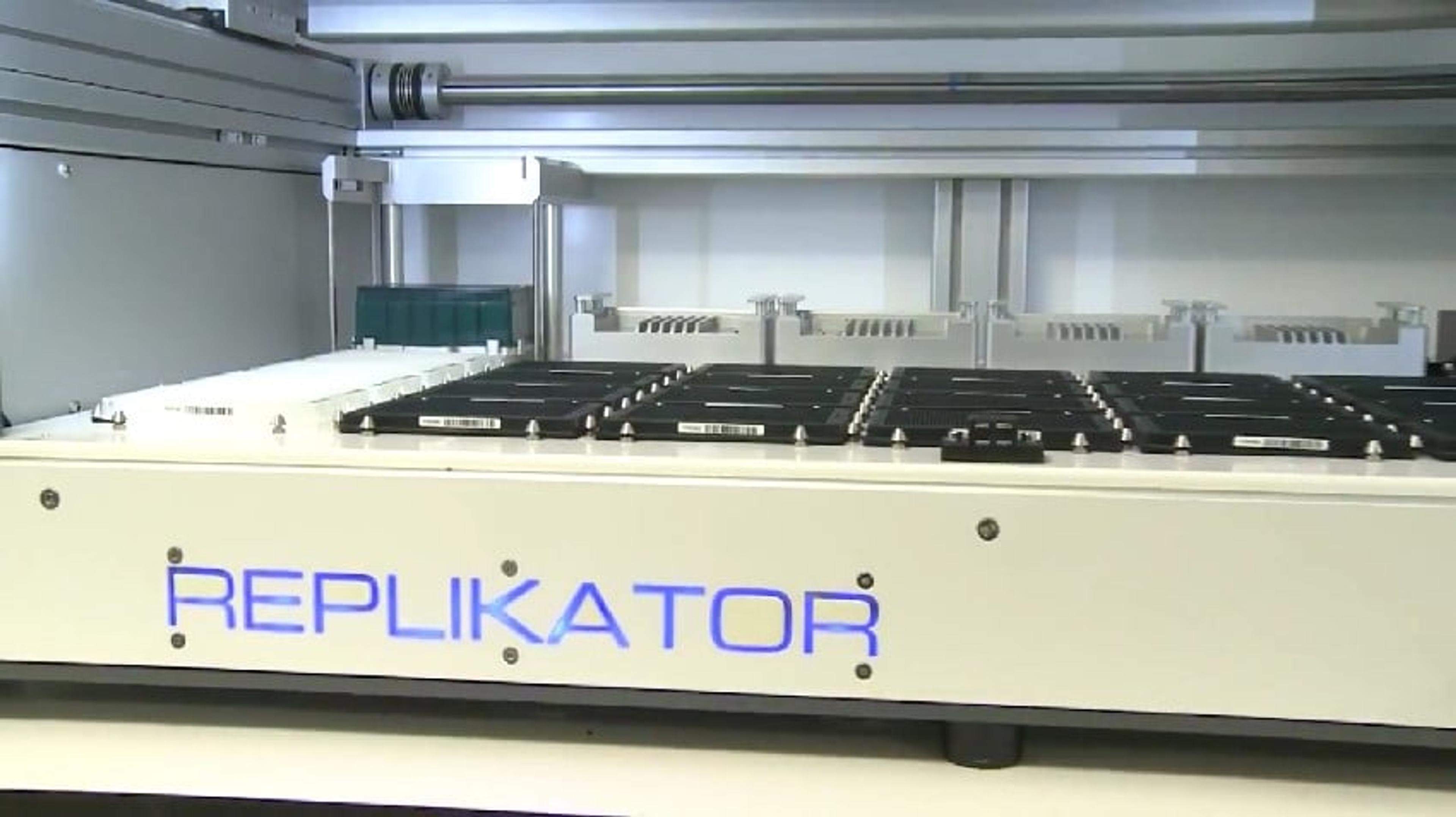
LGC Diagnostics & Genomics - Rapid Genomics Genotyping SolutionsPlate sealing without heatng - the Fusion3™uses laser technology to seal microtitre plates. Microplate sealing is a technology that in recent years has struggled to keep pace with the advances in plate technology & density. Utilisation of the full potential of microplates, particularly high density formats, is often hampered by the need to seal with conventional heat based sealing systems. The scientists at LGC have applied transmission diode laser welding to the problems associated with these demanding applications to create the Fusion3 laser sealing system. The latest addition to the Fusion range - Fusion3 offers a cost effective, laser sealing solution, that can be integrated with existing heat sealing instruments or utilised alongside our own Kube™ heat sealing system. The initial heat seal is used to “tack“ the seal in place enabling the laser to fuse the seal to the plate in a follow on stage of the process. Features: 96, 384 and 1536 density plates Suitable for elevated temperature assays Elongated incubation times possible Elimination of evaporation based edge-effects Multi-addition assays Suitable for long term storage Multi-aliquoting from master plate Seals can be optically clear or coloured to improve assay S/N C02 permeable seals for tissue culture Ideal for light sensitive contents
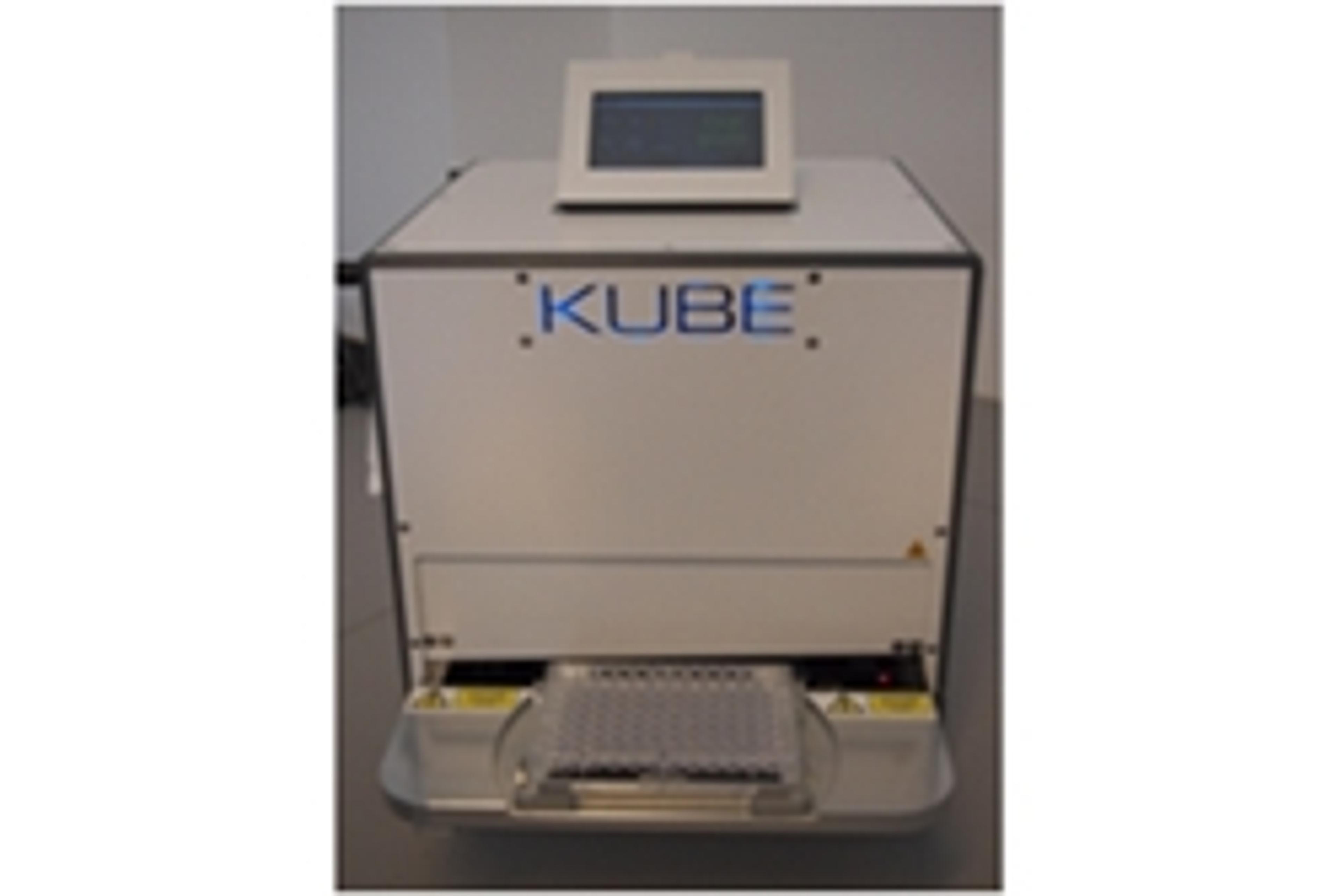
Kube Automated Thermal Plate Sealer
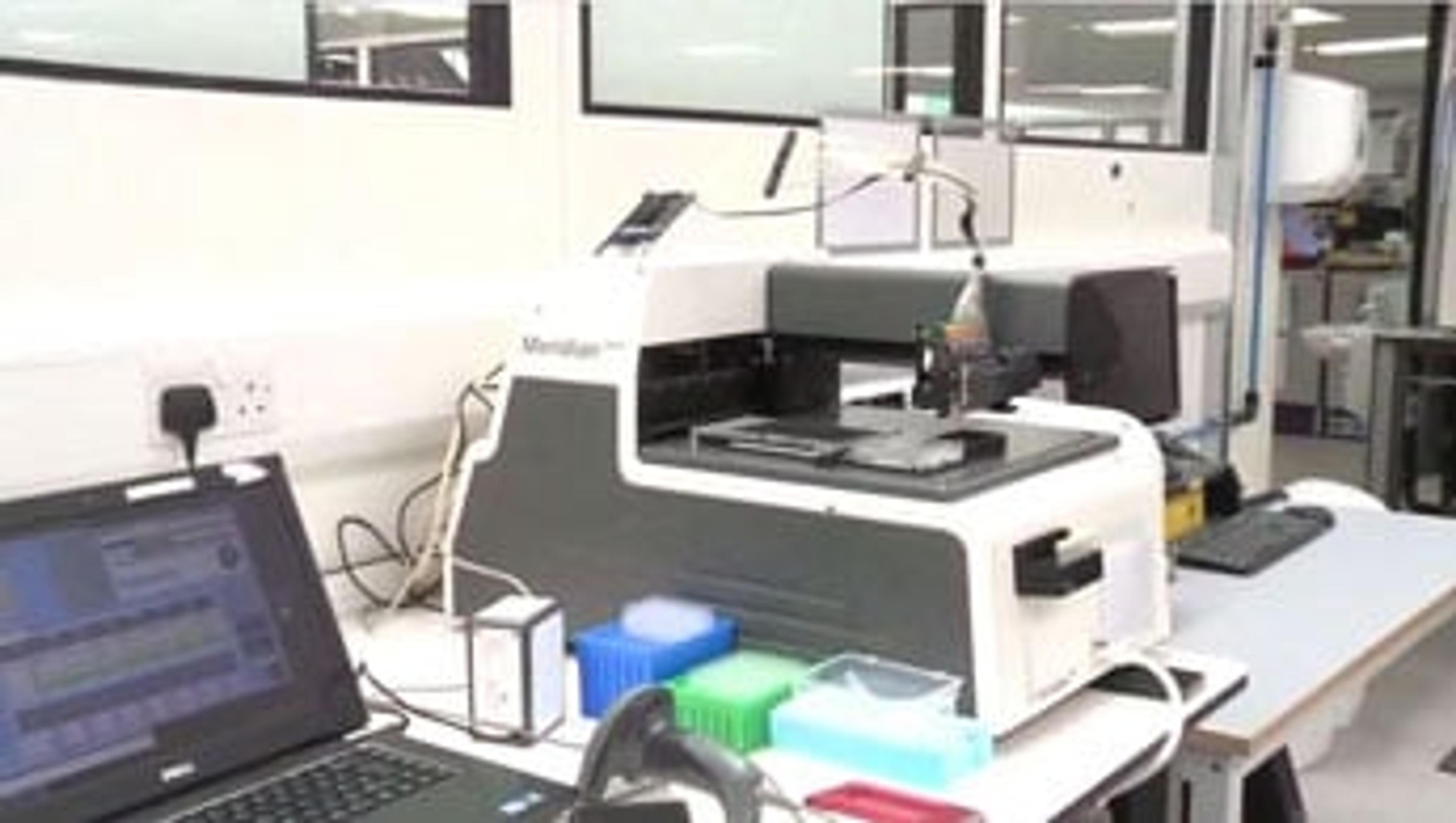
LGC Diagnostics & Genomics - Rapid Genomics Genotyping SolutionsThe Kube™ is our fully automated, robotic friendly thermal plate sealer. With more than 15 years experience in the development of plate sealing technologies, LGC development engineers poured all their knowledge and experience into making this a truly robust and reliable heat sealer that delivers unsurpassed levels of speed, performance, flexibility, and ease-of-use. Controlled through an intuitive on-board touch screen interface, or remotely via an RS 232 interface, the Kube software control and functionality goes beyond that of any competing instrument on the market. A highly versatile workhorse, the Kube has the ability to quickly heat seal a wide range of standard height and deepwell microplates, including 24, 48, 96, 384 and some 1536-well plates too. (Note: for optimum sealing efficiency of 1536 well plates, we recommend the Fusion laser seal technology). The Kube heat sealer uses a patented alternative sealing surface – the FlexiBlock option - that utilises a highly optimised heat conductive rubberised block that conforms to the surface of the each plate forming a robust seal without damaging the microplate surface. A key benefit to using the FlexiBlock sealing option is that it becomes possible to heat seal a plate many more times (25+) as opposed to the standard heat seal block, which can re-seal no more than 5 times. Features: Compatible with a wide range of microplate formats 24-384-well plates (and some 1536); 9-48mm high polystyrene assay plates, and polypropylene PCR and storage plates Reseals up to 5 times with standard block; up to 25 times with Flexiblock option Eliminates edge effects Supports use of optically clear plate seals for greater signal generation Robotic Friendly: RS232 controllable; low height profile, portrait or landscape orientation Very reliable seal cutting based on novel cutter design Seal length can be adjusted to address varying needs e.g.: flush for automated handling; overlapping tab for manual peeling; etc. Faster sealing time; up to 50% faster than competing instruments Easy to operate: seal rolls loaded by hand; supplied on a turntable for ready access Scorpion & OEM stacker compatible