ADLM 2026 highlights: AI, automation, and precision diagnostics shaping laboratory medicine
3 Aug 2026
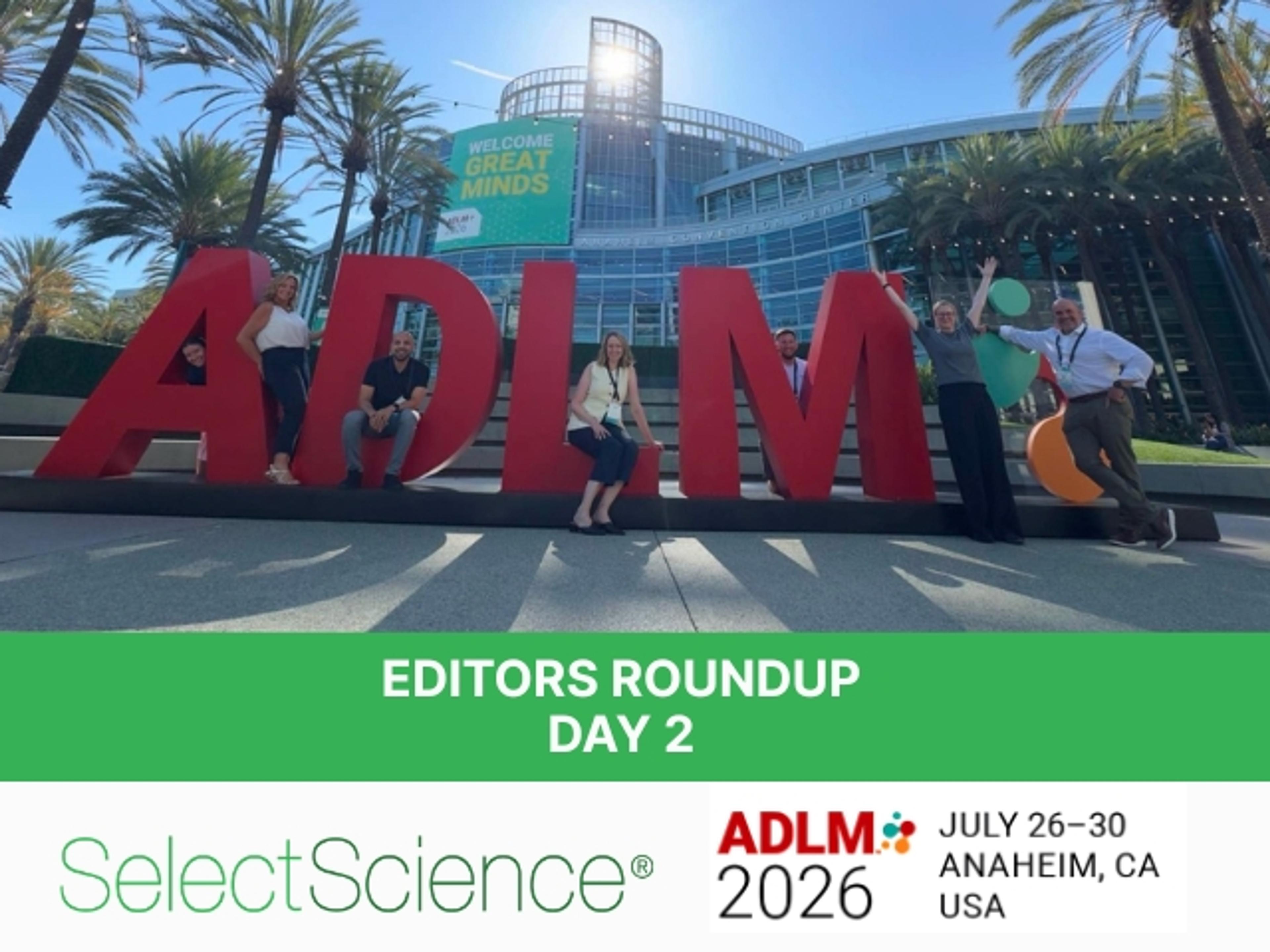
Explore the key trends, technologies, and conversations from ADLM 2026 in Anaheim, California, where the SelectScience® editors spoke with lab professionals, innovators, and industry leaders across the laboratory medicine community. From AI-driven workflows and advanced automation to precision diagnostics, genomics, mass spectrometry and digital pathology, this video captures the innovations helping to shape the future of clinical laboratories.
Read more ADLM 2026 news coverage
This video was filmed at ADLM 2026 in Anaheim, California
Video transcript
Show transcript
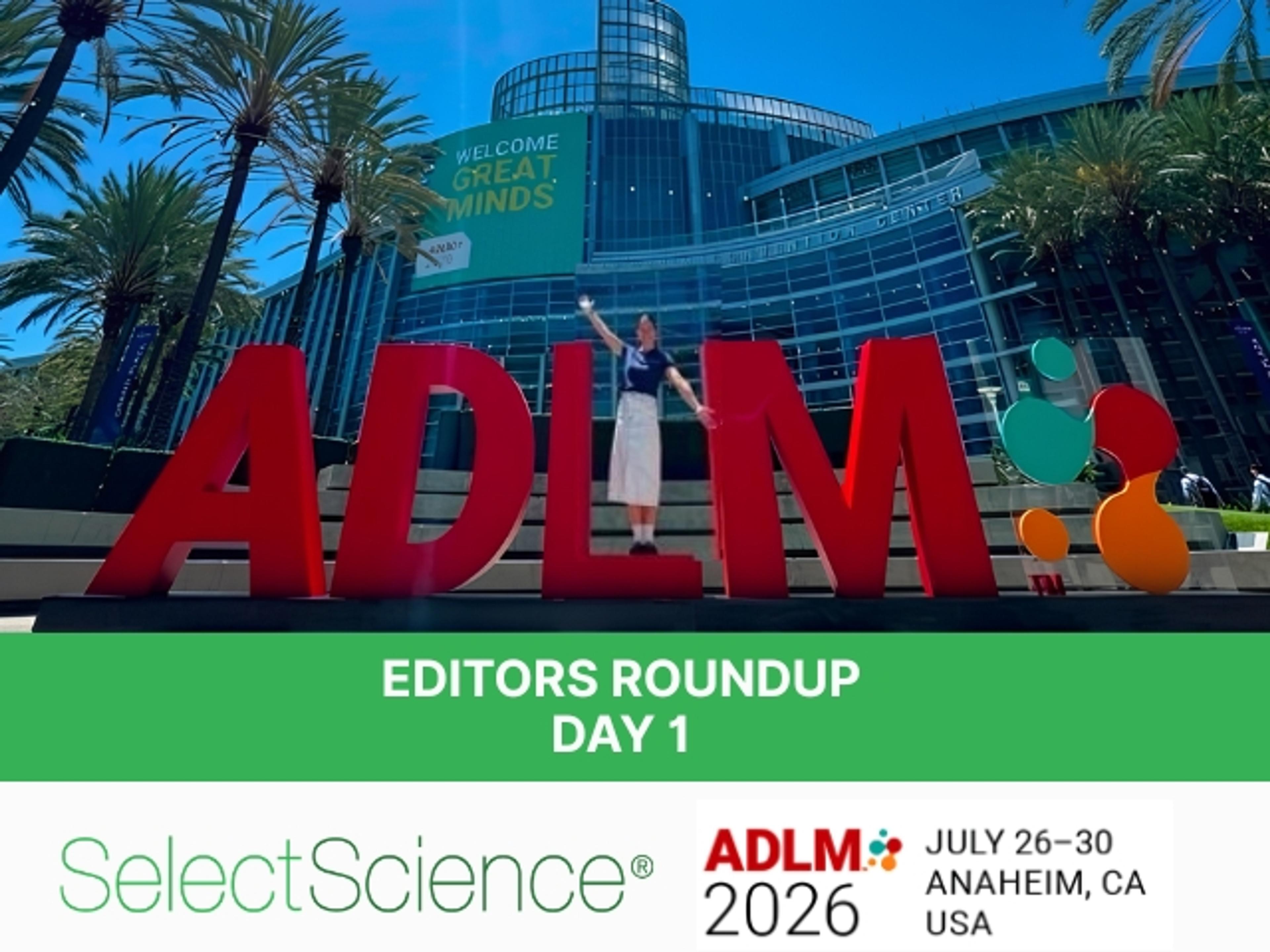
Welcome to ADLM 2026. My name is Olivia Long, and I’m one of the editors at SelectScience®. What a week it has been here in Anaheim, California. As this year’s official media partner, we’ve had the opportunity to talk to scientists, innovators and industry leaders across the laboratory medicine community. Three things became clear throughout ADLM this year: AI, automation, and precision diagnostics are helping to shape the future of laboratory medicine.
But before we take a closer look at the technologies and ideas driving those discussions, we heard from attendees about what they’ll remember most from ADLM this year.
When asked what their favorite thing had been so far, one attendee highlighted the introduction of AI into the lab world, describing a company called Clinlab.AI that can provide an AI solution from start to finish across an entire laboratory workflow. Another attendee was struck by the size and scale of the exhibition booths, the number of people companies had brought out, and the automation technologies on display.
For others, ADLM was all about relationships and connection: reconnecting with industry professionals, seeing people they had not seen in a long time, and bringing everyone together in one place. The poster sessions were also highlighted, particularly the energy of fellows and students, alongside the scale of the expo and the opportunity to see new technologies and companies.
One component supplier described how exciting it had been to see their pump components within larger instruments and to connect the dots between their small part of the system, the complete functional instrument, and the impact it can have on patients. Another attendee, visiting from Ghana, described being amazed by the sophistication of the machines on display and reflected on the importance of bringing new technologies and products back home to support better healthcare.
When asked to describe ADLM in one word, attendees chose words including beautiful, magnificent, inspiring, progress, successful, collaborative, exciting, and amazing. Those conversations captured exactly what made this year’s show so impactful.
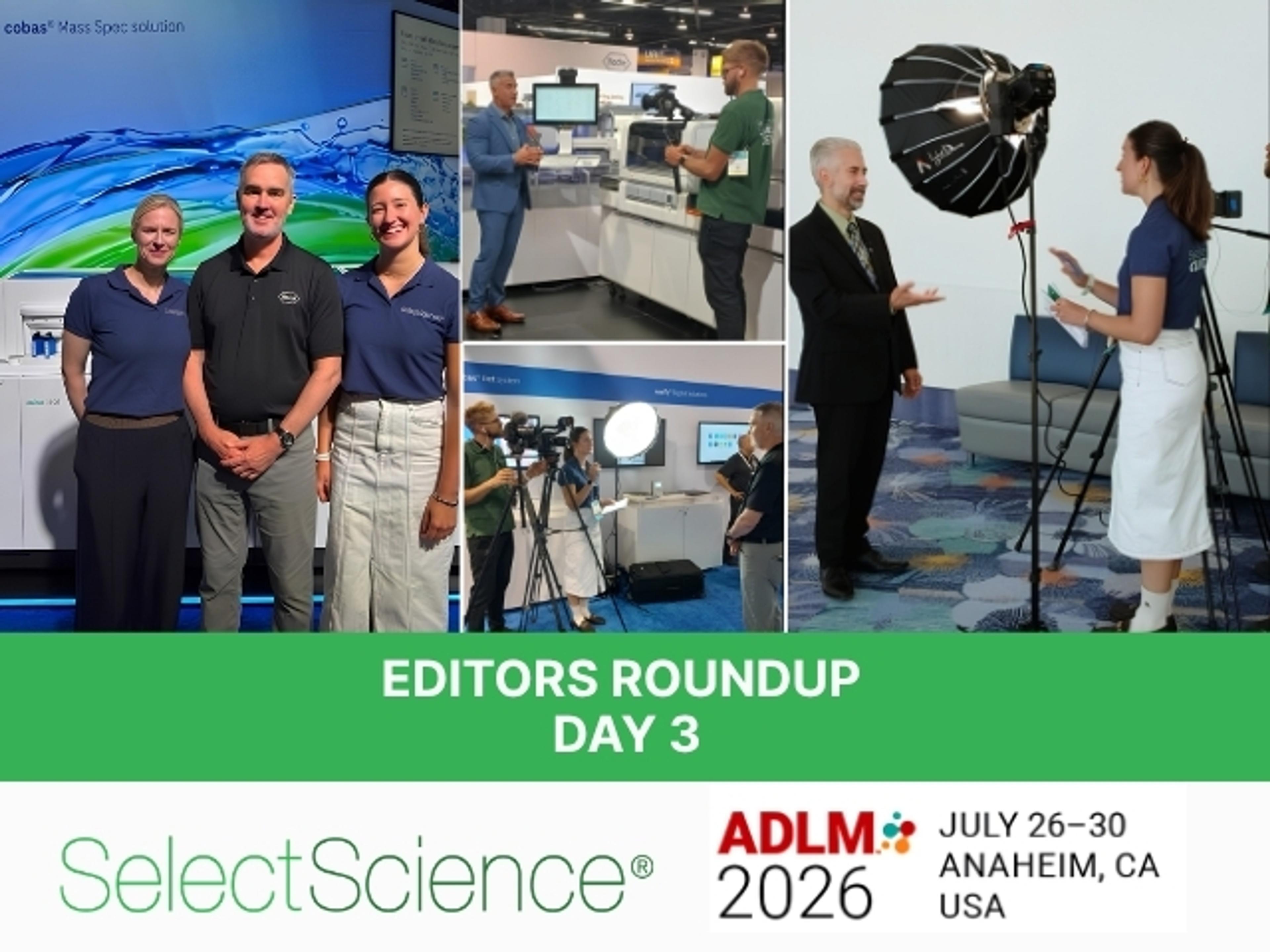
Now, let’s take a look at the technologies and developments helping to shape the future of laboratory medicine. Precision diagnostics was a major focus throughout the event. At Siemens Healthineers, we learned about the Atellica ecosystem and its role in expanding biomarker testing capabilities. Randox showcased its MultiSTAT platform for cytokine detection, while Roche highlighted the cobas® i 601 analyzer and the growing role of mass spectrometry in clinical laboratory workflows.
Genomics and automation were also key themes. LGC Diagnostics and Genomics discussed the importance of reference materials for confident genomic testing, while BioDot showcased the NANOlab™ automated liquid handling platform, designed to improve workflow accuracy and reproducibility. Beyond the laboratory, HiArc shared how its HiArc Ctrl supports medical device development from concept through to commercialization.
We also caught up with Sanguine Bio, which shared how it is helping researchers gain easier access to diverse patient populations and high-quality biospecimens. Finally, Bruker Biomedical showcased the NED® Digital Microscope for pathology and hematology image analysis.
If this year’s meeting has shown us anything, it’s that the pace of innovation is not slowing down. From smarter workflows to advanced diagnostics, the future is being built today. Be sure to check out the SelectScience website to catch all the highlights from the show.
What does this video cover?
Topics covered in this video
- SelectScience Editor’s highlights from ADLM 2026 in Anaheim, California
- The role of AI in laboratory medicine and end-to-end lab workflows
- Growth of laboratory automation and its impact on efficiency, accuracy, and reproducibility
- The importance of precision diagnostics in shaping the future of clinical laboratories
- Attendee perspectives on key takeaways from the ADLM 2026 Expo
- The value of connection, collaboration, and networking across the laboratory medicine community
- Advances in biomarker testing, including the Siemens Healthineers Atellica ecosystem
- Cytokine detection technologies showcased by Randox
- The role of clinical mass spectrometry in laboratory workflows, highlighted by Roche
- The importance of genomic reference materials for confident genomic testing
- Automated liquid handling technologies designed to support workflow accuracy
- Medical device development support, from concept through to commercialization
- Improved access to diverse patient populations and biospecimens for research
- Digital microscopy for pathology and hematology image analysis
- The overall pace of innovation across clinical laboratory medicine
Tags
Frequently asked questions
Show frequently asked questions
What were the key themes at ADLM 2026?
Key themes included AI, automation, and precision diagnostics, with innovations focused on improving clinical laboratory workflows, biomarker testing, genomic testing, mass spectrometry, and digital pathology.
How is AI being used in laboratory medicine?
AI was highlighted during ADLM 2026 as an emerging tool for supporting end-to-end laboratory workflows, helping laboratories explore smarter, more efficient ways to manage testing, analysis, and operations.
What role does automation play in the future of clinical laboratories?
At the ADLM 2026 Expo, it was clear that automation is helping laboratories improve accuracy, reproducibility, and efficiency, particularly in areas such as liquid handling, sample processing, and increasingly complex diagnostic workflows.
Which diagnostic technologies were featured in the video?
This ADLM 2026 video, highlights technologies including biomarker testing platforms, cytokine detection, clinical mass spectrometry, genomic reference materials, automated liquid handling, medical device development support, biospecimen access, and digital microscopy for pathology and hematology.
Why is the annual ADLM meeting important for the laboratory medicine community?
ADLM brings together scientists, innovators, and industry leaders every year, to share new technologies, discuss emerging trends, and build relationships that support progress across clinical laboratory medicine.