
ADLM 2026 day 2 round-up
Collaboration, clinical innovation, and the real-world impact of AI
30 Jul 2026As ADLM 2026 entered its second full day, one thing became increasingly clear: the laboratory community is no longer talking about the future in theoretical terms. Across executive interviews, scientific discussions, product demonstrations, and conversations on the exhibition floor, the focus has shifted firmly towards implementation, collaboration, and measurable impact.
While artificial intelligence, automation, and precision diagnostics continued to dominate discussions, Day 2 also highlighted something equally important: the people, partnerships, and practical solutions needed to turn innovation into better outcomes for laboratories and patients.
From innovation to implementation
Many of the conversations we had on Day 2 focused less on what might be possible in the future and more on what laboratories are already trying to achieve today.
Whether discussing molecular diagnostics, laboratory automation, biomarker testing, or clinical decision support, industry leaders repeatedly emphasized the importance of delivering technologies that solve real-world challenges.
Across the exhibition hall, exhibitors shared examples of how laboratories are applying advanced technologies to improve workflow efficiency, expand testing capabilities, streamline operations, and support increasingly complex diagnostic pathways.
The message was consistent: innovation is only valuable when it delivers meaningful results for laboratories and the patients they serve.
Precision diagnostics continue to advance
One of the day's most insightful conversations came during SelectScience's interview with Professor Henrik Zetterberg, Professor of Neurochemistry and Head of the Department of Psychiatry and Neurochemistry at the University of Gothenburg.
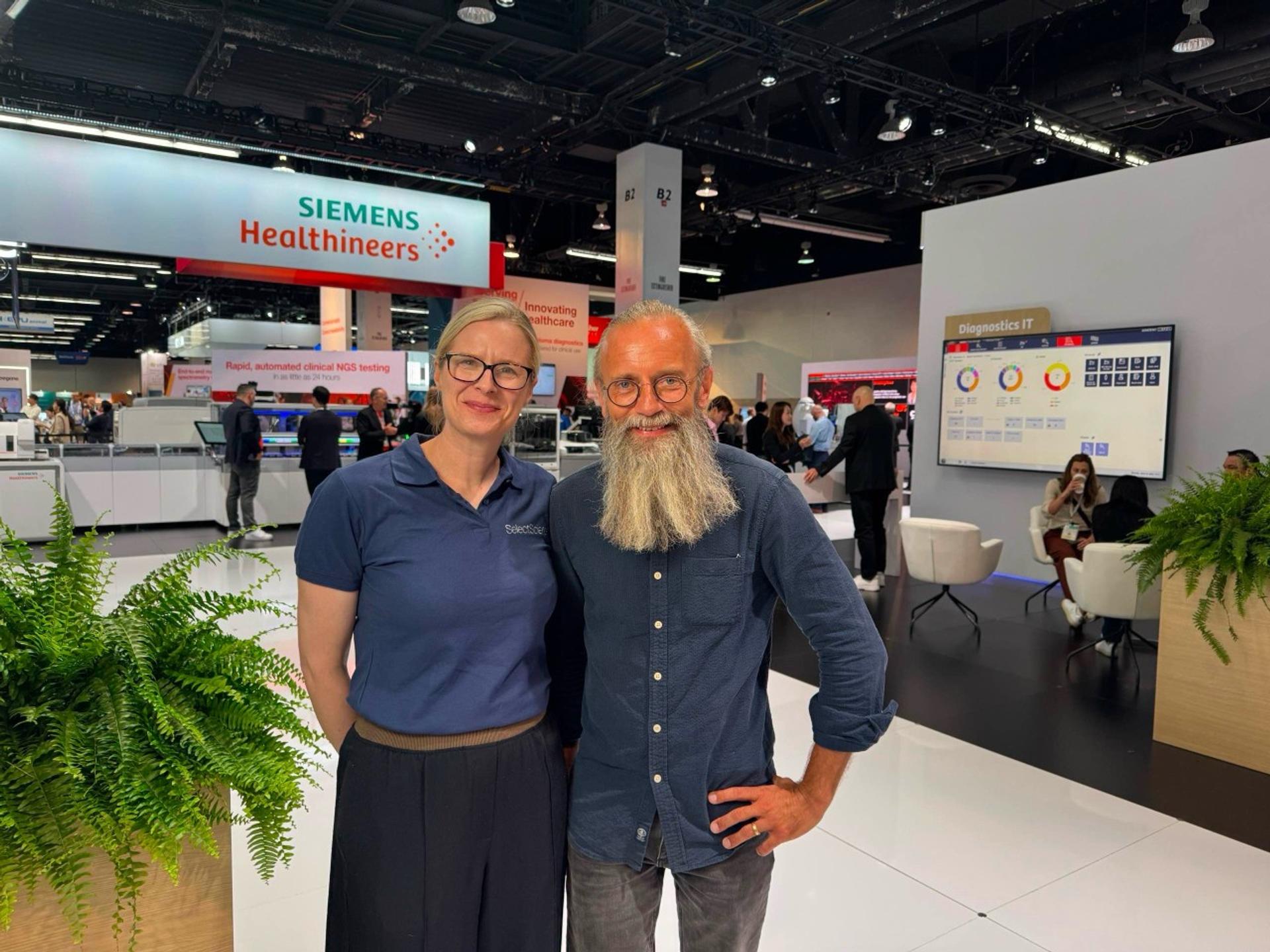
Professor Henrik Zetterberg, Professor of Neurochemistry and Head of the Department of Psychiatry and Neurochemistry at the University of Gothenburg.
Speaking on the Siemens Healthineers booth, Zetterberg discussed the rapid evolution of blood-based biomarkers and the opportunities they present for advancing neurological diagnostics. The conversation explored how biomarker research is increasingly transitioning onto high-throughput clinical testing platforms and what this could mean for earlier disease detection and patient management in the future.
The discussion reinforced a broader theme seen across ADLM 2026: laboratories are playing an increasingly important role in delivering the data needed to support more personalized and proactive approaches to healthcare.
As precision medicine continues to expand across multiple disease areas, advances in biomarker testing, molecular diagnostics, and genomics are helping laboratories provide clinicians with faster and more actionable insights.
AI remains central to the conversation
For the second consecutive day, artificial intelligence remained one of the hottest topics at ADLM.
However, the conversation continues to evolve.
Rather than focusing solely on the capabilities of AI, discussions increasingly centred on trust, implementation, and clinical value. Industry leaders spoke about the importance of integrating advanced technologies into existing workflows while maintaining the transparency and reliability required within healthcare environments.
During SelectScience's discussion with Puneet Sarin, Senior Vice President at Thermo Fisher Scientific, themes including innovation, patient care, and the future direction of laboratory medicine featured heavily. Conversations explored how emerging technologies, strategic partnerships, and continued investment in laboratory innovation are helping address some of healthcare's biggest challenges.
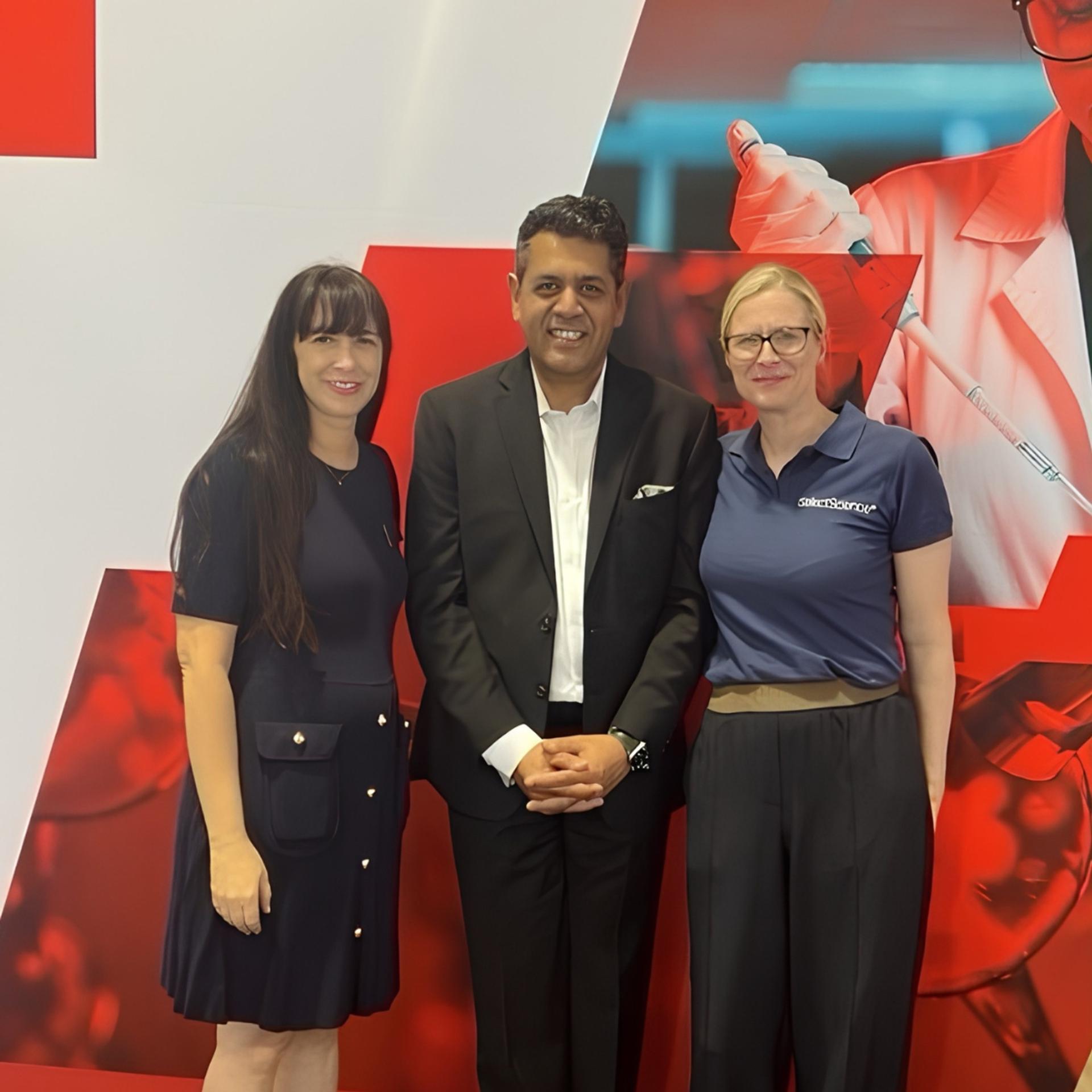
Puneet Sarin and Laura Bright from Thermo Fisher Scientific
What became clear throughout the day was that laboratories are seeking solutions that reduce burden rather than create additional complexity. Whether supporting workflow management, data analysis, or operational efficiency, organizations increasingly focus on demonstrating tangible value.
Automation continues to transform laboratory workflows
Automation was another major theme across the exhibition floor, with exhibitors showcasing technologies designed to improve laboratory efficiency while reducing manual workloads.
SelectScience spoke with Brian Kirk, General Manager at BioDot, about the development of the company's new NANOlab platform and how automation continues to evolve across diagnostics and life sciences applications.
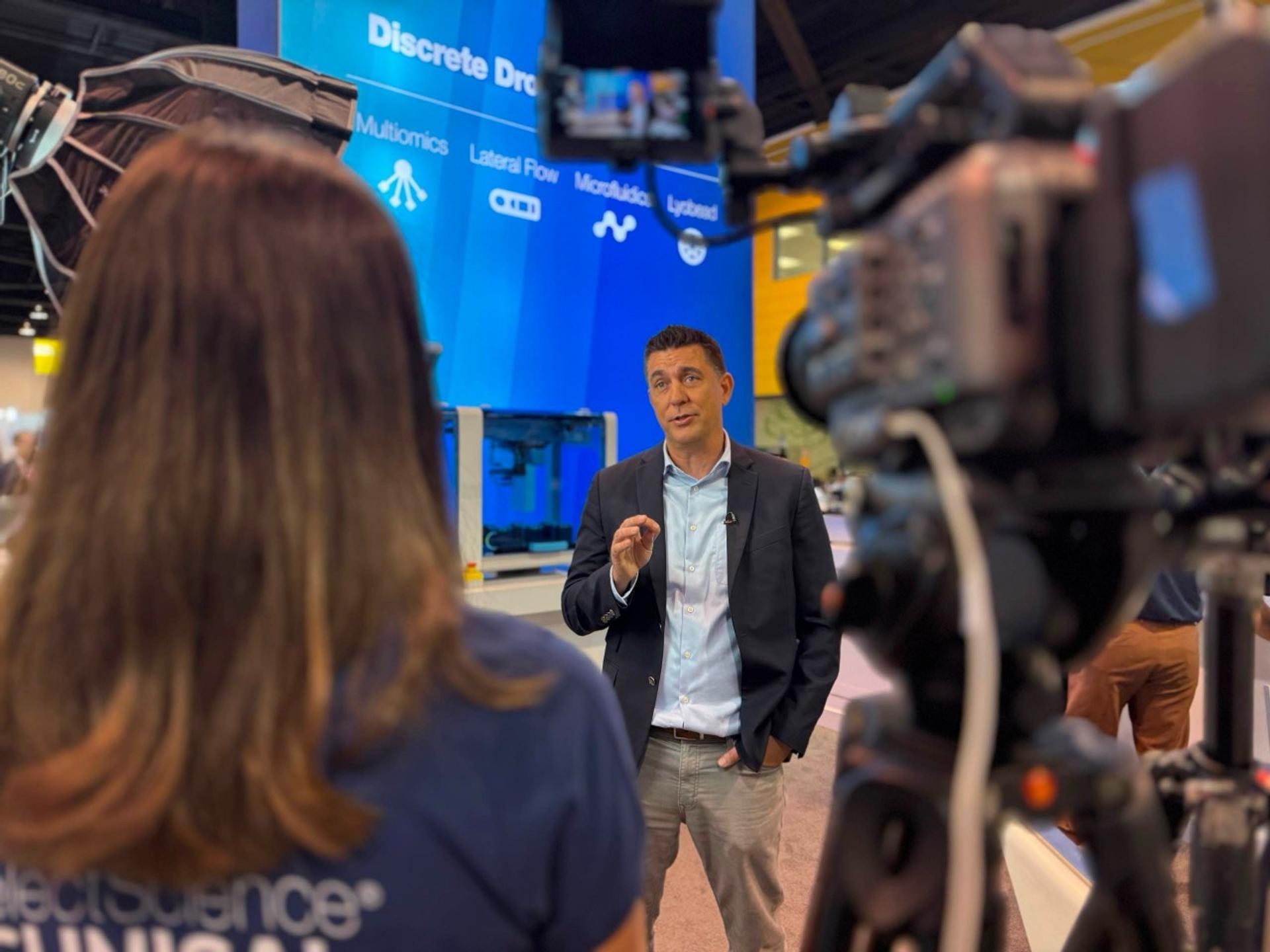
Brian Kirk, General Manager at BioDot
The discussion explored how laboratories increasingly require flexible automation solutions that can support complex workflows while enabling greater consistency, scalability, and efficiency.
Across the show floor, conversations repeatedly highlighted the growing need for technologies that allow laboratories to process increasing testing volumes without compromising quality or performance.
Bringing the laboratory community together
Beyond technology, ADLM continues to showcase the strength of the laboratory medicine community itself.
Throughout the day, the SelectScience team met with attendees from across the healthcare and diagnostics landscape, discussing the challenges, opportunities, and priorities shaping laboratories around the world.
Many conversations focused on familiar themes, including staffing pressures, increasing workloads, evolving regulatory requirements, and the need to do more with limited resources.
At the same time, there was a strong sense of optimism.
Scientists, laboratory leaders, clinicians, and industry stakeholders repeatedly spoke about the opportunities created by new technologies, stronger partnerships, and continued investment in innovation. The willingness to share expertise and learn from one another remains one of the defining strengths of the global laboratory community.
The biggest takeaway from Day 2
After two days at ADLM 2026, the biggest takeaway is not any single product launch or technology announcement.
Instead, it is the growing sense that laboratory medicine is entering a period of accelerated transformation.
Blood-based biomarkers are opening new opportunities in disease detection. Artificial intelligence is moving into practical deployment. Automation continues to become smarter and more accessible. Most importantly, organizations across the industry appear aligned around a common objective: enabling laboratories to deliver faster, smarter, and more impactful healthcare.
While the technologies may differ, the direction of travel is remarkably consistent.
Looking ahead to the final day
Although ADLM 2026 is beginning to draw towards its conclusion, the conversation is far from over.
Tomorrow will bring further interviews, emerging technology highlights, and final opportunities to hear from some of the scientists, clinicians, and innovators shaping the future of laboratory medicine.
The SelectScience team will continue reporting live from Anaheim, sharing the stories, expert insights, and innovations that matter most to laboratory professionals worldwide.
Follow SelectScience throughout ADLM 2026 for exclusive interviews, daily round-up articles, Scientists' Choice Awards coverage, and the latest news from the exhibition floor.
By Sonia Nicholas and Olivia Long, reporting from ADLM 2026 in Anaheim, California