Fabric inspection methods and standards
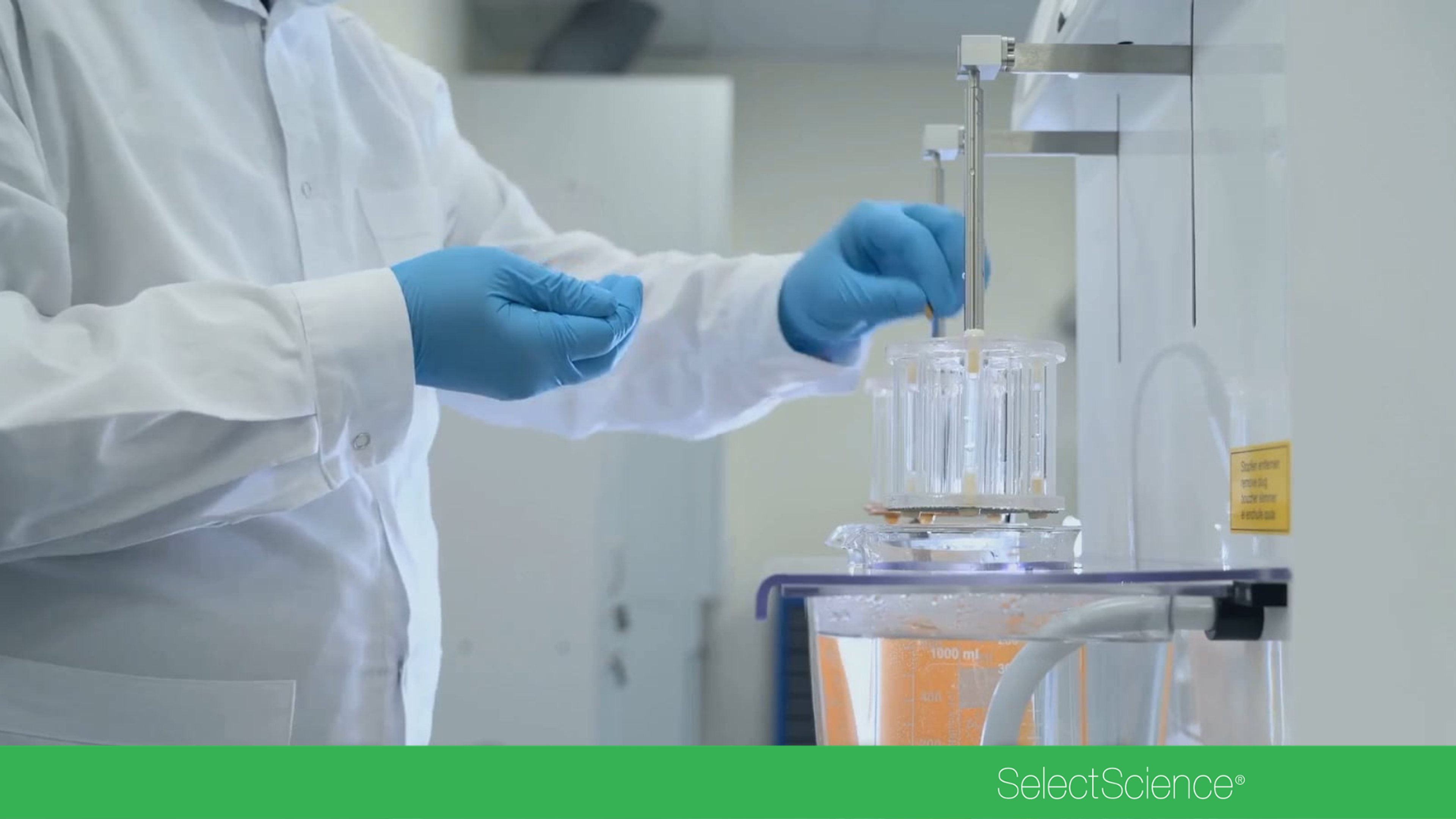
10 Apr 2026This video by Alfa Chemistry provides a comprehensive overview of textile testing and its importance in ensuring fabric quality, safety, and performance. It explains how global standards from ISO, ASTM, AATCC, and BS guide testing methodologies for evaluating fabric strength, durability, colorfastness, flammability, moisture management, dimensional stability, and more.
Through examples including tensile strength, abrasion resistance, tear testing, shrinkage, wrinkle recovery, pilling, and water repellency, discover how rigorous textile testing safeguards consumer safety, supports global trade, and ensures regulatory compliance. Specialized textile categories, including medical, protective, and athletic fabrics, are also covered, with emphasis on their unique testing requirements.
About the company
Alfa Chemistry
As a global Contract Research Organization (CRO), headquartered in New York, USA, Alfa Chemistry has served the pharmaceutical and biotechnology industries for years. Today, Alfa Chemistry specializes in organic chemistry, material chemistry, and medicinal chemistry. Alfa Chemistry offers an extensive catalog of building blocks, reagents, catalysts, reference materials, and research chemicals in a wide range of applications. We also provide analytical and laboratory services to our customers. Products listed on our website are either in stock or can be resynthesized within a reasonable time frame. In-stock products can be shipped within 3-5 business days upon receipt of the customer's purchase order. You can search for our products using the search bar on our website.