ProductsLife Sciences
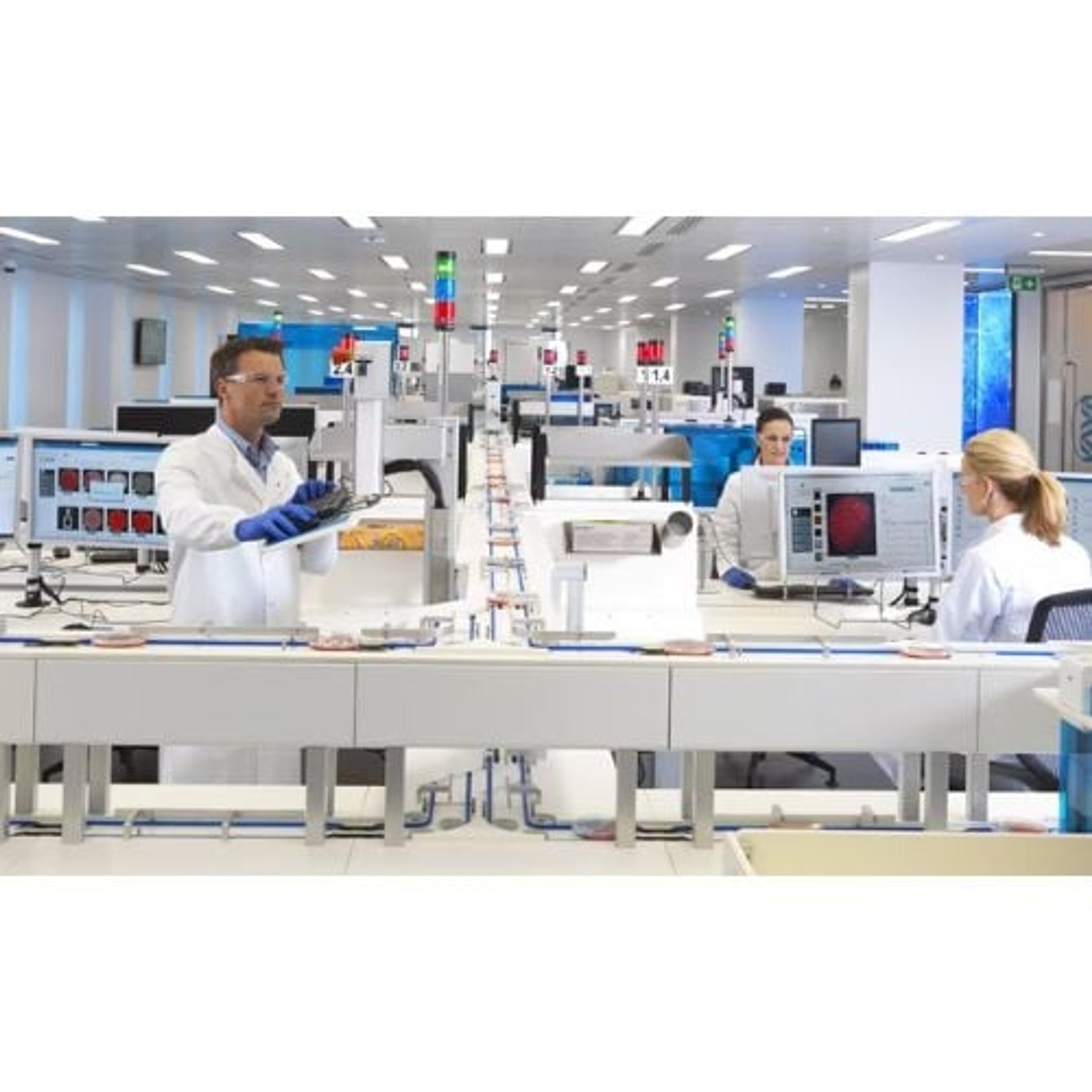
BD Kiestra™ Total Lab Automation (TLA) System
BD BiosciencesHelp maximize your microbiology laboratory efficiencies

Help maximize your microbiology laboratory efficiencies

Findings from Sheffield Teaching Hospitals NHS Trust
REDIchips™ for Rapid Quantitation of Low Molecular Weight Pharmaceutical Drugs Using Laser Desorption Ionization Mass Spectrometry
Portuguese researchers, INESC TEC, and the IMP Diagnostics Molecular & Anatomic Pathology laboratory, focus on improving the prototype that uses AI as a complementary tool when diagnosing colon and rectal biopsies
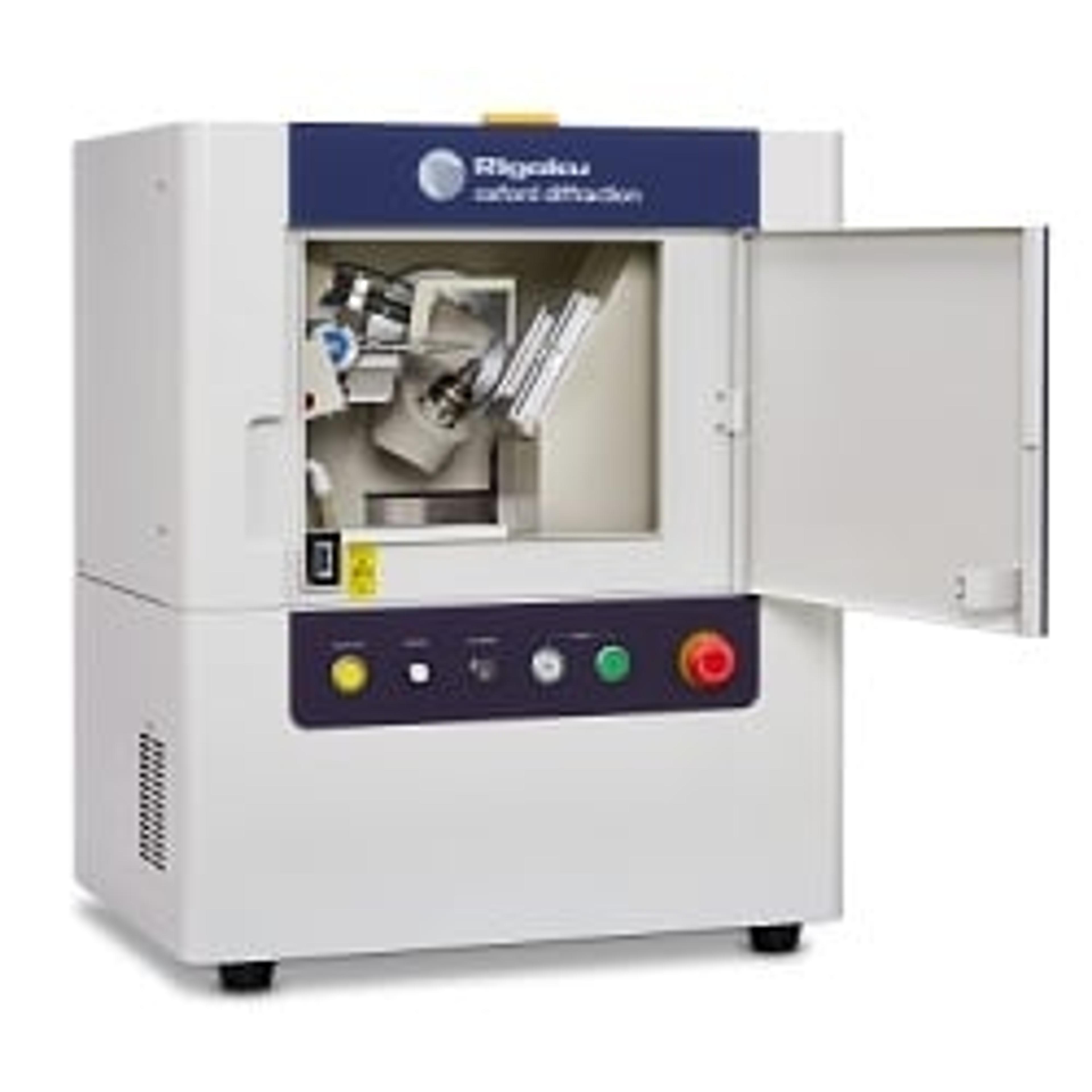
New XtaLAB mini II benchtop X-ray crystallography system is optimized for small molecule 3D molecular structure determination
Omega has been manufacturing UV filters for over 50 years. UV light (in the 200 nm - 400 nm range) has many commercial and consumer-level applications. UV light can be used in photolithography or dentistry to photoset polymers, and in biomedical applications to excite molecules during surgery. It can be used to measure DNA and to sterilize our water and the air we breathe. While useful for many things, it can also be harmful.…
o Based on ultra pure 190 Å pore size silica for analysis of small molecules to proteinso Extensive quality control tests to ensure the ultimate in reproducibility and performanceo Unbeatable peak shapes for all sample typeso Select from five phases for a wide range of selectivity options Product detail: HyPURITY C18 columns are based on the latest in silica technology - HyPURITY silica, which has less than 10ppm total m…
96-well filter plate designed and optimized for aqueous solubility assaysDetermining a compound's aqueous solubility has become an essential early measurement to make in the drug discovery process. Poor water solubility can cause problems in many different in vitro testing techniques leading to unreliable results and/or reproducibility problems; insoluble precipitates have been shown to cause false positives in bioassays poten…
Dr. Ivan Cornella-Taracido, of Cedilla Therapeutics, discusses his work looking for therapeutic targets by harnessing protein homeostasis, and shares his insights into the future of drug discovery