
Search results for "molecular microbiology"
Results per page
25
10000 Results Found | Selected Filters:





ProductsLab Informatics
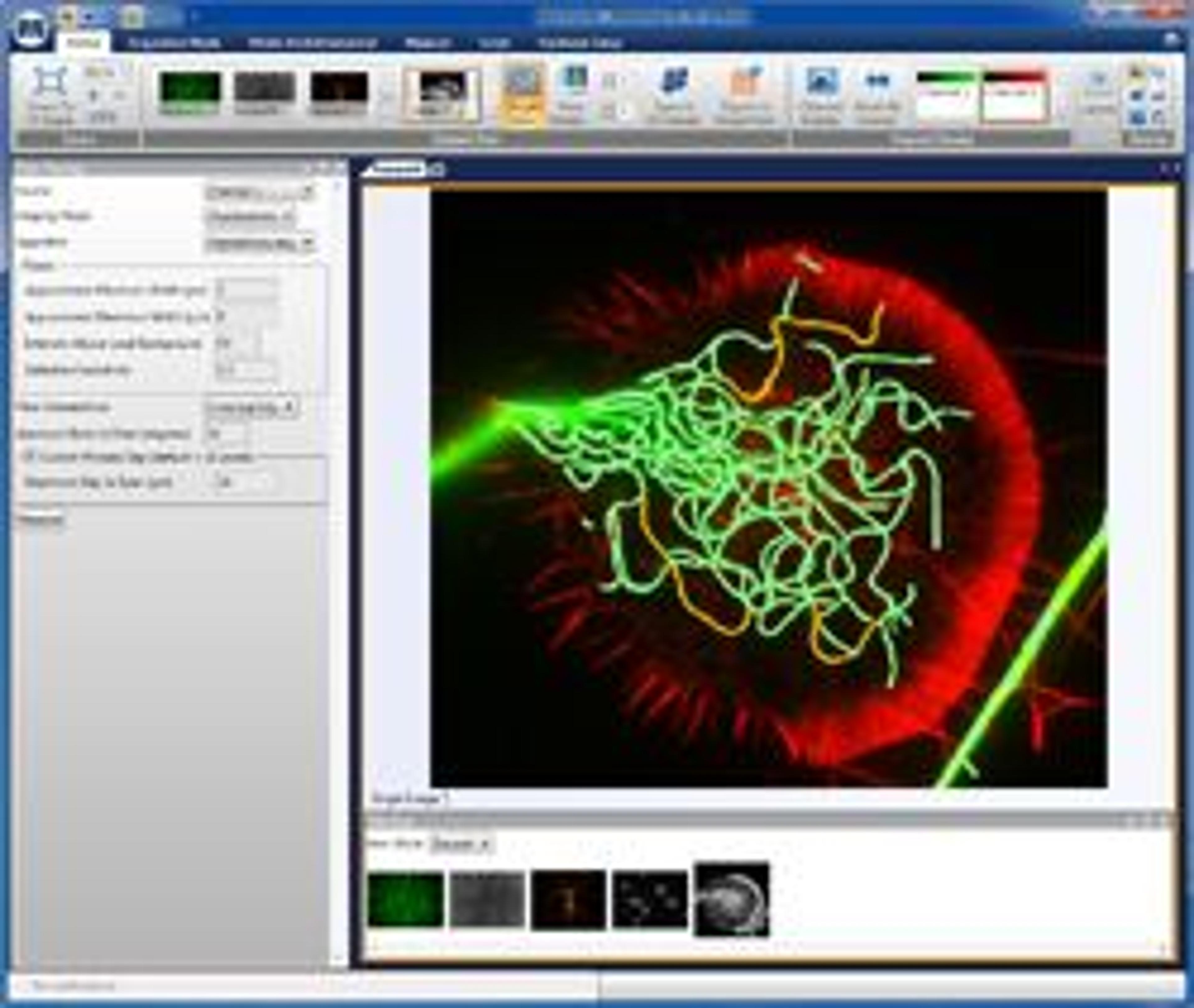
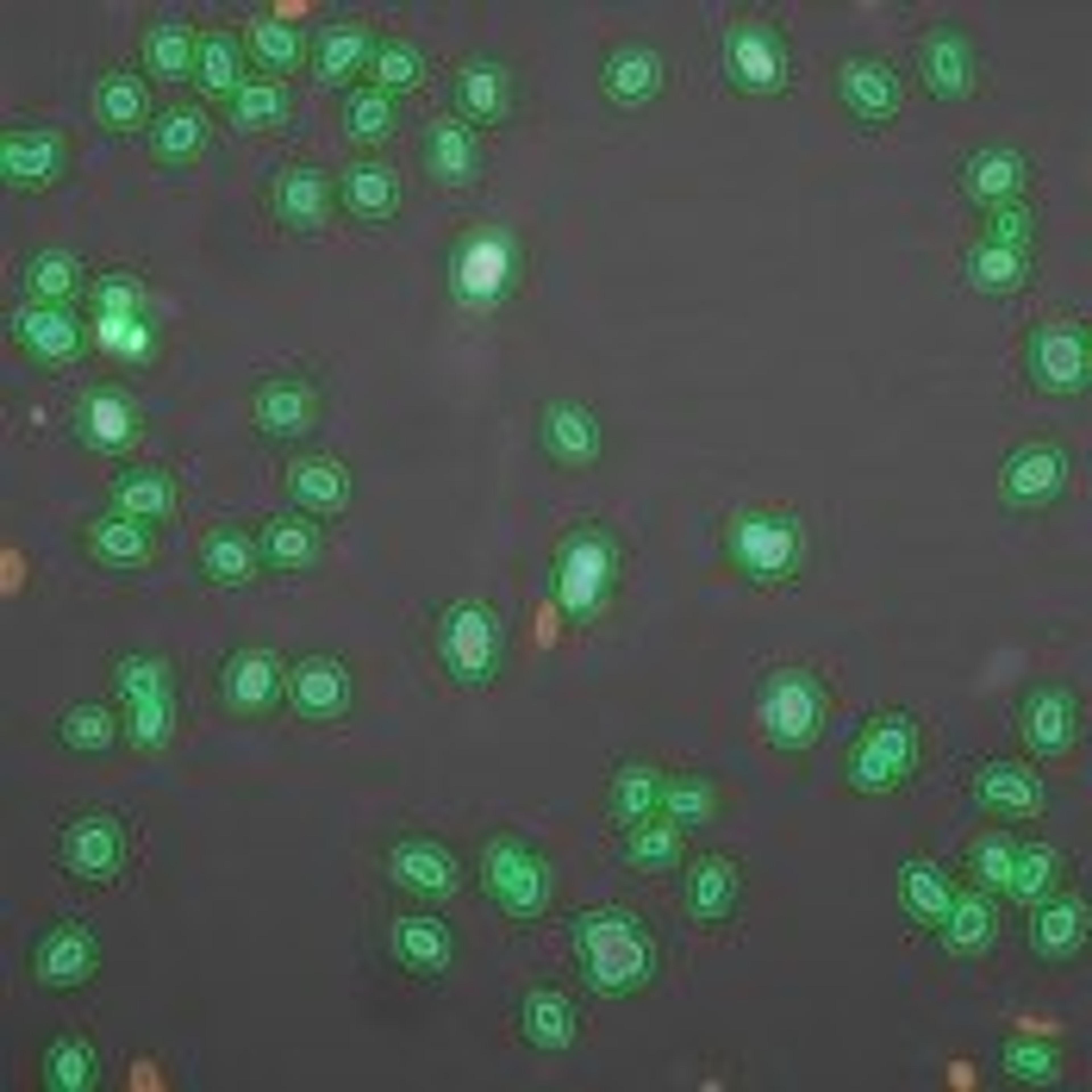
Molecular Translocation V2 Image Analysis BioApplication for Kinase and transcription factor activation
Molecular Translocation V2 is an advanced image analysis application for quantitating simultaneous cytoplasm-to-nucleus translocation of multiple targets. It features subpopulation selection and cross-correlated responder analysis of up to 5 distinct targets, allowing study of signaling pathways. This application has been biologically validated, enhancing confidence in your image-based data. Available for the Cellomics Ar…
ProductsLife Sciences
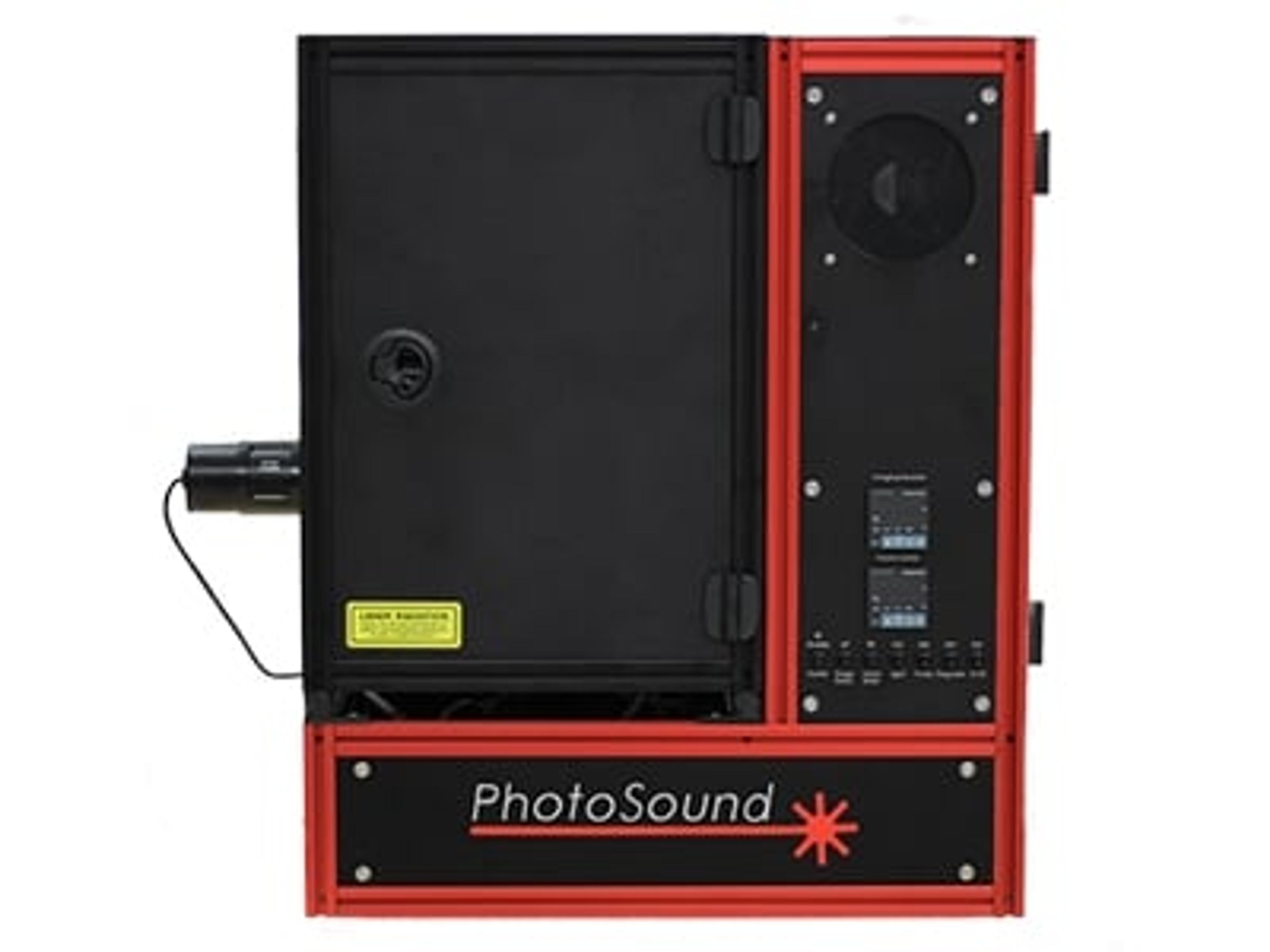
TriTom™ Small Animal Whole Body Photoacoustic and Fluorescence Molecular Imaging Platform
ScinticaThe TriTom imaging platform utilizes photoacoustic and fluorescence tomographies (PAFT) for high-resolution, non-invasive whole-body imaging in small animal models, achieving up to 160 µm resolution. This multi-modality system enables simultaneous acquisition of photoacoustic and fluorescence data in large volumes (> 25 cm3), allowing for spectroscopic molecular analysis.

WebinarsLife Sciences
Management of bacterial and fungal infections: Efficiency of culture-independent molecular testing
Available on-demand
ProductsSeparations
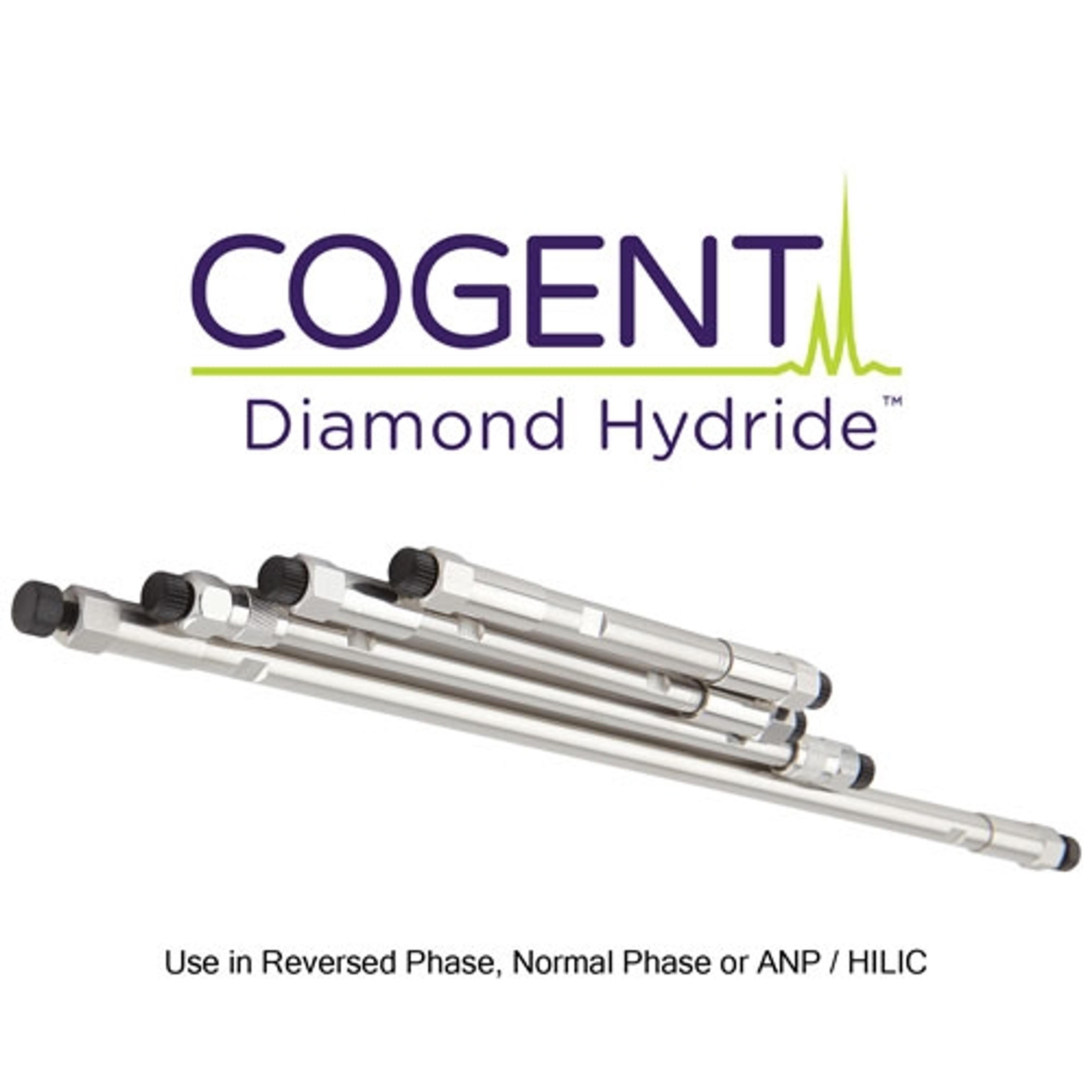
Cogent Diamond Hydride™ HPLC Columns
MicroSolv Technology Corp.Cogent Diamond Hydride HPLC Columns are manufactured with TYPE-C™ silica (silica hydride) and a very small amount of carbon on the surface that adjusts the column hydrophobicity to an important level. This makes these columns have unique separation capabilities for scientists working in LCMS, metabolomics, bioanalytical, amino acids, organic acids, carbohydrates, and very polar small molecules.
ProductsSeparations
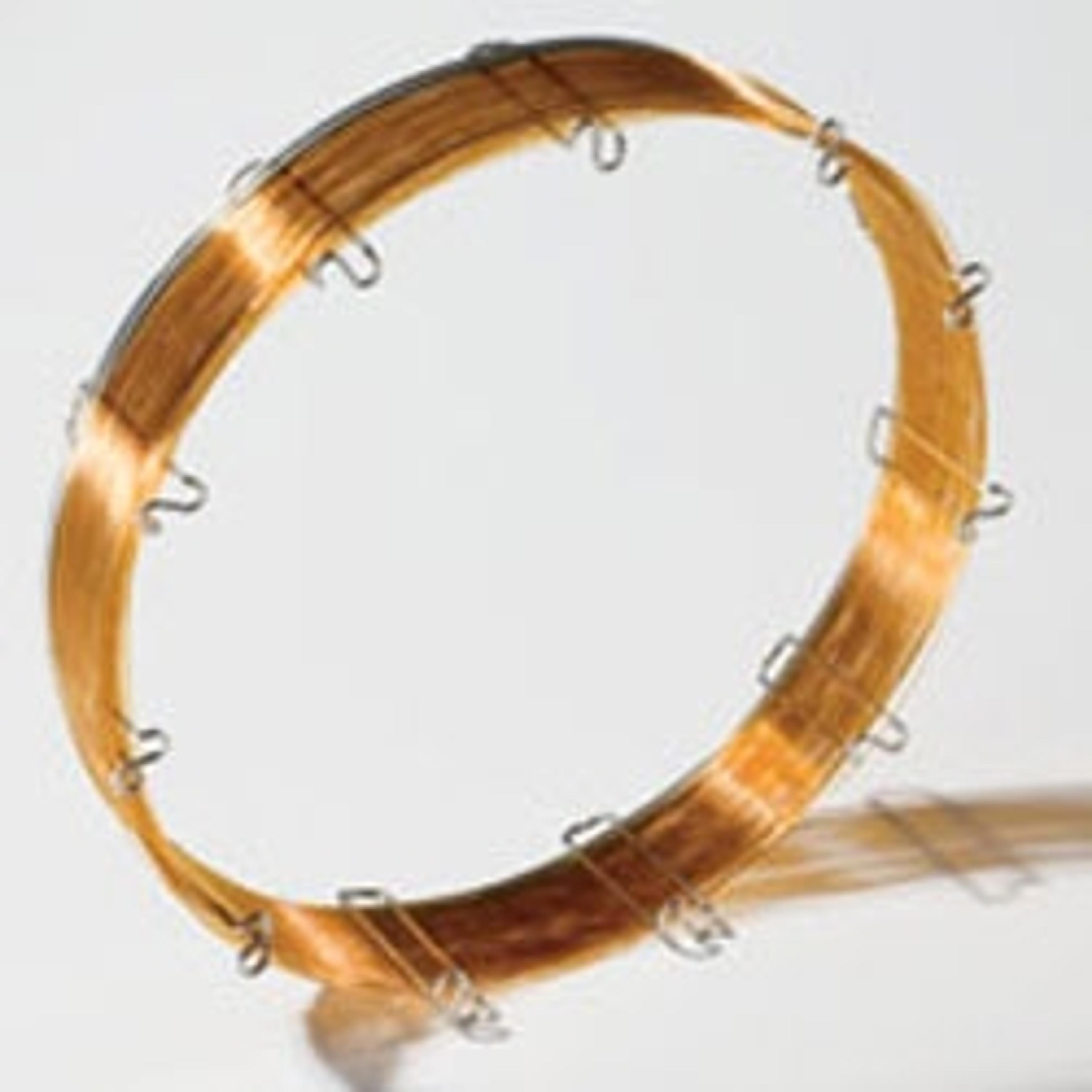
Rt-βDEXse Columns (fused silica)
Restek Corp.By adding β or γ cyclodextrin to our bonded Rtx-1701 stationary phase, we greatly enhance overall utility and column lifetime for our chiral columns, compared to columns that have pure cyclodextrin stationary phases. Separations of more than one hundred chiral compounds have been achieved using our unique DEX columns, and our columns continue to demonstrate stability after hundreds of temperature program cycles. What are ch…
ProductsLife Sciences
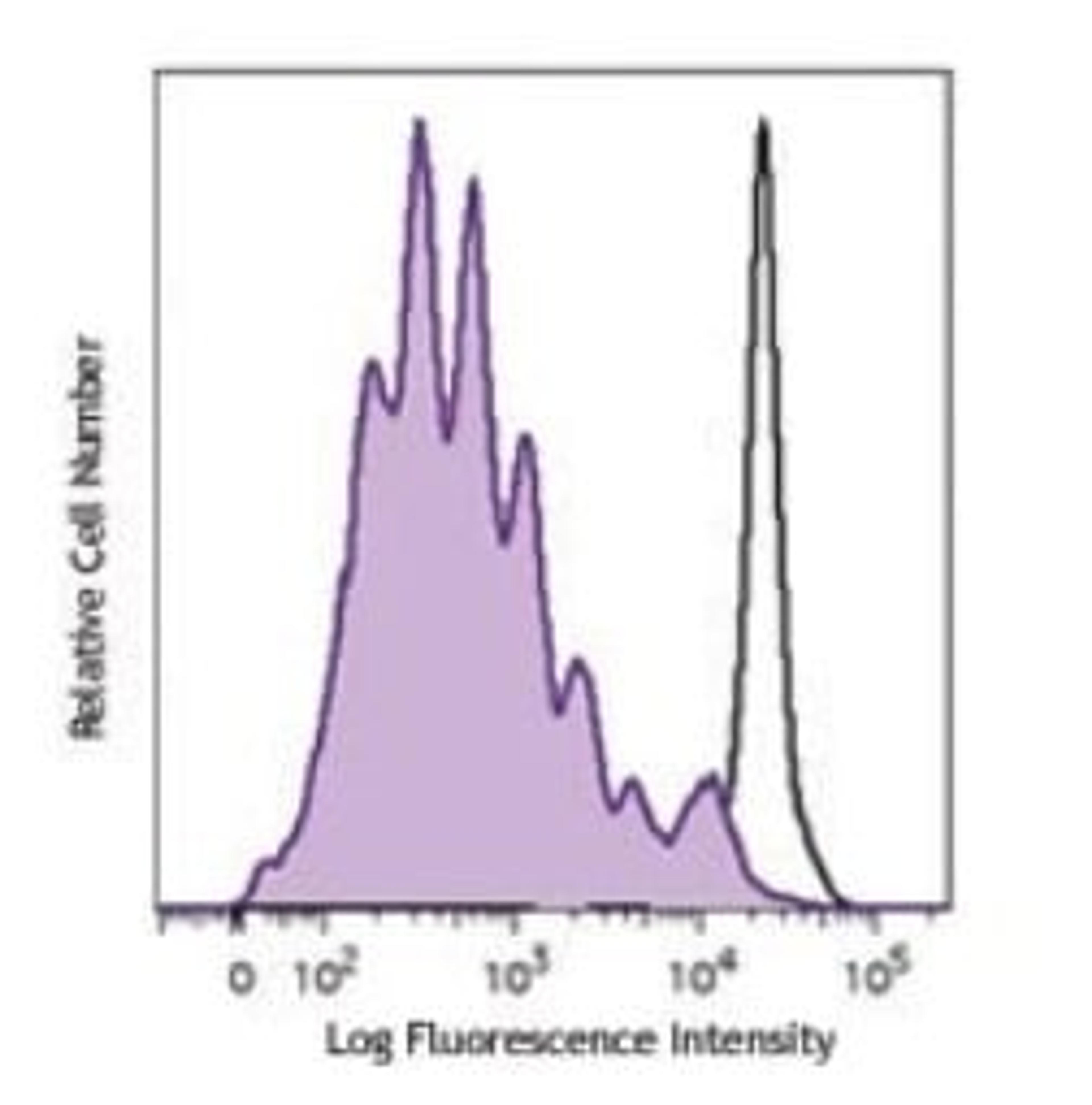
CFSE Cell Division Tracker Kit
BioLegendCFSE Cell Division Tracker Kit is composed of 5 vials, 100 µg per vial of CFSE (formally known as 5-(and 6)-Carboxyfluorescein diacetate succinimidyl ester of CFDA SE), and 500 µl of anhydrous DMSO. CFSE is able to passively diffuse into cells. Inside the cell, its acetate groups are cleaved by intracellular esterases, and the molecules are converted to fluorescent esters. CFSE is retained within the cell and covalently couple…

ProductsLife Sciences
IL1 beta Antibody
Abcam plcPrimarily directed against mature 17kDa human IL-1beta. In ELISA formats and other immunoreactive assays, the antibody will recognize 10% of the non-denatured (native) 31kDa IL-1beta precursor containing samples, but will detect all of the 17kDa mature molecule. Also detects primate IL-1beta in the same formats using similar dilutions.

Industry NewsLife Sciences
Xyall and Indica Labs forge global collaboration
The partnership is designed to bridge the gap between histopathology and molecular pathology