Industry News
Potential of whole genome sequencing to enable personalized cancer treatment
Study done at the University of Cambridge suggests a way to predict prognosis and most effective treatment in cancer

Study done at the University of Cambridge suggests a way to predict prognosis and most effective treatment in cancer
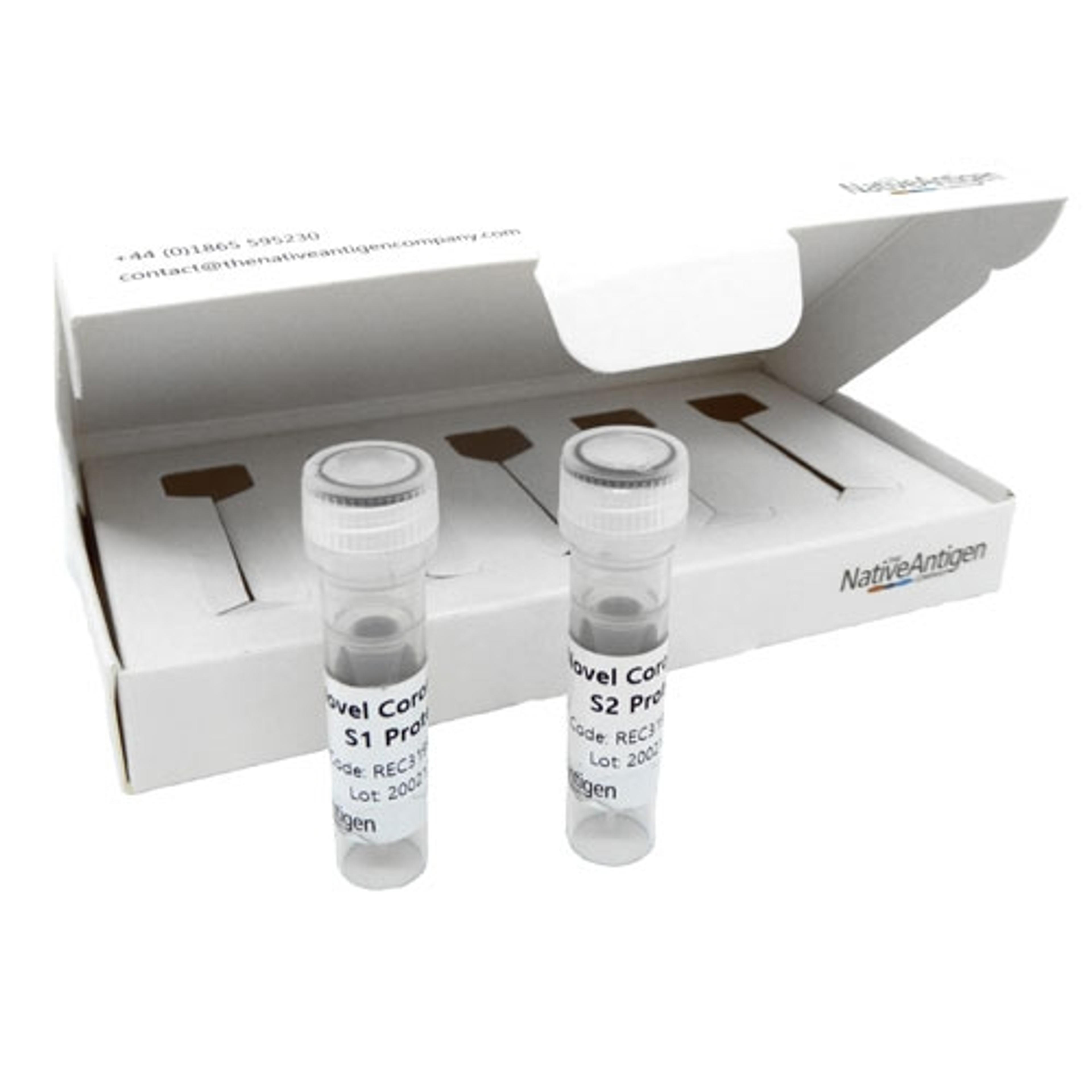
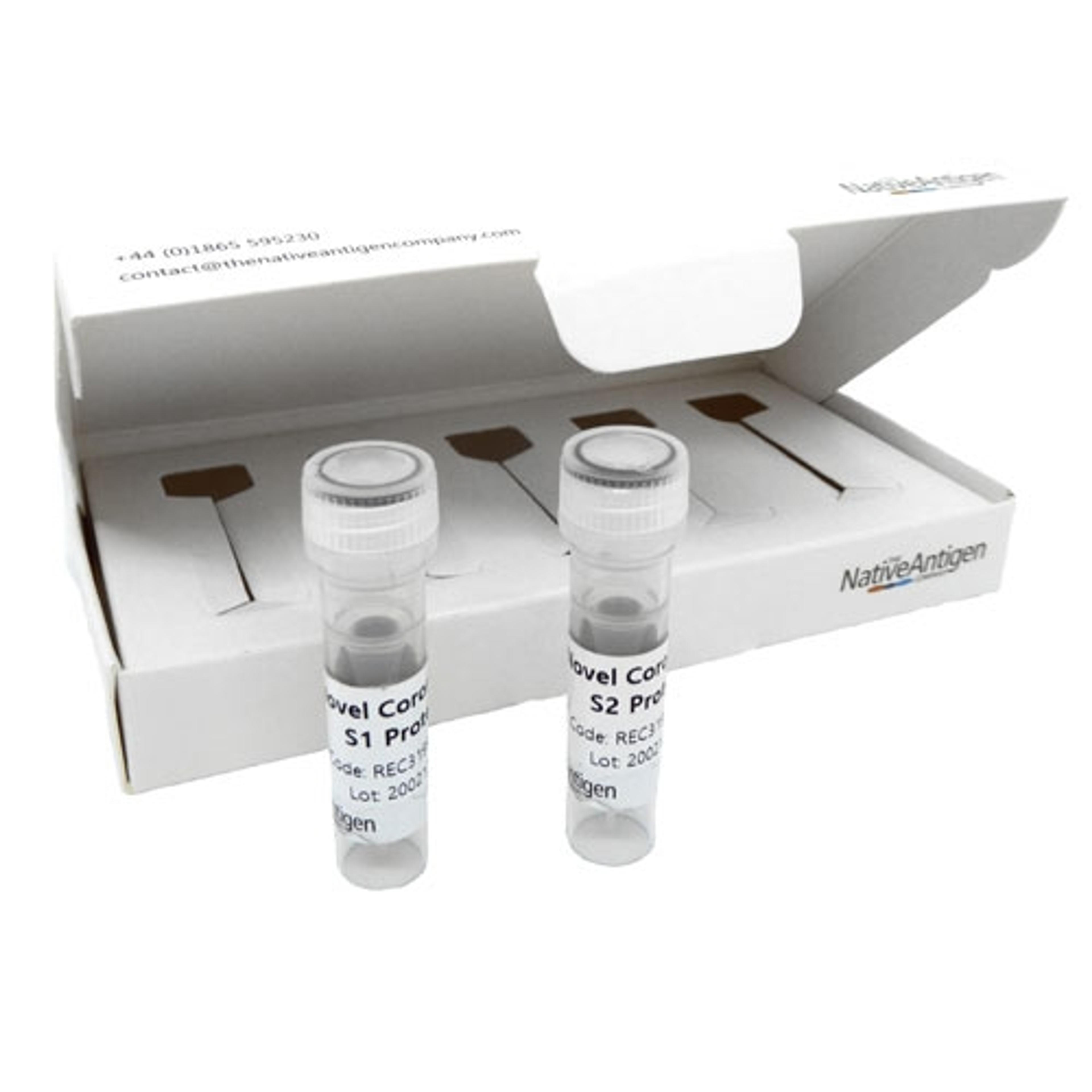
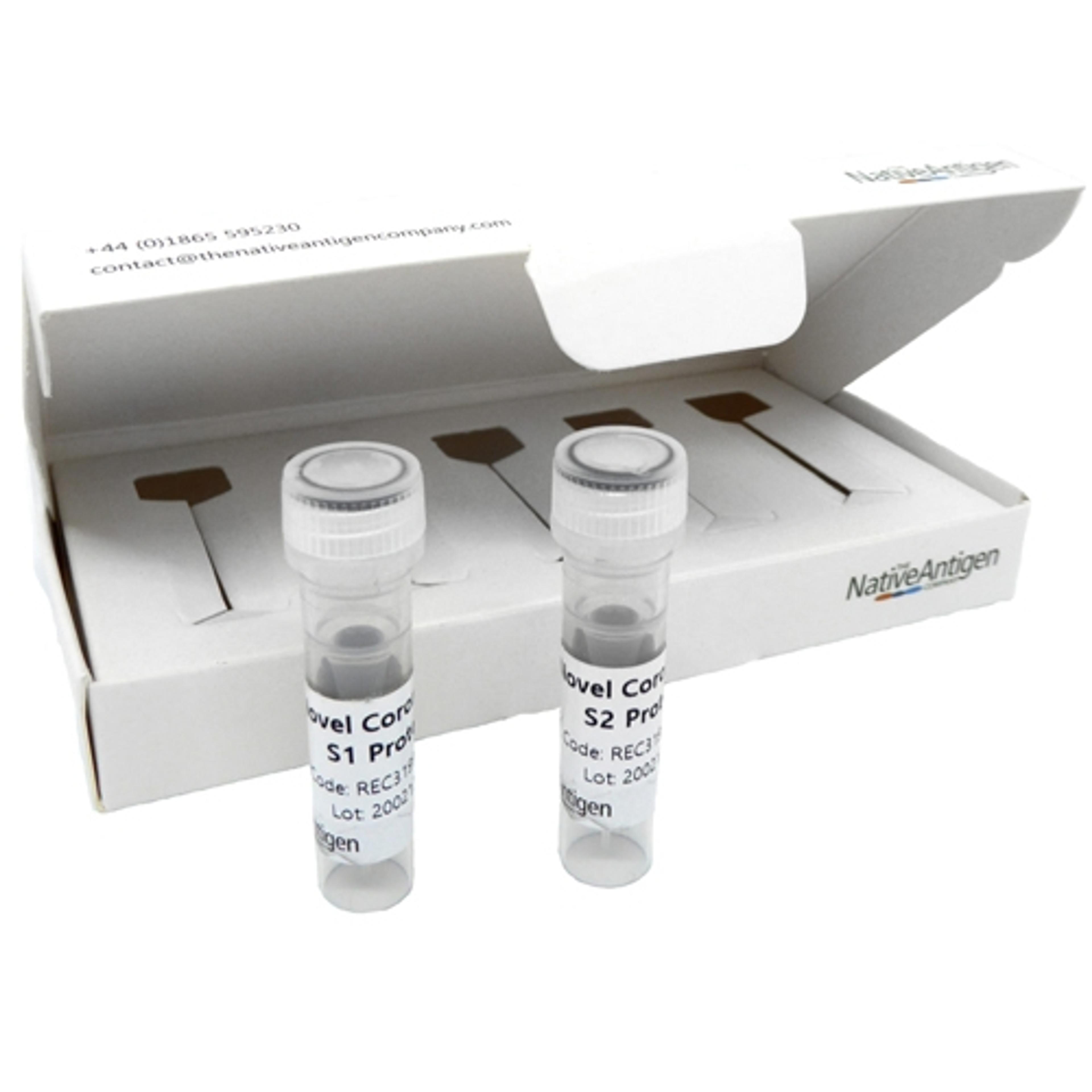
Novel Coronavirus 2019-nCoV (SARS-CoV-2) Spike Glycoprotein (S1) is a recombinant antigen which contains the Spike protein amino acids 1-674. Spike S1 protein is manufactured in HEK293 mammalian cells, ensuring the most authentic post-translational modifications.
Novel Coronavirus 2019-nCoV (SARS-CoV-2) Spike Glycoprotein (S2) is a recombinant antigen which contains the Spike S2 protein, amino acids 685-1211. Spike S2 is manufactured in mammalian HEK293 cells to ensure the most authentic post-translational modifications.
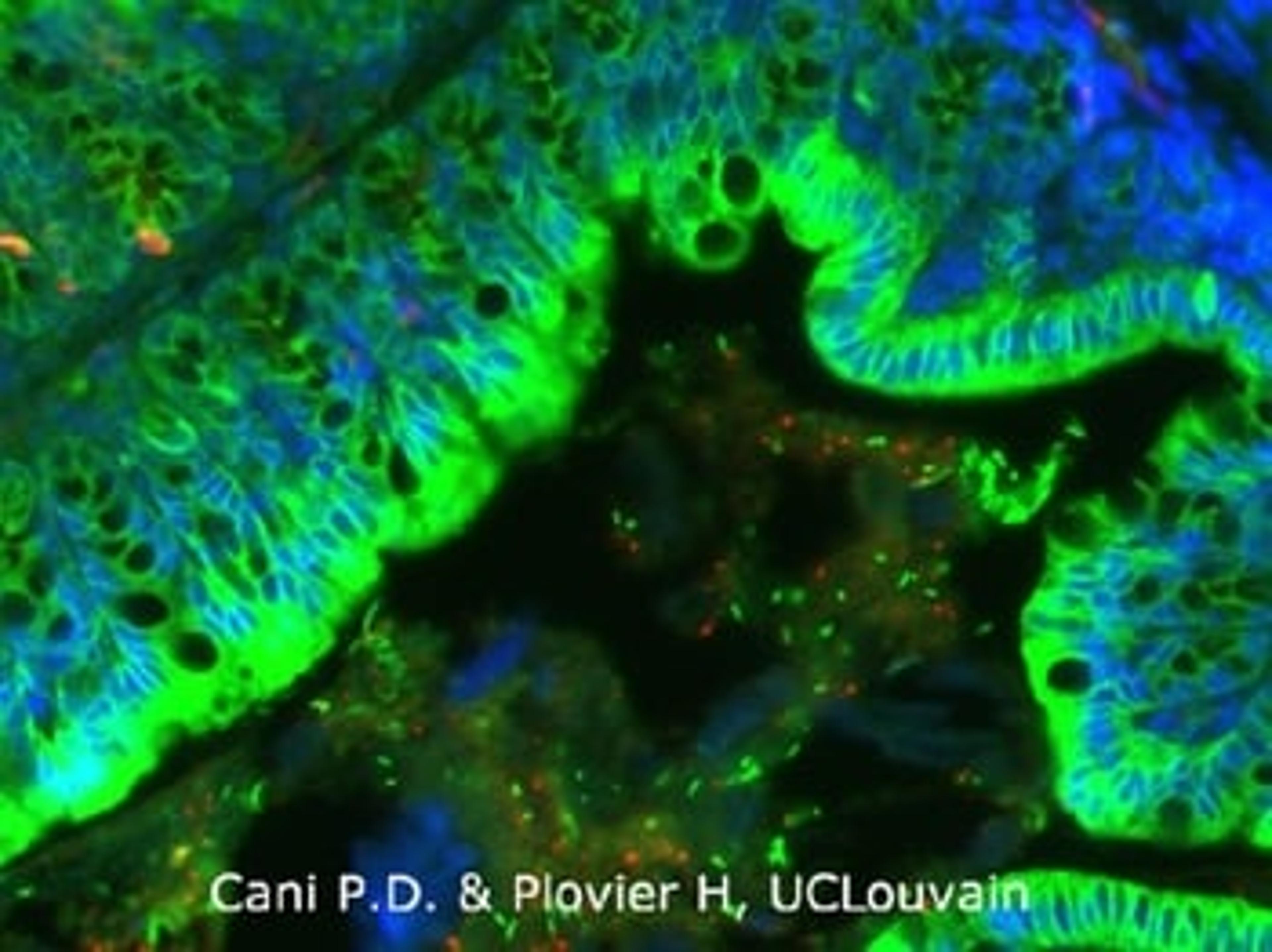
Pioneering microbiome scientist Prof. Patrice Cani reveals how his work has unearthed some of the most groundbreaking discoveries in the world of gut microbes, and how they influence human physiology
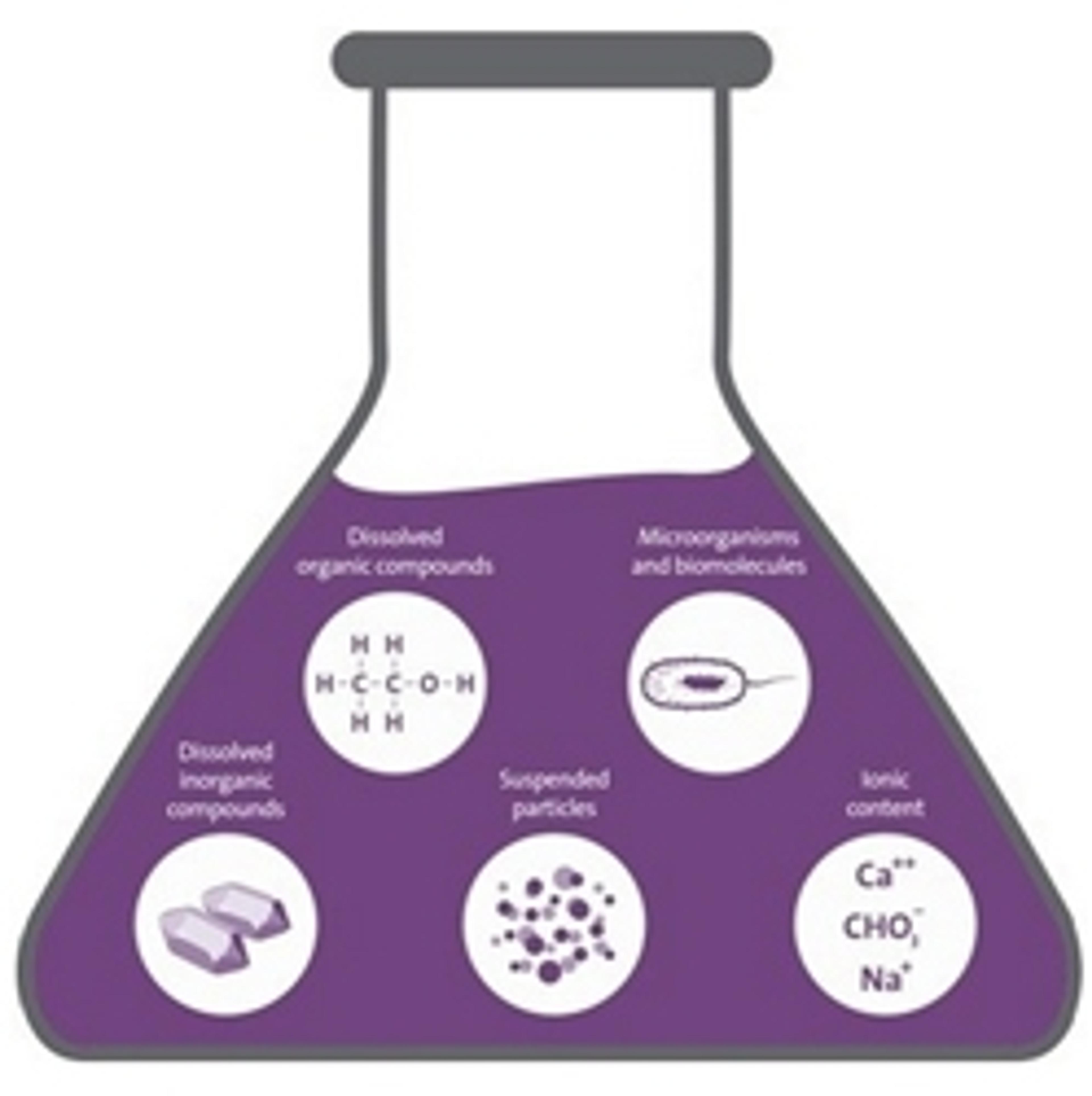
An innovative approach to reveal the true breadth of environmental contamination
Dr. Bruce Conklin, UCSF, discusses the potential of genome engineering as a therapy for genetic diseases
With abundant data on plants, large animals and their activity, and carbon soil levels in the Amazon, Stanford research suggests that large animal diversity influences carbon stocks and contributes to climate change mitigation
SARS-CoV-2 Spike Glycoprotein (S2) is a recombinant antigen which contains the Spike protein amino acids 685-1211 of subunit 2. Spike S2 protein is manufactured to high yield and purity using the Native Antigens baculovirus-insect cell platform. SARS-CoV-2, previously known as the 2019 Novel Coronavirus (2019-nCoV), causes the pandemic COVID-19 disease.
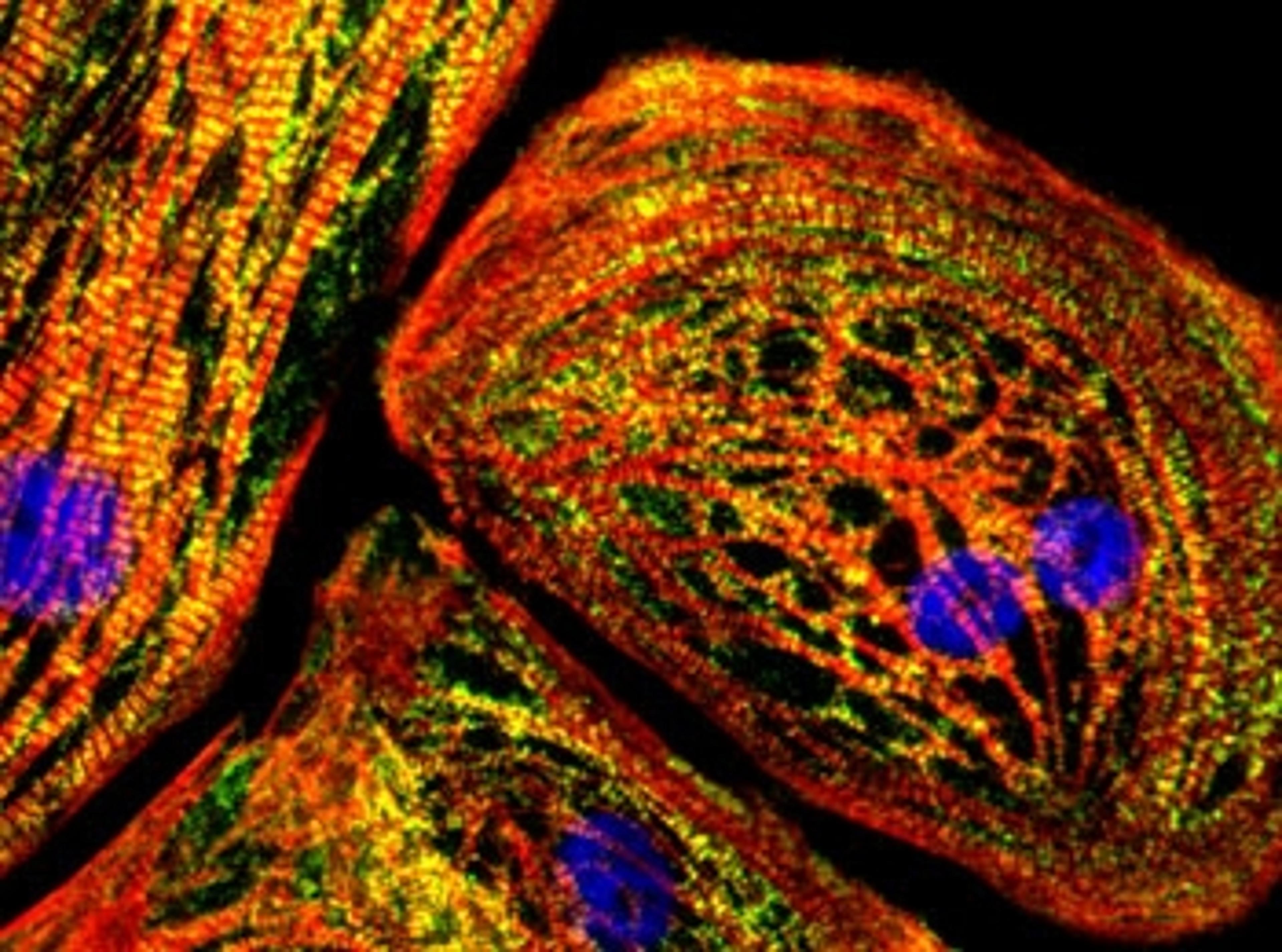
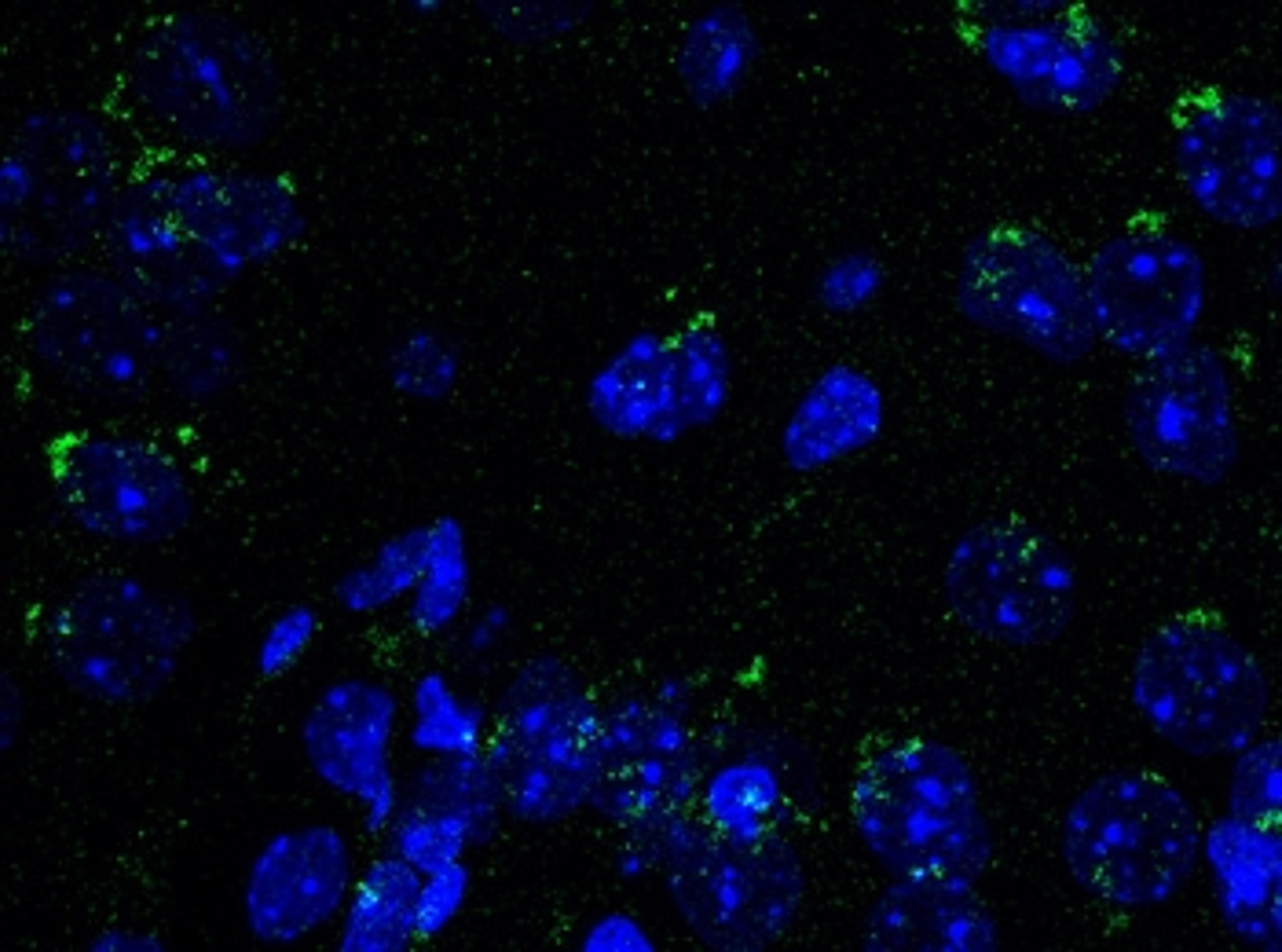
Learn how selective antibodies help decipher an impaired autophagy pathway in spino-bulbar muscular atrophy
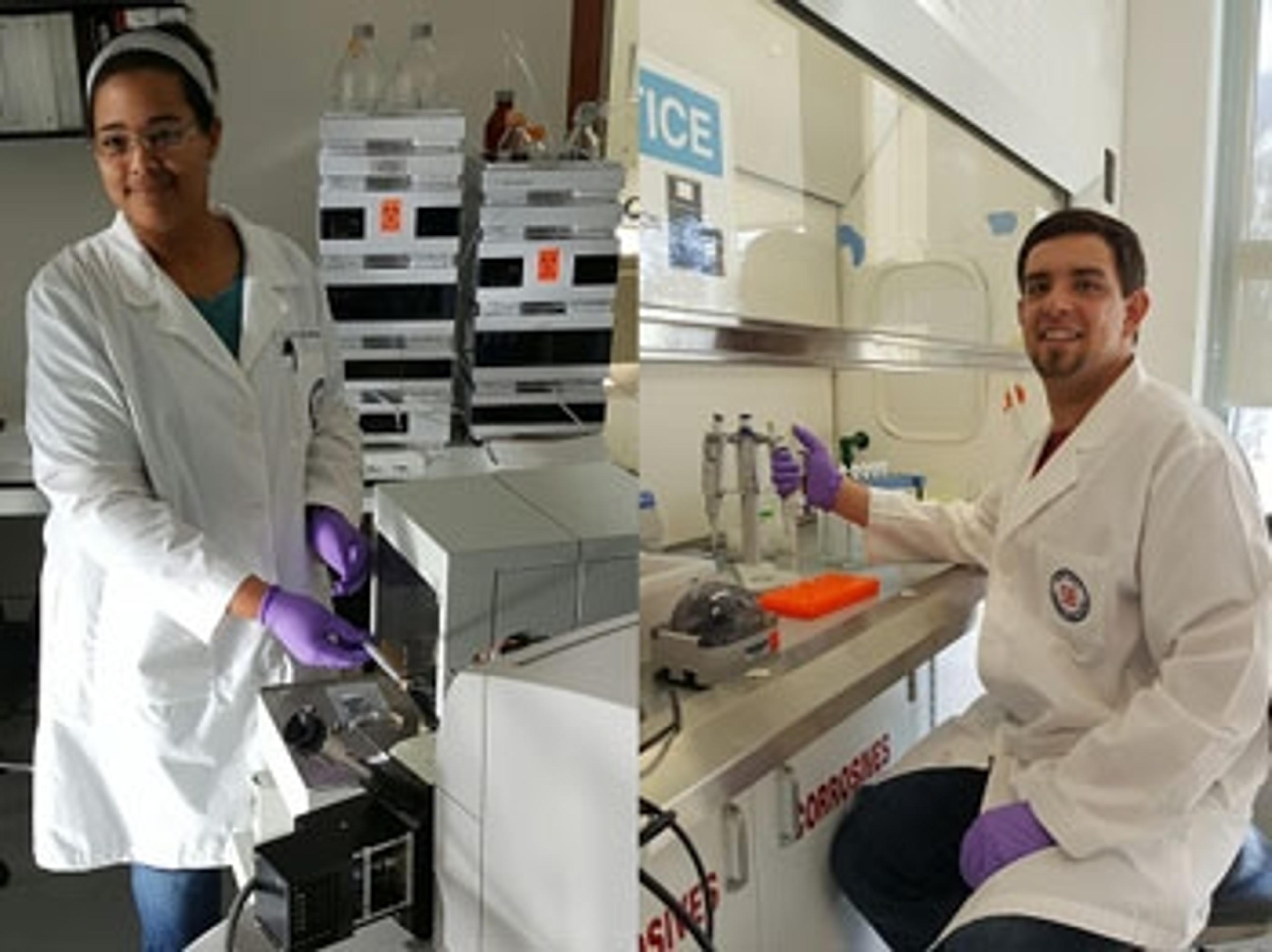
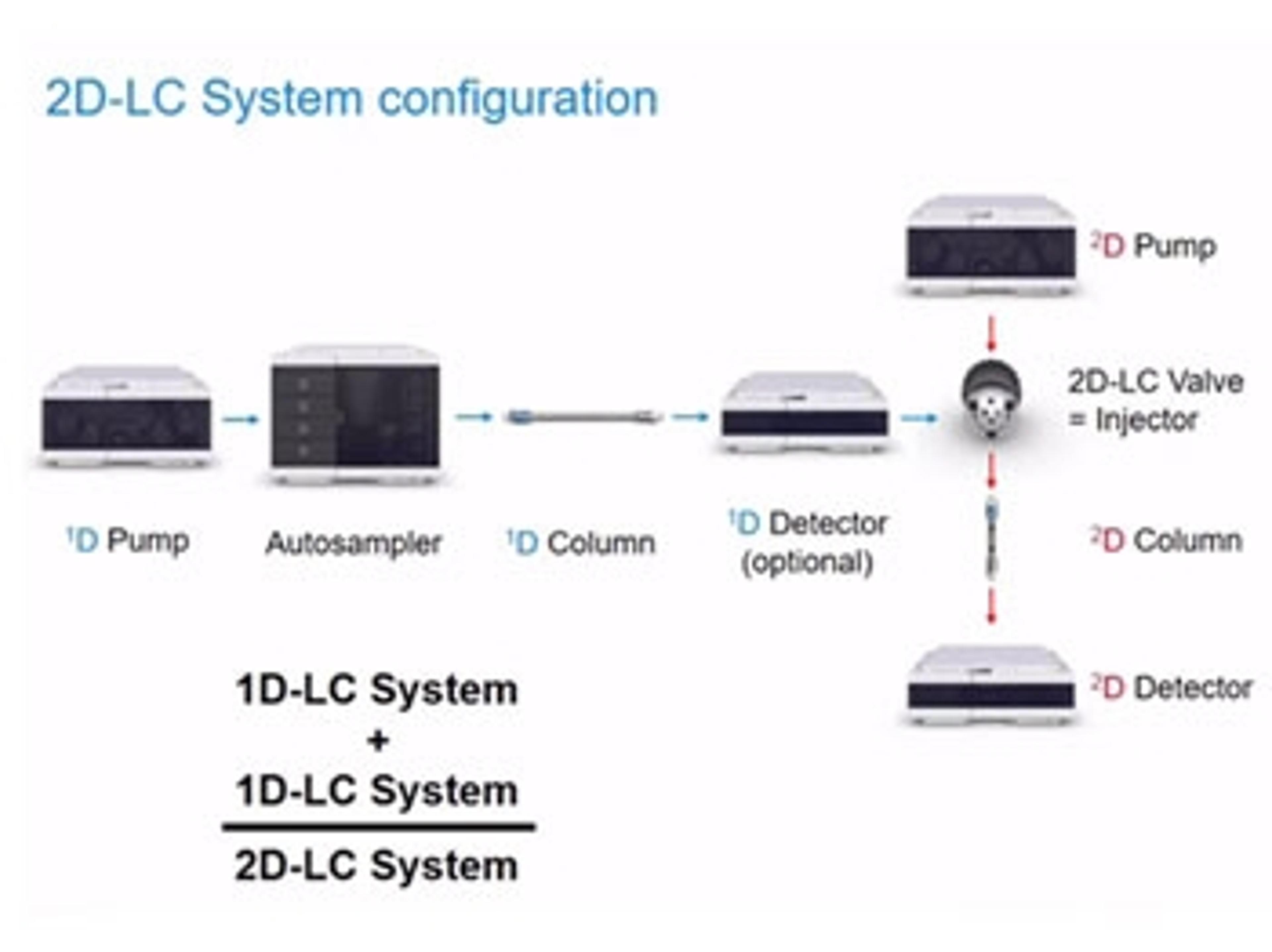
Chromatography experts share how the latest 2D-LC technology can benefit your pharmaceutical, food, or polymer analysis applications and more
We look back at the biggest stories and the best content from our analytical chemistry communities
New infographic from Vitl helps you get the most from your assays
Phenomenex CEO Fasha Mahjoor gives SelectScience an insight into his top tips for business success
Read this exclusive interview with Louise Kenny, one of the founding directors of the INFANT Centre, to discover how they are using mass spectrometry to research preeclampsia and pre-term birth