
Scientists’ Choice Awards Winners Announced for Clinical Lab Science at AACC 2017

Huge turnout as industry leaders recognize the best in the business at the biggest ever Clinical Scientists’ Choice Awards in San Diego

1 Aug 2017

Sarah Thomas
Associate Editor

Editorial article

SelectScience® is delighted to announce the winners of the 2017 Scientists’ Choice Awards® for clinical laboratory excellence. Scientists around the world were once again invited to participate by nominating, voting and reviewing online. Winners and nominees were celebrated during a special ceremony held on Tuesday, August 1, at the AACC Annual Scientific Meeting & Clinical Lab Expo 2017 in San Diego, USA. AACC highlights the most exciting clinical developments from institutions all over the world. Read on to discover the winners of these awards and highlights from this prestigious clinical laboratory event.

The Best New Clinical Laboratory Product of 2016

The Best New Clinical Laboratory Product of 2016 was awarded to Agilent Technologies for its IQFISH Panel for Lung Cancer*. The panel enables routine pathology laboratories to easily integrate fast, high-quality FISH (fluorescence in situ hybridisation) into their IHC workflow.

Agilent's Charmian Cher receives the coveted Product of the Year Award at AACC 2017

*IQFISH Panel for Lung Cancer by Agilent Technologies is not available for sale in the USA.

Runners Up

Video of the Year

In the Video of the Year category, this year’s winning Clinical Video of the Year highlighted the ADVIA Centaur® XPT Immunoassay System from Siemens Healthineers and its role in improving laboratory efficiency. The video describes the latest updates including reduced maintenance, upgraded software and a new user interface designed to aid those in the lab. Watch it again here.
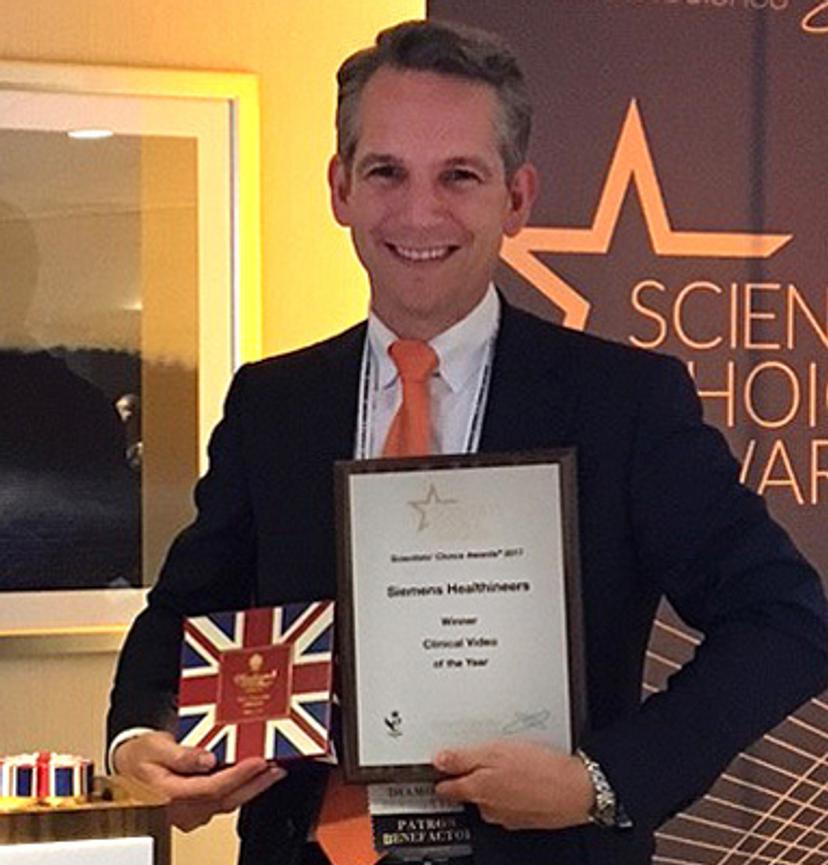
Siemens Healthineers' President Point of Care Diagnostics, Peter Koerte, with the Video of the Year Award at AACC 2017

Article of the Year

The Clinical Article of the Year was awarded to Giuliana Cangemi, Head of Chromatography-Mass Spectrometry at the Central Laboratory of Analysis, Giannina Gaslini Children’s Hospital in Genoa, Italy. The article looks at the many challenges involved in pediatric research and ways of overcoming them with modern technology.
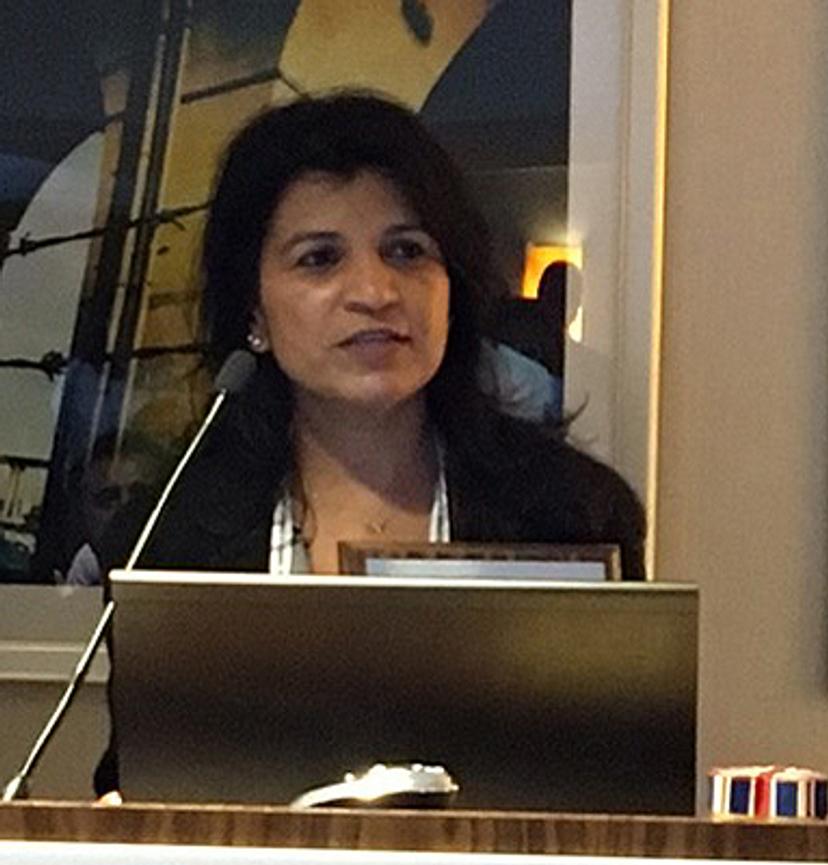
2017's Article of the Year Award accepted by Thermo Fisher Scientific's Suparna Mundodi

Email of the Year

Waters Corporation scooped this year’s award for the email Waters Clinical Mass Spec, which was sent in March. The email showcased industry-leading experts using Waters’ mass spectrometry equipment.
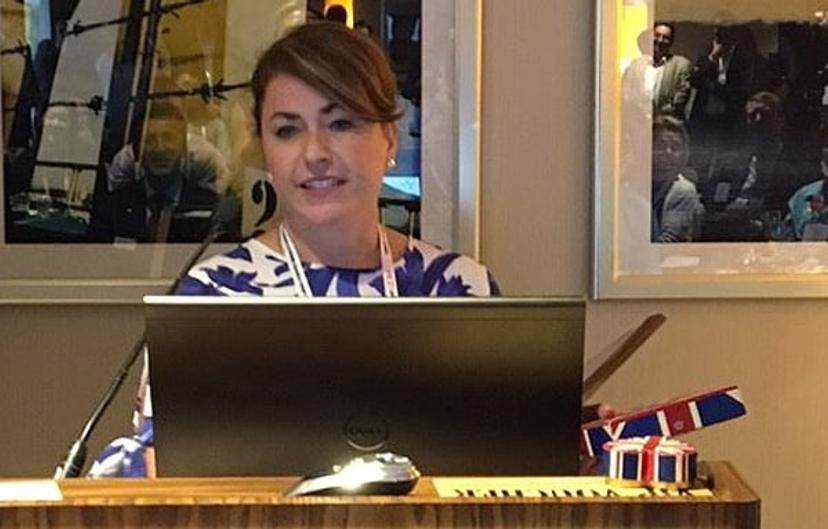
Michelle Finneran from Waters Corporation accepts the Email of the Year Award

Reviewers’ Choice Awards – Clinical Laboratory Product of the Year

The final award was the Reviewers’ Choice Award for Clinical Product of the Year, which was picked up by Alere for its i Strep A, a molecular diagnostics kit which can process results in under eight minutes. Reviewer comments described the product as “user friendly and had quality results”, and that the “small footprint helps operators to use it almost anywhere.”
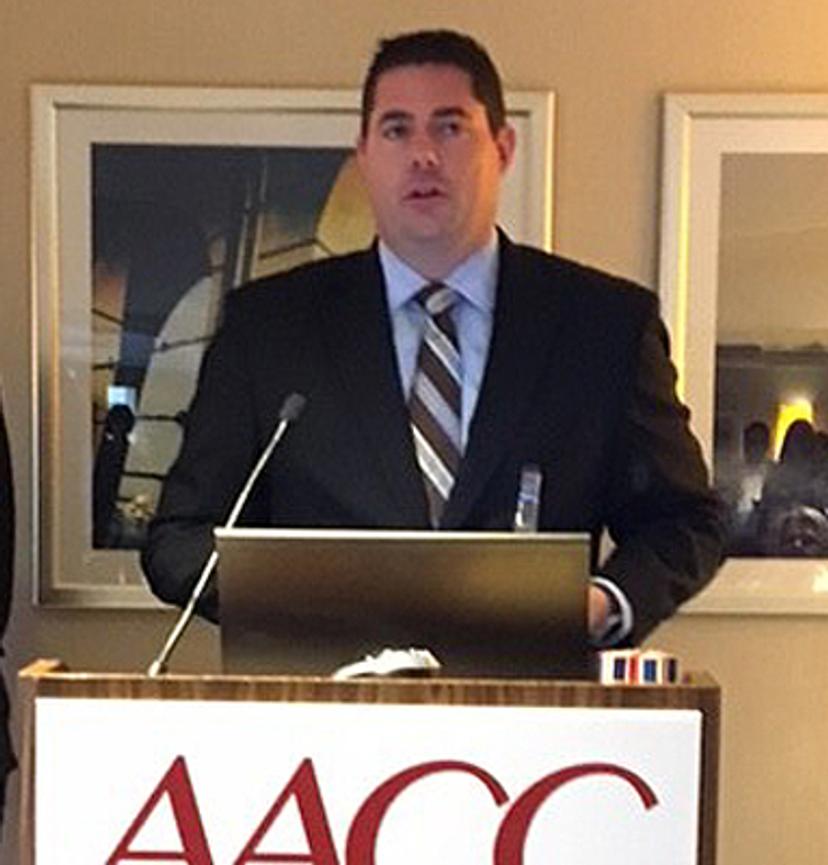
Alere's Senior Marketing Manager KC McGrath accepts the Clinical Reviewers' Choice Award

Visit the Scientists' Choice Awards website for more information. For news, live updates and interviews from the Expo, visit the AACC 2017 Special Feature.

Links

Tags

Blood TransfusionBlood Transfusion involves giving donor blood to a recipient patient. Screening is essential to avoid transfusion reactions. Blood banks use immunohematological techniques to determine rh and ABO blood group, and screen for antibodies using specific antisera. Blood Banks use Direct Coombs Tests (DCT) and Indirect Coombs Tests (IAT) to detect hemolysis and Haemolytic Disease of the Newborn (HDN).HematologyIn Haematology / Hematology, complete blood cell counts (or full blood counts) are obtained using automated blood count analyzers to enumerate blood cell types.  Hematology also encompasses haemostasis and coagulation, thrombophilia and hemophilia, plasma viscosity and ESR analysis, hemoglobinopathies, cell morphology and haematinic measurement.ImmunologyImmunological techniques measure and characterize immune responses. Immunology kits and analysis systems often use techniques such as ELISA, radioimmunoassay (RIA) and immunodiffusion assays, Immunohistochemistry, and flow cytometry. Immunologists use equipment such as flow Cytometers, plate readers, plate washers and fluorescent microscopes.Cellular PathologyCellular Pathology deals with the microscopic analysis of tissue samples and cells. Sample preparation and processing includes fixation, staining, sectioning and slide mounting, using equipment such microtomes and cryostats. In choosing immunohistochemistry and immunocytochemistry kits, consider chromogens, staining method, antibodies, microscopes and imaging.Point-of-CarePoint-of-Care Testing (POCT) or Near Patient Testing (NPT) products are available for urine, blood and other clinical chemistry analyses. POCT includes: blood glucose testing, blood gas and electrolytes analysis, rapid coagulation testing (PT / INR), rapid cardiac markers diagnostics, drugs of abuse screening, urine strips testing, pregnancy testing, fecal occult blood analysis, food pathogens screening, hemoglobin diagnostics, infectious disease testing and cholesterol screening.Clinical ChemistryBiochemistry (or clinical chemistry) involves the analysis of bodily fluids using chemical tests. Techniques used include HPLC, chromatography, spectroscopy, mass spectrometry, immunochemical, electrophoresis, turbidometric / spectrophotometric assay, MRI and ISE analysis. Tests are often carried out on plasma or serum but urine (urinalysis) and fecal specimens are also processed.Clinical GeneticsMolecular Genetics covers the analysis of hereditary genetic disease and chromosomal abnormalities. Genetics can be analysed using DNA, RNA, and protein microarrays, PCR, RT PCR and DNA sequencing. Genetic equipment includes genetic workstations, thermal cyclers, cooling blocks and electrophoresis products. Diagnostic kits are used for DNA / RNA extraction and purification.Clinical MicrobiologyMicrobiology is the study of microorganisms including protists, prokaryotes, fungi, and, often, viruses. Microorganisms are a useful research tool as genetic vectors and, in immunology, for antibiotic susceptibility testing, cellular biology and genetics. Microorganisms commonly grow readily in incubators with microbial culture media; this can contain chromogenic supplements to differentiate between cell lines. Estimate your culture’s density of microorganisms with colony counters, or screen and select colonies for desirable clones with automated colony pickers. Additionally, equipment is available to monitor environments for the presence of microbes and identify with microbial identification instruments. Find the best microbiology products in our peer-reviewed product directory: compare products, check customer reviews and receive pricing direct from manufacturers.Embryology / IVFEmbryology refers to the development of an embryo resulting from the fertilization of the ovum, to fetus stage. In vitro fertilization (IVF) refers to the fertilization of the egg outside of the human body, and is an important treatment for infertility.AACCThe American Association for Clinical Chemistry (AACC) Annual Meeting and Clinical Lab Expo is the largest meeting for clinical laboratory professionals in the world. This year's meeting is being held in Atlanta, USA, July 26th-30th, 2015.Scientists Choice AwardsEach year, the SelectScience Scientists' Choice Awards celebrate the best products in the industry, as nominated and voted for by our scientist members.Clinical Laboratory Award