
Top tips for environmental monitoring of pharmaceutical clean rooms
23 Apr 2025
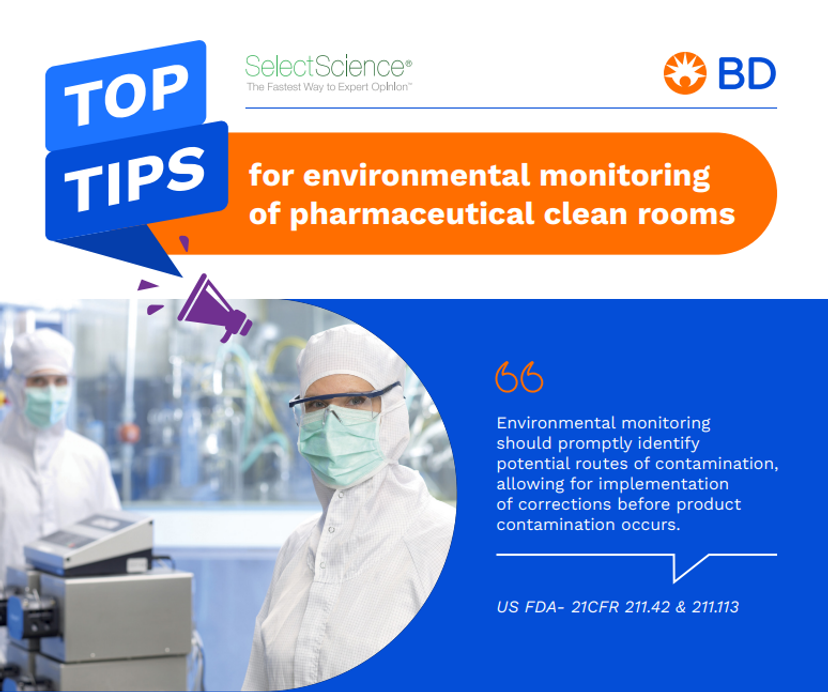
Environmental monitoring of pharmaceutical clean rooms is crucial to maintaining exceptional hygiene standards and ensuring the safety and efficacy of the final pharmaceutical product.
In this infographic, delivered in partnership with BD, gain practical insights on how to define your environmental control plan and methodology, considerations for regulatory compliance, and explore insights from fellow scientists exploring purchasing considerations for microbial monitoring plates.
Top tips include:
- Viable vs non-viable environmental testing methods
- How to define your environmental control plan and methodology
- Compliance with Food and Drug Administration (FDA) and European Medicines Agency (EMA)
- Key purchasing considerations for microbiological monitoring plates from an independent survey
Resource details:
- Document type: SelectScience infographic
- Page count: 1
- Read time: 2 mins
- Edition: 1st
Related products
Request Quote for All Products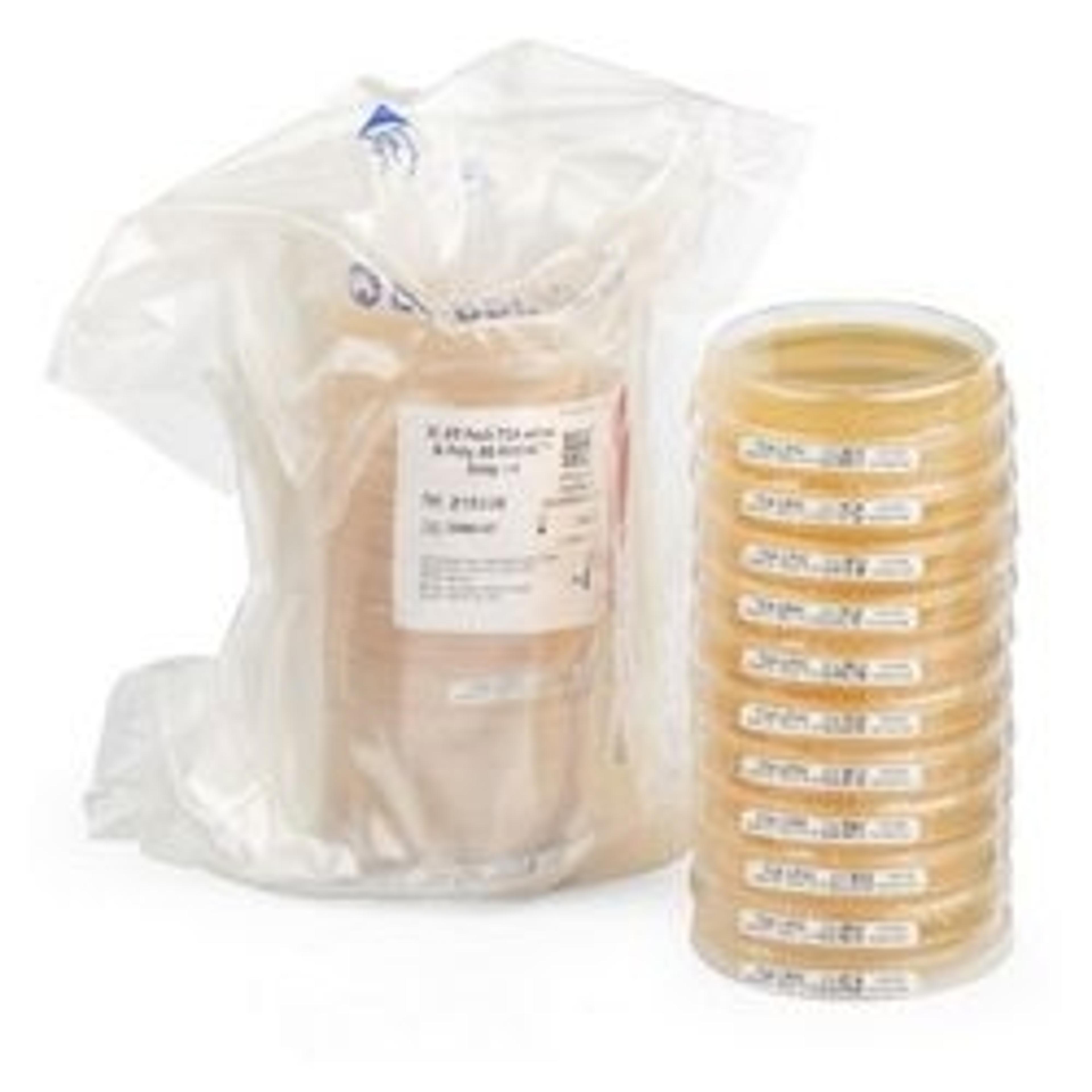
BD BBL™ IC-XT Pack Trypticase™ Soy Agar with Lecithin, Polysorbate 80, RODAC™ Snap Lid
BD Life SciencesBD Sterile Isolator Cleanroom eXtended Temperature (IC-XT) plated media with a validated SAL of 10-6 offer flexibility and sample integrity to meet today's environmental monitoring needs.
Frequently asked questions
What is environmental monitoring in pharmaceutical clean rooms?
Environmental monitoring is the process of evaluating air, surfaces, and personnel to assess contamination risks and support product quality within pharmaceutical manufacturing environments.
Why is environmental monitoring important in aseptic manufacturing?
Environmental monitoring helps identify potential routes of contamination and supports corrective actions before product contamination occurs.
What are the main types of clean room environmental monitoring?
Environmental monitoring programs typically include viable monitoring, such as air and surface sampling, and non-viable monitoring using particle counters.
How is air quality monitored in pharmaceutical clean rooms?
Air quality is commonly monitored using active and passive air sampling methods, including volumetric air samplers and settling plates.
What should laboratories consider when selecting microbiological monitoring media?
Key considerations include performance, shelf-life stability, room-temperature storage requirements, ease of use, and suitability for target microorganisms.
How do environmental monitoring programs support regulatory compliance?
Regulatory agencies such as the FDA and EMA expect pharmaceutical manufacturers to implement environmental monitoring programs that support aseptic processing and contamination control.