
The Evolution of Cell Culture with 3D Applications
The Evolution of Cell Culture with 3D Applications
30 Mar 2016This infographic from Corning Life Science looks at the benefits of 3D Cell cultures compared to 2D in cell research and drug discovery, and how it is advancing in both of these fields. Also shown is the equipment currently available for research in this area from Corning Life Science.
Related products
Request Quote for All Products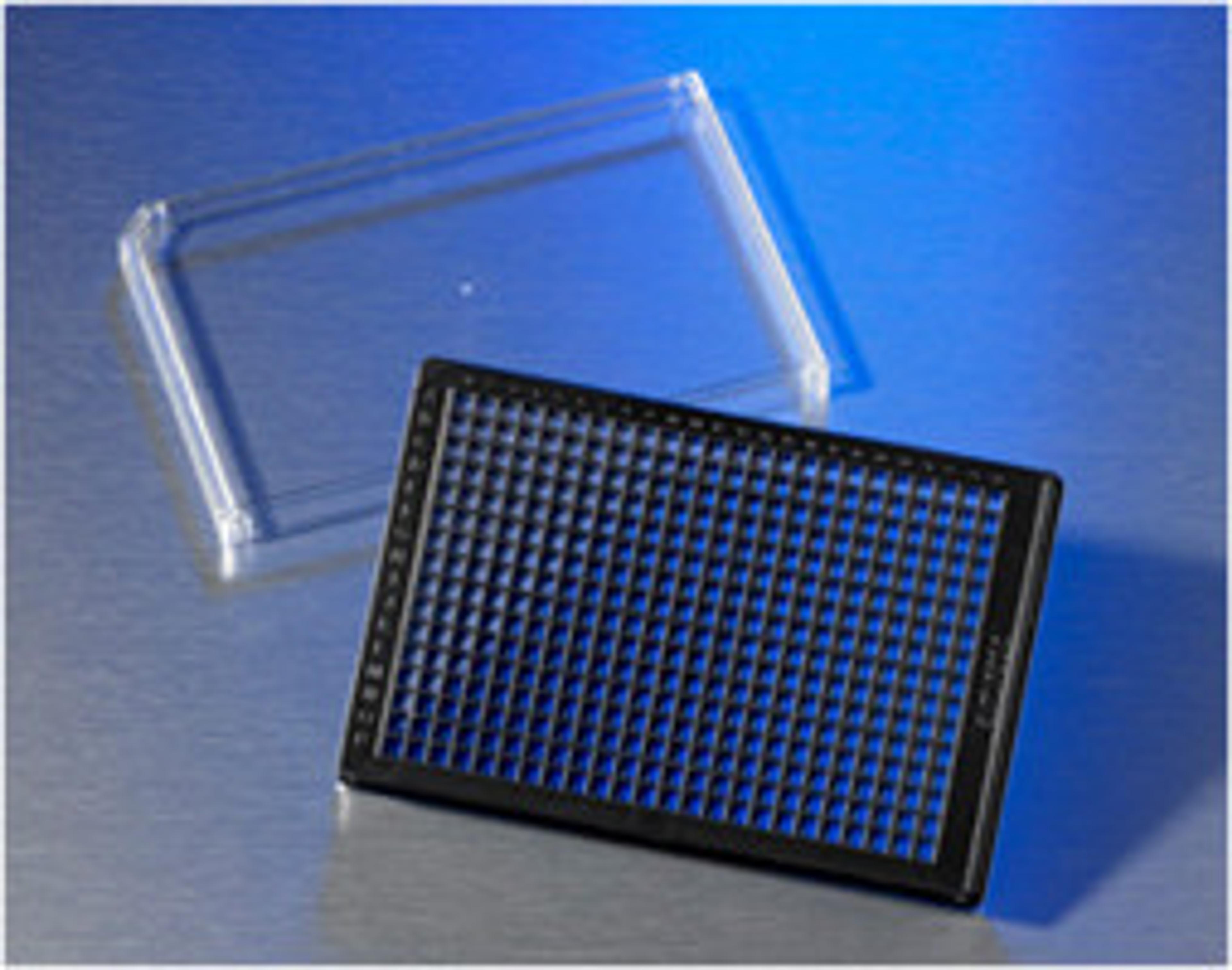
Corning® 384-well Black/Clear Round Bottom Ultra-Low Attachment Spheroid Microplate, Bulk Packed 10 per Bag, with Lid, Sterile
Corning Life SciencesUltra-Low Attachment microplates feature a covalently bound hydrogel layer that effectively inhibits cellular attachment Surface minimizes protein absorption, enzyme activation and cellular activation Surface is noncytotoxic, biologically inert and nondegradable Sterilized by gamma irradiation Black wall microplates have low background fluorescence, minimal light scatter and reduced crosstalk Opaque walls to prevent well-to-well crosstalk Can be used for both top and bottom reading instruments Bulk packed 10 per bag Novel well geometry aids formation of spheroids in center of well Optically clear round bottom with black opaque microplate body
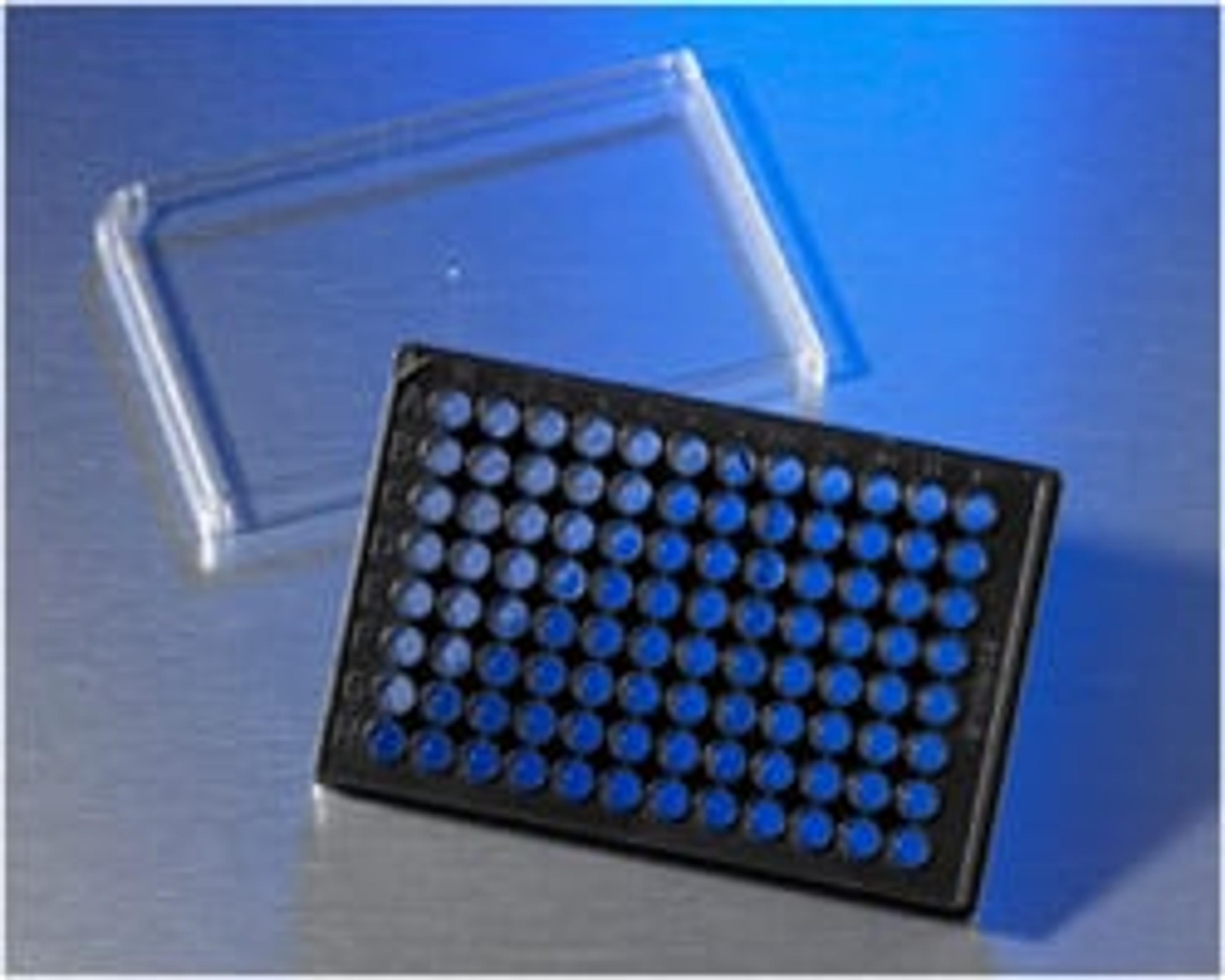
Corning® 96-well Black/Clear Round Bottom Ultra-Low Attachment Surface Spheroid Microplate, Bulk Packed, with Lid, Sterile, 10/Bag
Corning Life SciencesUltra-low attachment surface with covalently bonded hydrogel that minimizes cell attachment, protein absorption, enzyme activation and cellular activation The surface is noncytotoxic, biologically inert and nondegradable Round bottoms with 300 µL total volume Recommended working volumes of 0.075 to 0.30 mL Sterilized by gamma radiation Novel well geometry aids formation of spheroids in center of well Optically clear round bottom with black opaque microplate body
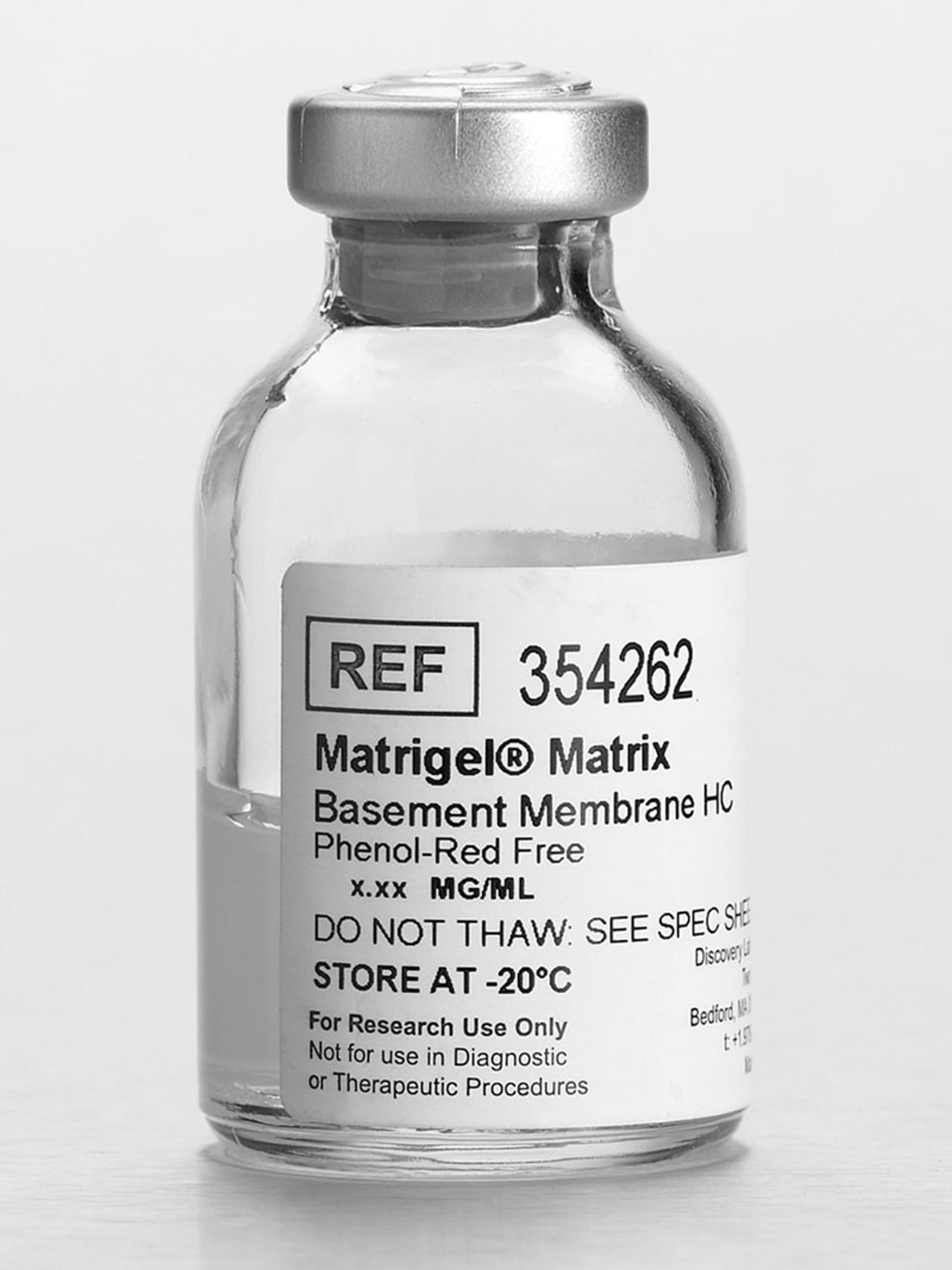
Corning® Matrigel® Matrix High Concentration (HC), Phenol-Red Free, LDEV-free, 10 mL
Corning Life SciencesCorning Matrigel matrix is a solubilized basement membrane preparation extracted from the Engelbreth-Holm-Swarm (EHS) mouse sarcoma, a tumor rich in extracellular matrix (ECM) proteins, including Laminin (a major component), Collagen IV, heparan sulfate proteoglycans, entactin/nidogen, and a number of growth factors.Preparation and StorageStore at -20°C. Avoid multiple freeze-thaws.SourceEngelbreth-Holm-Swarm Mouse TumorQuality Mouse colonies routinely screened for pathogens via Mouse Antibody Production (MAP) testing Extensive PCR testing is performed to screen for a number of pathogens Tested and found negative for bacteria, fungi, and mycoplasma Protein concentrations determined by Lowry method Endotoxin units measured by Limulus Amoebocyte Lysate assay Matrigel Matrix gel stability is tested for a period of 14 days at 37°C Biological activity is determined for each lot using a neurite outgrowth assay Application Cell Growth and Differentiation Metabolism/Toxicology Studies Invasion Assays in vitro and in vivo Angiogenesis Assays in vivo Angiogenesis Studies and Augmentation of Tumors in Immunosuppressed Mice For Customers in California only: WARNING Please refer to Safety Data Sheet (SDS) Section 15 for more information regarding California Proposition 65.