
The Determination of Major and Trace Elements in Milk using ICP-Q-MS

Speciation analyses allow for identification of differences between baby formulas and breastmilk

15 Sept 2016

Weylan Kiam-Laine
Microbiologist

Editorial article

Image credit: Shutterstock/ffolas

Milk is known worldwide as being a high source of Calcium and Potassium and contains essential elements such as iron, copper and zinc. ICP-Q-MS offers a powerful method for the determination of analytes in milk and milk products. This application note describes a method in which, the Thermo Scientific™ iCAP Q™ ICP-Q-MS was used, coupled with a Thermo Scientific ICS-5000 for subsequent speciation determinations, to determine these analytes.

Multi-elemental analysis of milk can determine whether milk is meeting the expected nutritional requirements or is lacking either due to regional soil deficiencies in the case of cow milk or poor diet in the case of breast milk. Alternatively, the analysis of trace elements that are toxic in nature can alert us to the possible risk of contamination in milk.

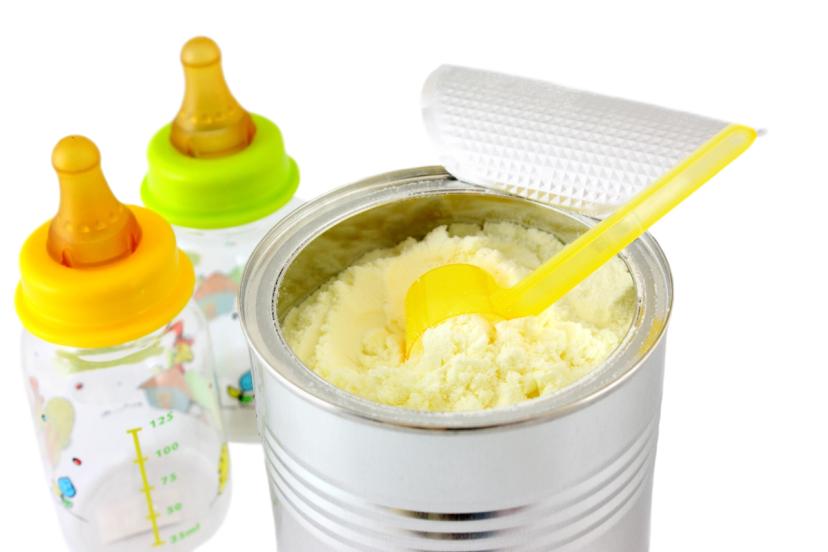
As the sole source of nutrition for young babies and as a major constituent of the diet for older babies and toddlers, nutritionists are also eager to investigate the differences in bioavailability of some of the essential elements. As bioavailability is dependent on the chemical form of the element, speciation analysis is perceived as the most promising approach to identifying the differences between various types of milk samples.

To find out more, download the method here.

Tags

Mass SpectrometryMass spectrometry (MS) is a powerful analytical technique used to identify and quantify molecules based on the mass-to-charge ratio of gas-phase ions. It provides detailed information about the structure, composition, and properties of compounds and is widely used across fields such as environmental monitoring, materials science, drug discovery and development, food and beverage testing, and wider chemical research. Key MS techniques include tandem mass spectrometry (MS/MS), liquid chromatography–mass spectrometry (LS-MS) and inductively coupled plasma (ICP-MS). Choosing from these wide range of techniques and technologies can be a daunting task, so keep up to date with scientific applications, performance expectations, and customer reviews here all in one place. Visit our product directory to receive quotes direct from the manufacturer. Food and Beverage ProcessingFood and Beverage Processing involves the preparation of food products for further analysis. Typical instrumentation includes blanchers, color sorters, cookers, grinders, and refrigeration. These are used to replicate the processes commonly used in the commercial preparation of food and beverages.MilkMilk is a dairy product that contains lactose. It is consumed by infant mammals to provide nutrients from the mother. In 2008, the Chinese milk scandal saw the unlawful adulteration of powdered milk with melamine.Food TestingFood testing refers to a variety experiments including PCR, mass spectrometry, processing, QuEChERS, analyzing and Kjeldahl.Food ContaminationFood contamination refers to the presence of harmful substances or pathogens in food, posing risks to human health. Contaminants can be biological, chemical, or physical, and their detection is crucial for ensuring food safety. Advanced testing methods like PCR, chromatography, and spectroscopy are used to identify contaminants in food products. Browse our peer-reviewed product directory to find the best solutions for food contamination detection, compare products, check reviews, and get pricing directly from manufacturers.ICP-MSInductively Coupled Plasma Mass Spectrometry (ICP-MS) is a powerful analytical technique used to determine the concentrations of elements and their isotopes in a variety of samples, including water, soil, and biological tissues. It involves ionizing elements in the samples with extremely high-temperature Argon (Ar) plasma and then using a mass spectrometer to measure the number of ions based on their mass-to-charge ratio (m/z). Explore ICP-MS systems in our peer-reviewed product directory; compare products, check reviews, and get pricing directly from manufacturers.SpeciationFood QualityFood quality refers to the attributes of food that influence its safety, nutrition, and taste. Monitoring and ensuring food quality are essential in production to meet health regulations and consumer expectations. Techniques like spectroscopy, chromatography, and microbial testing are used to assess food properties and detect contaminants. Browse our peer-reviewed product directory to find food quality testing solutions; compare products, check reviews, and get pricing directly from manufacturers.Beverage AnalysisBeverage analysis involves testing and evaluating the composition, quality, and safety of drinks, from alcoholic beverages to soft drinks. Techniques like chromatography and spectroscopy are commonly used to analyze flavors, nutrients, contaminants, and additives. Browse our peer-reviewed product directory to find the best beverage analysis tools, compare products, check reviews, and get pricing directly from manufacturers.