
Quantitative analysis of colorectal adenocarcinoma images
17 Jun 2024Understanding the tumor microenvironment is particularly important for oncology studies. RareCyte demonstrates how the Orion™ spatial biology platform has been used to investigate a sample of invasive colorectal adenocarcinoma using whole slide, single-step high-plex staining and imaging at single-cell resolution followed by quantitative analysis. The data reveal a distinction between normal colonic epithelium, well-differentiated adenocarcinoma with immune cell collection, and an infiltrating border of the carcinoma. These data also highlight the importance of sufficient plex, resolution and whole slide context to derive reliable spatial biomarkers of potential prognostic value.
Related products
Request Quote for All Products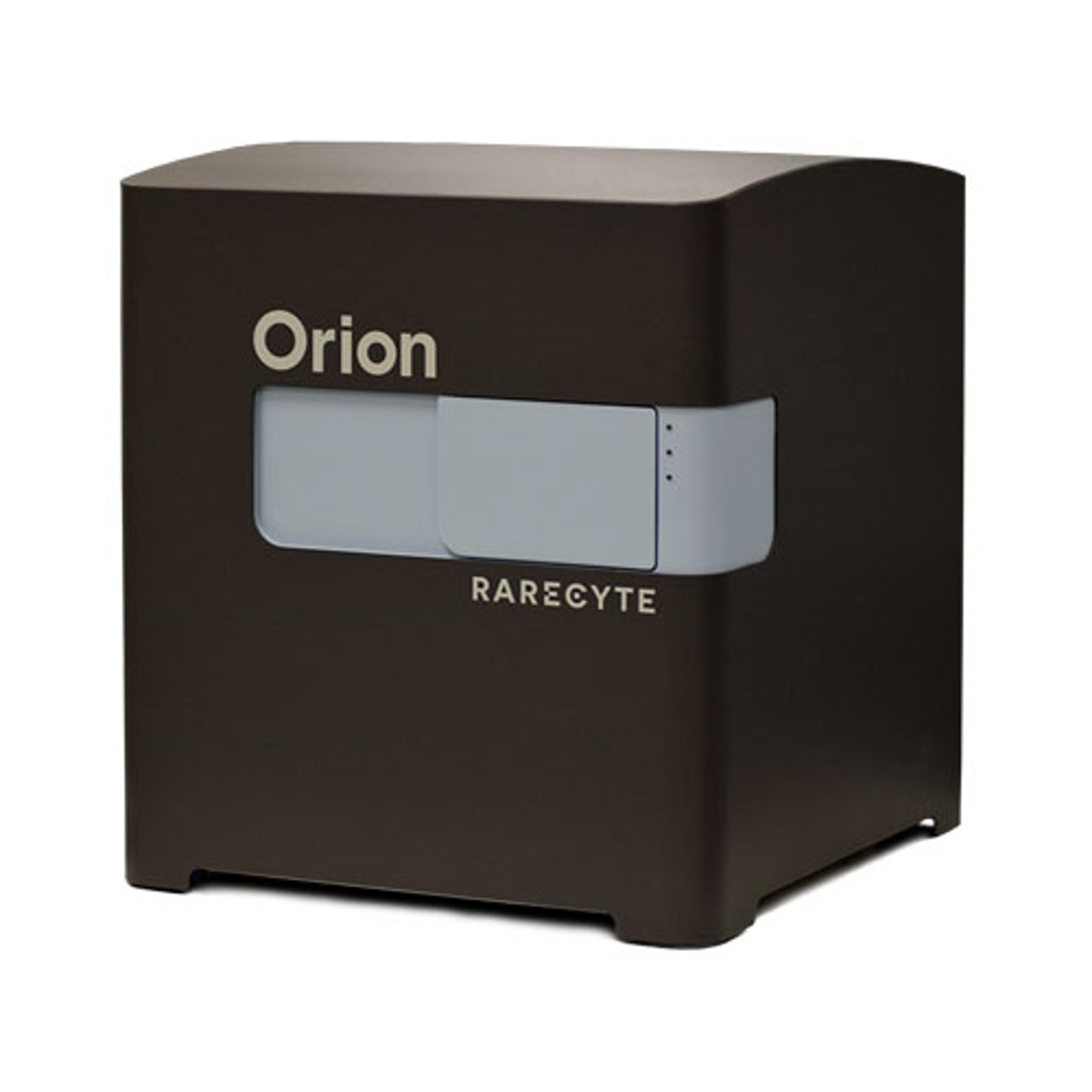
Orion Multiplex Imaging Instrument
RareCyte, IncThe Orion Platform delivers spatial biology and cellular phenotyping at a speed and resolution needed for translation from research to the clinic. It utilizes single round immunofluorescence staining and imaging of standard FFPE or fresh frozen tissue to deliver subcellular quantitation of biomarker targets across a whole slide in only a few hours. Combining speed and resolution with the additional benefits of industry-standard H&E and IHC modes, comprehensive phenotypic profiling of patient cohorts can be generated for characterization of tissue architecture, tumor heterogeneity, and the immune response. Use your own antibodies, run panels from an extensive biomarker list, or engage RareCyte services for custom panels and programs.