
ResourceGeneral Lab
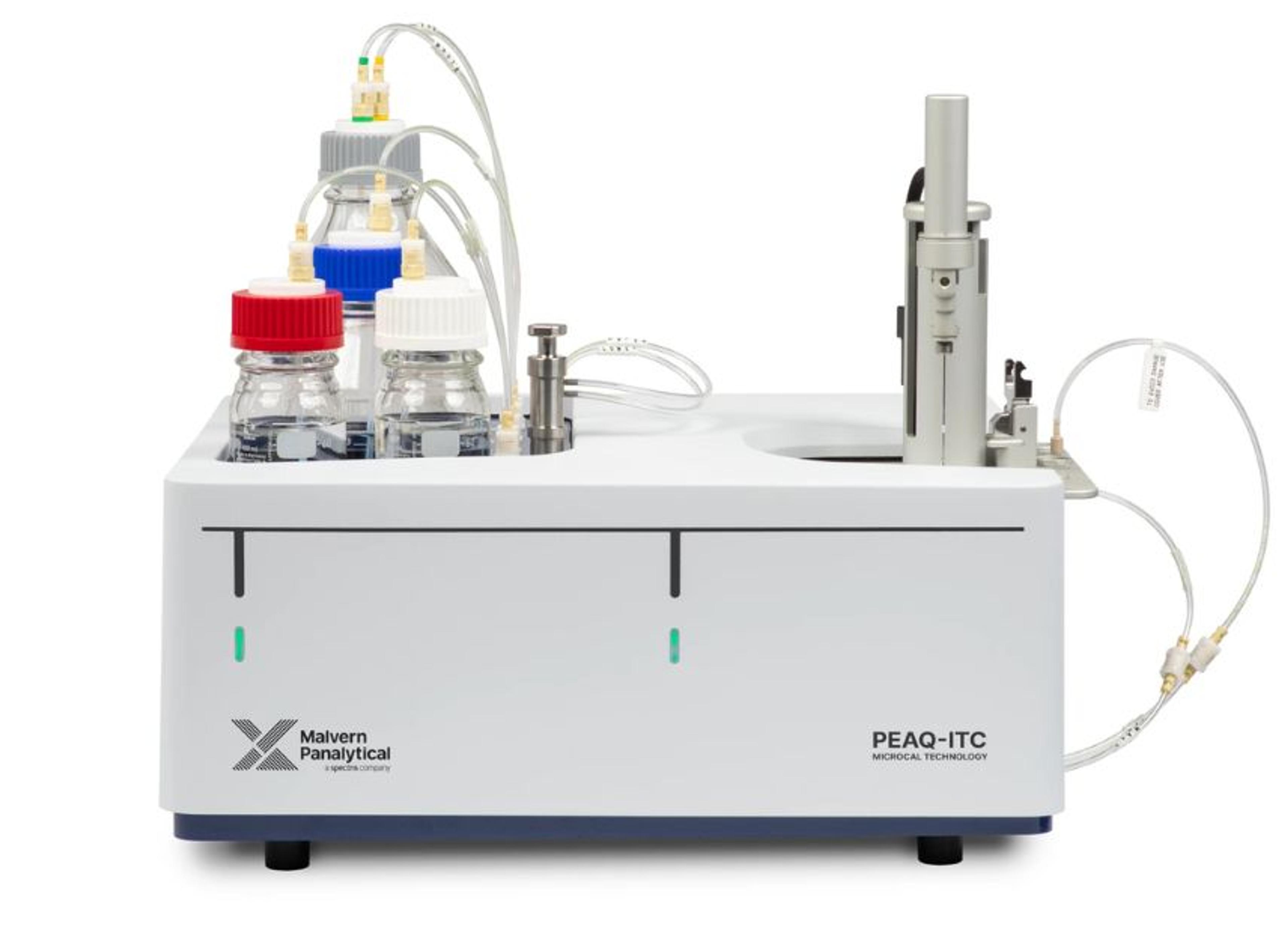
Practical Tips for MicroCal PEAQ-ITC Experiments
Troubleshooting and additional help to maximize performance
14 Feb 2018In this application note, practical tips are provided for scientists conducting Isothermal titration calorimetry. These tips pertain to things such as:
- The removal of bubbles
- Residual solution in the ITC cell
- Remaining sample solution in a cell reservoir
- Importance of cleaning the cell reservoir and pipette retaining nut
- Washing and rinsing error troubleshooting
Related products
Request Quote for All Products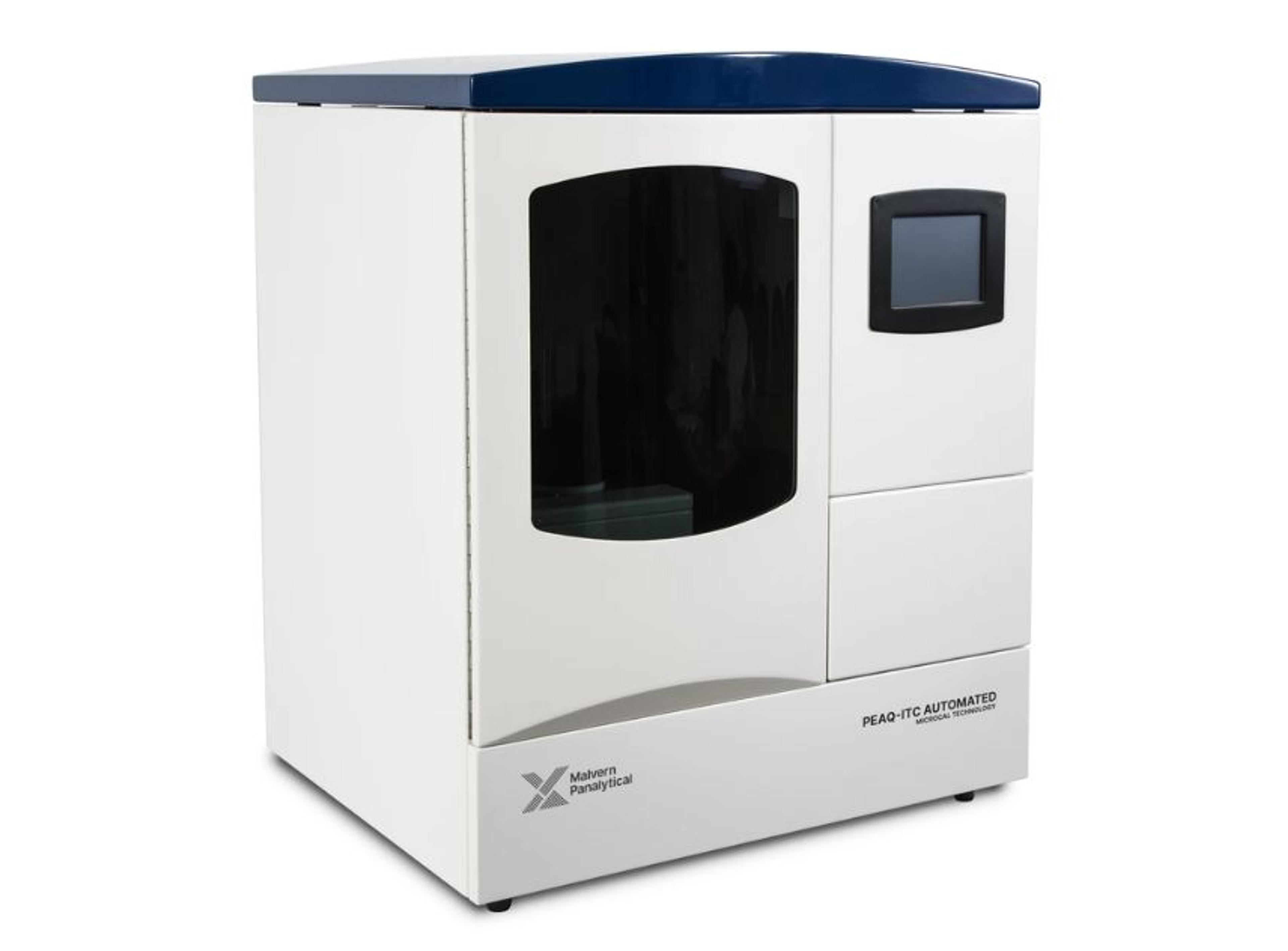
MicroCal PEAQ-ITC Automated
Malvern PanalyticalHigh productivity measurement of multiple binding parameters.
Links
Tags
CalorimetryCalorimetry is a technique used to determine the heat released or absorbed in a chemical reaction. Calorimeters can be categorized into bomb calorimeters, constant pressure calorimeters, differential scanning calorimeters, isothermal titration calorimeters, X-ray microcalorimeters, heat-loss calorimeters, and high-energy particle calorimeters. The choice of calorimeter depends on the application.TitrationTitration is an analytical technique for determining substance concentration in a solution. For titration consider a manual or automated system, volumetric or coulometric reagent addition and indication by a potentiometer, spectrometer, turbidometer or by the Karl Fischer method. Other features of titration to consider include burettes, reagents, concentration range, reaction time and autosamplers.