ResourceLab Automation
Percepta flyer
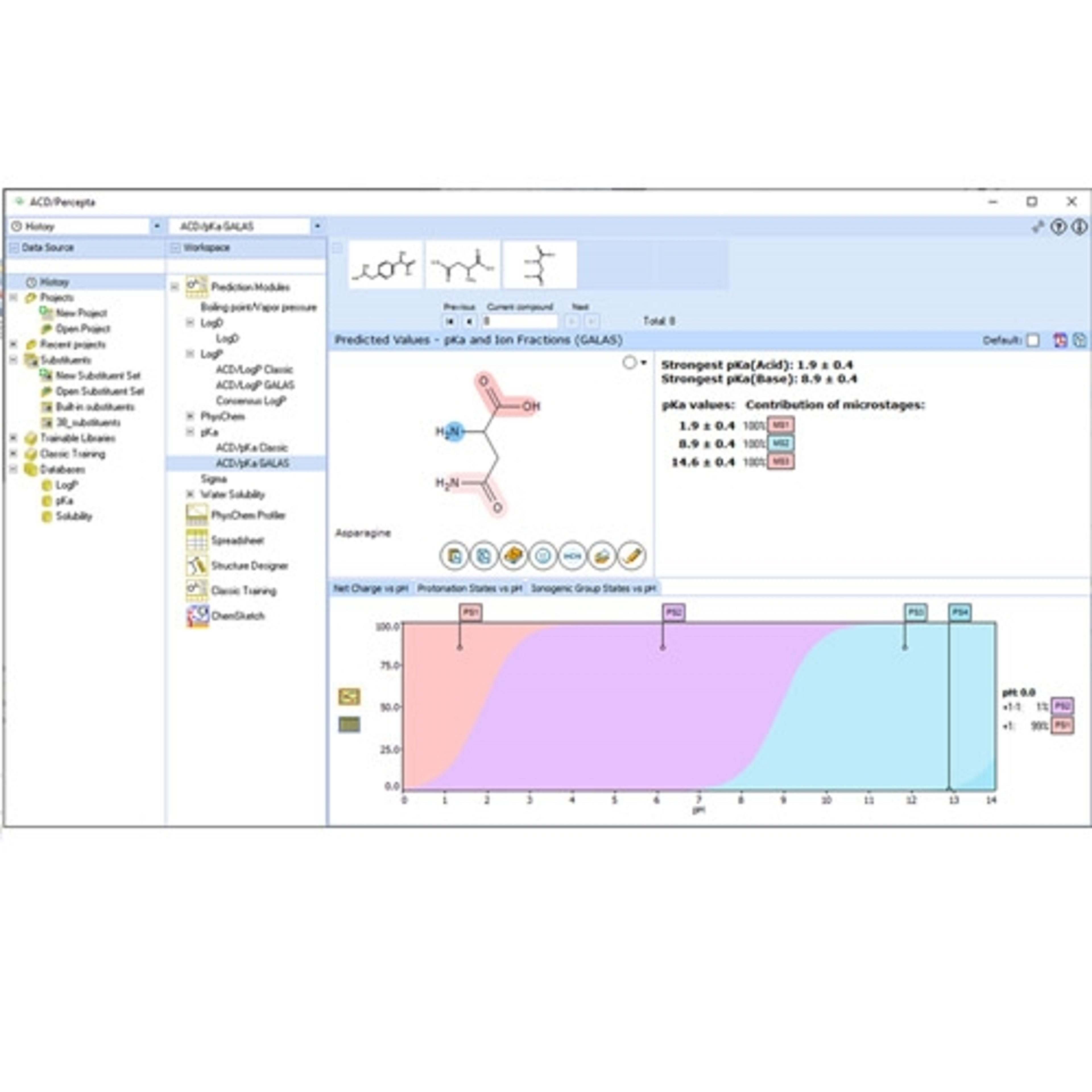
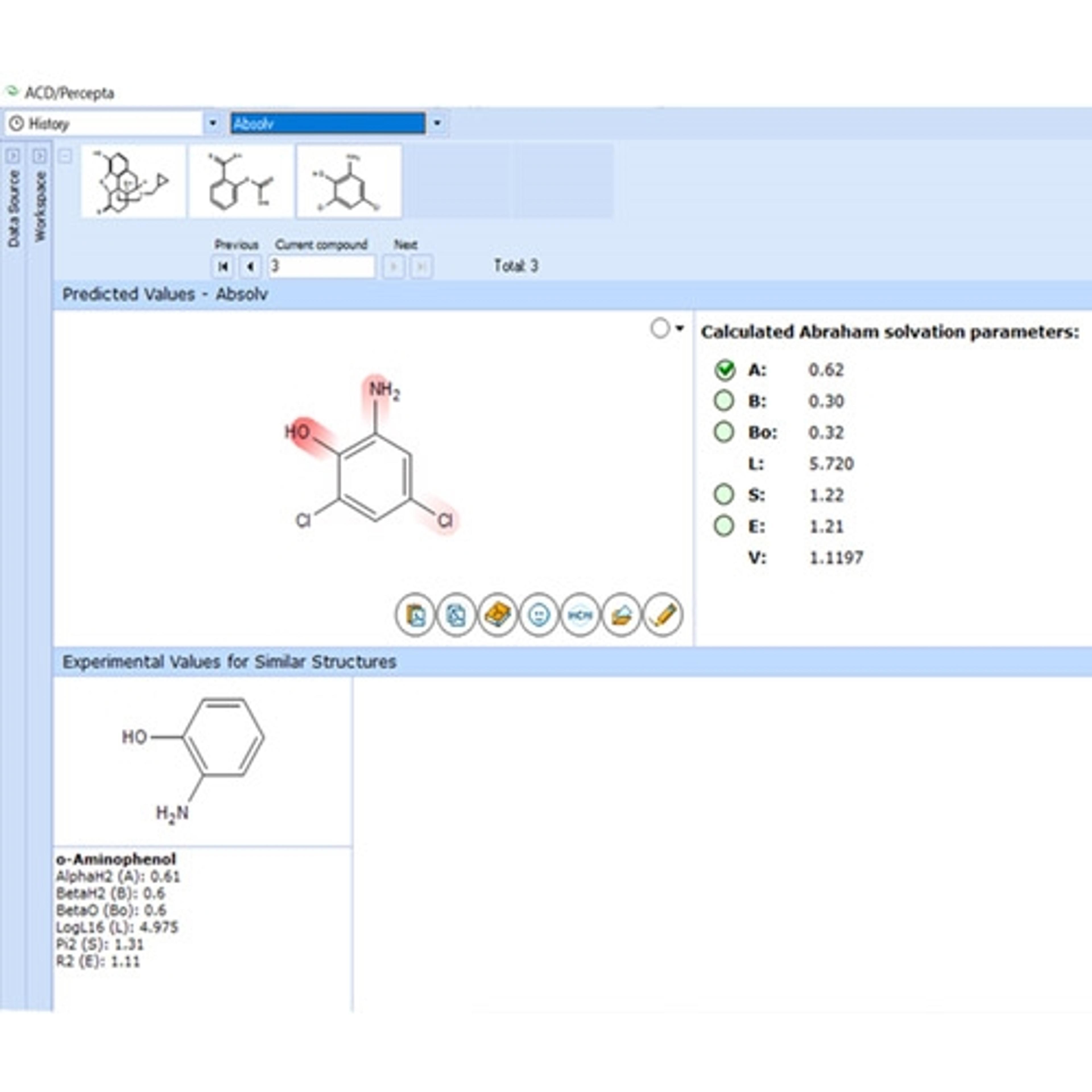
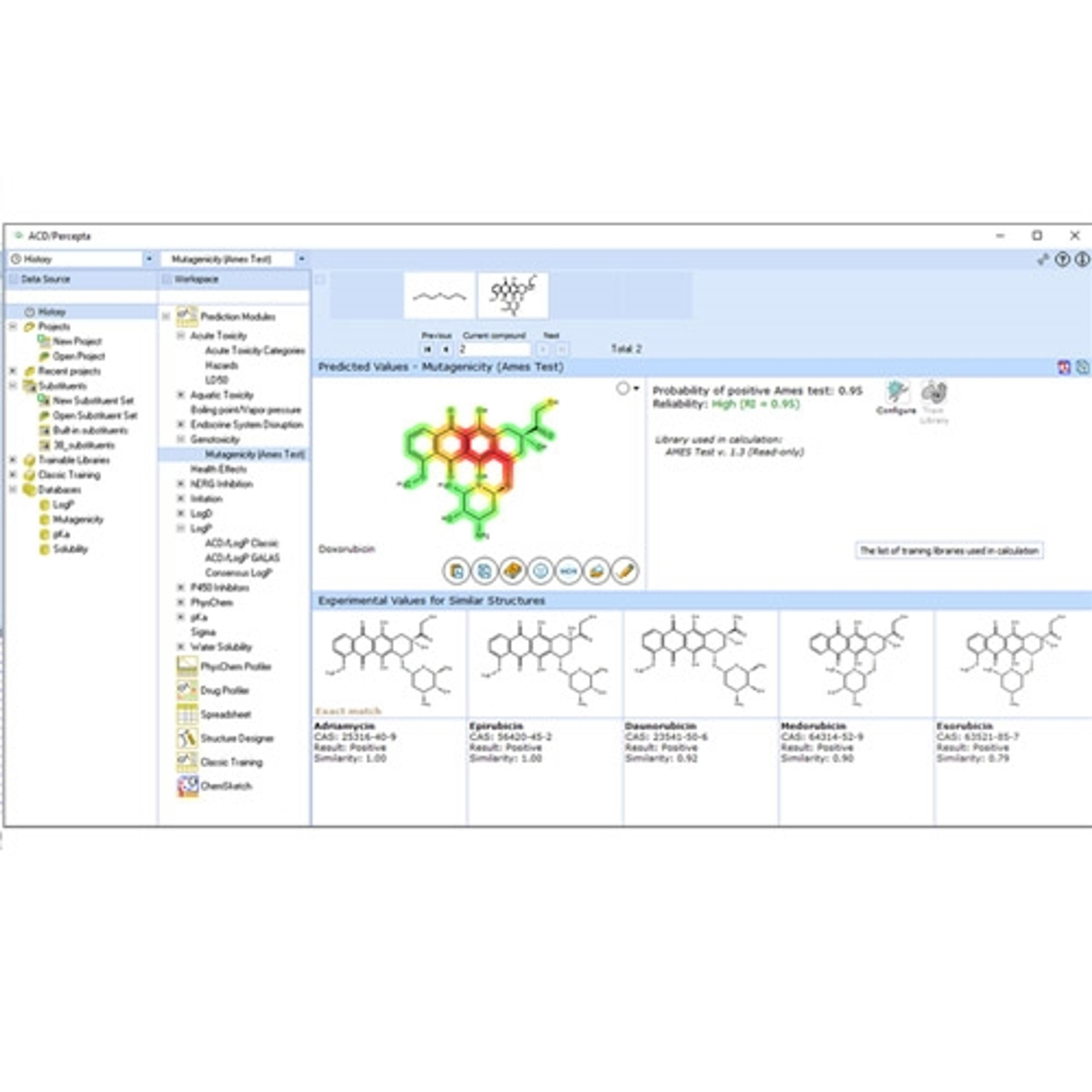
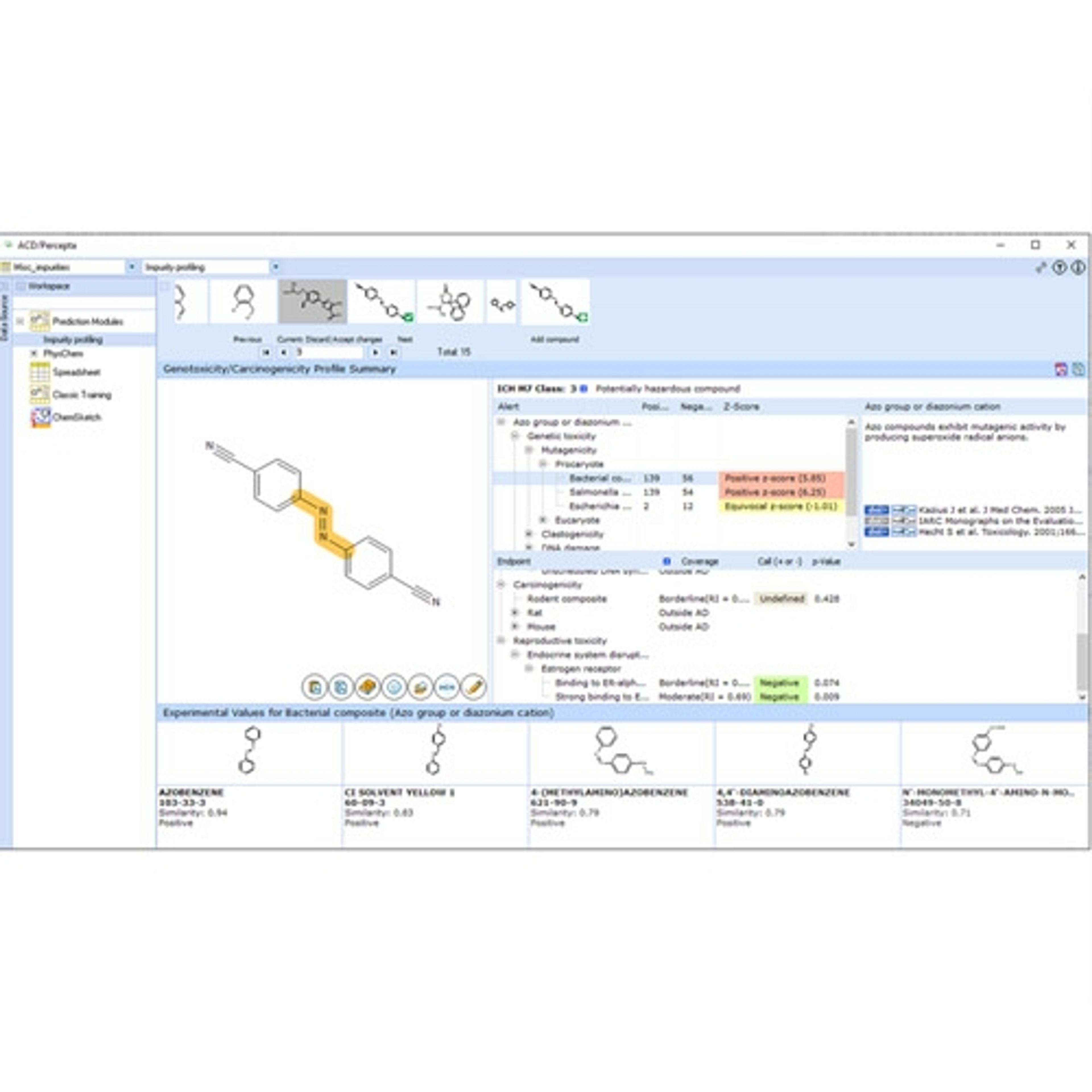
4 Jun 2025In this flyer, ACD/Labs demonstrates the Percepta™ Platform, which offers a portfolio of software suites to predict and manage physicochemical, ADME, toxicity, and other molecular property data.
Resource details:
Resource type: Product brochure
Page count: 2
Read time: 3 mins
Links
Tags
Data AnalysisData analysis hardware and software is available to make data processing straight-forward yet powerful. Data software can be used for math and stats, technical graphing and image analysis. In addition, software is available for specific data analysis of electrophoresis, densitometry, ELISA and DNA sequencing.ADME-ToxicologyADME-toxicology (ADME-Tox) studies are used in pharmacology and pharmacokinetics to assess the activity/toxicity of drugs <i>in vivo</i> or <i>in vitro</i>. Find bioassays for absorption, distribution, metabolism, and excretion of drug molecules including cytotoxicity, transporter/permeability, metabolism and activity assays as well as hepatocytes and cell lines for ADME. Find the best ADME-toxicology products in our peer-reviewed product directory: compare products, check customer reviews and receive pricing direct from manufacturers.Drug DiscoveryDrug discovery is the process of identifying potential new medications, involving stages such as target identification, compound screening, and preclinical development. It relies on cutting-edge technologies like high-throughput screening, artificial intelligence, and molecular modeling to accelerate the identification of drug candidates. Drug discovery plays a pivotal role in developing new therapies for diseases ranging from cancer to rare genetic disorders. Browse our peer-reviewed product directory to find the latest drug discovery technologies, compare options, check customer feedback, and get pricing directly from manufacturers.ToxicologyLead OptimizationLead optimization is a phase in the drug discovery process. A lead is a compound that has demonstrated desired biological effects on a target. Optimization involves making chemical modifications to the structure in order to generate analogues of the original compound, which have higher potency and safety profiles.