
Nanoscale imaging of cell-to-cell communication in the heart with super-resolution microscopy
18 Jul 2023Here, Bruker highlights Dr. Rengasayee "Sai" Veeraraghavan's research. Despite recent advances in cardiac healthcare, there are still about a half million deaths every year resulting from cardiac arrhythmia in the United States alone. A critical component of heart health is proper cell-to-cell communication via electrical signaling, a phenomenon that Dr. Veeraraghavan has been committed to researching long before his current role at The Ohio State University. During his Ph.D. studies, Dr. Veeraraghavan conducted high-speed imaging of whole hearts, labeling cardiac cells with voltage sensitive dyes and visualizing the propagation of electrical currents. This work resulted in both answers and more questions about how heart cells communicate, which led him to his first postdoc in mathematical modeling of heart signaling. It was during this experience that he realized the phenomenon occurred on a range of scales, from ~10 nanometers to one micron, and that data was lacking for many of the nanoscale structural properties that needed to be incorporated into the model.
Related products
Request Quote for All Products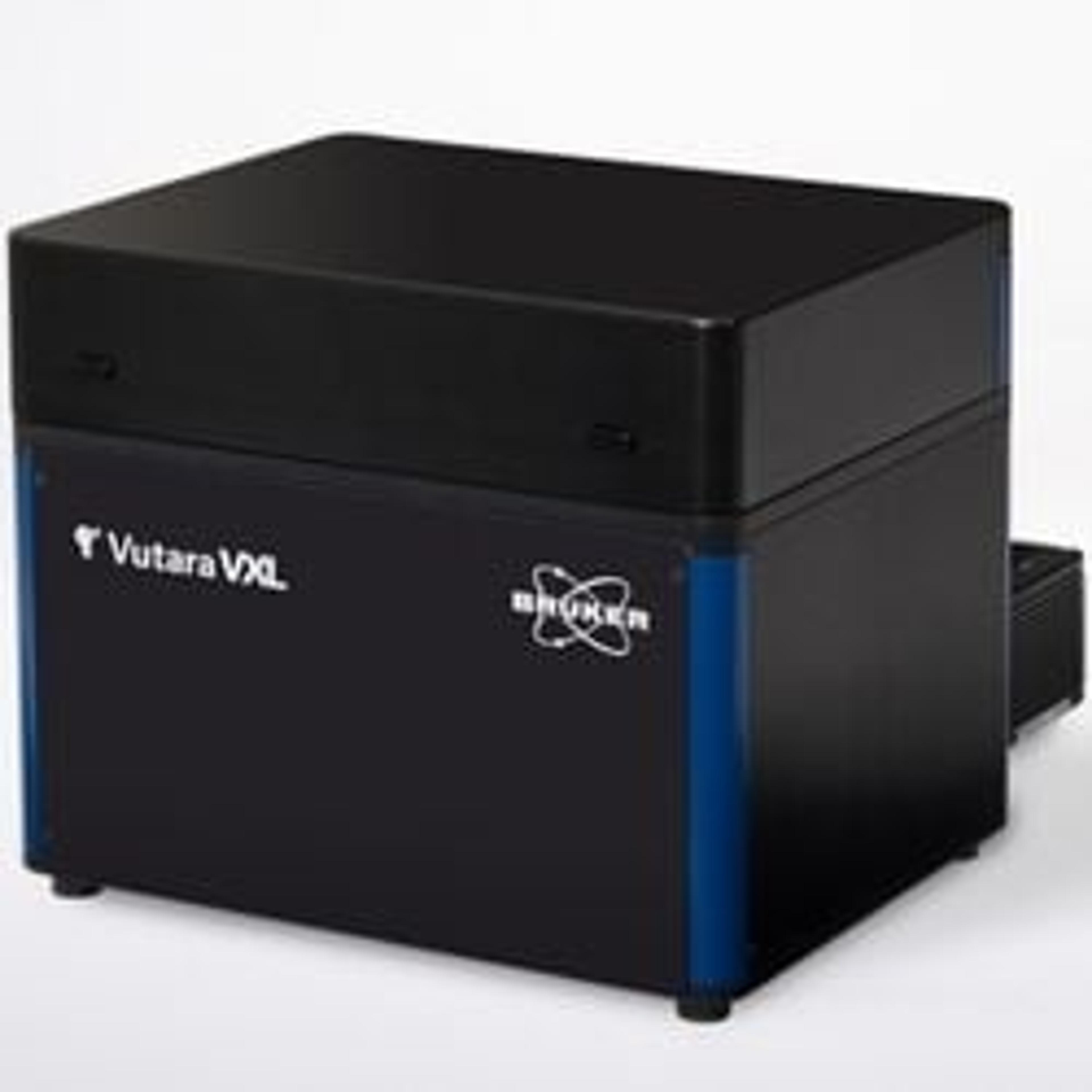
Vutara VXL
Bruker Fluorescence MicroscopyThe Vutara VXL comprehensive biological workstation for nanoscale biological imaging incorporates Bruker’s industry-leading single-molecule localization microscopy (SMLM) technology in a streamlined system with a compact footprint. The new system enables research on DNA, RNA, and proteins and supports advanced spatial biology research. When combined with Bruker’s unique microscope fluidics unit, Vutara VXL enables multiplexed imaging for targeted, sub-micrometer multiomics.