
Multiplexing LI-COR® IRDye® 680LT and IRDye® 800CW Using the G:BOX Chemi and PXi Imaging Systems from Syngene
29 Apr 2015This application note demonstrates that users can successfully multiplex between LI-COR dyes IRDye 680LT and IRDye 800CW using Syngene’s G:BOX Chemi and PXi imaging systems. One of the main advantages of using a G:BOX Chemi and PXi system is the faster imaging exposure times compared to that of the Odyssey Infrared Imager and also that the G:BOX Chemi and PXi systems offer great versatility enabling the imaging system to be used for a variety of different applications.
Related products
Request Quote for All Products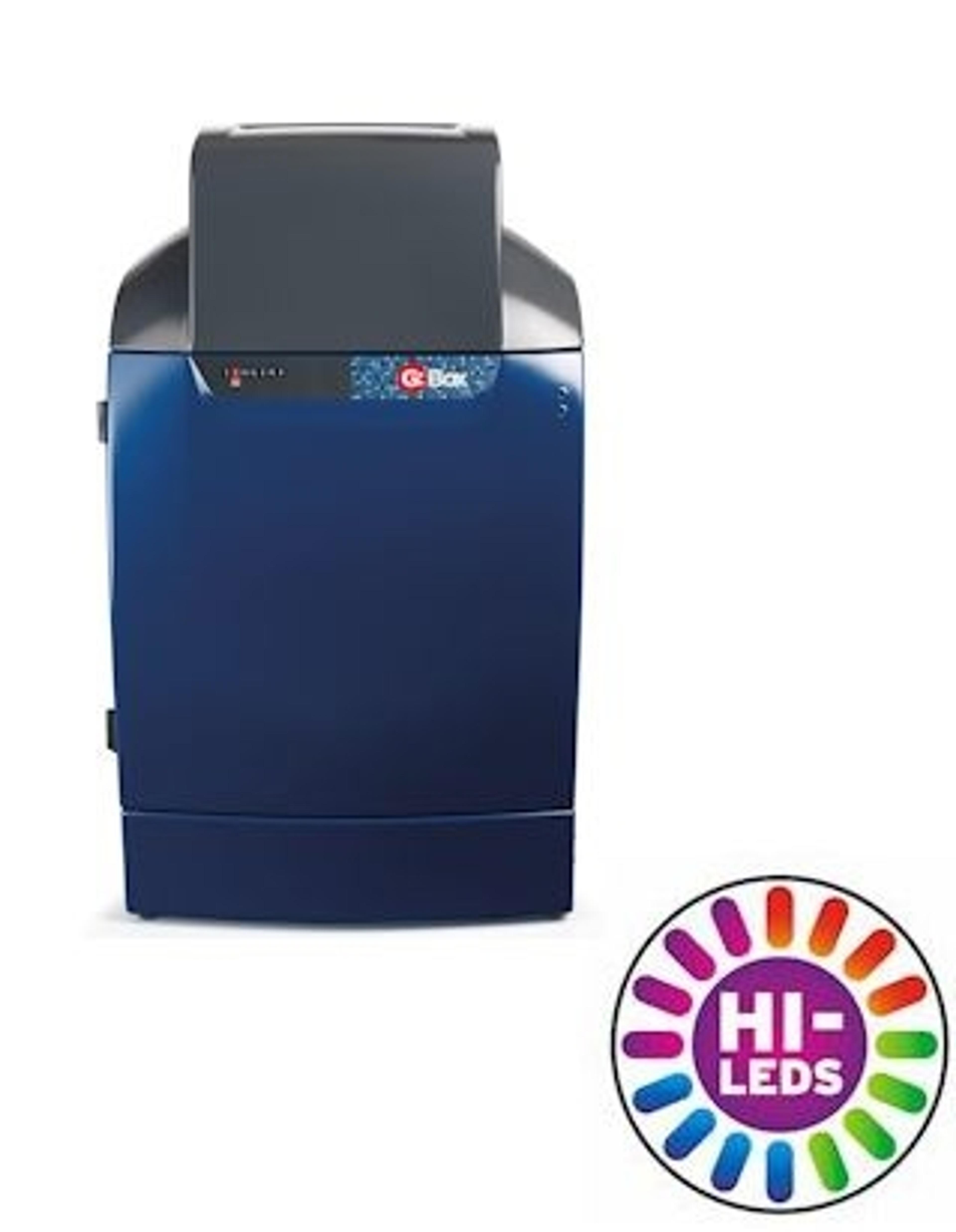
G:BOX Chemi XT4
SyngeneFor high performance imaging, the new generation of G:BOX Chemi gel doc systems provide the user with an extended range of applications covering fluorescence and chemiluminescence. All these systems now utilise Syngene’s groundbreaking GeneSys automatic control software. Driven from a database containing hundreds of capture protocols, full manual control is available should you wish to use it. The G:BOX Chemi series features cameras with resolutions of 4m, 6m or 9m pixels. All have cooling which reduces the small amount of electronically generated noise to produce outstanding images with minimal background interference. These new generation cameras also have higher quantum efficiencies (QE) than most, helping the system to achieve outstanding levels of sensitivity. Whether using the system for standard fluorescence applications such as DNA, or for chemiluminescence imaging, the G:BOX Chemi will give you high quality results. In addition, by using the optional LED modules users can work with a unique automated multiplexed function capable of using up to 5 channels. Other LED modules can be used to turn the G:BOX Chemi into a highly sensitive IR capture system. An edge lighting option can also be used for 2D gel capture including the use of DIGE gels. The stylish design with modular construction includes motor-driven lenses, filter wheels with the option of including a range of lighting choices for both Epi and transillumination applications. Syngene has just introduced the new high intensity HI-LEDs option for the G:BOX range, resulting in superior imaging performance for your fluorescence applications. Check the status of an image capture and access your recently captured images from any computer, smartphone or tablet on the same network as G:BOX Chemi XT4 gel doc system using the new "Status Link" feature. This is ideal for any busy laboratory. The system comes complete with unlimited copies of GeneTools analysis software.