
Imaging Cells in Flow with Andor Technology

16 Dec 2014

Imaging fluorescence in moving cells is fundamentally challenging because the exposure time is constrained by motion-blur, which limits the available signal. A team at Harvard University has developed a method that enables fluorescence imaging of fluorescently labeled cells traveling at high linear velocities in fluids. This method uses the Neo 5.5 and the Zyla 5.5 cameras from Andor, which offer a large field of view and high resolution without compromising read noise or frame rate.
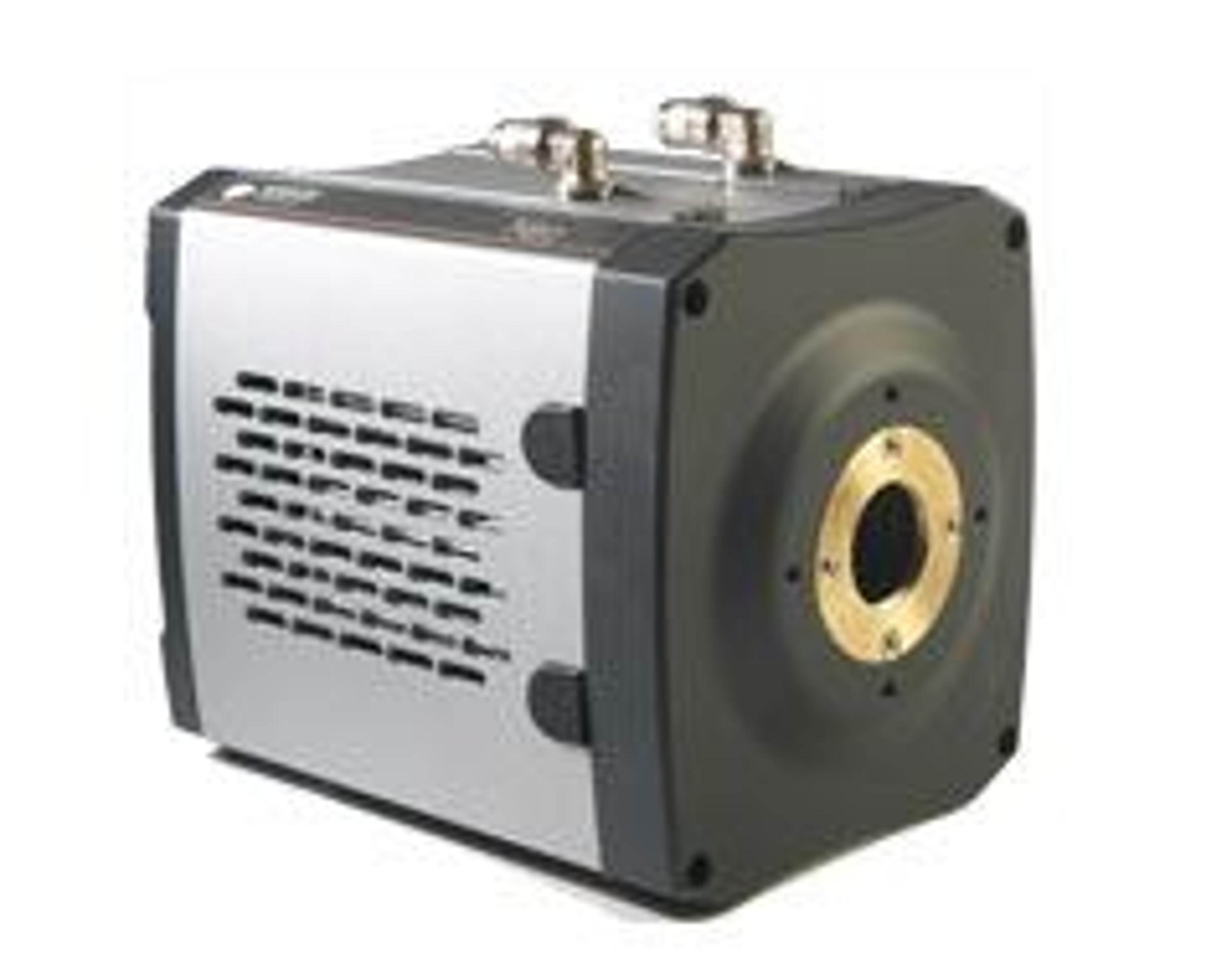
Neo 5.5 - sCMOS Camera

Oxford Instruments Andor

The Neo sCMOS Camera platform has been conceptualised and specifically engineered to harness the full performance potential of this new and exciting sensor technology. Unlike any CCD or CMOS camera to come before, Neo is unique in its ability to simultaneously offer ultra-low noise, extremely fast frame rates, wide dynamic range, high resolution and a large field of view. Neo breaks new boundaries in offering an exceptionally low read noise of 1 e- rms without the need for signal amplification technology. 100 frames/s can be reached with full frame readout, faster with region of interest selection. In Neo, these speeds are uniquely coupled to a dynamic range capability of 30,000:1 with 16-bit digitization.

(0)

Links

Tags

Imaging Cells in Flow with Andor Technology