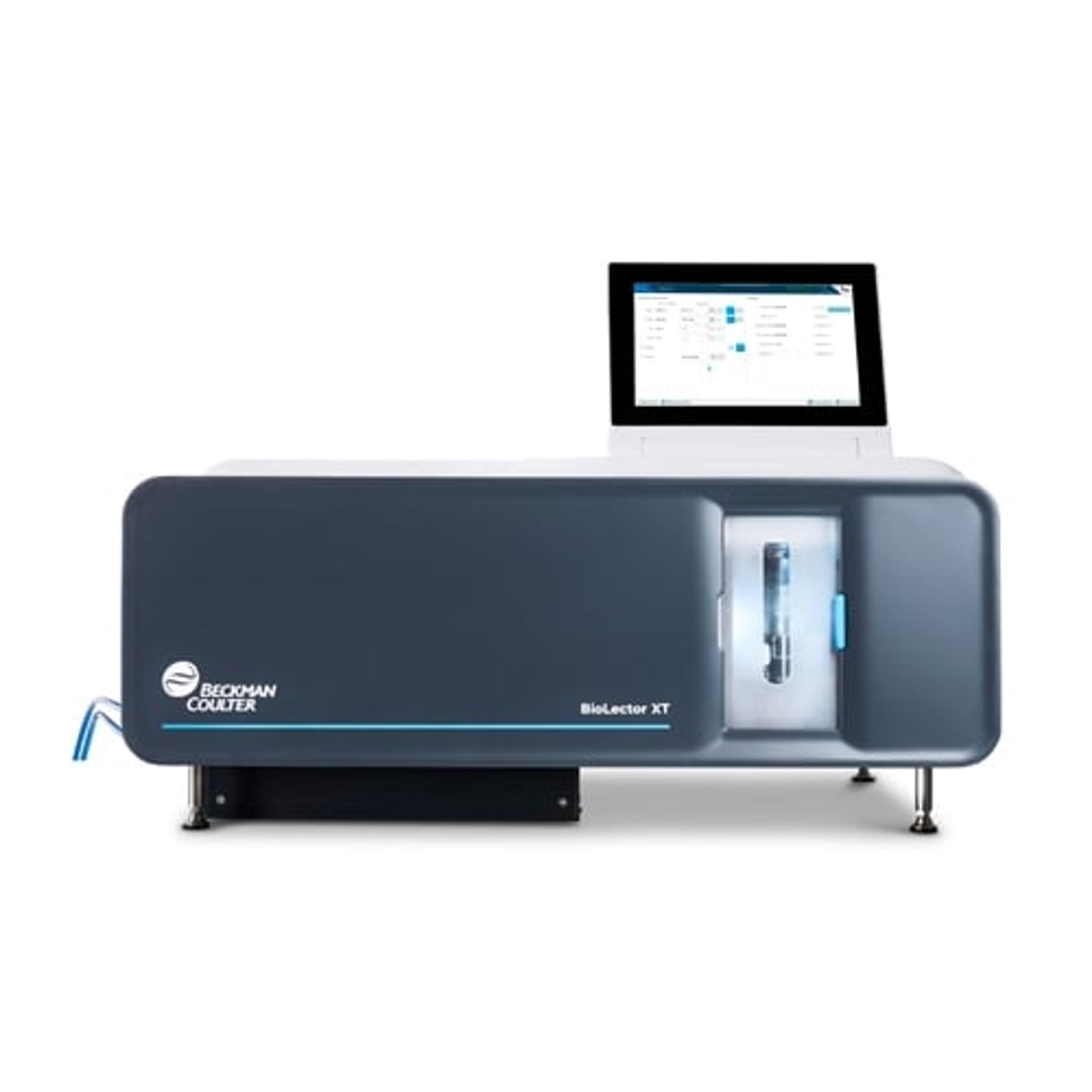
Expert tools and approaches for challenging microbial research

In this expert guide, discover how to effectively overcome common microbial bottlenecks, optimize workflows, and consistently generate high-quality results

10 Apr 2023

Microbial research is a complex area of science, which often presents researchers with a range of multifaceted challenges to overcome. Microbes reside within many extreme environments, from boiling/freezing temperatures and ocean bottoms to hypersaline lakes, and alike. Despite the complexities involved, microbial research of this nature is vital and is a major determinant of human health, nutrition, agriculture, energy, and the overall environment.

In this expert guide, discover how to effectively overcome common microbial bottlenecks, optimize workflows, and consistently generate high-quality results.

The eBook will also explain:

  • How to explore microorganisms in more detail than ever before
  • How to effectively cultivate high oxygen-demanding microorganisms

Links

Tags

MicrobiologyMicrobiology is the study of microorganisms including protists, prokaryotes, fungi, and, often, viruses. Microorganisms are a useful research tool as genetic vectors and, in immunology, for antibiotic susceptibility testing, cellular biology and genetics. Microorganisms commonly grow readily in incubators with microbial culture media; this can contain chromogenic supplements to differentiate between cell lines. Estimate your culture’s density of microorganisms with colony counters, or screen and select colonies for desirable clones with automated colony pickers. Additionally, equipment is available to monitor environments for the presence of microbes and identify with microbial identification instruments. Find the best microbiology products in our peer-reviewed product directory: compare products, check customer reviews and receive pricing direct from manufacturers.Food and Beverage AnalyzersFood and Beverage Analyzers are commonly used to provide information about the chemical composition, structure and physical properties of food materials.Microbial DetectionMicrobial detection is crucial for identifying and quantifying bacteria, viruses, fungi, and other microorganisms. This process is essential for food safety, environmental monitoring, clinical diagnostics, and pharmaceutical manufacturing. Explore the best microbial detection tools in our peer-reviewed product directory; compare products, check reviews, and get pricing directly from manufacturers.AntimicrobialsMicrobiology ConsumablesFood ContaminationFood contamination refers to the presence of harmful substances or pathogens in food, posing risks to human health. Contaminants can be biological, chemical, or physical, and their detection is crucial for ensuring food safety. Advanced testing methods like PCR, chromatography, and spectroscopy are used to identify contaminants in food products. Browse our peer-reviewed product directory to find the best solutions for food contamination detection, compare products, check reviews, and get pricing directly from manufacturers.Environmental ContaminationContaminants in the environment are harmful chemicals that are present in the air, land and water. These include pesticides, pharmaceuticals, persistent organic pollutants (POPs) and many more.Fuel and EnergyBiofuel
Expert tools and approaches for challenging microbial research