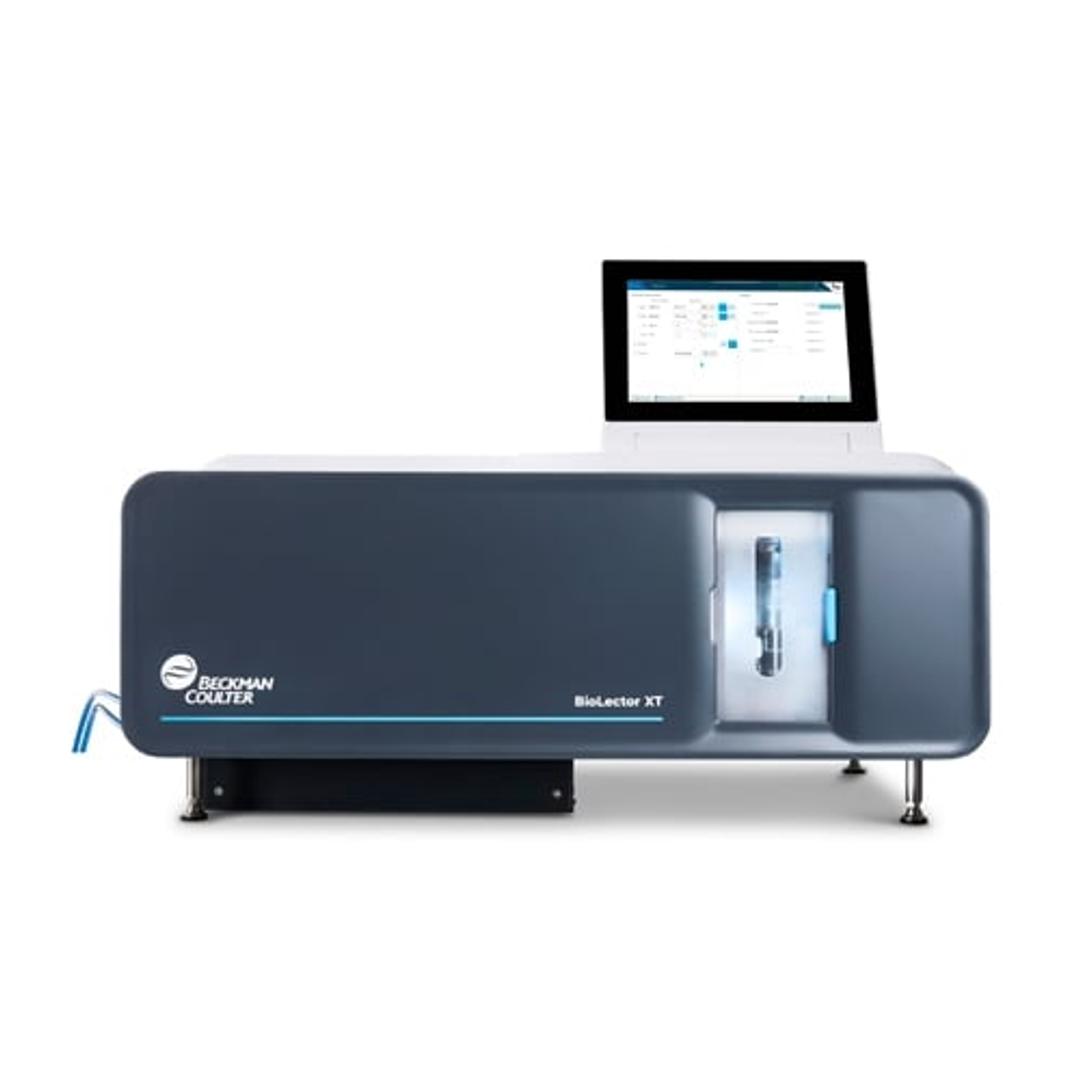
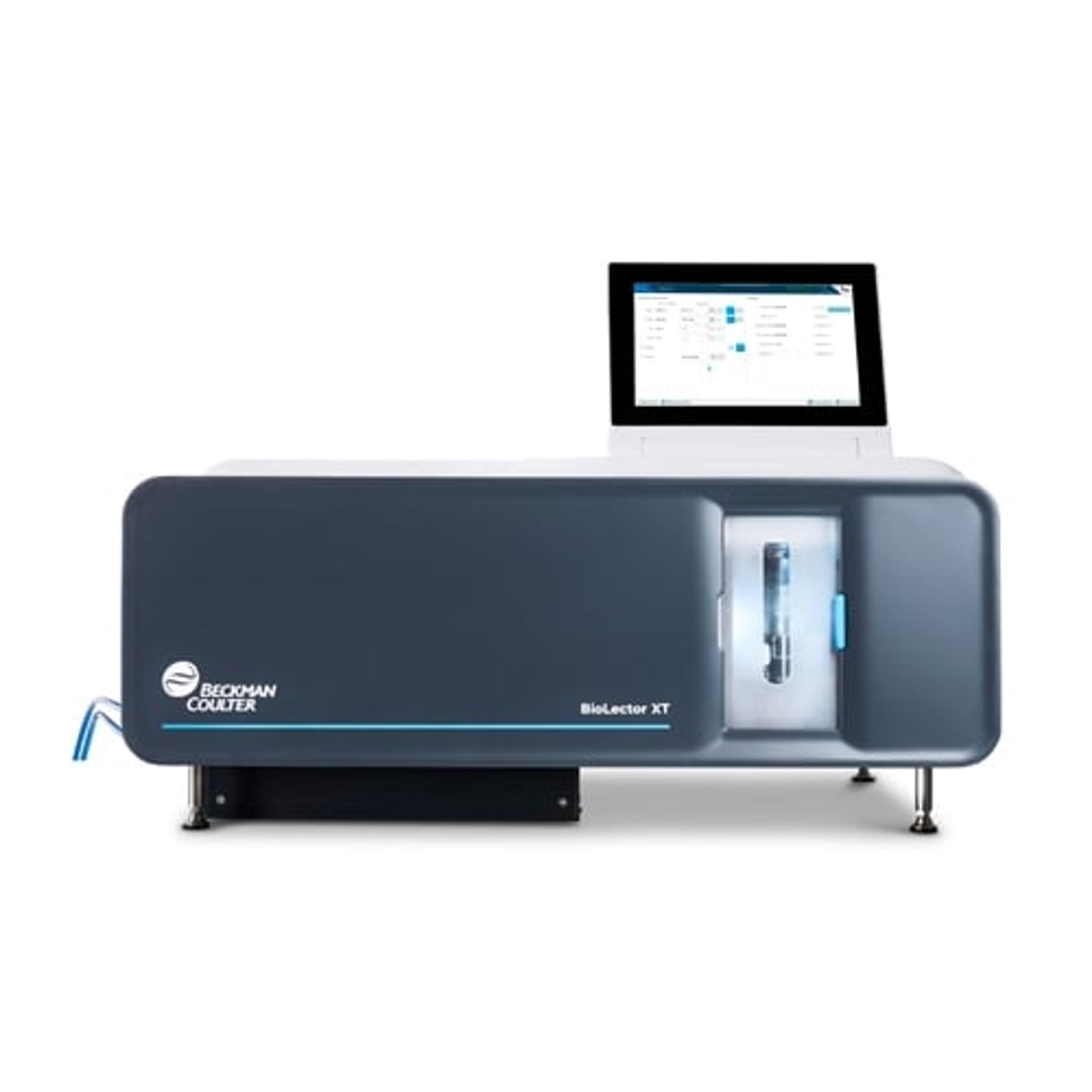
BioLector XT Microbioreactor
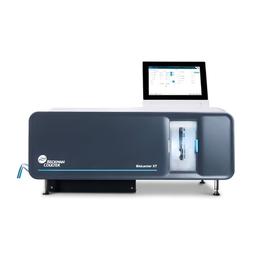
High-throughput microbioreactor enables real-time evaluation of biomass, fluorescence, pH, dissolved oxygen in the liquid phase (DO), and other key cultivation parameters for aerobes and anaerobes.
Receive your quote directly from the manufacturer.
The results are splendid
Real-time evaluation of biomass, fluorescence, pH, dissolved oxygen in the liquid phase (DO)
It is very effective, user-friendly and does not require much attention compared to other brands.
Review Date: 30 Apr 2024 | Beckman Coulter Life Sciences
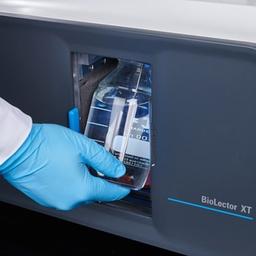
Building on trusted BioLector Pro technology, the BioLector XT microbioreactor is based on a standard ANSI/SLAS (SBS) microtiter plate (MTP) format, and operates with online, pre-calibrated optical sensors. Disposable 48 well MTPs enable online measurement of cultivation parameters, while patented microfluidic technology supports simultaneous pH control and feeding. The optional microfluidic module eliminates manual liquid handling—no tubing or pipetting required, as everything is part of the gamma-radiated ready-to-use plate.
Brochures

Phototrophic cultivation of micro algae in the BioLector XT microbioreactor
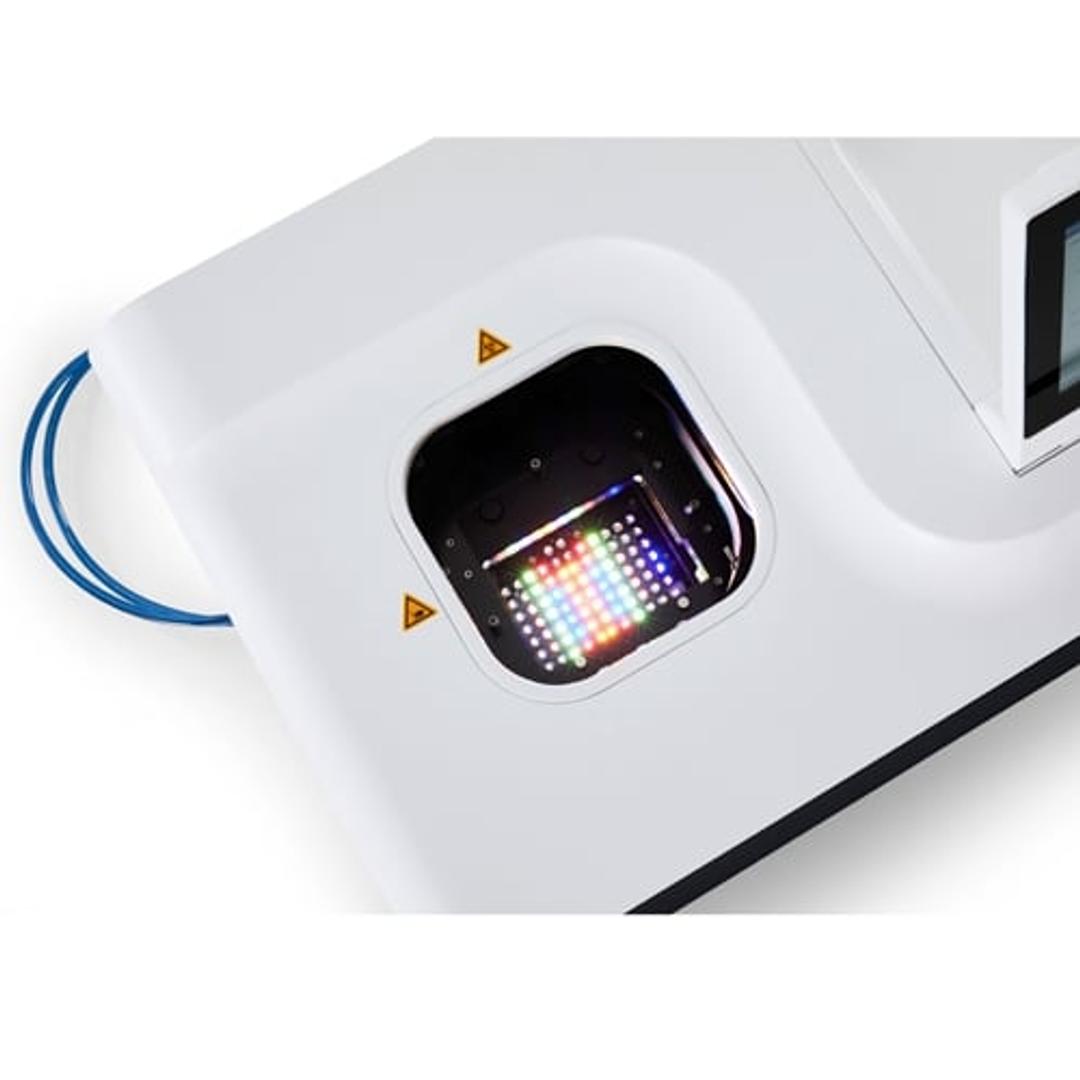
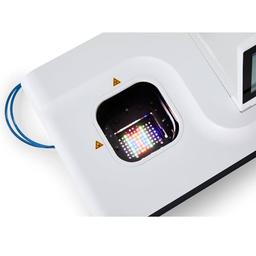
Here, Beckman Coulter Life Sciences presents the BioLector XT microbioreactor and the BioLector XT light array module. The BioLector XT high-throughput microbioreactor enables real-time evaluation of biomass, fluorescence, pH, DO, and other key cultivation parameters for aerobic, anaerobic and phototrophic microorganisms, to quickly provide deep insights into your bioprocess development. Building on trusted BioLector Pro technology, the BioLector XT microbioreactor is based on a standard ANSI/SLAS (SBS) microtiter plate (MTP) format, and operates with online, pre-calibrated optical sensors. Disposable 48 well MTPs enable online measurement of biomass, fluorescence, pH and DO, while patented microfluidic technology supports simultaneous pH control and feeding. The optional microfluidic module eliminates manual liquid handling - no tubing/pipetting required, as everything is part of the gamma-radiated ready-to-use plate. The BioLector XT light array module (LAM) allows cultivation of phototrophic microalgae and cyanobacteria.
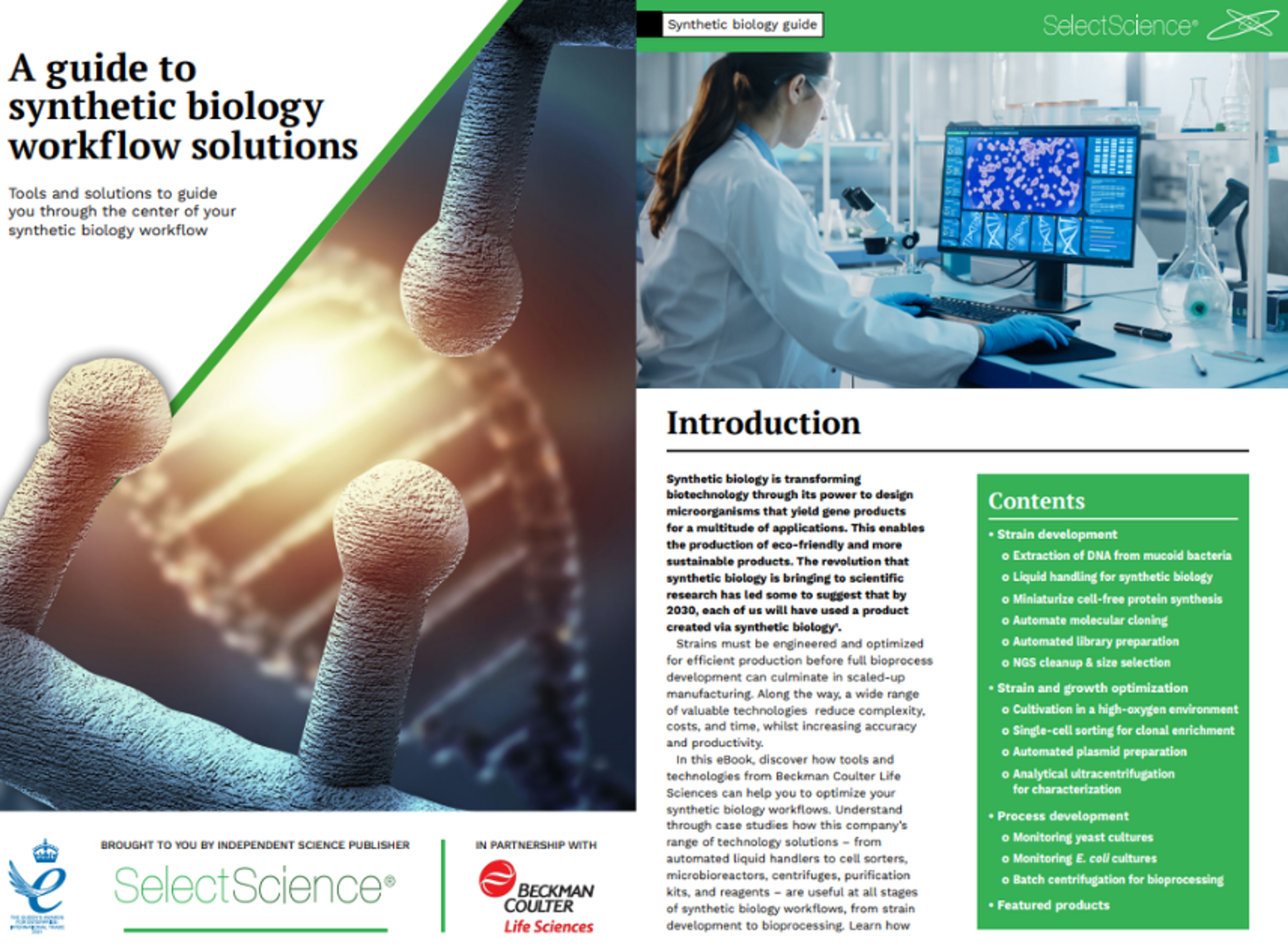
Accelerate green chemistry with smarter synthetic biology
Synthetic biology is driving a new era in sustainable science—enabling researchers to design microorganisms for the efficient production of environmentally friendly materials. Whether you're engineering microbial strains or optimizing growth conditions, minimizing waste and maximizing process efficiency are core goals of any green chemistry workflow.
Download this eBook to:
- Miniaturize and automate strain development — cut reagent use and reduce plastic waste
- Improve strain growth and optimization — minimize costly trial-and-error steps
- Speed up process development — reduce timelines without sacrificing data quality
Explore real-world case studies and practical tools that support sustainable innovation—from DNA purification to high-throughput bioprocessing. Learn how automation, precision liquid handling, and scalable workflows can help you bring green chemistry principles to life in your lab.
Resource details:
- Document type: SelectScience guide
- Page count: 91
- Read time: 2.5 hours
- Edition: 1st
BioLector XT Microbioreactor integrated with Biomek i5 Liquid Handler for automated bioprocess development
In microbial process development the screening of several different process parameters is usually a bottleneck. The new integration of the BioLector XT microbioreactor with a Biomek i5 liquid handler allows for automated, high-throughput bioprocess development, leveraging the strength of both systems to expand strain screening and selection capabilities. Beckman Coulter Life Sciences highlights a screening study in which the integrated system provides full process control over microbial cultivations, while allowing for increased walk-away time. Using these capabilities, the study aimed to find an optimal strategy for an isopropyl β-D-1-thiogalactopyranoside (IPTG)-induced protein production process with Escherichia coli. Discover how he integration of the BioLector XT microbioreactor with the Biomek i5 liquid handler leverages the strengths of both systems to expand strain screening and selection capabilities for automated bioprocess development.
Monitor E. coli cultures with the BioLector and Multisizer 4e
Escherichia coli (E. coli) is a facultative anaerobic bacterium, easily cultured in labs, making it a key model organism in genetics, microbiology, and biotechnology. It is commonly used for large-scale production of therapeutic proteins, with 30% of approved therapeutic proteins produced using E. coli. Beckman Coulter Life Sciences demonstrates the use of the BioLector microbioreactor and the Multisizer 4e Coulter Counter to optimize E. coli culture conditions and characterize cell growth. The BioLector is small-scale, automated system that enables high-throughput screening, cultivation parameter monitoring and feeding strategy optimization. The Multisizer 4e is an accurate and flexible particle characterization device with a sizing range of 0.2–1600 μm. Generated data are processed using patented digital pulse processing technology and can be saved and later re-analyzed.
Expert tools and approaches for challenging microbial research
Microbial research is a complex area of science, which often presents researchers with a range of multifaceted challenges to overcome. Microbes reside within many extreme environments, from boiling/freezing temperatures and ocean bottoms to hypersaline lakes, and alike. Despite the complexities involved, microbial research of this nature is vital and is a major determinant of human health, nutrition, agriculture, energy, and the overall environment.
In this expert guide, discover how to effectively overcome common microbial bottlenecks, optimize workflows, and consistently generate high-quality results.
The eBook will also explain:
- How to explore microorganisms in more detail than ever before
- How to effectively cultivate high oxygen-demanding microorganisms
Phototrophic cultivation of Chlorella vulgaris in the BioLector XT microbioreactor
In this application note, Beckman Coulter Life Sciences presents phototrophic cultivation of Chlorella vulgaris in the BioLecter XT microbioreactor. Here, the BioLector XT microbioreactor was equipped with a sophisticated illumination module to enable parallel, phototrophic cultivations in up to 48 microwells, and specialized filter modules were designed to allow for the online, non-invasive measurement of important cultivation parameters like biomass, chlorophyll concentration and pH.
Aerobic cultivation of high-oxygen-demanding microorganisms in the BioLector XT microbioreactor
In this application note, Beckman Coulter shows how the BioLector XT microbioreactor can be used to cultivate microorganisms in a high-oxygen environment.
Strictly anaerobic cultivation of probiotic bacteria
Probiotics can positively influence the health of the human gut microbiome. That’s why scientific research on anaerobic or microaerophilic cultivation techniques, such as the cultivation of probiotics, is essential to human health.
The BioLector XT microbioreactor accelerates cultivation and strain evaluation of diverse organisms, including anaerobes, while consistently producing high-quality data. Compact in size, it supports robust, real-time evaluation of key cultivation parameters—including biomass, pH value, dissolved oxygen (DO) and fluorescence—in a standard 48-well microplate format.
In this application note, you’ll discover how researchers use the BioLector XT microbioreactor to perform anaerobic batch and fed-batch cultivations of the probiotic bacteria Lactobacillus casei, Lactobacillus plantarum, and Bifidobacterium bifidum. The compact device can be placed on a regular lab bench without the need to locate in an anaerobic chamber.

Lessons from Lawrence Berkeley National Lab: A Multi-Faceted Approach to Microbial Studies
Join Stephen Tan, Principal Scientific Lab Automation Engineer at Lawrence Berkeley National Laboratory (LBNL), as he discusses six innovative research projects that leverage BioLector technology, showcasing its versatility across various studies:
- Fungal growth curves: Analyzing growth patterns of Rhodosporidium toruloides.
- Design-build-test-learn: Investigating bacterial studies with Pseudomonas putida.
- Media optimization: Enhancing flavolin production in Pseudomonas putida.
- Sugar consumption variability: Examining sugar utilization in Rhodosporidium toruloides.
- Media optimization: Improving TMP production in Corynebacterium glutamicum.
- Metabolic behavior investigation: Studying metabolic responses under varying conditions in three distinct hosts.
These projects highlight the application of BioLector technology in microbial growth, media optimization, and metabolic studies across diverse organisms.
Key learning objectives
- Understand metabolic behavior under different conditions
- Explore the Design-Build-Test-Learn (DBTL) cycle
- Learn more about the impact of media optimization on biomass production
Who should attend?
- Lab managers, technicians, and primary scientists.
Certificate of attendance
All webinar participants can request a certificate of attendance, including a learning outcomes summary, for continuing education purposes.

Supercharging synthetic biology for a sustainable future
Discover how Beckman Coulter Life Sciences is advancing synthetic biology research to tackle the challenges of our growing population
Which BioLector microbioreactor modules are best for your applications?
Answer 10 quick questions to discover the most suitable modules to add to your microbioreactor
Product Overview
Links
Products Model Information

Microfluidic module
Beckman Coulter Life SciencesRun up to 32 highly flexible, pH-controlled fed-batch cultivations in microscale during one cultivation experiment run

O2 up regulation module
Beckman Coulter Life SciencesContinuously measure the oxygen level of the supplied gas mixture and automatically regulate the flow of oxygen

O2 down regulation module
Beckman Coulter Life SciencesContinuously measure the oxygen level of the supplied gas mixture and automatically regulate the flow of nitrogen

Anaerobic cultivation module
Beckman Coulter Life SciencesEnsure strict anaerobic fermentation processes with controlled, low nitrogen gas flow rate

CO2 up regulation module
Beckman Coulter Life SciencesContinuously measure the CO2 level of the supplied gas mixture and automatically regulate the flow of CO2
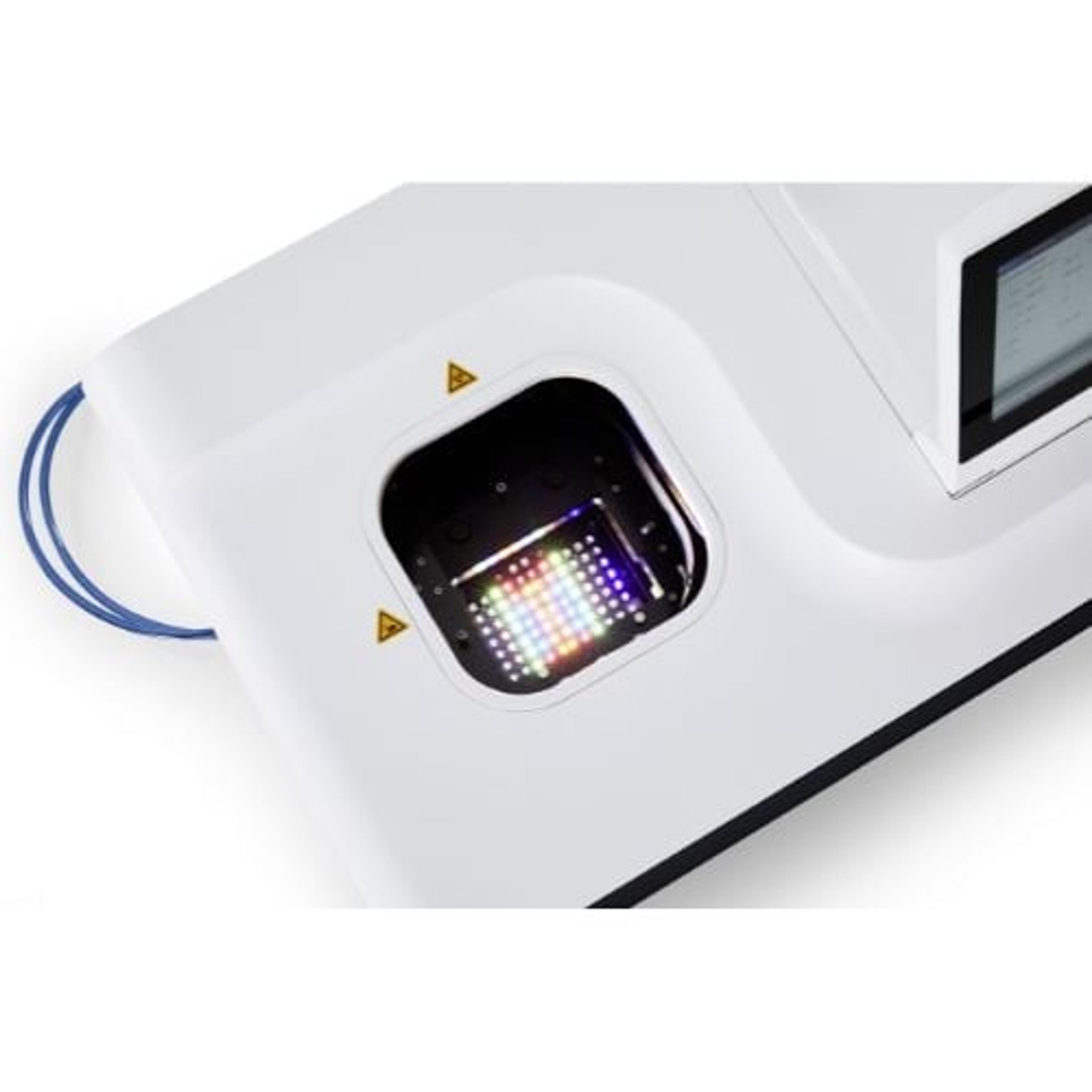
Light array module (LAM)
Beckman Coulter Life SciencesAccelerate biomass, fluorescence, and chlorophyll evaluation of diverse micro algae and cyanobacteria in milliliter-scale