ResourceLife Sciences
Biophysical Application of Calorimetric Methods to Protein Misfolding And Aggregation Examinations
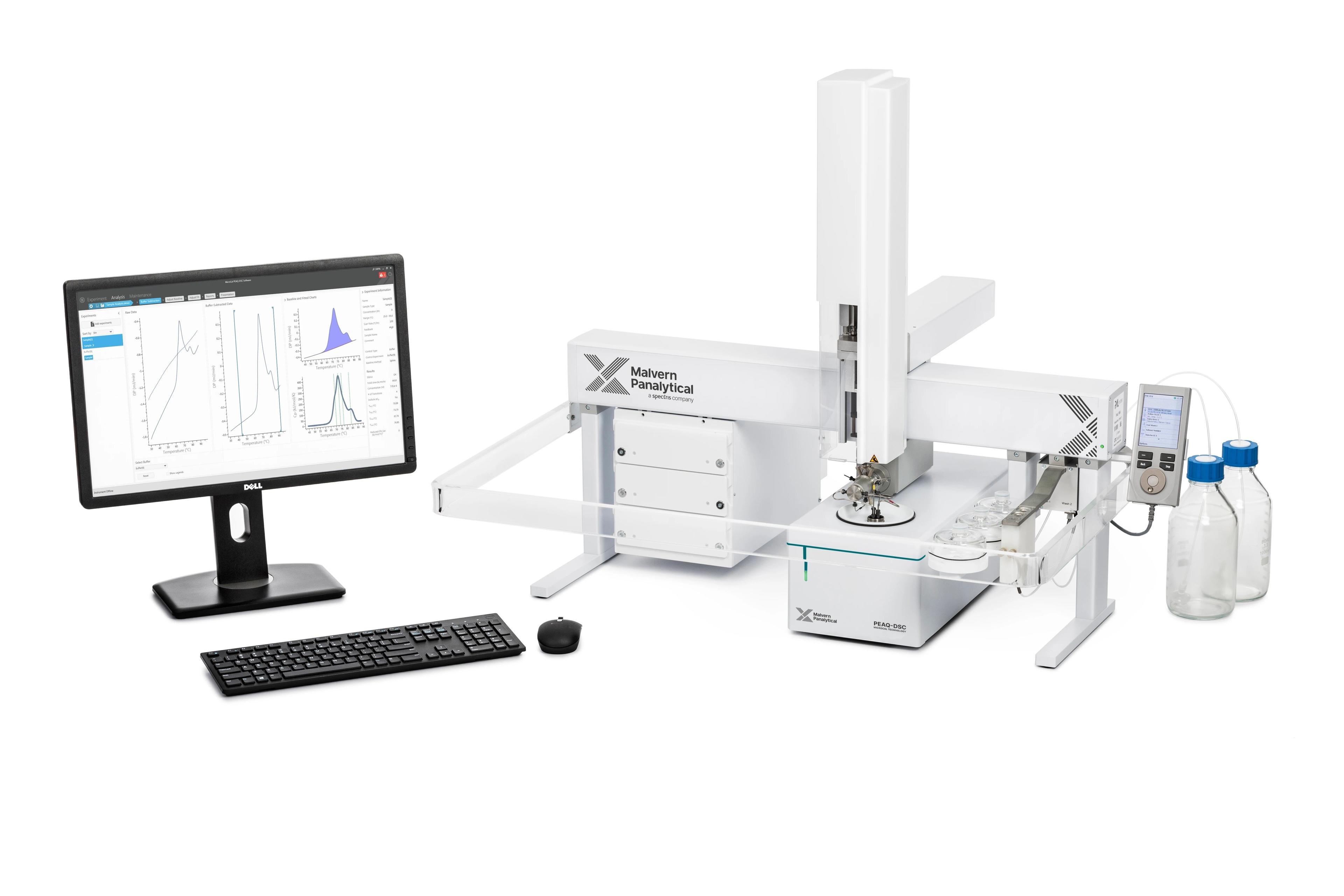
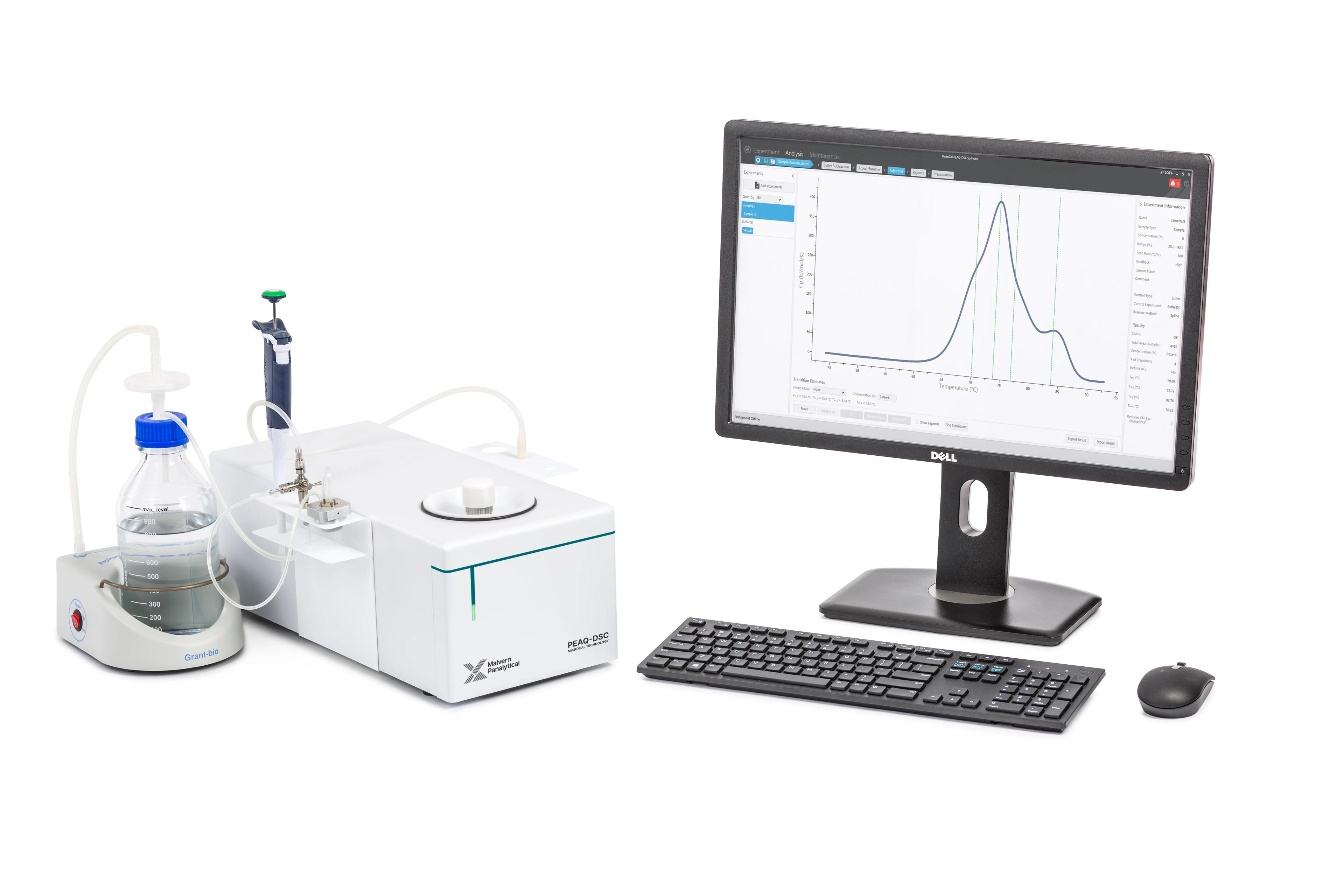
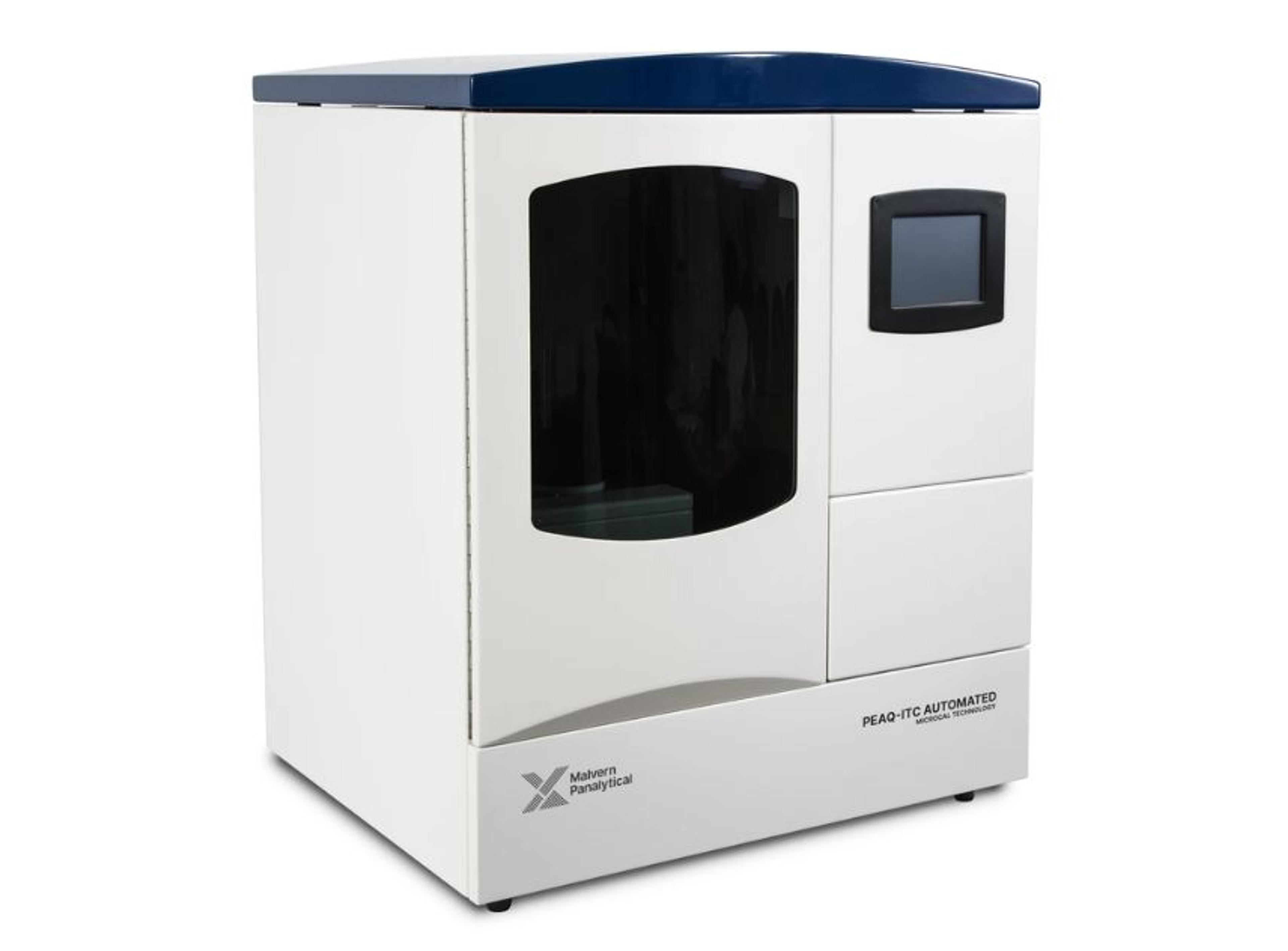
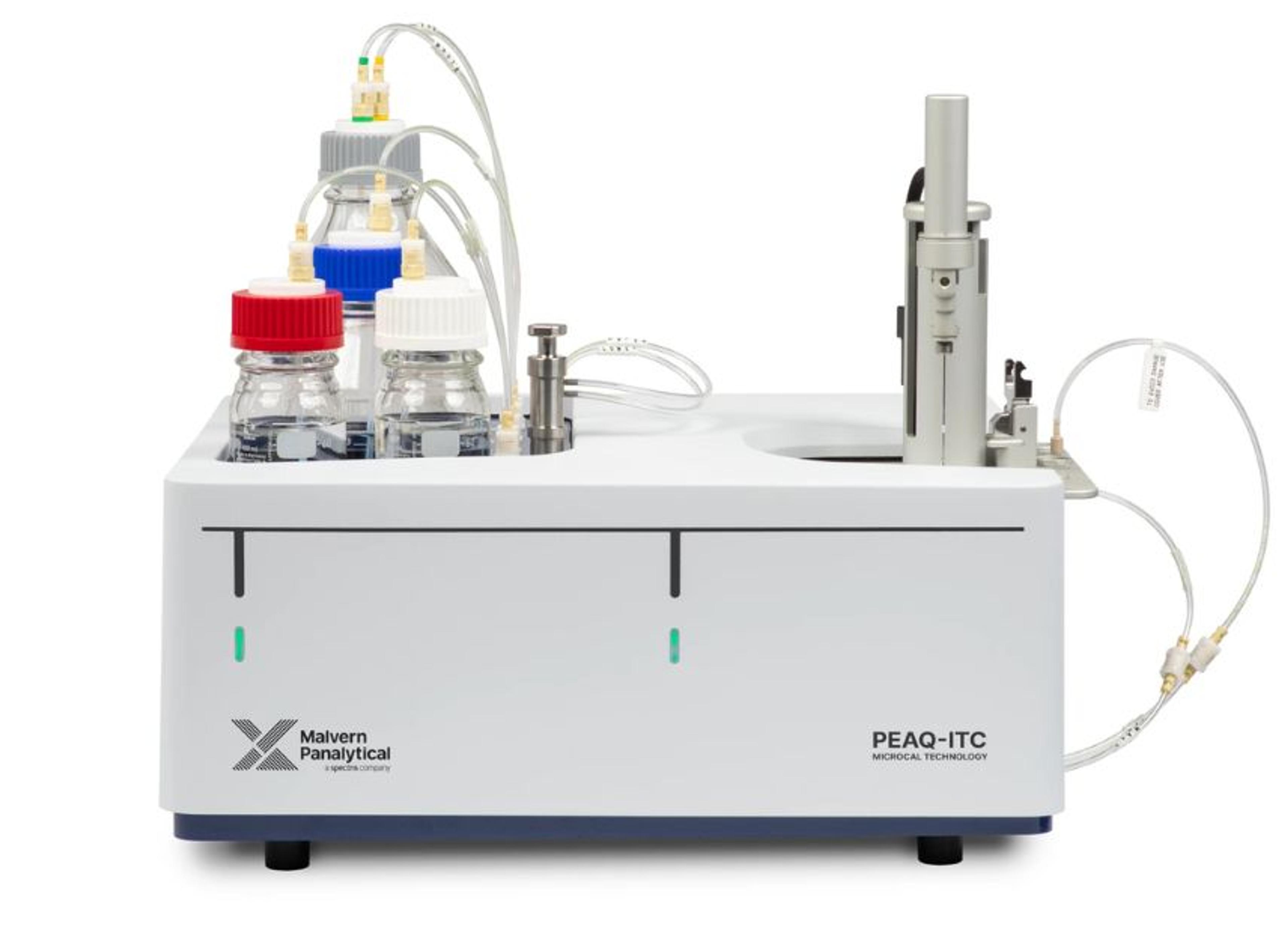
24 May 2017Unfolded proteins fold into thermodynamically-favorable native structures under the correct physiological conditions for gain of function. This whitepaper describes how differential scanning calorimetry and isothermal titration calorimetry can be used as a powerful method for the thermodynamic investigation of interactions between diverse biomolecules and inorganic compounds. It details some examples from literature of the methods application in studying amyloid fibrillation.
Links
Tags
ProteomicsProteomics is the systemic bioinformatics study of proteins and amino acids, including their structure, size, function and identification. Tools used in proteomics include chromatography, blotting and gels, protein arrays, mass spectrometry and ELISA and associated analysis software. Analyzers and proteomic systems should be sensitive, high resolution, fast and may be automated for high-throughput.Protein PurificationProtein purification is a vital step in drug discovery, therapeutics, biotech and life science research. The purification process typically involves subcellular or membrane protein extraction with cell lysis kits, separation of proteins from cell debris by filtration or spin columns, and the isolation of proteins of interest from other proteins and impurities with affinity purification (including fusion protein tags and antibody binding proteins A, G and L), immunoprecipitation or chromatographic methods, such as ion exchange, size exclusion and immobilized metal affinity chromatography. All purification methods come in multiple formats for your laboratory needs, including agarose or magnetic beads, resins, columns and filter plates. Find the best protein purification equipment in our peer-reviewed product directory: compare products, check customer reviews and receive pricing direct from manufacturers.Protein InteractionsProtein interactions are essential for understanding cellular processes, as proteins work together to carry out biological functions. Studying protein interactions can provide insights into disease mechanisms, drug development, and cell signaling pathways. Explore the best tools for protein interaction research in our peer-reviewed product directory; compare products, check reviews, and get pricing directly from manufacturers.Protein StructureProtein structure refers to the three-dimensional arrangement of amino acids in proteins, determining their function. Understanding protein structure is key in drug discovery, enzymology, and molecular biology. Explore protein structure analysis tools in our peer-reviewed product directory; compare products, check reviews, and get pricing directly from manufacturers.Differential Scanning CalorimetryNeurodegenerationNeurodegeneration refers to the progressive deterioration of the structure and function of the nervous system, often seen in diseases like Alzheimer's and Parkinson's. Research focuses on early detection and potential therapies. Explore neurodegeneration research tools in our peer-reviewed product directory; compare products, check reviews, and get pricing directly from manufacturers.Protein BiologyThe analysis of protein expression, identity and function is vital for many areas of life science research and drug discovery. Some of the most commonly used techniques in protein analysis include Western blotting, electrophoresis and mass spectrometry.