
Authentication of Vanilla Extracts by Convergence Chromatography
1 Jun 2014The Waters® ACQUITY UPC2 System utilizes CO2 mobile phases along with organic co-solvent and additives to provide orthogonal selectivity to that of RPLC. For the analysis of vanilla extracts, this separation technique provides greater retention of highly polar, secondary components of vanillin while providing adequate retention and identification of non-polar adulterants. In addition, this chromatographic technique allows for improved efficiency and lower solvent usage than traditional RPLC methods, while providing a high-throughput, sensitive screening method for the analysis of vanilla extracts.
Related products
Request Quote for All Products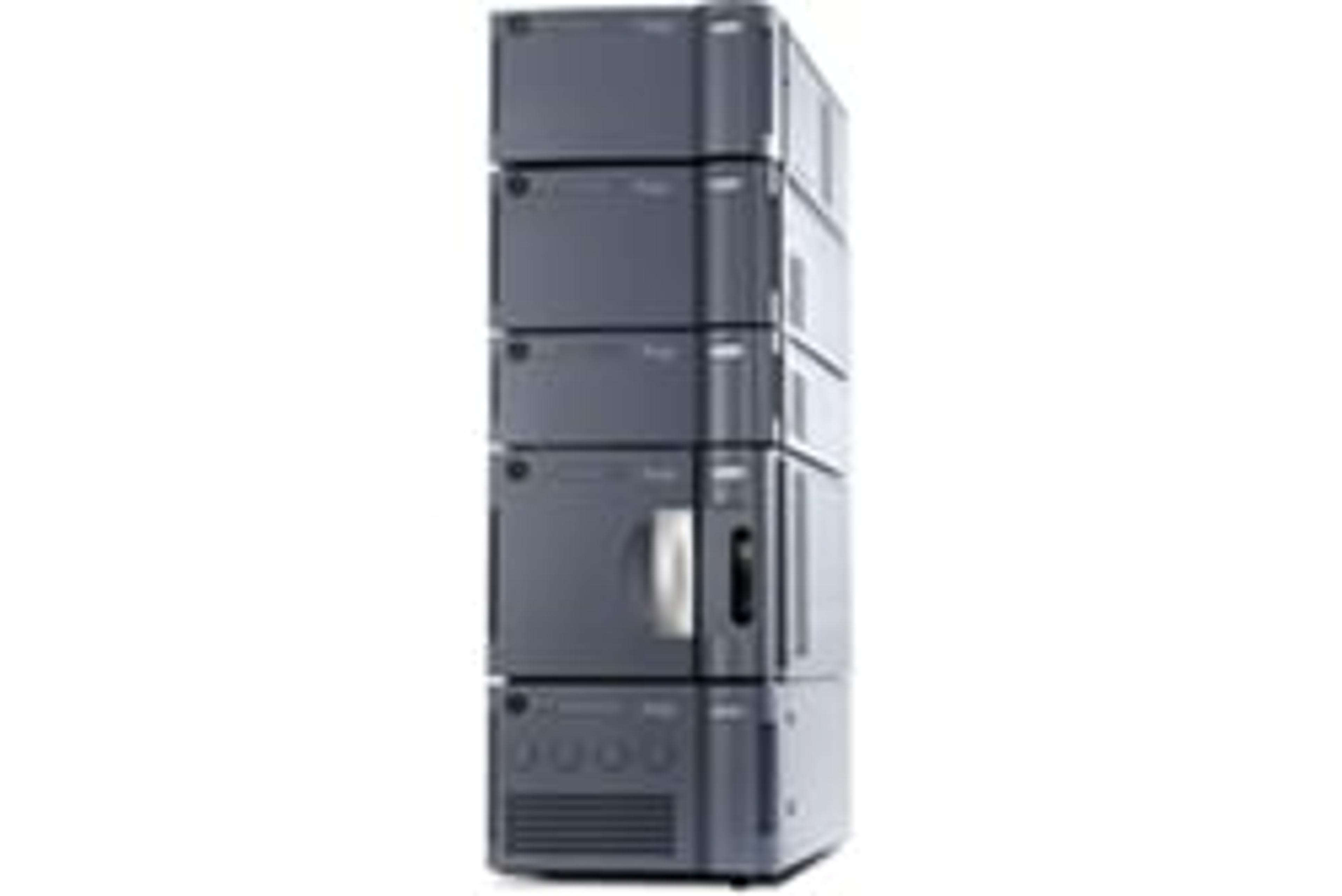
ACQUITY UPC² System
WatersConvergence Chromatography with the ACQUITY UPC² System Bring streamlined workflow, expanded selectivity, and an orthogonal technique to your laboratory. Convergence chromatography (CC) is a broad-based, complementary analytical platform that is taking its place alongside of LC and GC as one of the three essential separation technologies for modern laboratory analysis. This technique provides another, reliable choice as an analytical platform that is orthogonal to reversed-phase LC (RPLC), while significantly streamlining the entire analytical workflow. In convergence chromatography, the separation is achieved by manipulating the density and composition of a supercritical fluid-based mobile phase. Because of the very high diffusivity of the mobile phase, can be achieved. Additionally, the diversity of stationary phase and mobile phase (co-solvent) options provides access to the largest selectivity space available to any separation technique. The ACQUITY UPC² System is a holistically designed UltraPerformance Convergence Chromatography (UPC²) system that utilizes liquid CO2 as the primary mobile phase. The system leverages the chromatographic principles and selectivity of normal-phase chromatography while providing the ease-of-use of RPLC, enabling you to address routine and complex separations challenges. ACQUITY UPC² System: Discover what's been missing from your analytical toolbox With the ACQUITY UPC² System, scientists can now separate, analyze, and understand compounds that have challenged all other LC and GC technologies including: Hydrophobic and chiral compounds Lipids Thermally-labile samples Polymers It's also the perfect complement to MS due to its low solvent load and high resolution, narrow peaks and fast separations. ACQUITY UPC² System Features: Compressed carbon dioxide (CO2), the primary mobile phase, is less costly and less toxic than liquid mobile phases or carrier gases. Variable volume injection delivers 0.5 µL to 10 µL as well as the ability to match column and injection volume with minimal sample loss and need to change loops. Higher throughput and productivity allows you to analyze more samples per day with faster re-equilibration of columns and shorter cycle times, increasing laboratory productivity. Co-solvent and column switching provides flexibility in method development for faster solvent screening and faster column screening.
ACQUITY UPLC BEH Columns
WatersIn 2004, Waters revolutionized liquid chromatography with the introduction of the ACQUITY UPLC System. At the heart of the system was Waters second generation hybrid, the Ethylene Bridged Hybrid (BEH) particle. In 2005, BEH Technology preparative particle sizes (2.5, 3.5, 5 and 10 μm) with the introduction of XBridge between HPLC and UPLC Technology platforms. BEH Technology particles offer: Excellent peak shape and efficiency for basic analytes A rational array of chromatographic selectivity Improvements in chemical stability at mobile phase extremes, particularly at elevated pH