
Analytix Reporter: Issue 8
26 Nov 2020In this eBook, MilliporeSigma bring together some of their latest products and methods in analytical science, from food and beverage, through to pharms, clinical and forensics.
Related products
Request Quote for All Products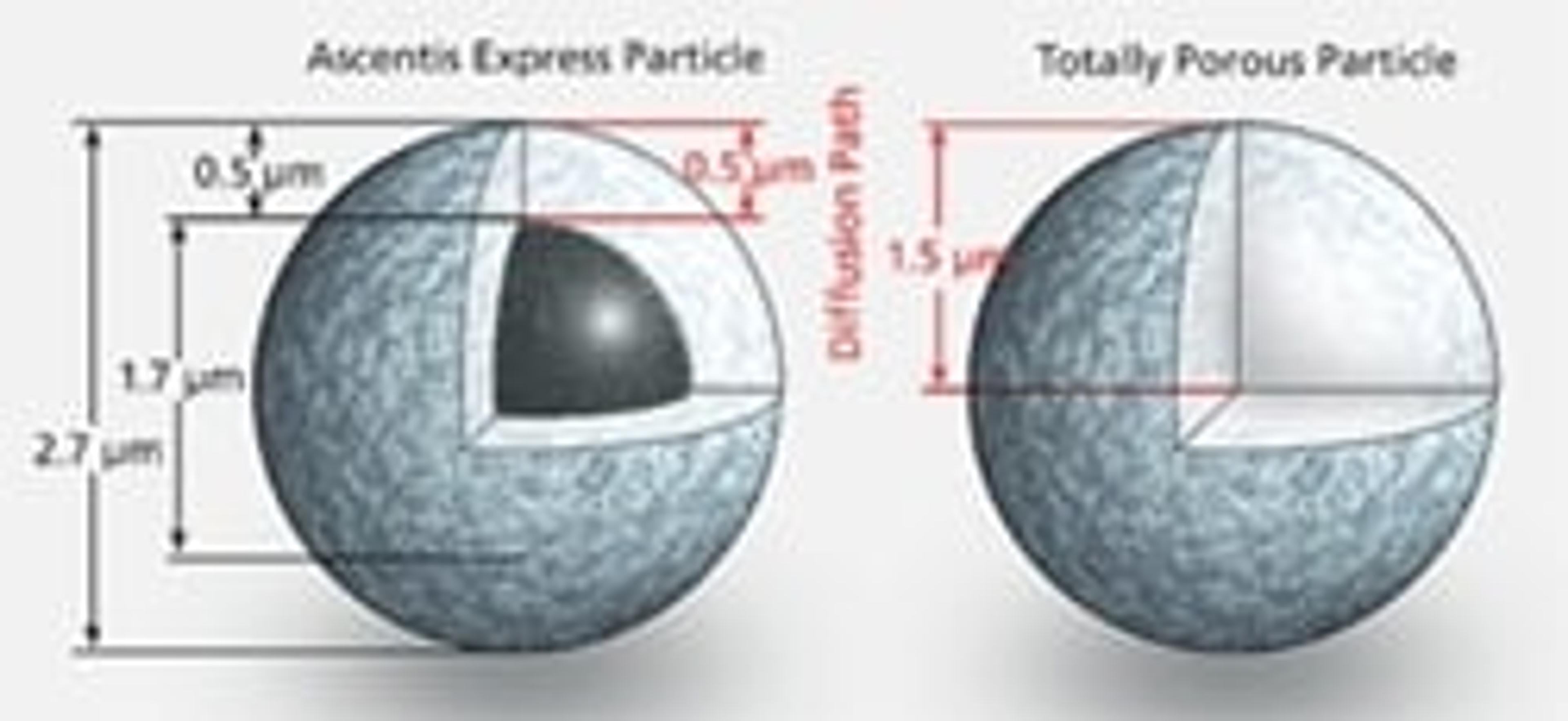
Ascentis® Express C18
Sigma-Aldrich SupelcoC18 HPLC column for High Speed and High Resolution Applications. Ascentis® Express C18 is the first choice for starting a new method. Ascentis Express HPLC columns, through the use of Fused-Core® particle technology, can provide you with both the high speed and high efficiencies of sub-2 μm particles at lower system pressure. With identical conditions, the Ascentis Express C18 column performs more than 4X faster than a standard C18 column, for most applications. The combination of high efficiency and lower operating pressure benefits UHPLC (or other ultra high pressure system) users, as well as conventional HPLC users. The increased efficiency of Ascentis Express columns enables you to use shorter columns and reduce solvent usage/cost. The Ascentis® Express C18 is also featured in an application note about liquid GC columns which can be found on the SelectScience website here, and a study on HPLC separation of bile acid here. Column details: Mode: Reversed Phase USP Code: L1 Particle Size: 2.7, <2.0 μm Pore Size: 90 Å Length: 20, 30, 50, 75, 100, 150 mm ID: 1.0, 2.1, 3.0, 4.6, 10 mm
SUPELCOWAX® 10 Capillary GC Column
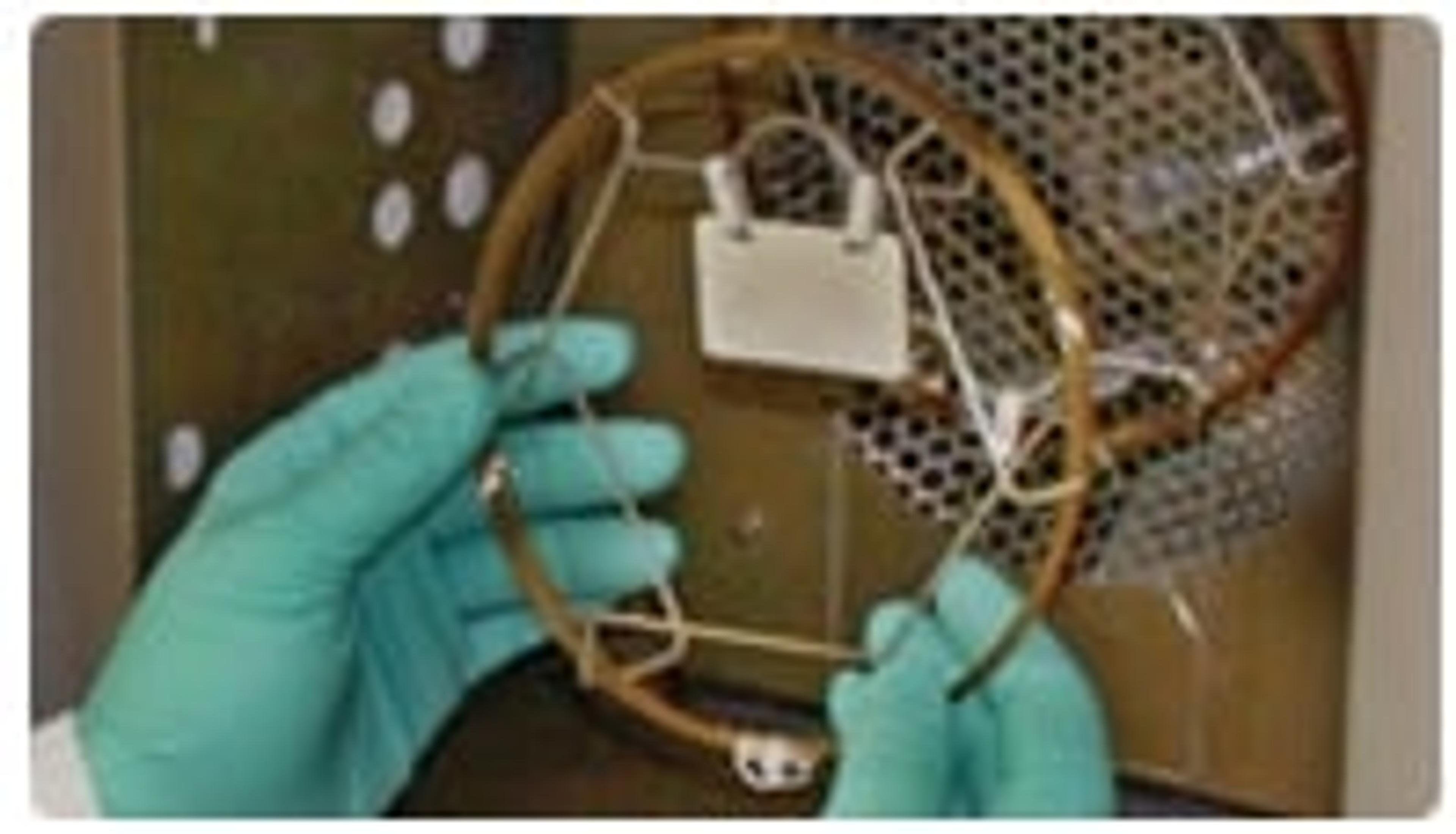
Sigma-Aldrich SupelcoSUPELCOWAX® 10 Capillary GC Column• Application: This column is based on one of the most widely used polar phases, Carbowax 20M, and is a polar column suitable for analyses of solvents, fatty acid methyl esters (FAMEs), food, flavor and fragrance compounds, alcohols, and aromatics. Additionally, this column is a great choice when a polar general purpose column is required.• USP Code: This column meets USP G16 requirements.• Phase: Bonded; poly(ethylene glycol)• Temp. Limits: ≤0.32 mm I.D.: 35 °C to 280 °C (isothermal or programmed)• Temp. Limits: ≥0.53 mm I.D., • Temp. Limits: ≥0.53 mm I.D., ≥2 μm: 35 °C to 250 °C (isothermal or programmed)