ResourceSpectroscopy

Analysis of Power Plant Flue Gas Desulfurization Wastewaters (FGDW)

27 Sept 2012

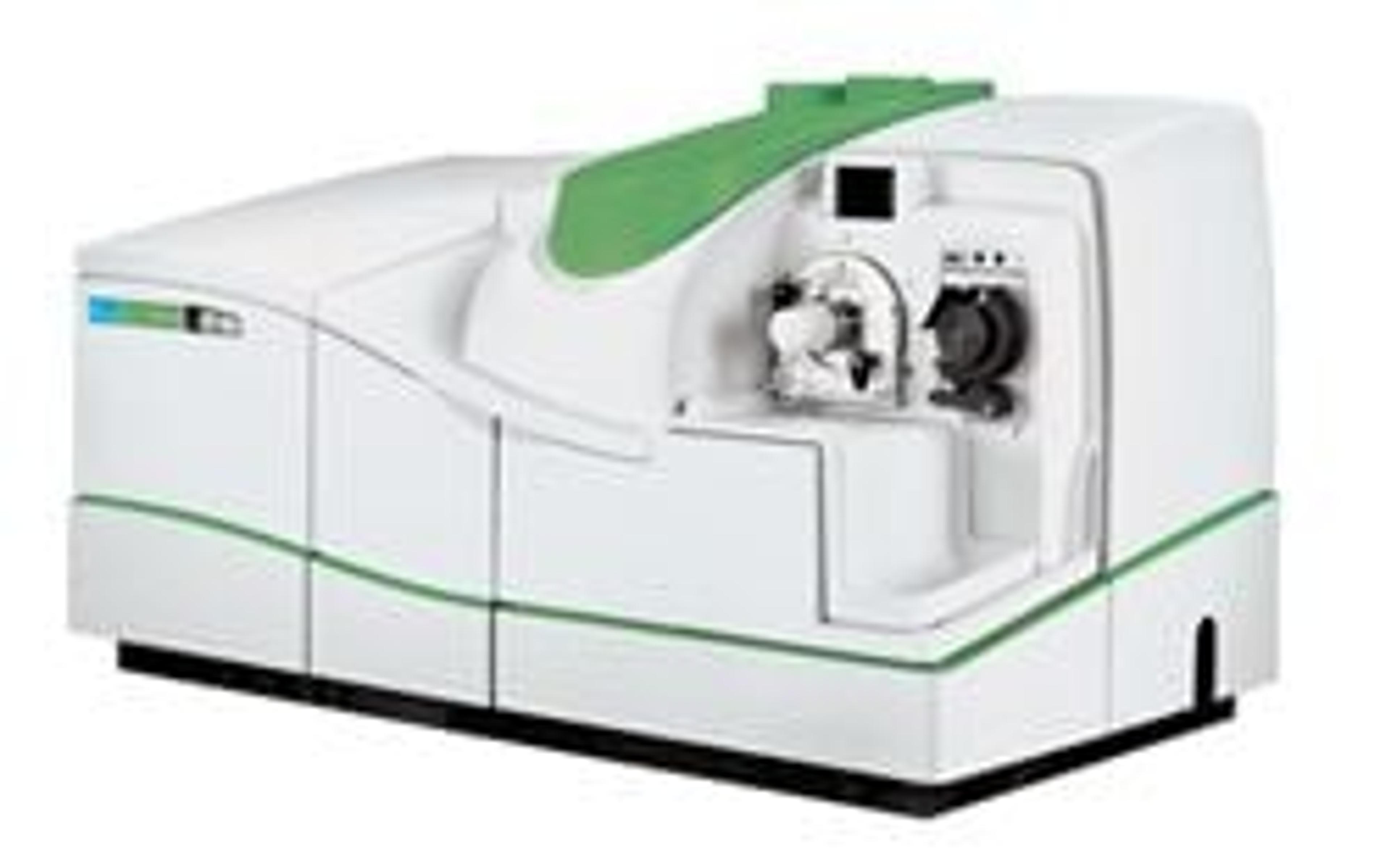
This application note presents a method for successfully analyzing FGDW waters according to U.S. EPA methodology using the NexION 300D ICP-MS. This system can generate a high-quality, stable signal over many hours of operation. And the Quadrupole Ion Deflector (QID) allows for the maximum throughput of ions, while maintaining extremely low background levels.

NexION 350 ICP-MS Spectrometers

PerkinElmer

When your instrument is more efficient and productive, so too are your scientists and your lab. And nothing puts the flow in your workflow better than the NexION® 350 ICP-MS. With a data acquisition speed 10 times faster than any other ICP-MS on the market, the new NexION 350 ICP-MS opens up a whole new world of efficiency and opportunity, allowing you to measure more in less time, and accurately characterize nanoparticles. In addition to the exceptional application flexibility afforded by its speed, the instrument also delivers superior uptime and productivity through a variety of unique features engineered to enhance signal stability: Triple Cone Interface produces the industry’s most tightly focused ion beam and prevents sample deposition on internal components. Quadrupole Ion Deflector turns positively charged ions 90° into the Universal Cell and filters off neutrals. Analyzing Quadrupole made of a unique steel alloy for negligible thermal expansion for unparalleled stability. No extraction lenses to clean for minimized maintenance.

(22)

Links

Tags

Mass SpectrometryMass spectrometry (MS) is a powerful analytical technique used to identify and quantify molecules based on the mass-to-charge ratio of gas-phase ions. It provides detailed information about the structure, composition, and properties of compounds and is widely used across fields such as environmental monitoring, materials science, drug discovery and development, food and beverage testing, and wider chemical research. Key MS techniques include tandem mass spectrometry (MS/MS), liquid chromatography–mass spectrometry (LS-MS) and inductively coupled plasma (ICP-MS). Choosing from these wide range of techniques and technologies can be a daunting task, so keep up to date with scientific applications, performance expectations, and customer reviews here all in one place. Visit our product directory to receive quotes direct from the manufacturer. Environmental Monitoring and TestingEnvironmental monitoring and testing uses handheld portable analyzers, kits, spectrometers or chromatography systems for air, water, soil, food and other sample testing. Useful features of analyzers such as BOD and COD include portability, easy calibration, automation and sensitivity.  Environmental test kits for pH, water, moisture, etc, should be accurate, sensitive, reliable, fast and easy to use.Waste WaterPower PlantFlue GasEPA Method 1638Gas AnalysisGas analysis is used to measure the composition of gases in various environments, such as industrial processes, air quality monitoring, and environmental studies. Techniques like gas chromatography and mass spectrometry are commonly used. Explore gas analysis tools in our peer-reviewed product directory; compare products, check reviews, and get pricing directly from manufacturers.EPA MethodsEPA methods are procedures approved by the U.S. Environmental Protection Agency for monitoring and analyzing environmental pollutants, including air, water, and soil samples. These methods are critical in ensuring public health and environmental safety. Explore EPA methods and tools in our peer-reviewed product directory; compare products, check reviews, and get pricing directly from manufacturers.