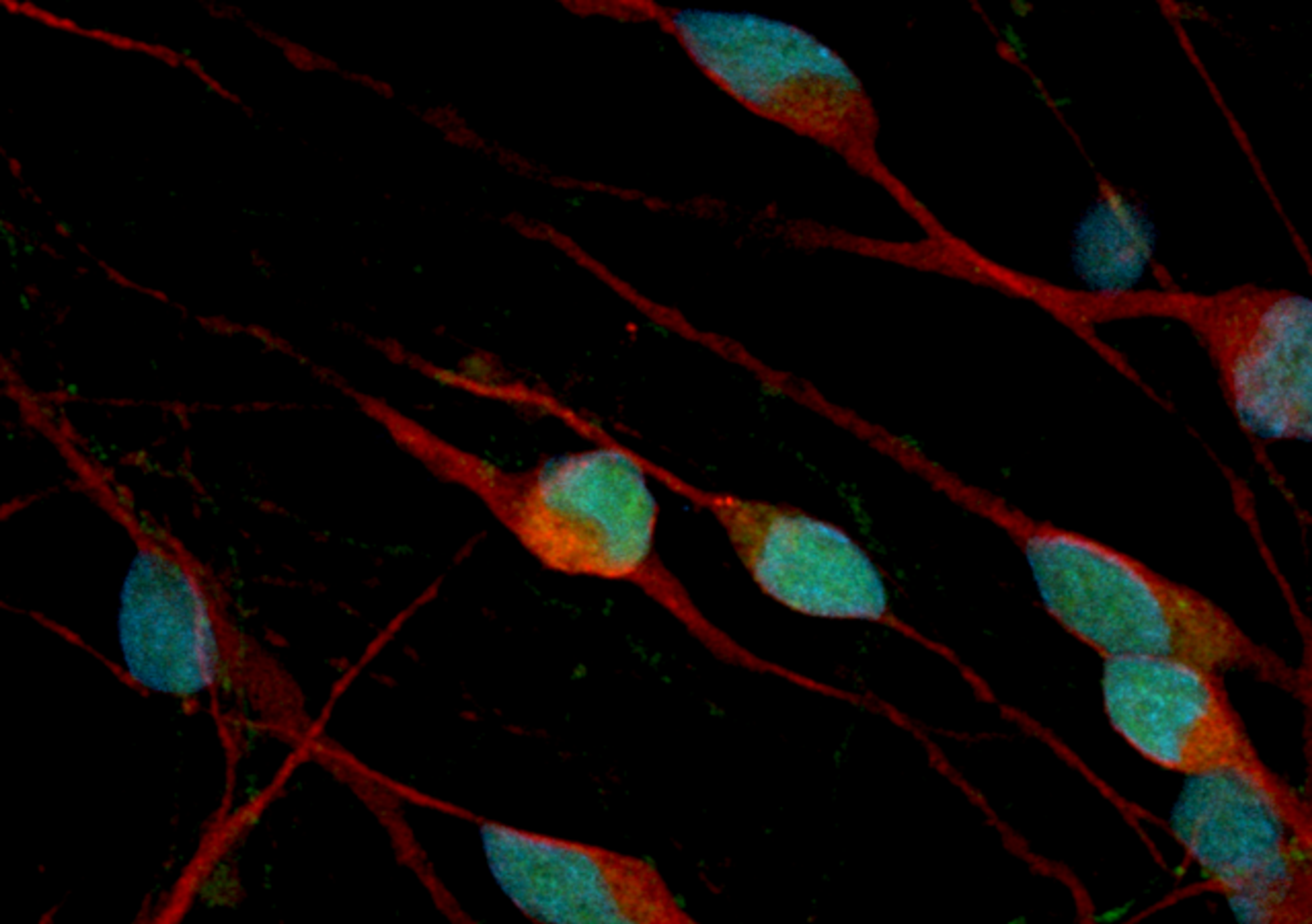
Advancing rare disease drug discovery using consistent, defined human neurons
22 Apr 2026This case study describes how the To Cure A Rose Foundation used bit.bio’s ioGABAergic human neurons to accelerate preclinical drug discovery for an ultra‑rare neurodevelopmental disorder caused by mutations in HNRNPH2. Discover how by leveraging consistent, scalable, iPSC‑derived neuronal models, the team was able to rapidly screen antisense oligonucleotide (ASO) candidates and progress promising therapies toward clinical development.
Related products
Request Quote for All Products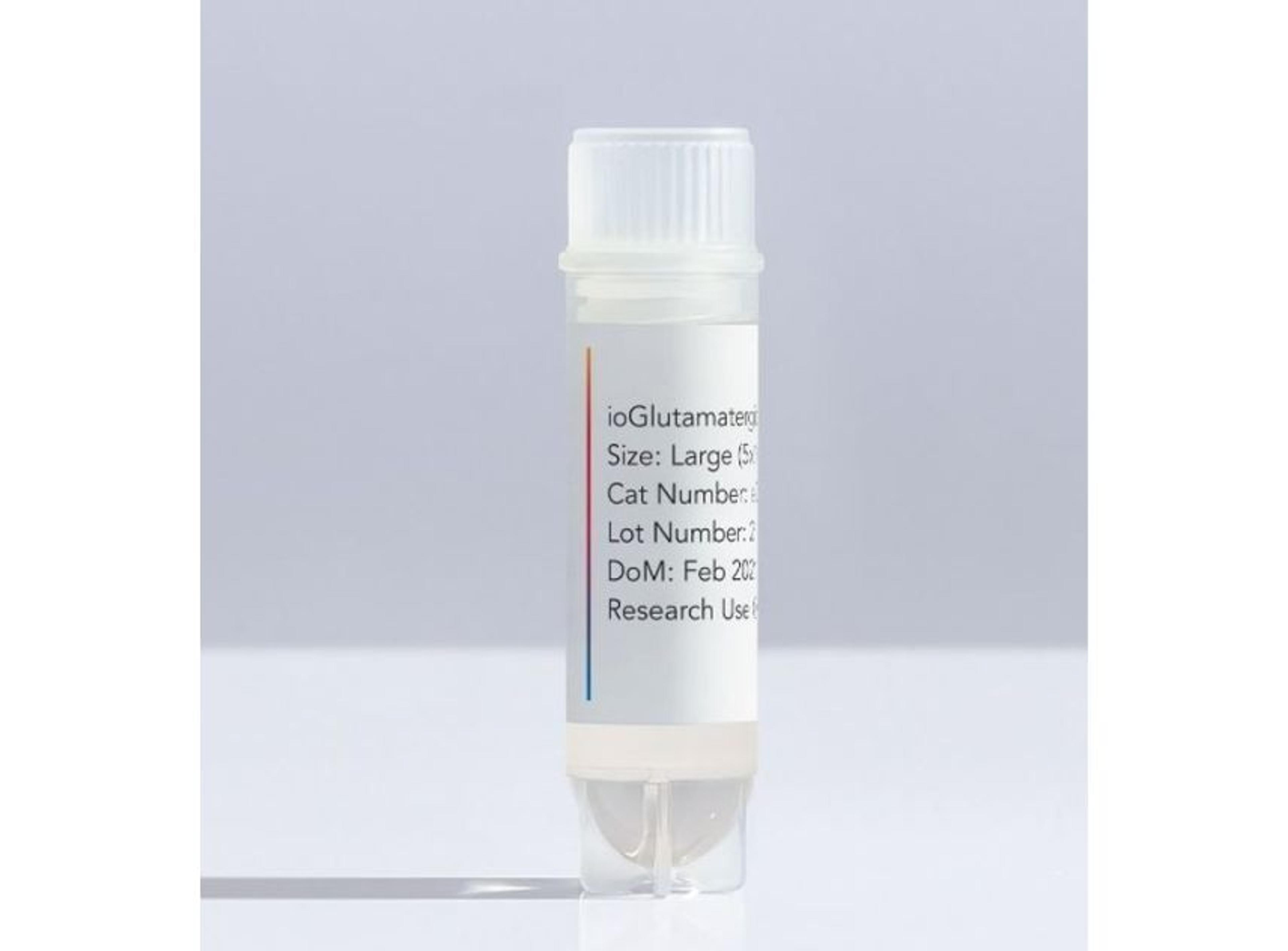
ioGlutamatergic Neurons human iPSC derived glutamatergic neurons
bit.bioA highly defined, scalable, and consistent source of human central nervous system (CNS) neurons. ioGlutamatergic Neurons, part of the bit.bio ioCells portfolio, are reprogrammed from human induced pluripotent stem cells (iPSC) using bit.bio's precise reprogramming technology: opti-ox™ (optimised inducible overexpression).