
Advancing innovation for smarter manufacturing
11 Mar 2026Discover how advanced process solutions from Bruker bring greater precision, speed, and control to your analytical workflows. Learn how these innovative digital tools are designed to streamline decision‑making and enhance process reliability, and how real‑time insights and automated optimization can transform productivity across demanding industrial environments.
Related products
Request Quote for All Products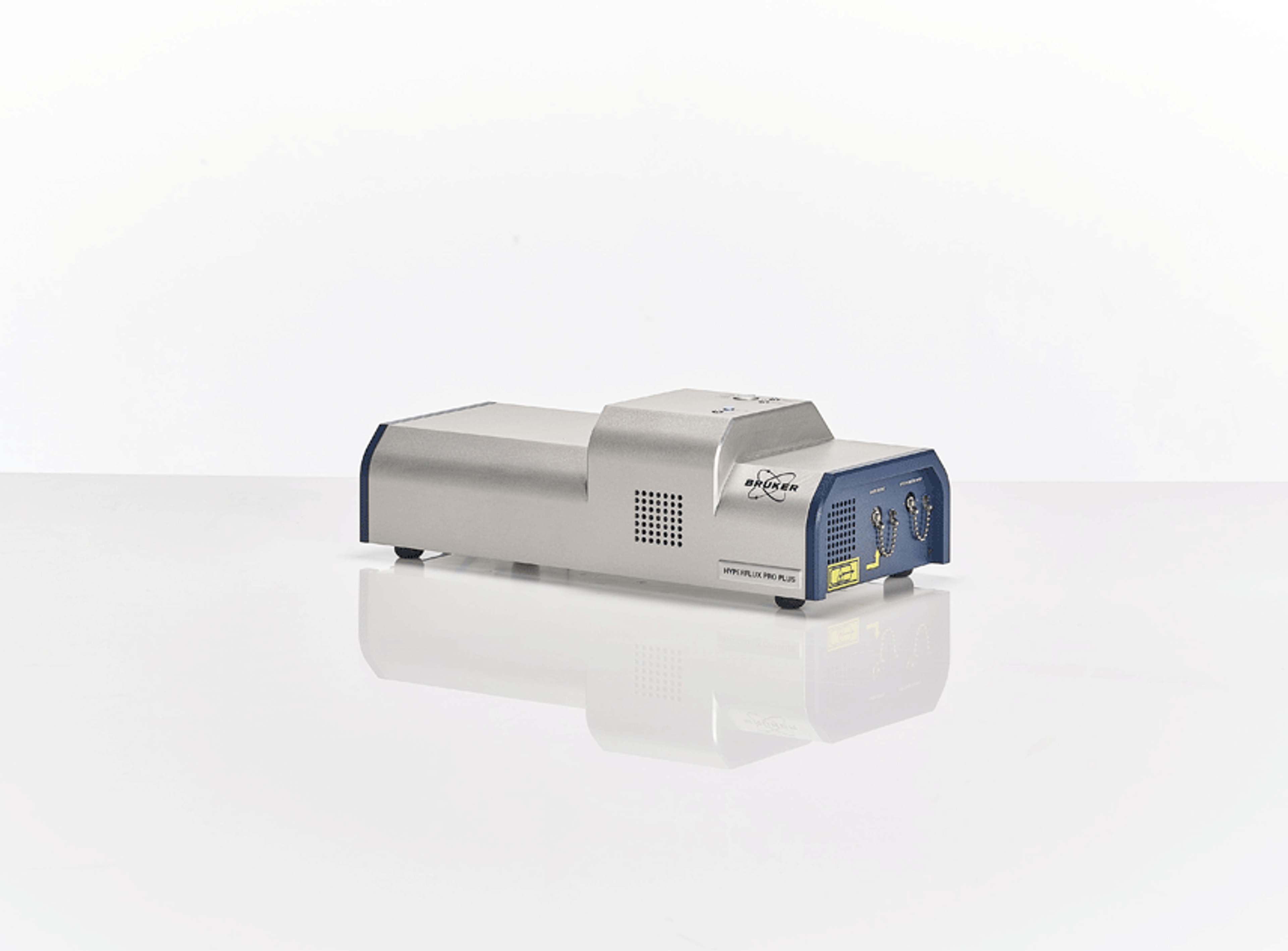
HyperFlux™ PRO Plus Raman Spectrometer
Bruker OpticsHyperFlux™ is a compact, cost-effective Raman spectroscopy system. It features a proprietary HTVS™-enabled spectrometer, a stable laser, safety interlocks, temperature control, dynamic recalibration, and automatic health monitoring. Suitable for both in-line process and lab use.
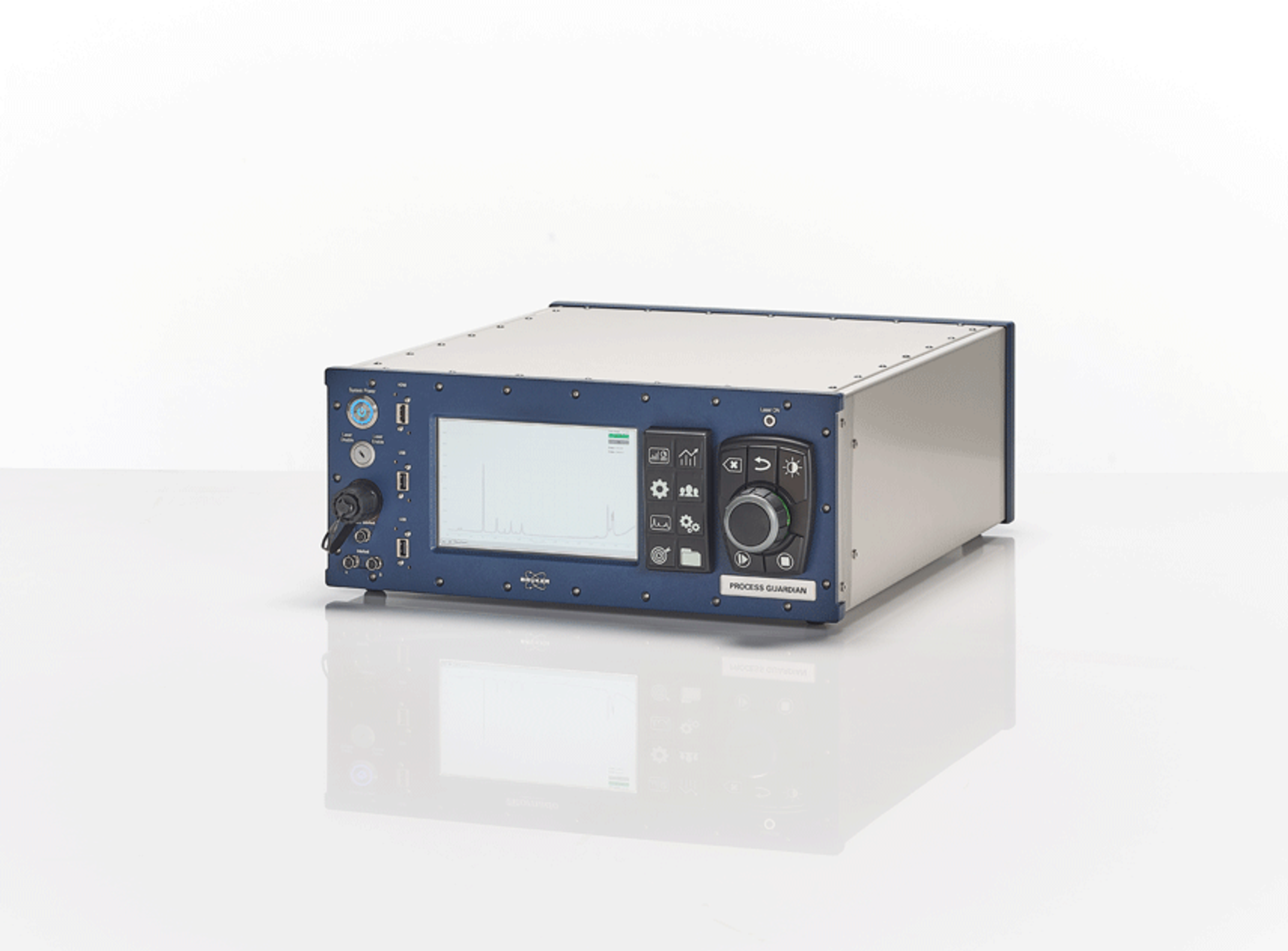
Process Guardian™ Raman Spectrometer
Bruker OpticsThe Process Guardian™(PGR) is a Raman spectrometer offering superior performance. This next-gen HTVS™-enabled analyzer meets all crucial deployment requirements in process environments and provides reliable measurements from a robust standalone platform.
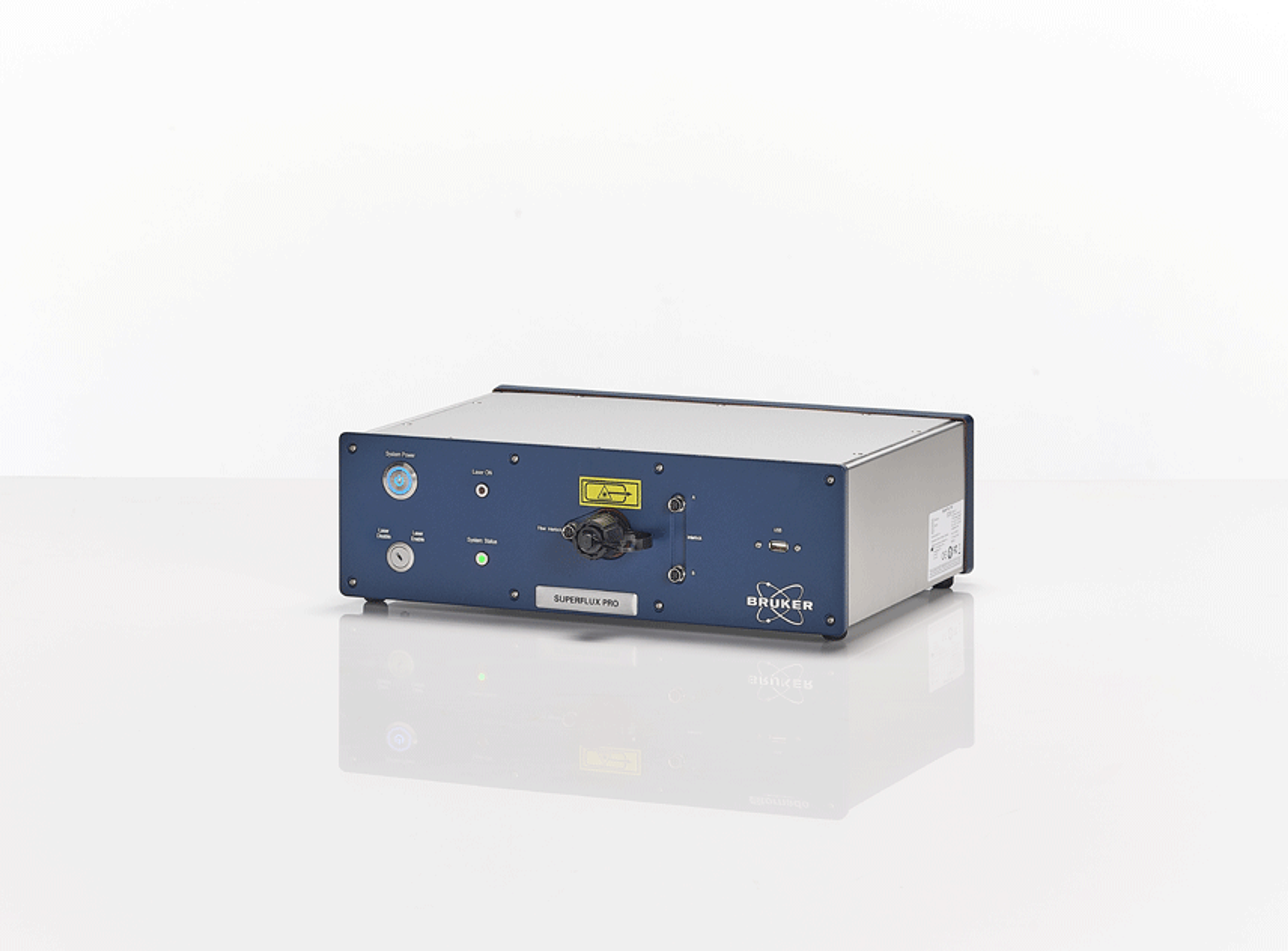
SuperFlux™ Raman Spectrometer
Bruker OpticsSuperFlux™, using proprietary HTVS™ technology, is a cost-effective, small and lightweight tool, perfect for lab and process environments. It provides non-destructive chemical analysis suitable for academic labs, food, environmental and agricultural sectors, and polymer and cell culture applications.