
Advancing Host Cell Protein Analyses Through the Combined Use of Microscale 2D RP/RP with CSH C<sub>18</sub> and Ion Mobility Enabled MS Detection
26 Feb 2015In this application note, recent advances in microscale peptide chromatography are applied to HCP analysis. The novel charge-surface-modified C18 material, known as CSH C18, which can produce high peptide peak capacities even at high mass loads, is used in the format of a 15K psi capable 300 μm I.D. column along with an ACQUITY UPLC M-Class based 2D-RP/RP system and SYNAPT HDMSE detection to provide a robust analytical workflow for the identification of low concentrations of HCP impurities at single digit PPM levels (parts per million, or ng/mg).
Related products
Request Quote for All Products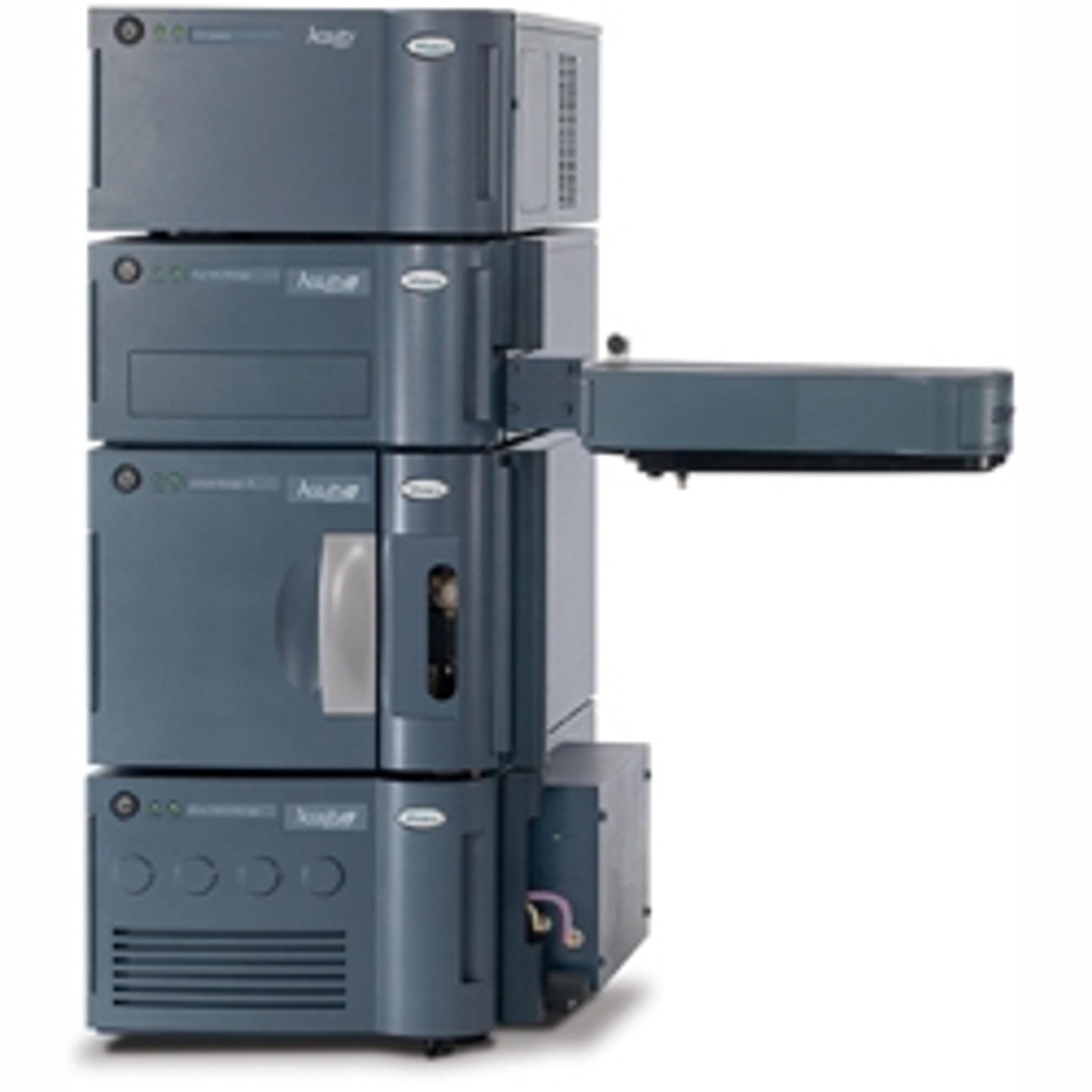
ACQUITY UPLC M-Class System
WatersThe analysis you’ve always desired for nano- to microscale separations The ACQUITY UPLC M-Class System delivers the most robust, reliable, and highest quality nano- to microscale UPLC separations to every laboratory performing LC/MS analyses. With unprecedented usability, the ACQUITY UPLC M-Class System enables laboratories to succeed in analyzing compounds that are severely limited in amount or availability, even amid a complex matrix over several orders of magnitude. Confidently achieve your laboratory goals with high-efficiency ACQUITY UPLC M-Class Columns ranging from 75 µm to 1 mm I.D. by using complementary mass spectrometry to support our full range of column I.D.’s, or run 300 µm to 1 mm I.D. columns with optical detection.The system also offers a range of flexible configurations for HDX technology, UV detection, and 2D analysis.ACQUITY UPLC M-Class System Features: Highest sensitivity - UPLC separations yield increased analyte concentration for higher UV and MS signal responses Maximum chromatographic resolution - New 15k psi-capable ACQUITY UPLC M-Class Columns deliver sub-2-µm particle performance Faster nano- and microscale separations - Increased operating pressures yield maximum flexibility for higher throughput analyses Higher resolution with longer columns - Increased pressure enables more separation power Confidence in sample analysis - New non-reactive wetted surfaces throughout the fluidic path minimize absorptive losses Increased solvent compataibility - Improved range of solvent blends precisely metered for gradient fidelity Increased sample capacity - Sample organizer compatibility allows you to store a wide variety of plates and vials in the system for longer, unattended operation UV compatibility - UV flow cells compatible with 300 µm to 1.0 mm I.D. columns to augment your UPLC/MS analysis Scalability - With flow rates from 200 nl/min to 100 µL/min, achieve the best chromatographic performance, from 75 µm to 1.0 mm I.D. columns covering a 170-fold range of column sizes Increased flexiblity - More value configurations enable a variety of applications, icnreased throughput, and maximized peak capacity
XBridge® and ACQUITY UPLC® Oligonucleotide C18 Columns
WatersXBridge® and ACQUITY UPLC® Oligonucleotide C18 Columns for Synthetic Oligonucleotide Analysis and PurificationIon-pair, reversed-phase separation of detritylated oligonucleotides on sub-3 micron particles yields exceptional component resolution.UPLC ® technology increases sample throughput while maintaining necessary oligonucleotide component resolution.LC/UV and LC/MS methods for enhanced quantitative and qualitative oligonucleotides analyses.Various XBridge™ Oligonucleotide C 18 column dimensions address lab scale purification needs.2nd generation hybrid-silica BEH Technology™ particles deliver exceptional column life.Use of synthetic oligonucleotides for research, diagnostic, and therapeutic applications continues to increase. The availability of 2.5 μm HPLC or 1.7 μm UPLC ® technology particles in several column dimensions provides flexibility to meet various LC/UV or LC/MS application needs. Waters' stringent manufacturing and quality control procedures help ensure consistent batch-to-batch and column-to-column performance.
SYNAPT G2-Si MS
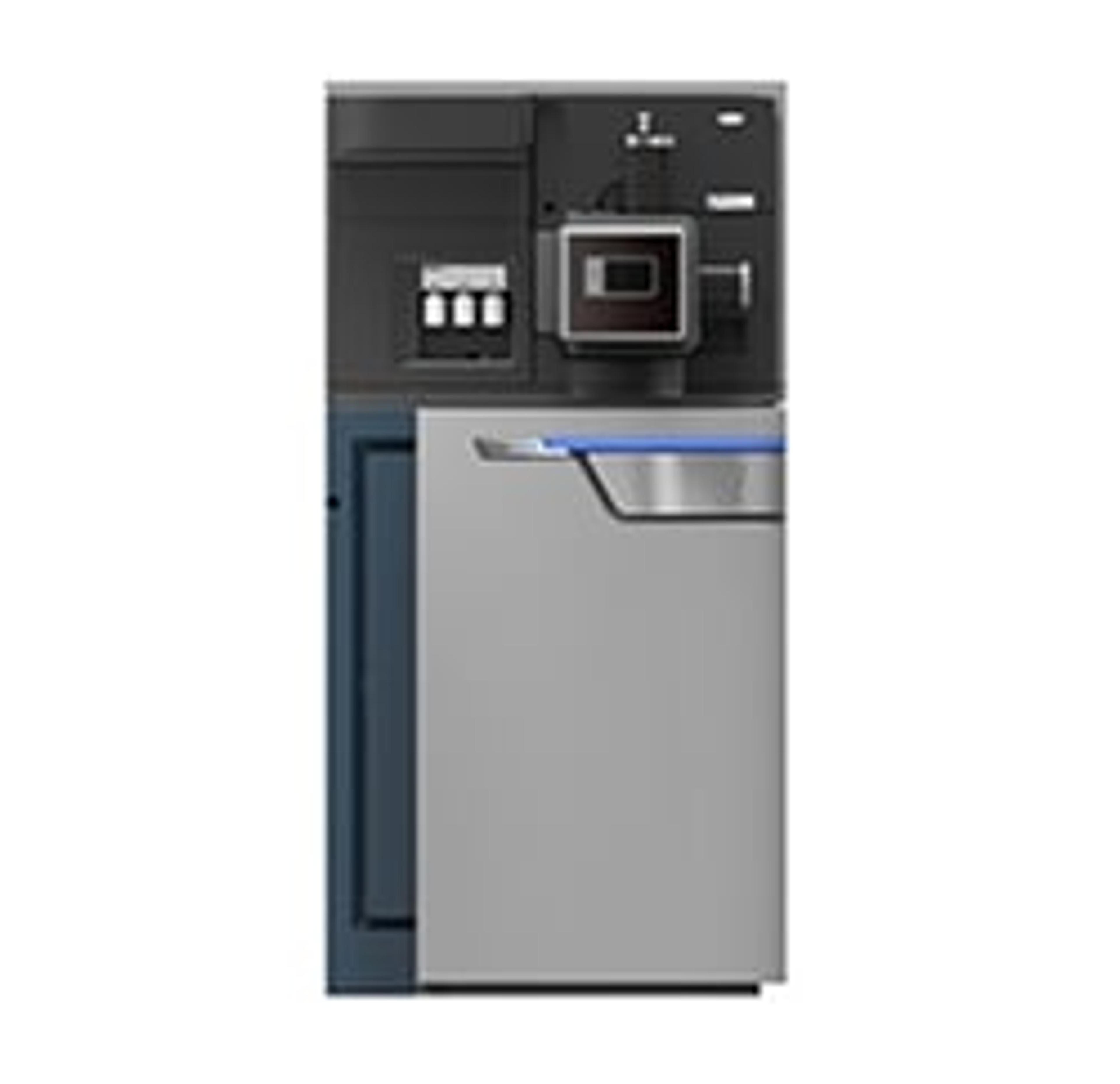
WatersTransform your lab's discovery capability with the SYNAPT G2-Si MS. Information. Informatics. Impact. SYNAPT enables extensive characterization of complex mixtures and molecules with uncompromising qualitative and quantitative performance, streamlined workflows and unparalleled platform versatility. With the SYNAPT G2-Si you get ultimate UPLC/MS/MS performance, powerful data independent & data dependant solutions, CID and ETD fragmentation capabilities, and a wide range of experimental options.