ProductsLife Sciences
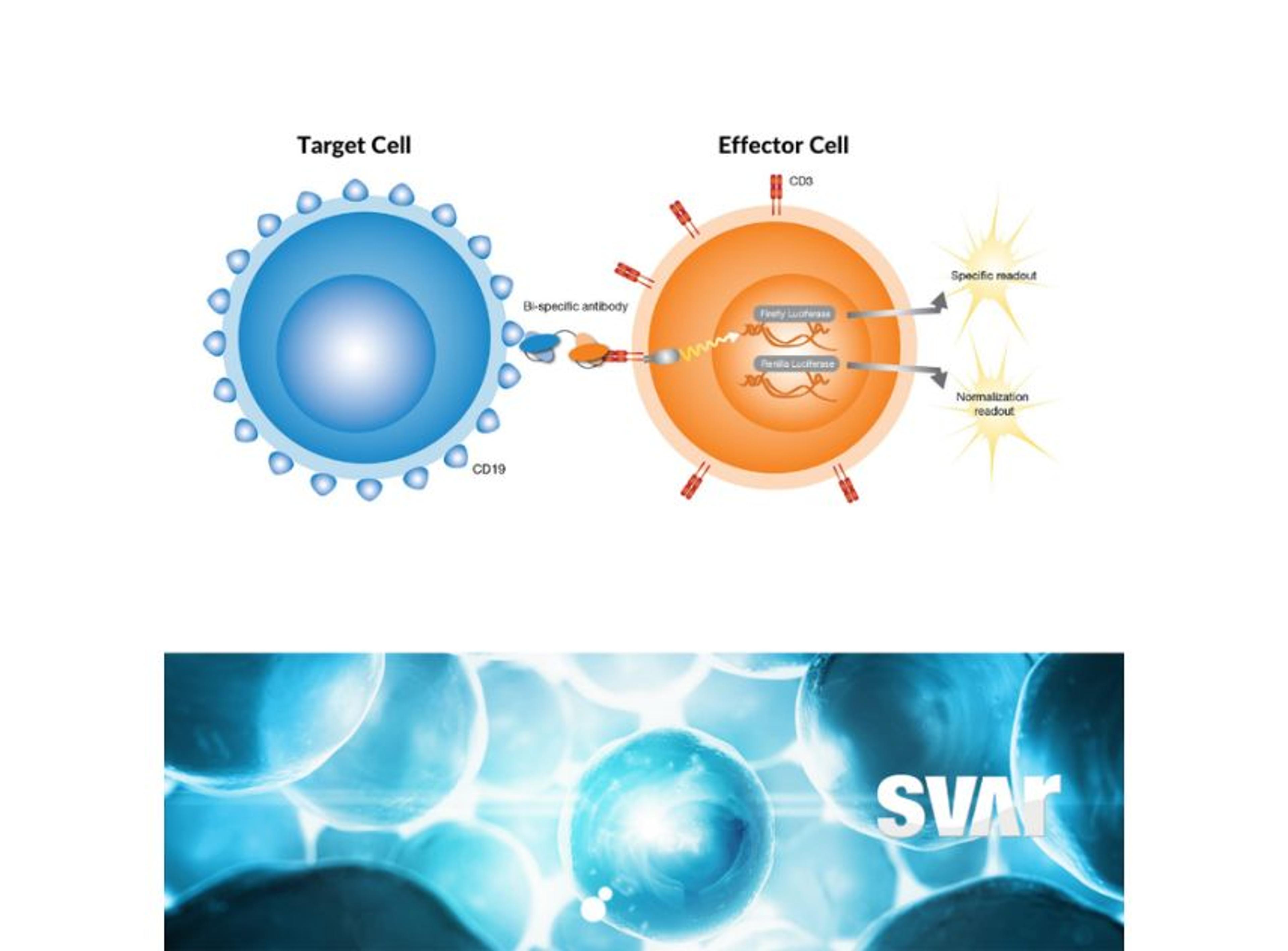
iLite® Target cells
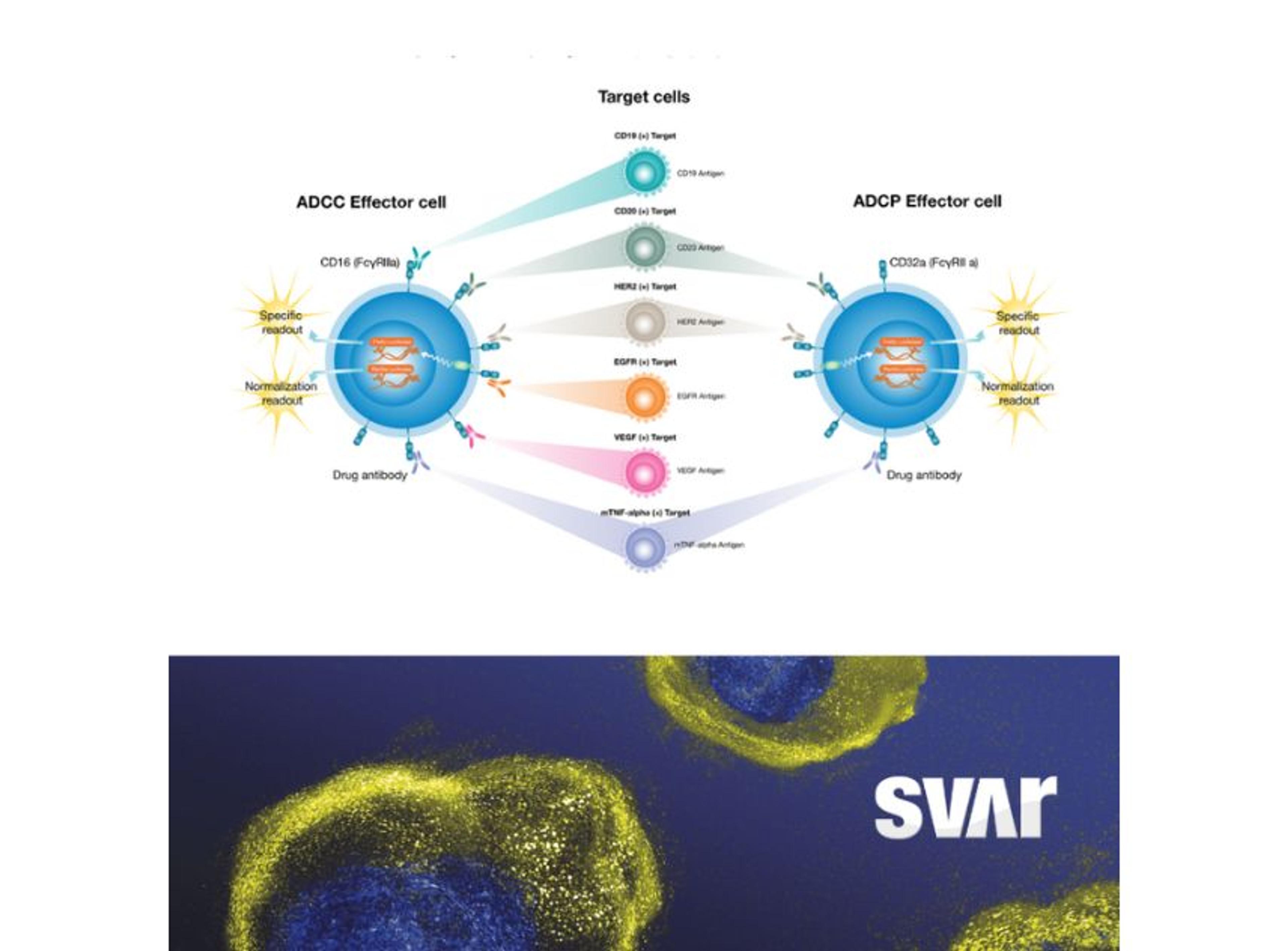
Svar Life Science ABEngineered, homologous, and specific target cells that enable screening for antibody-induced effector functions.

Engineered, homologous, and specific target cells that enable screening for antibody-induced effector functions.
The iLite® CD3 Effector Cell line is a reporter gene cell line that offers a convenient and powerful way of measuring the efficacy antibodies have to elicit T cell activation through CD3 interactions.
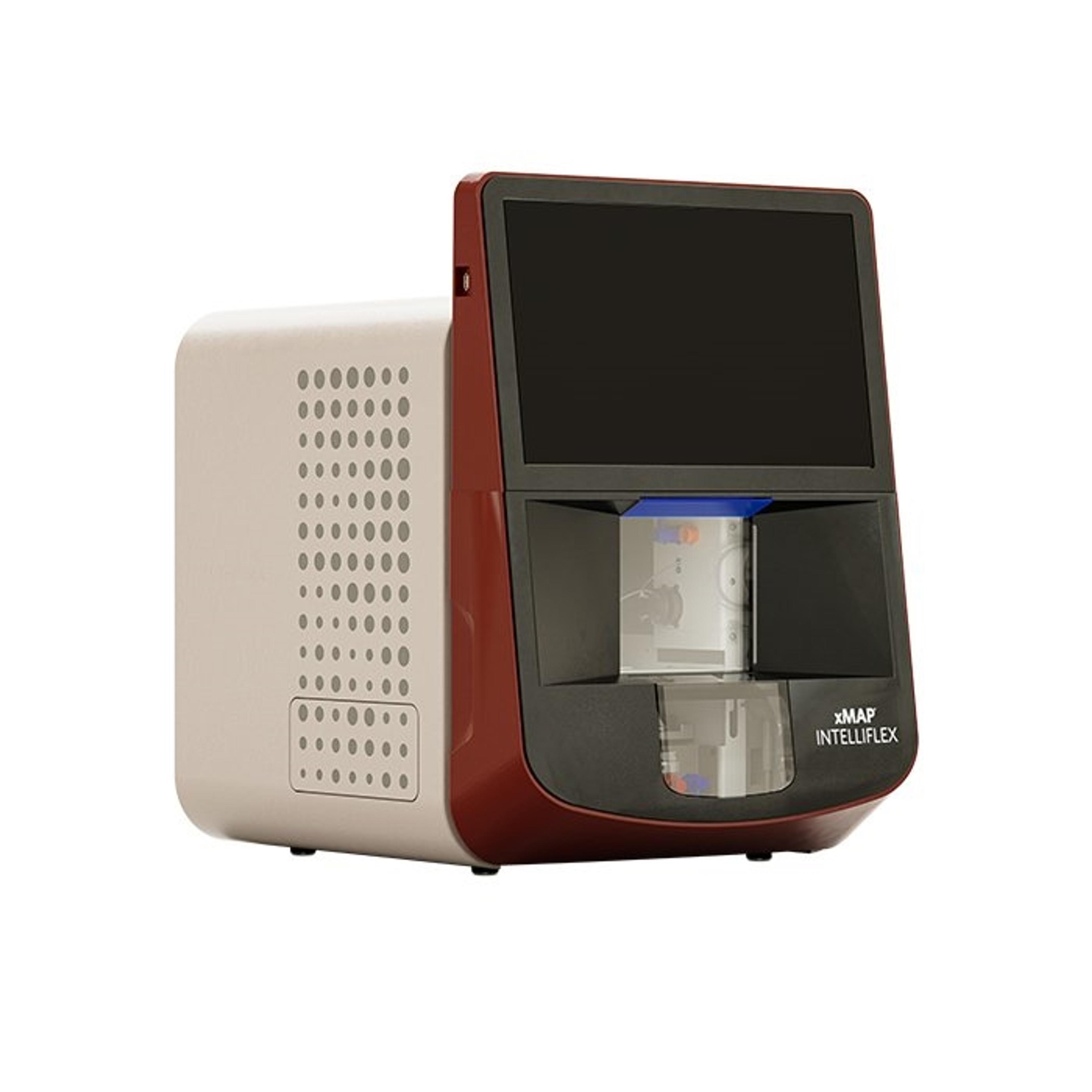
The Luminex xMAP INTELLIFLEX is an advanced platform for accurate protein measurement in a compact instrument. With an option for a second reporter laser, it allows detection of two parameters on a single bead, maximizing data points and sample processing. Designed for high throughput, it is the most advanced Luminex instrument. Compatible with R&D Systems Luminex assays and Quantist Analysis Software.
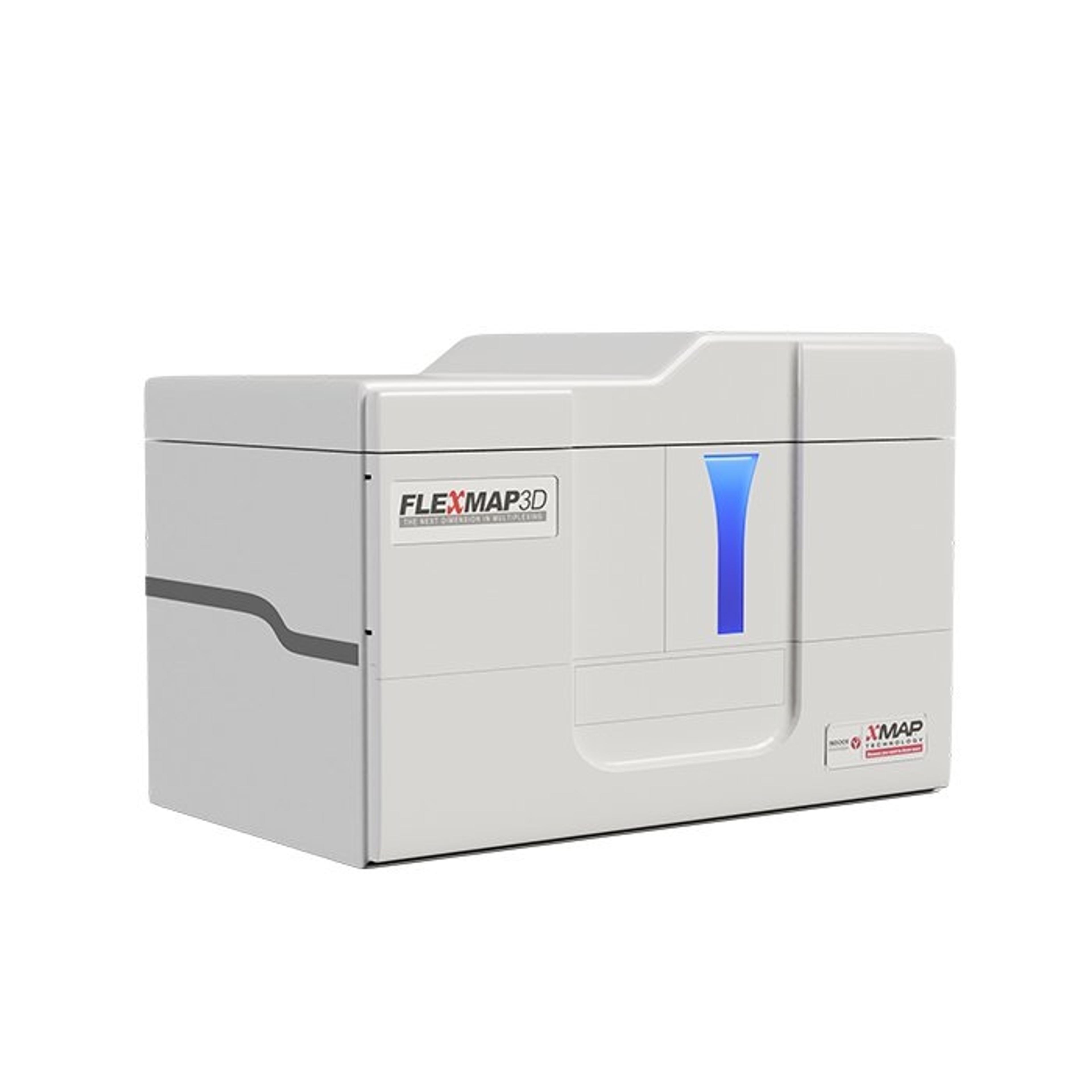
The FLEXMAP 3D is a versatile and powerful multiplexing platform from Luminex. Fast read time, compatibility with 96- and 384-well plates, and ease of integration with front-end automation systems make the FLEXMAP 3D a reliable choice for high-throughput applications. Compatible with R&D Systems Luminex assays and Quantist Analysis Software.
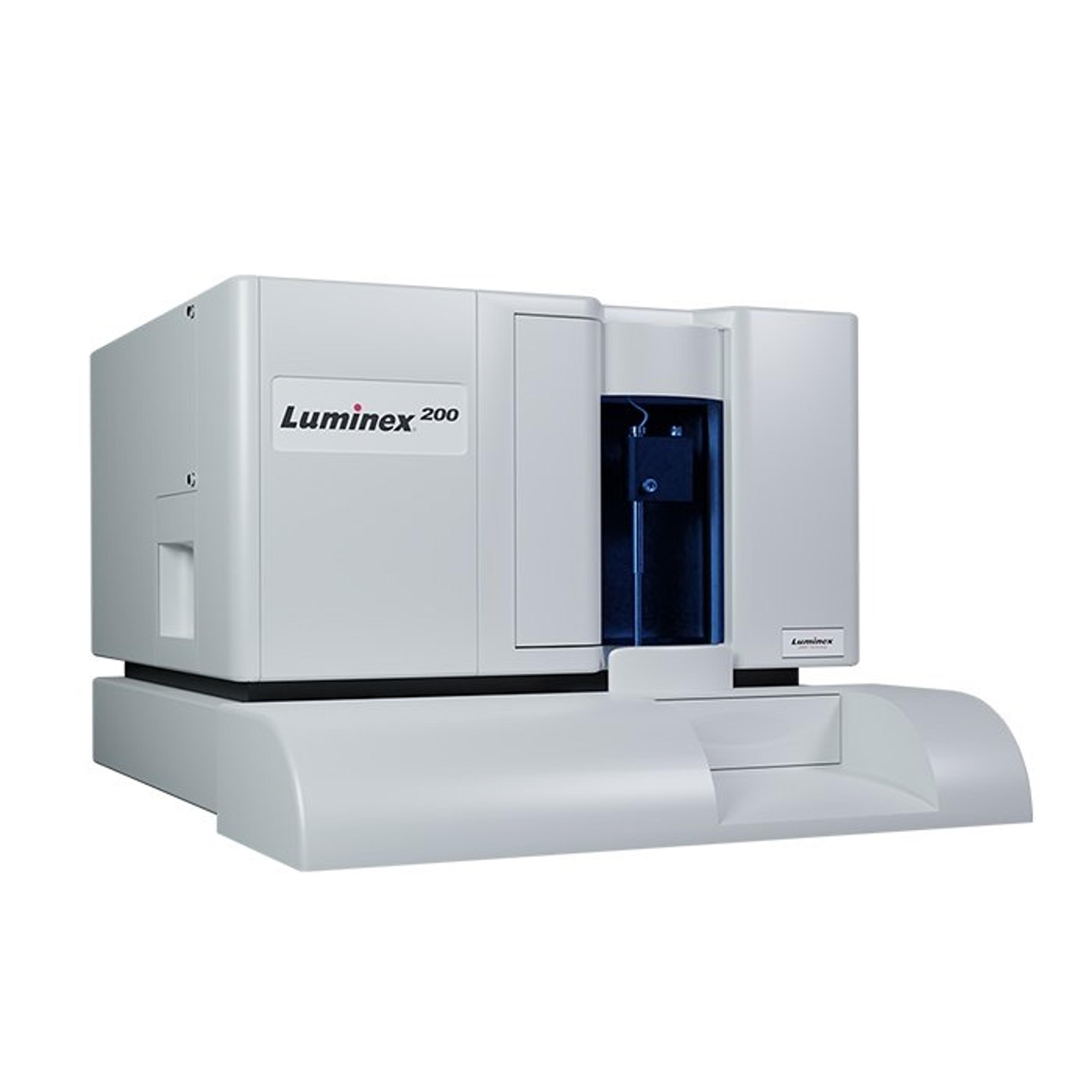
The Luminex 200 utilizes principles of flow cytometry and is the gold standard for basic multiplexing protein needs. Simultaneously multiplex up to 100 analytes in a single microplate well. Delivers fast and cost-effective results on many assay formats. The Compatible with all R&D Systems Luminex assays and the Quantist Analysis Software.
In-depth understanding of complete genome in human, aninal, plant and microbe with end-to-end services.
Sequencing only service for customer-premade libraries at different read lengths and capacities to suit any cost, project scale and turnaround with the world-leading, powerful, and sophisticated sequencing platforms (Illumina, Pacbio, and Oxford Nanopore).
16S/18S/ITS rRNA amplicon metagenomic sequencing employs universal primers to target specific regions to identify the phylogeny and taxonomy from complex microbiomes.
Single cell RNA sequencing uncovers the complexity of cellular diversity to employ the study of unusual cell types, cell-lineage associations, and samples of heterogeneous nature with 10x Genomics technology.
Long Read Sequencing (LRS) service employs cutting-edge technologies such as Oxford Nanopore and PacBio platforms for decoding complex genomes, completing transcriptomes, exploring metagenomes, and investigating structural variations with unmatched precision.
RNA sequencing is applied for in-depth analysis of whole transcriptomes, encompasses coding and non-coding RNAs (long ncRNA, small RNA, and circle RNA,etc.) for diverse research needs.
Whole exome sequencing allows for sequencing human and mouse exomes in an array of panel options, which facilitates research contexts and clinical contexts.
Novogene provides Whole Genome Bisulfite Sequencing (WGBS), Reduced Representation Bisulfite Sequencing (RRBS), Chromatin Immunoprecipitation Sequencing (ChIP-seq), RNA Immunoprecipitation Sequencing (RIP-seq), and Assay for Transposase-Accessible Chromatin Sequencing (ATAC-seq), tailored for both bulk and single-cell samples.
Sino Biological provides a wide range of influenza virus research reagents and technical services, supporting vaccine safety and immunogenicity assessment and vaccine protective efficacy evaluation.
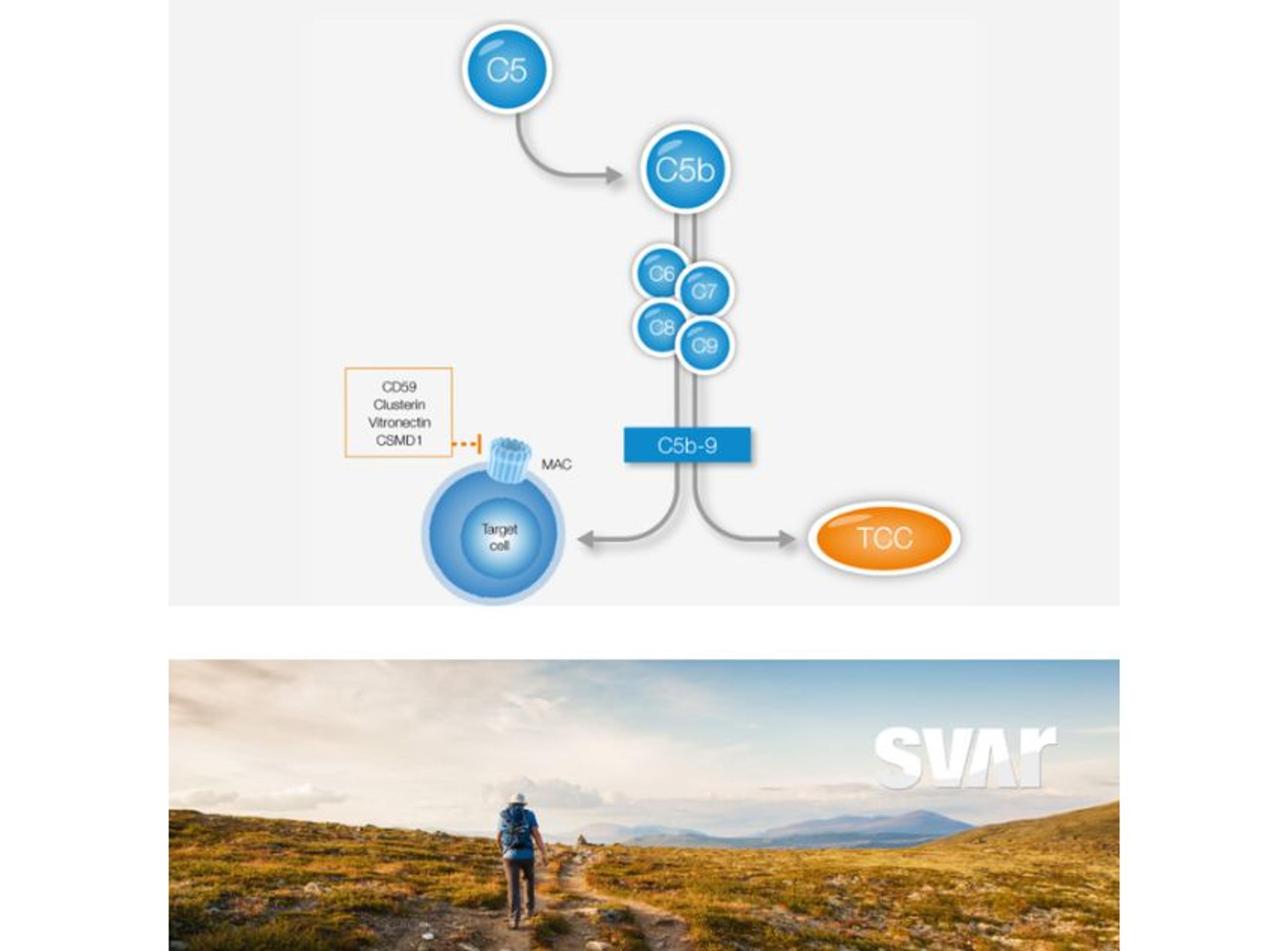
The Complement TCC is a flexible and easy to use immunoassay for determination of the terminal complement complex (TCC, also known as sC5b-9) in human plasma.
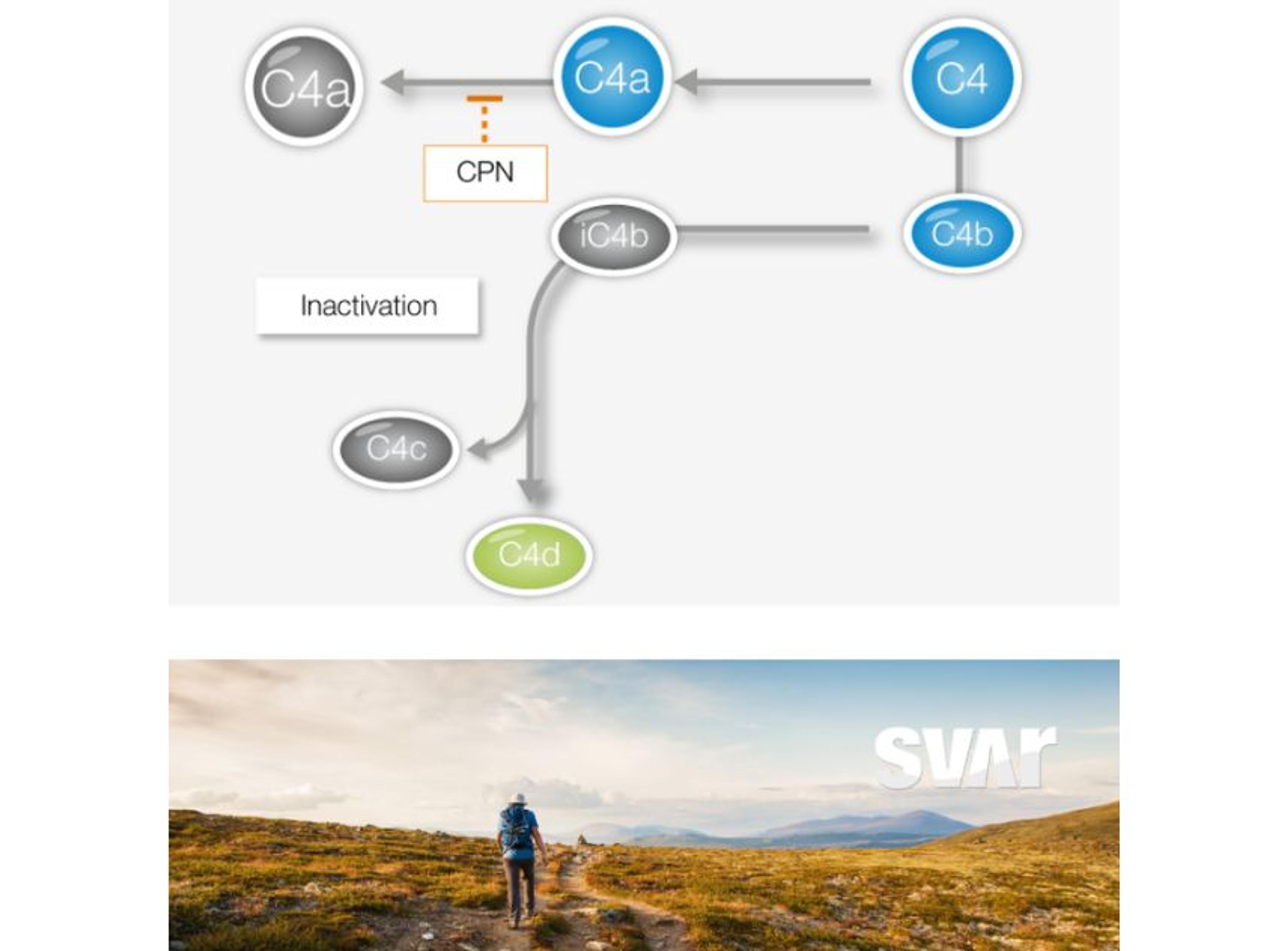
The Complement C4d assay is a highly specific C4d ELISA kit for measurement of C4d in human plasma. The assay targets a unique cleavage epitope on C4d, which means that only the C4d is measured.
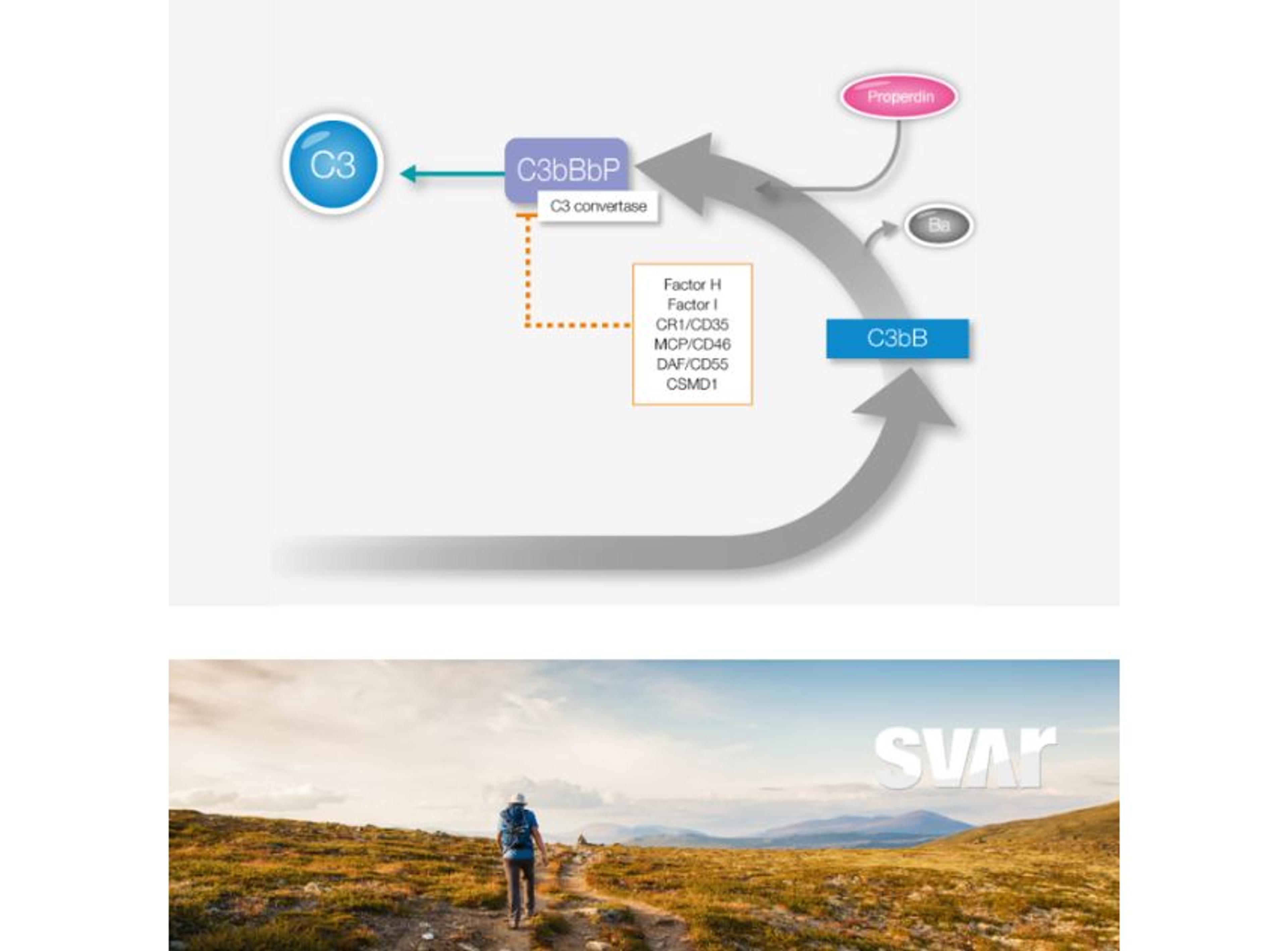
The Factor P Quantitative Assay is a sandwich ELISA for quantifying human Factor P (Properdin) in, serum or plasma samples.
Expert Biomarker Discovery Services using cutting-edge technologies such as high-quality proteomics with Proximity Extension Assay (PEA) technology from Olink, and ultra-sensitive detection with proven Simoa technology. We offer ideal broad screening-to-targeted biomarker discovery solutions in different therapeutic areas.
A specialized and GxP-certified laboratory for Bioanalytical Service Solutions -with scientific expertise & advanced technologies. We offer assay development, validation, and sample analysis of pharmacokinetics, toxicokinetic, pharmacodynamics, immunogenicity, and biomarker analysis.
Sino Biological offers a wide range of products and services to provide customers with complete multispecific antibody development solutions covering various phases of the development process, such as antibody development and optimization, druggability assessment, animal model evaluation, and process development.
Sino Biological provides comprehensive solutions for CAR-T cell therapy companies from CAR development, T cell activation, lentivirus packaging, CAR-T cell expansion to CAR-T cell quality control, fully supporting CAR-T research.
Sino Biological has developed a series of high-quality research reagents for dominant SARS-CoV-2 mutants, including recombinant antigens, detection antibodies, ELISA kits, pseudovirus, cDNAs, peptide pools, and receptor ACE2. These variant reagents have actively supported the basic research of SARS-CoV-2 and the development of vaccines, therapeutic antibodies, and diagnostic reagents.
Sino Biological provides comprehensive reagents and services for CAR-NK cell therapy development to support our customers from early target discovery to the preclinical phase of research and development.
Cytokines and their receptors show great potential in tumor immunotherapy, and many cytokines have been identified as targets for tumor drug development. Sino Biological's cytokines support stem cells, neural cells, immune cells, and organoids, facilitating functional studies and accelerating scientific discoveries.