iLite® Target cells
Engineered, homologous, and specific target cells that enable screening for antibody-induced effector functions.

The supplier does not provide quotations for this product through SelectScience. You can search for similar products in our Product Directory.
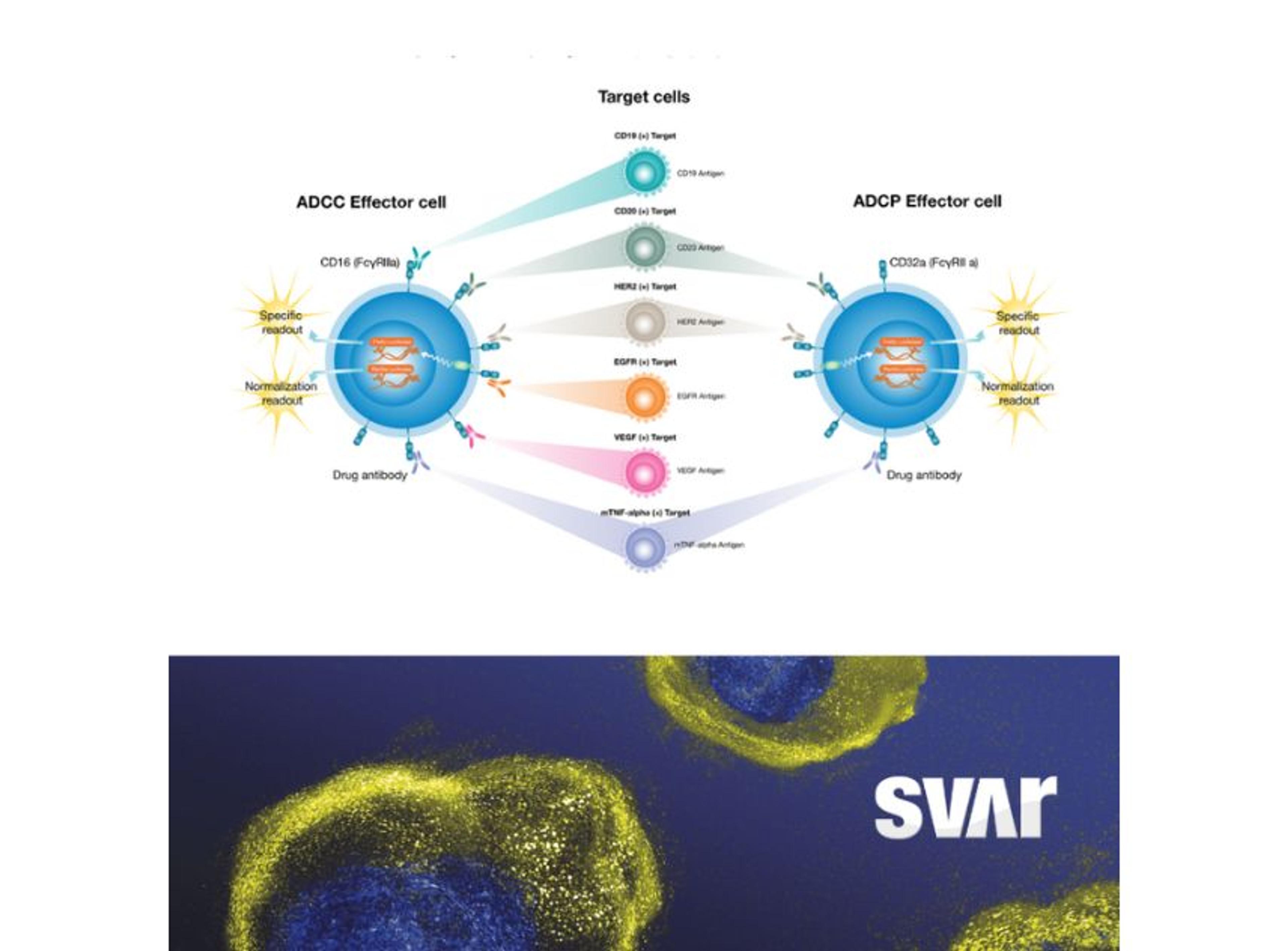
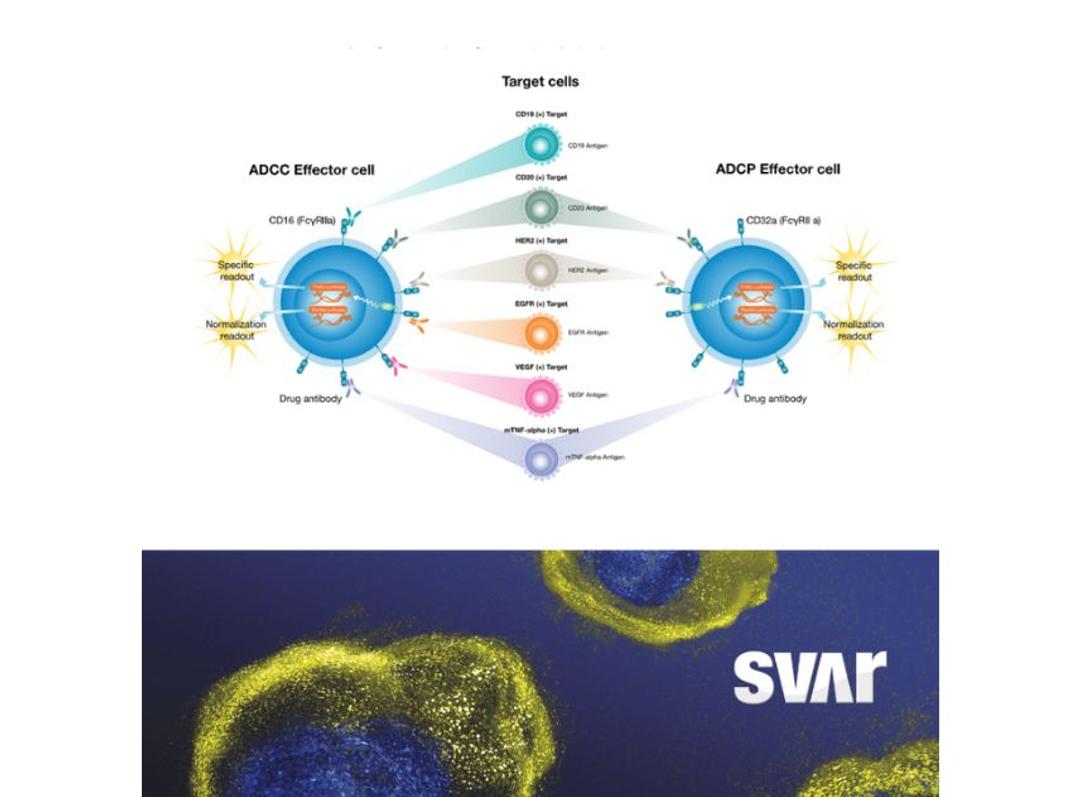
The iLite® Fc-Effector system comes with a suite of engineered homologues (+) and (-) target cells that allow differences in ADCC and ADCP activity to be determined with precision and specificity. It also enables comparisons of ADCC/ADCP activity between variants of therapeutic antibodies that target the same antigen and possibilities to detect any unwanted activity due to the engineering of the antibody.
Target (+) cells have been engineered to overexpress a specific antigen, either by overactivation of the endogenous expression or by insertion of the gene encoding this antigen. This gives a stable and controlled expression of the antigen on the cell surface and enables target-Fc receptor crosslinking inducing a specific luciferas signal.
Target (-) cells do not present the specific surface target molecule. Hence, no crosslinking between target and Fc-Receptor can be established and no luminescence from the Effector Cell is generated. This specific antigen-negative target cells provides a unique way of detecting nonspecific effects.

Bispecific antibodies and the quantification of their activity using iLite bioassays
In this application note, the use of therapeutic monoclonal antibodies (mAbs) is discussed as treatment for many disorders. The note also outlines how bispecific antibodies (BsAbs) work, how they are useful, and how cell-based reporter-gene assays can be used as valuable tools in the development of new therapeutic BsAbs. Different configurations and functions of BsAbs are also described, including how they work in the lysis of cancer cells.

Cell-based assays in immuno-oncology: Advancing bispecific antibody development
Explore the importance of robust and reliable cell-based assays in the development of therapeutic bispecific antibodies in immuno-oncology